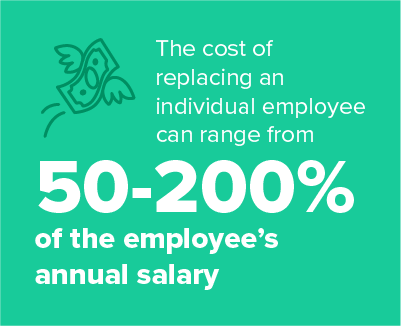
Employee engagement is critical to organizational success, yet it remains a challenge for many companies. Companies with strong engagement practices often see 25% less turnover and 21% higher profitability, showing that engagement improvements pay off in retention and ROI.
Engaged employees are more productive, stay with companies longer, and help create a positive workplace culture. But too often, companies assume employee engagement requires complex programs or expensive initiatives. But never fear, that is not the case. There are plenty of low-cost cost, high-reward employee engagement opportunities.
In this article, you will find a range of strategies that can help improve employee engagement across different types of workplaces. We will share easy employee engagement ideas that apply whether your organization operates in a corporate office, a hospital, a manufacturing site, or a government facility. These ideas can help you increase connection, morale, and productivity. We will also explore one powerful engagement tool that is often overlooked: workplace food and dining.
Employee engagement affects more than morale. It impacts productivity, retention, loyalty, and even the financial performance of organizations.
When employees feel connected to their work and to their colleagues, they are more likely to stay with the company, perform at higher levels, and contribute to a positive workplace culture. Engagement also supports retention. Another study reports that departments with engaged employees achieve 59 percent higher loyalty and retention compared with teams that lack engagement.
Every business owner wants to ensure they’re employees are creating their best work, and in order to do that, we need to make sure employees are happy and engaged. Now let’s get into the how.
Feeling appreciated at work is a core driver of how to improve employee engagement. When employees believe their contributions are noticed and valued, they naturally become more invested in their work and team outcomes.
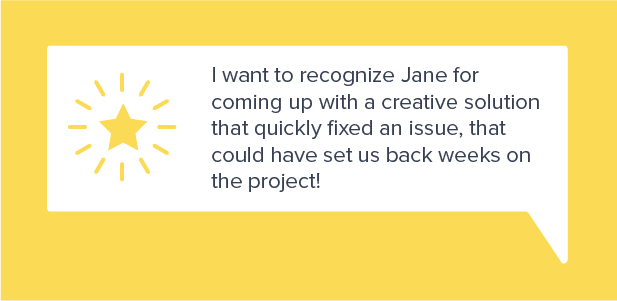
Recognition does not need to be expensive to be meaningful. Encourage informal acknowledgement among team members. We love employee engagement strategies that are 100% free. Create inter-office messaging channels or email threads where anyone can highlight a colleague’s great work. Celebrate big wins, but also small, everyday efforts that demonstrate care and teamwork.
This kind of peer‑to‑peer appreciation helps build a culture where people feel seen. Oftentimes, people will say they don’t need a gold star for doing a good job. However, the simple act of a public shout-out for a job well done can turn a boring day into a good day.
According to this article, 70% of employees reported that they do not receive regular recognition at work. And yet, of those employees who do, they report that they are 2.5 times as likely to be engaged at work.
Taking time to acknowledge birthdays, anniversaries with the company, project completions, and individual achievements helps build a sense of belonging. You might offer small tokens of appreciation (free sweet treats or caffeine fixes are always a hit), host brief recognition moments in team meetings, or share “win of the week” updates in company newsletters. These practices help employees feel valued and motivate them to stay connected to their work.
We all could use a little flexibility at work. The rigid 9-5 schedule might not work for everyone, and if their role allows the adjustment of those hours, this goes a long way in keeping employees engaged. Supporting flexible work arrangements is one practical example of how to improve employee engagement, showing that the organization values employees’ lives outside of the office.
Providing options such as hybrid schedules, flexible start and end times, and remote work opportunities allows employees to shape their days in ways that suit their personal and professional needs. Many employees who get to work in the way that suits them report higher levels of engagement and motivation.
Maybe the commute into the office is miserable, but after 9am, the roads clear. Allowing this kind of flexibility and autonomy makes people feel seen and appreciated. It can be the difference between a burnt-out employee and a cheerful one.
Encouraging employees to take vacation time, personal days, or mental health breaks demonstrates that you value their well‑being, not just their output. Some organizations offer wellness benefits such as mindfulness apps, fitness reimbursements, or dedicated mental health days. These kinds of programs help employees recharge and return to work with greater focus and engagement.
When an employer sees their team as more than a number and a person who needs a break every once in a while, it helps them understand that their company cares about them.
Strong social connections at work are a powerful engagement booster. Employees who know and care about their peers engage more deeply with their teams and their workplace. It’s hard to make friends as an adult, and work is a great place to do that.
Organizing social opportunities that feel natural and fun helps employees bond without pressure. These could include lunchtime walking groups, trivia breaks, casual coffee chats, or even interest‑based clubs like book or gaming groups. The benefits are simple: people who feel connected to others at work perform better together.

Ask not what you can do for your company, but what your company can do for you! Everyone wants to gain knowledge at the workplace to widen their horizons, and that’s something that can be facilitated easily right in your own office space.
Learning events such as lunch‑and‑learn sessions, cross‑team workshops, or professional development presentations create shared experiences that build teamwork. When collaboration and learning happen in a relaxed environment, engagement increases, and employees feel both personally and professionally supported.
One of the simplest ways to boost employee engagement is also one of the most overlooked: food. Shared meals and workplace dining experiences create small but meaningful moments of connection that can have a big impact on morale, retention, and workplace culture. These moments are low-pressure, approachable, and universally appreciated. Different workplaces, such as hospitals, college staff employees, and corporate hybrid offices, all have different needs but every workplace has one thing in common: we all need to eat. Maximizing meal time helps create more happy and engaged employees.
Quality workplace dining does more than fill stomachs. It creates daily positive moments and helps employees feel recognized and valued. It also encourages casual interactions across teams and departments that might not happen otherwise. Whether it's sharing a coffee break or a catered lunch, these interactions contribute to a sense of community.
Food experiences are one of the great employee engagement strategies because they are tangible and practical. Employees use and enjoy them, unlike some other engagement initiatives that can feel abstract or forced. A well-planned dining program signals to employees that their comfort, satisfaction, and overall experience at work are important. It’s a way of showing your team that you are not just focused on their output but you want them to enjoy working for you.
Many organizations try to boost engagement through food but fall into common traps. Vending machines offer convenience but no opportunity for social interaction. In-house cafeterias often require significant investment and management resources, making them difficult to sustain without help. Food stipends can help, but without structure, employees may still eat alone at their desks. Even snack programs, while appreciated, do not provide the same level of impact as a full, shared meal experience. Everyone loves a midday snack, but it’s no substitute for sharing a meal with someone.
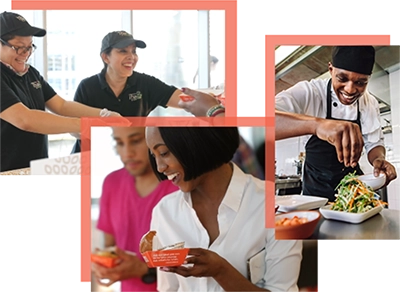
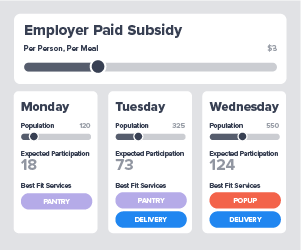
The most effective workplace dining programs balance quality, variety, and flexibility. Rotating restaurant options, pop-up food events, and culturally themed meals allow employees to look forward to engaging experiences. Professional management of these programs ensures consistency, accommodates dietary needs, and removes the logistical burden from HR or office teams.
For example, teams might plan “anchor days” around favorite restaurant rotations or cultural food events. These events encourage employees to come into the office, interact with colleagues, and enjoy a shared experience without the pressure of mandatory attendance. Programs like Fooda are designed to make this easy across offices, hospitals, universities, and other workplace types, providing variety and quality without disrupting daily operations.
Not every company has the resources to implement all engagement strategies at once, and that’s okay. There are ways to increase employee engagement little by little. The key is to prioritize efforts that will have the biggest impact for your workforce. Quick wins could include creating peer recognition channels, organizing a few social events, or introducing a rotating lunch program. Long-term initiatives could involve professional development workshops, wellness programs, or ongoing food-based engagement experiences.
It’s also important to measure engagement to ensure your efforts are making a difference. Employee surveys, retention metrics, and informal feedback can all provide insights into what is working and what might need adjustment. Even small improvements, tracked over time, can lead to significant gains in engagement, satisfaction, and productivity.
Easy-to-Implement Engagement Ideas Across Categories

Employee engagement is built through consistent, meaningful touchpoints that support connection, recognition, and community. Workplace dining is one of the simplest and most effective ways to achieve this. Programs like Fooda’s help organizations of all sizes provide high-quality, flexible dining options that accommodate a variety of schedules, preferences, and dietary needs.
Engagement is not about expensive programs or complicated initiatives. It is about creating moments that matter. From recognition and flexibility to team building and food experiences, there are countless ways to make employees feel valued, connected, and motivated. Workplace dining programs make it easy to introduce these touchpoints in a way that employees will actually use and enjoy.
If you are looking for practical, effective ways to boost engagement, consider workplace dining as a foundational strategy. It helps employees feel appreciated, facilitates connection, and encourages a sense of community that extends far beyond the lunch table. Contact Fooda today to learn how a flexible dining program can support engagement, retention, and workplace culture at your organization.
Focus on recognition, flexible scheduling, social connection, and shared food experiences. Small, consistent actions can have a big impact.
Shared meals create daily positive moments, encourage social interaction, and show employees they are valued. Quality, variety, and inclusivity are key.
Peer recognition, casual social events, short learning sessions, and rotating meal programs are all affordable yet impactful strategies.
Use employee surveys, retention metrics, productivity data, and informal feedback to assess the effectiveness of your initiatives.
Recognition, flexibility, professional development opportunities, and high-quality workplace dining are among the top contributors to employee engagement.