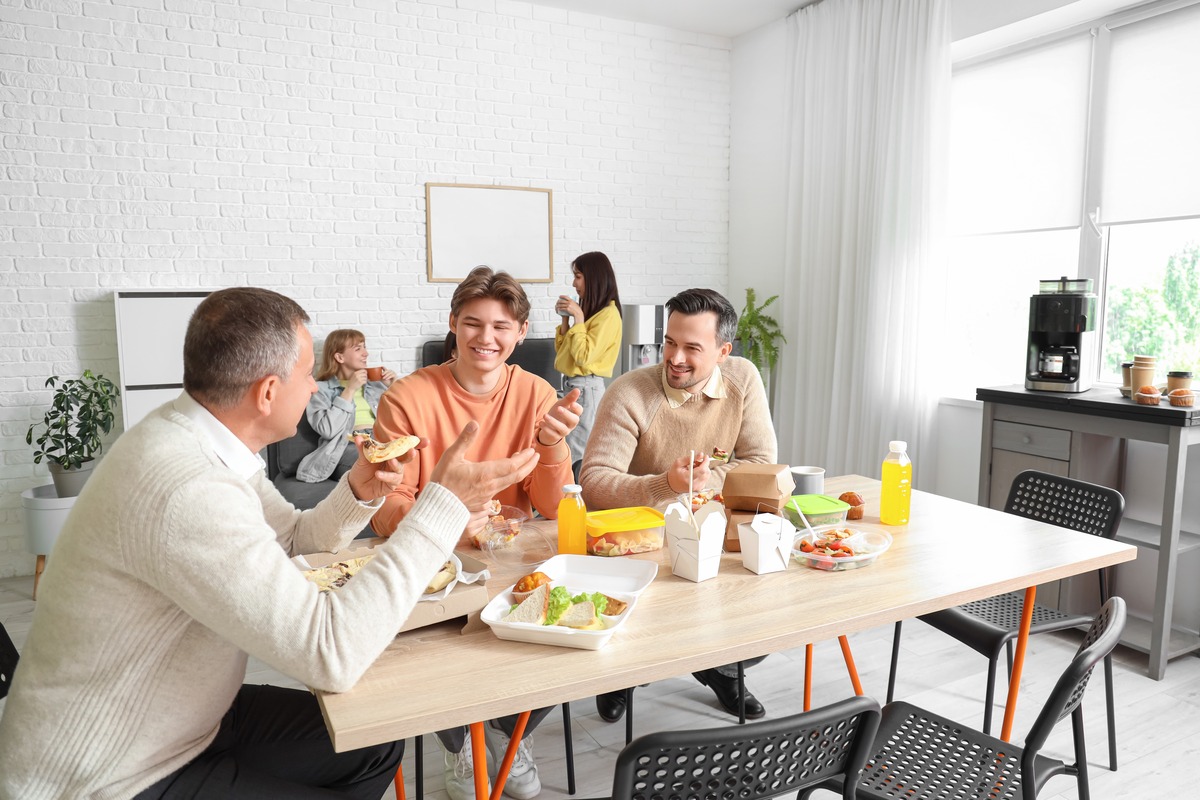
Office etiquette, and rules around food in shared spaces are becoming a hot topic. Increasingly, more companies are rolling out return to office (RTO) strategies - which aim to strengthen collaboration, improve employee recognition, and boost productivity.
Founder Reports reveals about 67% of US companies require in-office time, usually with a 3 day per week requirement. Of these, 27% have a fully in-person working model.
For many workers, especially those who are used to remote work, the office is a confusing maze of unspoken expectations. But when work is hard enough, navigating shared spaces, especially around food, shouldn’t be a cause of additional stress.
Here at Fooda, we believe authentic and dynamic food makes the workplace inviting and welcoming. Access to proper break time, snacks, and socialization creates great coworkers and spaces for everyone.
Let’s break down etiquette in the office, and all the ways a workplace food program can bring out the very best in your team!
Office food etiquette are the unspoken rules around how to manage expectations around food in a workplace setting. Basically, office etiquette 101 boils down to having respect for shared environments - whether that’s by cleaning up after yourself or taking personal calls outside.
Being considerate of others, whether working on a group project, or when sharing an office kitchen can distinguish a great employee.
Every workplace has its own rules: some environments are casual and relaxed, others are formal and rigid. A widespread return to the office will put workers who have unique experiences in the workplace, varied upbringings and beliefs, and different familiarity around common office food rules in the same environment.
This can be a difficult adjustment for some and employers should be mindful of growing pains as your team settles into in-person work.
Here are some common office food etiquette faux pas:
Even if your office has a cleaning crew, it’s disrespectful to them and your team to leave spaces messy. Treating shared areas with care reduces maintenance, promotes hygiene, and makes your office a more pleasant place to be. After all, would you want to eat from a dirty microwave or fridge with spoiled food in it?
Being mindful and respectful goes a long way but having good manners is more than being polite. In fact, studies show people who regularly practice kindness have 23% less cortisol in their bodies compared to the average population. Small acts not only help others around us, but they boost our moods as well. This helps us be more present and pleasant in the workplace.
Here are some ways you can be a great coworker:
Office and food etiquette is a responsibility held by everyone in the company. Your leaders should set good examples, proving to the rest of the team that everyone is accountable for upholding workplace food standards.
To promote alignment, posters around common spaces and a chapter in your company handbook, are easy ways to communicate expectations and your culture. Additionally, you should have structures in place for how to handle disputes, food thieves, and be open to taking suggestions from employees for further improvement.
As your team grows and changes, your office and food etiquette should develop too!

Meal time is an important opportunity to get to know colleagues on a personal level. Since the dawn of humanity, sharing food is how we build relationships and community. Meaningful conversations can brighten tough days, make new team members feel welcomed, and reinvigorate us to tackle the rest of the work day.
You don’t have to eat with others every shift, but when you do, try to
Break time should be an opportunity to relax, recharge, and engage with teammates. Being genuine and present makes returning to the office more enjoyable for the entire team.
According to Archie, 8 in 10 companies report losing talent due to RTO policies. A common misconception is that workers don’t want to come to the office. Rather, workers want real purpose behind coming to the office.
In-office benefits, like a high-quality food program can help attract and retain top talent. At Fooda, we believe that food, and its social aspects, enables workers to fully experience company culture in person.
From Popup restaurants, to office lunch deliveries and full-service cafeteria programs, Fooda elevates food experiences at offices just like yours. We help eliminate food-related conflict in the workplace, enable face-to-face connection, and bring structure to busy work days.
Let’s cover all the ways we simplify office etiquette, and boost enthusiasm for in-person work!
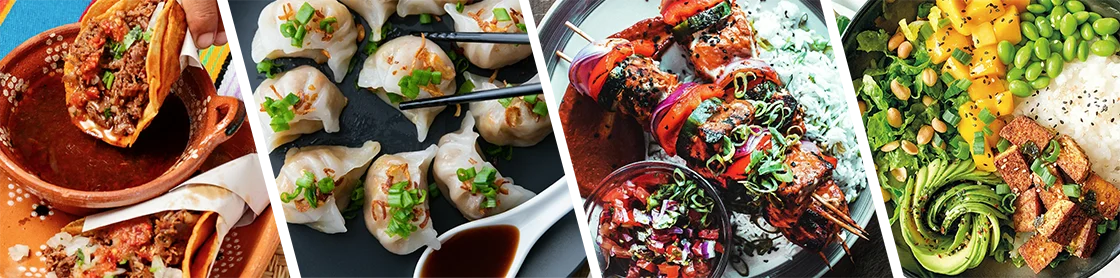
Fooda introduces excitement to traditional lunch programs. Our restaurant Popups and consolidated office meal delivery brings local restaurants straight to you. Your company can build lasting business relationships and amaze your team with a vibrant assortment of different menus. You choose the restaurants you want to feature, and how often.
Whether you simply want meals to be dropped off - or if you want to completely refresh your corporate cafeteria - we’ll help you build a completely customized food program.
We’re flexible: you can host a Popup once a week, or daily. You can experiment with different restaurants, or host a crowd favorite restaurant as a resident Popups in your cafeteria. Plus, Fooda offers unmatched pantry solutions, enabling you to rotate grab-and-go meals, like prepackaged sandwiches, salads, and snacks.
Food in the office doesn’t have to be a boring array of typical cafeteria slop - it can be a key driver of motivation for your team!
Meals from Fooda are portioned and produced for lunch, reducing food waste and leftovers in the fridge. Plus, when meals are exactly what you wanted, you’re less likely to leave leftovers! This means you won’t have to worry about old lunches forgotten in the back of your fridge.
Additionally, Fooda’s meal service program doesn’t have order minimums, meaning you never need to overorder. We’ll help you ensure you have the perfect amount of food on hand.
For instance, your hybrid office catering plan can flex with your team and their habits. If your company requires Monday, Wednesday, Thursday in the office, you can reduce your cafeteria and pantry offerings on Tuesdays and Fridays.
This system helps you recoup food costs, so you can reinvest in your employees, such as through a custom meal subsidy program. You can encourage your entire team to participate in your meal service, without creating additional waste.
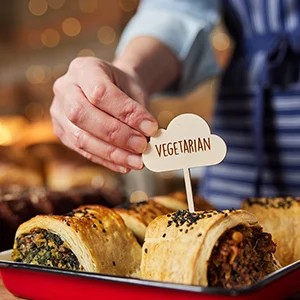
According to Statista, whether due to religion or personal preference, more than 4 in 10 Americans follow nutrition rules. Even more, PubMed reports approximately 1 in 10 adults in the US, more than 26 million people, live with a food allergy.
A workplace food program that accommodates all restrictions and dietary requirements is a must. After all, food and shared meals help build a sense of community and purpose. When building an inclusive meal-program, making an effort to support different dietary restrictions proves how much you value your employees wants and needs.
Fooda offers diverse menus and cuisines. Simply filter by needs, and we’ll provide delicious meal options. For example, if your office participates in our meal delivery program, you can provide an assortment of local restaurants for your team to choose from. Bob can select tofu spring rolls, while Jessica opts for a gluten-free taco bowl. This way, no one gets left out!
Team members who feel genuinely cared for become great coworkers - they produce higher-quality output and are happier in the workplace.
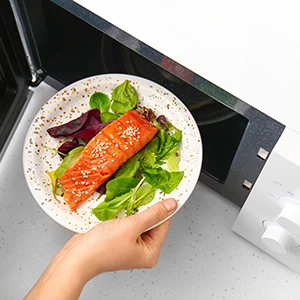
The Fooda program makes it easier to keep your office and eating areas clean. Meals are pre-portioned, and are served warm, greatly reducing dishwasher loads and microwave use.
This is great for sustainability initiatives - you can shrink your business’s water and electric bills, and minimize your carbon footprint. Fooda highlights local restaurants and consolidates orders into a single drop, eliminating the need for multiple employees driving to pick up lunch.
When hosting a restaurant Popup on site, Fooda vendors cook and prepare food off-site, set up on their own, serve food for a limited window, then clean up after themselves. There will never be a mess for your team or building to worry about!
With less travel and clean up, your team can get more time out of their breaks, and thrive in a cleaner and eco-friendly work environment.

Employers that prioritize meal and break times see a boost in productivity and reduce burnout.
Fooda boasts a 99% on time track record for meals delivered or served. This makes it easy to build agendas and schedule key meetings around lunchtime. Your employees can rely on us to provide the nourishment and mental break they need to be more effective in the afternoon.
Great food is an employee benefit that directly boosts happiness in the workplace, improves company output, and can attract and retain top talent.
Teams who have access to healthy meals and time to rest feel valued. Thanks to higher job satisfaction, these employees become great coworkers, motivating others in the office to reach greater heights.
Office etiquette 101 and food rules can make in-person work daunting. But just like gaining skills in your role, the nuances of shared workspaces gets easier over time.
Etiquette is more than keeping shared appliances clean - it’s about fully engaging in the workplace, and caring for the team around you.
Fooda solutions help companies invest in their employees and directly elevate meal time. Whether you want an easier way to manage meal deliveries, want wider access to snacks, or are ready to completely revamp your cafeteria, we’re here to help.
Hungry for change? Talk with a Fooda expert today!
Our program reduces the need for shared microwaves, minimizes fridge overcrowding, and cuts down on leftover food. Pre-portioned meals and scheduled break times help keep kitchens clean and organized, improving cleanliness.
Yes! High-quality in-office benefits, like reliable and tasty lunches, add real purpose to coming into the office. Food programs foster social connection, boost morale, and help employees feel valued, which positively impacts retention and engagement.