We've all seen the essential things that make up a good workplace experience change a lot in the last few years. Once, all you needed was a decent desk, a seat, and a computer. Now employees are demanding AI, wellness programs, and even healthy snacks on deck.
Still, one thing hasn't changed: everyone expects to start the day with a good cup of coffee. 65% of workers say they expect decent quality coffee in the office. Like it or not, caffeine is still the fuel that keeps most of us going through those endless meetings and exhausting client conversations.
When your employees don't get their java fix at work, they head out to Starbucks or the local café. That's $3–$5 a pop, hundreds of times a year. Do the math, and you're looking at close to $1,000 per person annually in lost time and money.
Meanwhile, the office coffee machine market alone is expected to be worth $6.31 billion by 2030. That's proof that companies are pouring serious money into keeping their workers caffeinated. The problem is that a lot of offices overspend on setups that don't actually fit their team.
So if you're an HR leader or office admin, the question isn't "should we have coffee?" It's "how do we design an office coffee program that makes sense, financially and culturally?"
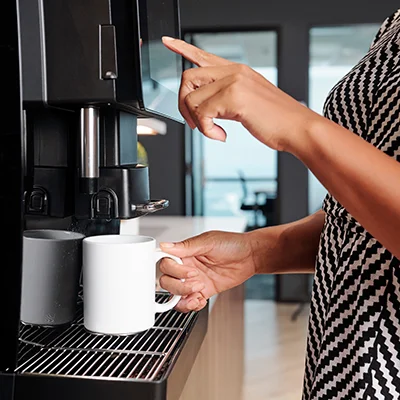
An "office coffee program" sounds like something that involves loyalty punch cards or regular bean tasting sessions. Really, it's just the system that keeps coffee flowing through your office without relying on whoever happens to remember to buy supplies each week.
It's the infrastructure behind the caffeine ritual: machines, deliveries, service contracts, sometimes even pop-up baristas. Like many workplace programs these days (such as corporate food delivery programs), there are a few different variations, like:
There's really no single setup that works for every office, and that’s why so many companies often end up using a blend of services through something like Fooda’s Pantry service. Picking the right one for your office depends on your team size, the space, and what people will actually use. The main thing is finding an option that fits and keeps running without causing a fuss.

It's easy to see coffee as "just coffee". Most of us do, unless you happen to be one of those people obsessed with bean flavor profiles. If you're the leader of a business, it's worth realizing that there's more to this than serving up caffeine. An office coffee program can help support:
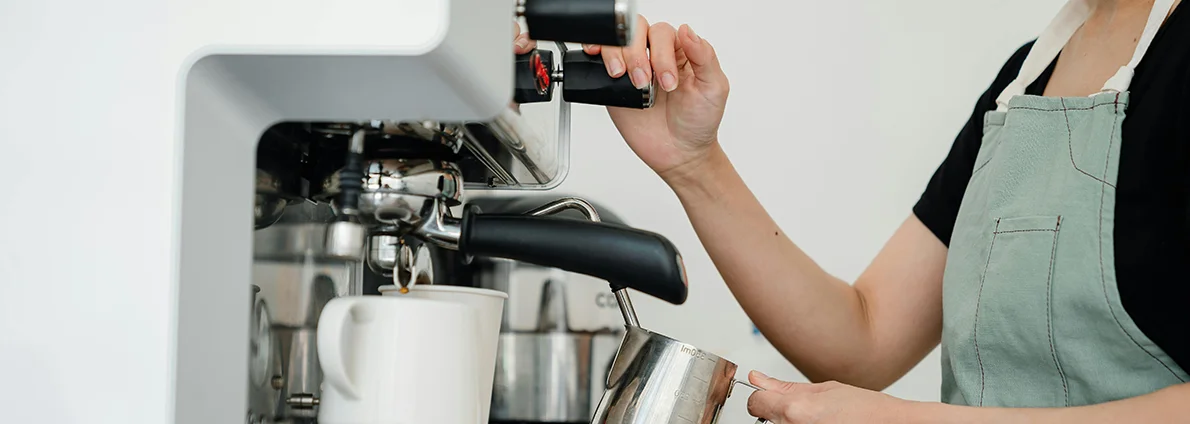
Now let's get to the problem: finding a good office coffee program that also fits your budget.
A single cup of coffee might seem inexpensive, but the actual price of an office coffee program can swing wildly depending on how you set it up. Comparing costs starts with the basic stuff:
And those are just the base costs. Routine maintenance and requests for extras like flavor syrups, sweeteners, and alternative milks can add up.

Here's the thing: when people budget for an office coffee program, they usually just think "beans and machine." That's naïve. The real costs sneak in elsewhere:
That gleaming bean-to-cup machine looks amazing until you see the invoice. $3,000 upfront isn't unusual, and suddenly you're wondering if you should've just stuck with a drip brewer. Leasing feels easier with one lower payment a month, but over a few years you will have basically bought the thing twice. Plus, if it breaks, you have to hope your contract covers prompt servicing.
Coffee machines clog, leak, and demand descaling. Skip maintenance and you'll end up with sludge instead of espresso. Some providers bake servicing into the deal, others nickel-and-dime you every time a technician shows up. Now you have to explain to 80 caffeine-deprived employees why the machine is "temporarily out of order."
Cheap beans taste cheap, and people notice. When the coffee offered in-office is notably bad, it pushes employees out the door toward a café– defeating the entire purpose of your office coffee program. Good coffee gets noticed just as quickly as bad coffee does. Specialty beans cost more, but they shift the feel of the office in a positive way. If you decide on organic or fair trade beans, expect a higher price, though you also gain a sustainability win you can point to.
A 20-person office can survive on one machine. A 200-person office can't. You'll need multiple stations, bulk deliveries, maybe even a custom office coffee program designed around traffic flow. Don't underestimate consumption habits. If half your team downs three cups before lunch, your "budget" program will blow up fast.
Coffee service always ends up involving more pieces than people think about at first. Everyone has their preferred way to drink a cup, so someone will always make a request for new additions. There are the cups, the stirrers, the sugar, the milk, and sometimes flavored syrups.. Some machines need a filtration system to keep from wearing out. Even the electricity bill shifts a little once larger machines enter the mix.
Providers love long contracts with minimum order volumes. That's fine if your headcount is stable, but in hybrid workplaces where attendance fluctuates, you can end up in a years-long contract paying for coffee nobody drinks.

Really, the sticker price of an office coffee program is a lie. The real cost is how well it fits your office's habits, culture, and expectations. Still, a good investment does pay off.
There are the direct savings mentioned above, which you gain every time your best employees don't have to leave the office for a macchiato. But don't forget the indirect savings too.
When the coffee improves, the change in culture shows up in small ways before anything else. People grumble less, stay on task more easily, and the office feels a little more settled. It can also make a difference in retention. When employees feel the basics are handled well, they usually don't rush to look for another job. The cost of hiring replacements ends up being far higher than spending a bit more on good coffee.
There is an effect on customers too. A setup that reflects genuine attention to sustainability builds trust with people outside the company. McKinsey found that most consumers care about living more sustainably. When a company takes that seriously, customers tend to respond positively.
Choosing an office coffee program isn't as simple as picking beans off a menu, even if we all wish it were. Be more strategic:
Remember the extras, too. Variety matters, particularly for a multi-generational workforce with different tastes. A service with a robust tech platform attached to it can help if you need systems that track usage to prevent over-ordering. And always be willing to hear employee feedback, so you can keep upgrading your program in valuable ways.

Fooda's approach to an office coffee program is different because they treat coffee as one part of a holistic office dining program. The Fooda Pantry solution gives you a single system to manage coffee, grab-and-go meals, snacks, and drinks in one place.
You save money, because Fooda isn't just buying beans in bulk; it's leveraging its entire restaurant and coffee vendor network. That means variety without the boutique price tag.
Plus, there's the technology advantage. Fooda's tech tracks usage, manages orders, and keeps everything running smoothly. No more guessing how much coffee to order or dealing with surprise shortages. That kind of visibility saves money and headaches.
So if you're the person in your office stuck making this decision, stop juggling contracts and worrying about beans versus pods. Fooda's already figured it out. Let them take the heat off your search for better coffee in the office and design a program that actually fits your workplace.