This year (2026), U.S. food service sales are projected to reach about $1.55 trillion. That sounds great. Then you look at the operator surveys and realize about four in ten restaurants didn’t turn a profit last year. That’s the part that stings. Traffic comes in waves and labor doesn’t. Food costs swing while rent is rising and never negotiates with your needs.
So, when backs are against the wall - the same question comes up time and time again: how do we increase restaurant sales? Most of the answers floating around feel familiar. Redesign the menu. Post more on social media. Launch a new customer loyalty program.
Yes, those can help - but when all of your competitors are taking the same approach - how effective can it truly be? If you actually want to increase restaurant sales in a meaningful way, especially this year, you need something steadier than another short-lived promo.
Realistically, you need more volume outside of major operating hours that you can count on. You need a restaurant revenue stream that isn’t dependent on coupons or a delivery app’s algorithm.
One of the best solutions on the table right now is finding a way to serve your food into a market that you wouldn’t typically have access to.
The restaurant industry looks big, worth about $362 billion in the US alone, but a lot of operators feel small. About 44% of operators last year were working at a loss, or barely breaking even. The restaurant industry comes with a lot of challenges to bypass, and they’re only getting tougher.
There are almost 16 million people working in restaurants across the country right now. That’s a huge number when you step back and think about it. Wages in hospitality are still roughly 20% higher than they were before 2020, and that’s not going backwards.
The tricky part is timing. You build the schedule early in the week. You try to guess what traffic will look like and then you live with that decision. If lunch is slow, payroll doesn’t magically shrink to match it. You either send someone home and feel bad about it, or you keep them on and watch the numbers slide. Neither option feels great or looks good.
Beef ticks up. Eggs spike again. Produce acts strange for a few weeks because of weather three states away.
You can tighten specs, and adjust recipes. You can raise prices a little and brace for pushback. But every time food costs jump a point or two, it wipes out a lot of careful planning. At some stage, the only clean fix is more revenue flowing through the same kitchen.
There’s a growing number of restaurants or concepts now generating more than half their revenue off-premises. The decision to experiment with delivery options kept a lot of businesses alive.
Commission rates between 15%and 30% aren’t unusual. Then you layer in branded packaging, refunds, and the discounts you need just to stay competitive inside the app. Margins shrink fast. Delivery isn’t the villain here. It just costs more than people like to admit.
If you operate anywhere near office space, you’ve seen it.
Office occupancy in major U.S. markets still sits around 50% to 60% of pre-2020 levels. Some buildings feel alive Tuesday through Thursday. Mondays and Fridays can be quiet.
That unpredictability hits lunch first, and lunch is where a lot of fixed costs are supposed to get absorbed. When operators think about how to increase lunch sales in a restaurant, it’s usually because dinner alone can’t carry the weight of the week.
More than 70% of diners say value matters more to them now than it did a few years ago. You can see that in the ordering patterns. Fewer add-ons. More “we’ll split that.”
People haven’t stopped going out. They’re just thinking more about where they can stretch their dollar most. So when someone asks about how to increase restaurant sales, the real question underneath it is simpler: where does steady, repeatable demand come from? Not viral demand. Not weather-dependent demand. Something you can plan around.

When owners start asking how to increase restaurant sales, they usually reach for the same set of plays. None of them are bad ideas. In fact, most of them are necessary.
The issue is that they tend to optimize what’s already happening instead of expanding what’s possible. They help you squeeze more value out of the guests you’ve got. They don’t always create a new stream of demand.
Menu engineering is one of the few strategies restaurant operators have a lot of control over.
You start by breaking down the contribution margin. Not food cost percentage in isolation, but actual dollars generated per plate. That’s when surprises happen. Sometimes the item with the highest food cost percentage makes more money than the “cheap” item because guests willingly pay more for it.
Operators who take this seriously usually:
Lunch combos are a good example. A sandwich, chips, and drink bundled correctly can lift check average without triggering sticker shock. Guests feel like they’re getting value. The operator improves margin mix. Both sides win.
Online ordering has made this even more mechanical. When an add-on is pre-selected or presented at checkout, attachment rates climb. It’s consistent. It doesn’t depend on staff remembering to ask.
But here’s the limitation: menu optimization increases the value of each transaction. It doesn’t always increase the number of transactions.
Upselling has a reputation problem. Usually because it’s done poorly. When it’s scripted and robotic, guests back off. When it’s contextual, it feels like service. A well-trained server suggesting a protein add-on or a premium side can add several dollars per check without increasing labor or extending table time. Over hundreds of covers per week, that compounds.
Operators who do this well tend to:
Digital channels are even more reliable here. Promoted modifiers in online ordering environments regularly outperform in-person upsells simply because they’re systematic.
Reservation platforms have pushed this further with prepaid add-ons for celebrations or premium experiences. When guests commit ahead of time, average spend climbs without pressure during service. This raises the spending ceiling on each guest visit, but again, it won’t necessarily create new weekday demand.
Most people find restaurants online. When they’re searching for local spots, an optimized digital presence can make a huge difference. Your Google listing, reviews, the photos on your website, even the maps you use to guide people to your space can help.
Start by making sure everything is accurate. Upload fresh photos of your food and menu, post your opening hours, and make sure the online booking link works. Then actually connect with your community. It’s crucial to interact with your audience and reply to your reviews, even the negative ones, people are going to pay attention to how you respond.
When it comes to social media, don’t treat it like a flyer board. Instagram and TikTok reward personality. Show what the kitchen actually looks like before service. Show the prep table. Show the team joking around before doors open. Let people see:
After someone visits, don’t just hope they remember you. Offer something small in exchange for an email or text signup. Nothing complicated. A free side. Ten percent off next time. Enough to make it worth typing in their number. Give your regulars a reason to stick around with loyalty programs.
All of these strategies can increase restaurant sales, but they take work. Campaigns don’t send themselves. Lists don’t clean themselves. And marketing isn’t free. A lot of restaurants end up putting 5%-10 % of revenue toward marketing when you count everything, even if it doesn’t always feel like that much.
When traffic feels unstable, the natural instinct is to find a way to create consistency.
Catering is usually the first option companies consider. Sometimes private catering, sometimes catering for corporate events. Done casually, it’s occasional revenue. Done deliberately, it becomes a system. Clear menus. Set minimums. Straightforward ordering. Someone actually following up with office managers.
Some restaurants build a serious percentage of revenue this way. But it takes outreach. It doesn’t just show up.
Another option is delivery apps. They’re probably because the audience is already built-in. You can reach everyday consumers, and teams ordering lunch at work, But commissions between 15%-30% change the math quickly. Add packaging, app promotions, and refund friction, and you don’t have free growth.
Then there are gift cards. Simple. Effective. A lot of recipients spend beyond the card value when they redeem. That’s helpful, especially during holidays. Retail products can work too. Sauces, branded items, meal kits or pantry-style extras. They extend the brand outside the dining room.
All of these solid tactics. But they all depend on the same thing: someone choosing you. You’re still competing for attention. You’re still fighting for clicks, rankings, recommendations.
This is less of a strategy to increase restaurant sales, and more of a way to ensure revenue doesn’t leak out of the back door. If you’re struggling with margins, inventory discipline is important.
A couple percentage points of waste across proteins or produce can erase weeks of careful marketing. The restaurants that track usage tightly, adjust pars weekly, and actually compare theoretical to actual food cost tend to sleep better.
Forecasting labor used to be simpler. You’d look at last year’s numbers, adjust a little, and call it good. That doesn’t really work anymore. Traffic shifts too much. Weather. Events. Hybrid work. It all shows up in the numbers.
Operators who stay on top of it watch sales hour by hour. They notice patterns. They move shifts around when they need to. Plus, when their POS and reporting tools are actually usable, it’s easier to see what’s happening before it turns into a problem.
But here’s the thing about operational discipline: it protects revenue. It doesn’t generate it. You can run a very efficient restaurant that’s still too quiet on a Tuesday.
And that’s the common thread across most traditional strategies.
All important. All worth doing. None of them automatically introduce a large, recurring audience that shows up every weekday.

Most growth strategies rely on someone deciding to come find you. Workplace dining partnerships change that.
Instead of waiting for demand, you plug into places where demand already exists five days a week. Offices. Hospitals. Campuses. Distribution centers. Buildings full of people who need lunch at roughly the same time, every weekday.
Office buildings alone represent thousands of potential transactions per week in a single location. Even with hybrid work, major metro markets still operate at roughly 50%-60% of pre-2020 occupancy. That’s not empty space. That’s concentrated lunchtime demand that often lacks variety.
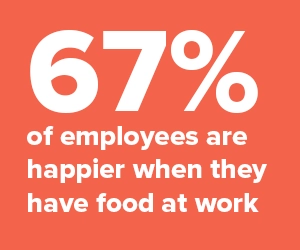
Employers are putting real money into food programs because they’ve seen what happens when people actually stick around. Food keeps employees on site longer. It gives teams a reason to gather. Research on workplace engagement keeps pointing to the same thing: shared meals build connection and improve retention. Companies care about that.
You’re not chasing foot traffic. You’re entering an ecosystem where food is already budgeted.
When you partner with a company that already serves and supports workplaces, you also get someone that helps you build your exposure. Restaurants that partner with Fooda see an average of 98,685+ impressions in their first year. That’s brand exposure to people who may never have walked past your storefront.
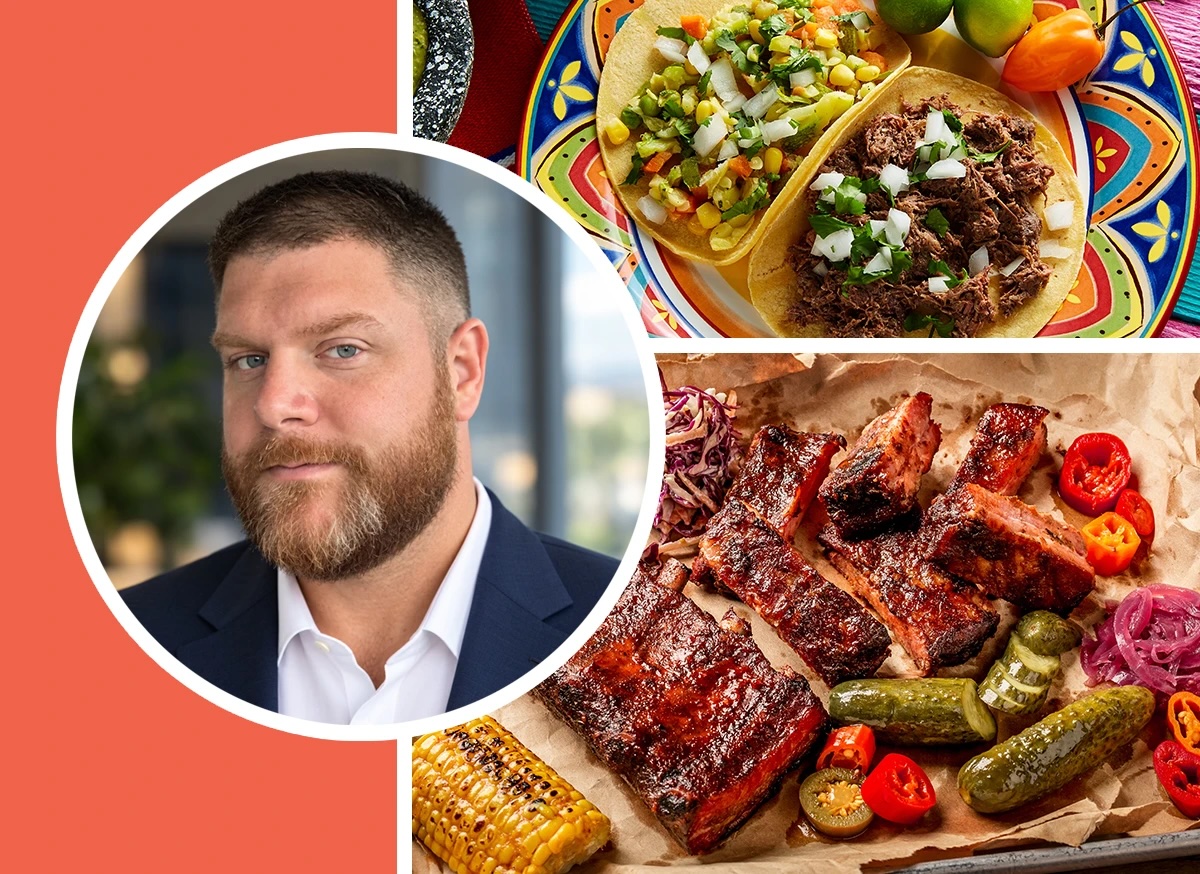
Impressions turn into sampling. Sampling turns into familiarity. Familiarity turns into off-site visits later. One BBQ restaurant increased overall business by 33% after partnering. Bibibop saw similar momentum by integrating into workplace dining programs, building weekday consistency alongside their existing retail footprint.
If you’re trying to figure out how to increase lunch sales in a restaurant, you can keep refining promotions and hoping for better traffic.
Or you can go to where lunch already happens.
These aren’t one-off catering drops. They’re structured programs designed around recurring weekday demand.
One of the extra advantages here is operational predictability. Fooda’s business tech gives partners visibility into participation, forecasting, and performance trends. On the payment side, we give employers the ability to subsidize meals and manage corporate spending cleanly. That reduces friction and increases participation.
Subsidized meals mean higher order volume. Higher order volume means more stable weekday revenue.

If you already spent months dialing in your menu mix, training your team to suggest the right add-ons, cleaning up your Google listing, and building an email list, those things don’t suddenly become irrelevant.
They just work harder when more people are touching your brand every week. When you invest in a partnership that brings your food to workplaces:
When weekday volume increases, the “stars” on your menu actually get the reps they need.
High-margin items move more frequently. Prep feels more predictable. Waste shrinks because the product turns faster. The work you did on pricing tiers or combo structure doesn’t feel theoretical anymore. You see it in the numbers.
It’s different optimizing for 200 weekday transactions versus 40.
When someone has already tried your food at work and liked it, they’re less cautious next time. They’re more open to adding a side. More open to upgrading. More open to saying yes to something they didn’t plan on ordering.
You’re not convincing a stranger. You’re building on recognition. That softens the friction that usually limits check-building tactics.
A lot of restaurants end up marketing in circles. Same social followers. Same email list. Same loyalty members.
When your brand shows up in an office building regularly, new people get exposed every week. Some of them follow you. Some sign up. Some come in later with friends or family.
Now when you send a lunch promotion or post a new special, the audience is larger than it was six months ago.
When you’re already serving inside a building, you’re not cold-calling HR about catering. They’ve tasted the food. They’ve seen your team. You’re real to them.
Corporate event catering becomes an easier conversation when trust already exists. It’s a warmer starting point when you’re building new restaurant revenue streams.
Unpredictability is exhausting. It makes scheduling harder. It makes prep harder. It makes inventory stressful.
Workplace programs create recurring weekday patterns. Not perfectly uniform, but far more consistent than hoping foot traffic shows up.
With the right reporting tools and support, you can see participation trends and adjust. That kind of visibility changes how confident you feel ordering products or posting schedules.

If your first thought is, “This sounds good, but we’re already maxed out,” that’s completely fair. Most kitchens are running tight. No one wants to bolt on a program that creates more stress.
The idea isn’t to reinvent your concept. It’s to make better use of the capacity you already have. If you can handle lunch in your own space, you’re not starting from zero. You’re just putting that same capability in front of a more consistent audience.
When does your kitchen have room? For a lot of restaurants, it’s late morning into early afternoon. Prep is already happening. Staff is already scheduled. The dining room just isn’t full enough to justify the labor.
That’s the window workplace programs plug into. If your team can execute consistent lunch service in-house, you already have most of what you need.
Workplace dining isn’t one thing.
Some restaurants participate in rotating Popup programs inside office buildings. That keeps variety high for employees and lets you test volume without committing to a permanent buildout.
Others focus on recurring office lunch catering or individual ordering programs, where weekday volume becomes predictable.
Some brands benefit from pantry or micro-market exposure that keeps their food visible throughout the day. The structure depends on your menu, your capacity, and your goals.
Any operator worth their salt asks the same question: what does this look like on a margin basis? That’s why the partnership model matters. The programs are designed with restaurants in mind, not just employers.
You get visibility into participation and performance, not just a vague promise of exposure. And on the employer side, structured subsidy programs can increase order volume without discounting your food.
If you’re curious, you can get started by talking to Fooda. Even a short conversation can clarify whether your concept is a fit.
For a lot of operators, the question isn’t whether they need growth. It’s where that growth should come from.
You can keep squeezing the same channels harder. Or you can put your food in front of thousands of people who already need lunch every weekday.
Workplace audiences tend to value variety, so there's room for a wide range of concepts. From fast-casual and BBQ to Mediterranean, Asian, Mexican, and health-forward menus. The most important factors are consistency, the ability to serve at volume during a lunch window, and food that travels or holds well. If your concept already does strong lunch service in-house, it's likely a natural fit.
Not necessarily. While proximity can help with logistics, many restaurant partners serve workplaces that aren't in their immediate neighborhood. The key is being within a reasonable distance to deliver or set up on-site without compromising food quality. During your initial conversation with Fooda, the team can help assess which locations make sense based on your geography and capacity.
In most cases, no. Workplace dining programs are designed to work within the capacity you already have. If your kitchen can handle lunch prep and execution today, you're largely equipped. Some formats - like Popup programs - may involve a team member serving on-site, but the operational lift is typically minimal compared to opening a new location or launching a full catering arm from scratch.
Timelines vary depending on the format and the number of locations you serve, but many partners begin seeing measurable volume within the first few weeks. Brand exposure builds over time - the impressions data cited in the article (nearly 100,000 in the first year) reflects a compounding effect where repeated visibility turns into habitual ordering and off-site visits.
Yes. You're not handing over your full menu and hoping for the best. Most partners curate a streamlined selection that plays to their strengths- items that are high-margin, travel well, and represent the brand. This also simplifies prep and reduces waste, since you're working with a focused set of dishes rather than your entire menu.