Updated November 18, 2026
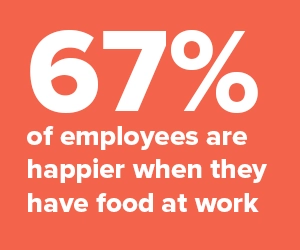
There are plenty of benefits to having food at work, with Fooda’s 2026 survey of 100+ workplace and people leaders showing that 83% believe food affects workplace culture. Workplace food programs can also save employees time and support productivity, yet one in four companies has no food program at all.
Even if you do have a program, employees are unlikely to use it if its poorly managed. This means you won’t see the ROI you should. Instead, you’ll get a cost-sink that’s difficult to justify to stakeholders.
Here are three hidden costs of not taking workplace food into consideration, and how to solve them.
In today’s busy corporate world, it’s important that employees take the time to relax and connect during the lunch hour. Yet a Korn Ferry study from 2026 found that 62% of surveyed workers believe their workloads are significantly heavier now than they were two years prior. This increased workload may be making employees less inclined to take their breaks away from their desks. As a result, employees lose valuable chances to interact.
This is especially important in the age of AI, as MyIQ found that, out of the 22,000 workers surveyed, 74% now ask AI questions they would have once asked their colleagues. With fewer casual workplace interactions come fewer opportunities to connect. If employees aren’t making up for that lost time at lunch, you risk losing the office culture you’ve worked so hard to build, and employees risk losing their sense of belonging in the workplace.
With this comes weakened loyalty, as without personal ties to coworkers, it can be more difficult to feel connected to the company’s mission. Ultimately, when your business’s community is weak, hiring, retention, and growth suffer.

Bringing food into the office with a workplace food program can create a structured connection point in employees’ days. In the workplace, shared meals give your team a chance to engage outside of the meeting room. Ideas can come up organically and new connections between colleagues can flourish. Plus, bringing team members of all tenure and rank together strengthens your business’s community.
Fooda Popup gives employees a reason to leave their desks and brings about natural socialization.
How it works:
Popup brings local restaurants to your office. Partners from our extensive restaurant network prepare food offsite and bring it in to serve during a designated window. That way, employees get restaurant-quality service without the need for too much space. Additionally, vendors handle all setup and cleanup operations, taking the logistical pressure off of your team.
This creates an experience where employees can head over to order their food together. Maybe they strike up a conversation while waiting in line and decide to eat together. Maybe they agree to meet in the kitchen at a designated time. Either way, it provides an opportunity for connection that’s sorely needed in today’s workplace.
With Popup, you choose who you want to feature, how often, and when. For instance, if your office has a hybrid working schedule, you can host a Mexican taqueria on Monday, a Chinese restaurant on Wednesday, and a Greek vendor on Thursday, and skip Tuesdays and Fridays when attendance is lower. Your menus can also include allergy and dietary options, ensuring every employee can participate and feel included.
When Marquette University first approached Fooda, they were looking for a way to supplement their current campus food program, as some of their current stations were severely underperforming. They wanted a way to introduce local restaurants into their food halls, but they struggled to find a financially viable solution.
Once Fooda brought in restaurant Popups, they saw an uptick in engagement and profits. Shortly after implementing the program, they saw a 2.5x jump in incremental profit from the new stations, all while creating a more engaging experience for students.
Quote from the client:
“We knew we needed a fresh approach to invigorate our campus dining options, and Fooda delivered beyond our expectations.” – Campus Dining Team
When employees don’t have convenient, affordable access to food in the office, they’re left with a few options, none of which are ideal:
The best way to avoid these issues is by introducing a structured workplace food program. But if employees are operating on packed schedules and fighting tight deadlines, they’re likely looking for a quick grab-and-go solution that allows them to return from their breaks on time without breaking the bank or having to spend personal time prepping meals.
The best way to avoid these issues is by introducing a structured workplace food program. But if employees are operating on packed schedules and fighting tight deadlines, they’re likely looking for a quick grab-and-go solution that allows them to return from their breaks on time without breaking the bank or having to spend personal time prepping meals.
Employees want to feel taken care of in the workplace. Office lunch deliveries from Fooda can help you provide for your team, all while giving them control over their lunches. Nobody is forced to leave the office, and everyone can order for themselves without worrying about high prices, missing orders, or unpredictable delivery times, no compromise or group consensus required.
How it works:
With Fooda Delivery, teams get access to 4-6 rotating local restaurant options each day. This virtual food hall gives them plenty of choice and variety, keeping participation high over time.
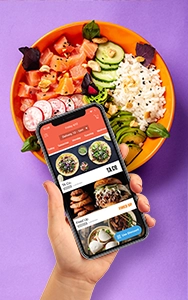
The Fooda mobile app makes ordering easy, allowing employees to explore menus, place their orders, apply their subsidies, and pay through Fooda’s point-of-sale system. They can even mix and match, ordering from multiple different restaurants at once.
Once all the orders are in, everything is delivered together in one consolidated delivery. Drivers are trained to navigate your building, meaning they won’t get caught up in security or accidentally go to the wrong place. Instead of having multiple drivers rotating in and out, you get a smooth and nondisruptive experience.
All meals are also delivered within the same time slot every time. With a 95% on-time delivery rate, you can count on Fooda to keep your team fed. This system allows your team to stay on task without having to worry about what they’re going to eat for lunch each day, boosting productivity and preventing skipped meals.
In the fast-paced world of entertainment and streaming, the employees at this leading entertainment company often didn’t have time to go out for lunch. Simultaneously, companies in the same industry have set high standards for quality, variety, and accessibility when it comes to food. In order to stay competitive, they needed a food solution that both saved employees time and appealed to their tastes and dietary needs.
That’s when they brought Fooda in. With a combination of delivery and Popup, they were able to build a workplace food program that met their needs and kept employees fed, even during busy weeks.
Quote from the client:
“It just shows that we’re constantly monitoring and making sure people are happy” - Facilities & Office Services Manager
Workplace food programs look great on paper, but if they’re not designed well, employees won’t use them, and they’ll become a cost-sink rather than an investment. These are the programs that risk being cut every time budget reviews come around.
According to PNC’s 2026 Financial Wellness in the Workplace Report, 65% of employers measure the ROI of their benefits, up from 51% the year prior. This makes it increasingly important to make sure your perks, like workplace food programs, are delivering real value rather than simply taking up space.
Even if you already have an office cafeteria, in Fooda’s experience, generic offerings, stale menus, and a lack of hospitality can decrease participation over time, no matter how appealing the program was at first.
But modern solutions, like Orange by Fooda, can restore participation, and maintain it.

With Orange by Fooda, you can turn your scarcely used dining space into a dynamic, ever-changing food hall. Rotating restaurants and hospitable service keep employees coming back, while our unique model cuts down on spending. Over time, this combination can lead to higher ROI, helping you make the case for your food program to stakeholders. That way, you can reap all the benefits with improved participation, social connection, employee satisfaction, and productivity.
How it works:
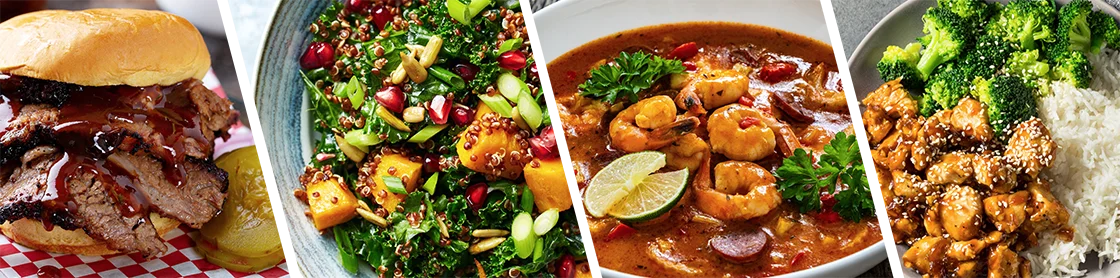
With Orange by Fooda, you get a modern evolution of the traditional legacy cafeteria model. Rather than relying on bulk ingredients and generic dishes, Orange by Fooda runs on local flavors and chef-crafted menus from real restaurants. Employees can enjoy meals from resident restaurants and rotating Popups, giving them access to the food they know and love, right in the office.
Orange also delivers a top-notch hospitality experience, with staff trained to deliver warm, friendly service every time. This creates a restaurant-quality environment that makes employees feel welcome and keeps them coming back.
Orange’s programs are completely customizable to your workplace. You can spread your cafes across multiple buildings, add specific foods that match your employees’ tastes, and create specialized, interactive experiences with seasonal events and chef-led demonstrations.
From the financial side, relying on real restaurants means Orange has lower overhead than traditional cafeteria models, as you save money on labor costs. You can also scale up and down based on attendance patterns, cutting down on food waste. This allows you to get the most out of your cafeteria space without overspending.
This large medical company needed a workplace food solution for their new location. Having worked with legacy providers in the past, they wanted something different. They were looking for a dynamic, modern cafeteria model, and that’s why they went with Orange by Fooda.
One of their main goals was to build something that would last. Orange’s rotating variety provided the ongoing participation and interest that kept employees coming back again and again.
The company also wanted a way to encourage employee connection, especially since the location was new and employees were still getting to know each other. The hospitality in the cafe made employees want to stay there to eat their meals, creating the perfect environment for valuable bonding opportunities.
By the numbers:
The costs of not having an office lunch program are often silent, but they’re highly impactful. Food can strengthen your business’s community, improve motivation, and fortify your benefits package. It’s an important investment in your employees that can either deliver ROI or drag down your bottom line with little reward.
Fooda’s flexible solutions help employers create experiences their teams can look forward to. With ongoing, personalized support, access to data and analytics, and reliable logistics, you can build a customized food program that supports culture, productivity, and sustainability.
If you’re still trying to find the right fit for your workplace, check out Fooda’s full product suite:
If you’re ready to feed morale, efficiency, and company growth, book your introduction call with the Fooda team today.
Cost depends on the model you choose and how much you subsidize. With Popup, you only pay for the number of meals employees order. Before choosing a program, align stakeholders on your anticipated budget, whether you’ll offer meal subsidies, and how often you want lunch on site.
It depends on your goals and space. Popup brings a different local restaurant into the office on the days you choose. Office Lunch Delivery gives employees 4–6 local restaurants every day, ordered through the Fooda app and delivered in one consolidated drop. Orange by Fooda is a modern cafeteria with resident restaurants and rotating Popups, served fresh onsite. Pantry Services and Corporate Event Catering can round out your program.
No. Popup partners prepare food offsite and serve it during a designated window, so you get restaurant-quality food without needing much space. Vendors also handle setup and cleanup. If you do have a cafeteria, Orange by Fooda can replace a stale legacy model with a fresher one.
ROI goes beyond money saved. It includes employee sentiment, productivity, and excitement about being in the office. Decide which metrics matter to you up front, and ask your employees what they want, since they’re the ones who will participate. Fooda also provides data and analytics to help you track results.

Wren Whitehead is a copywriter at Fooda experienced in writing and editing short and long for content. She specializes in helping companies build brand awareness and driving traffic through SEO. Her favorite part of the writing process is conducting industry research that provides readers with valuable insights into the state of the modern workplace.