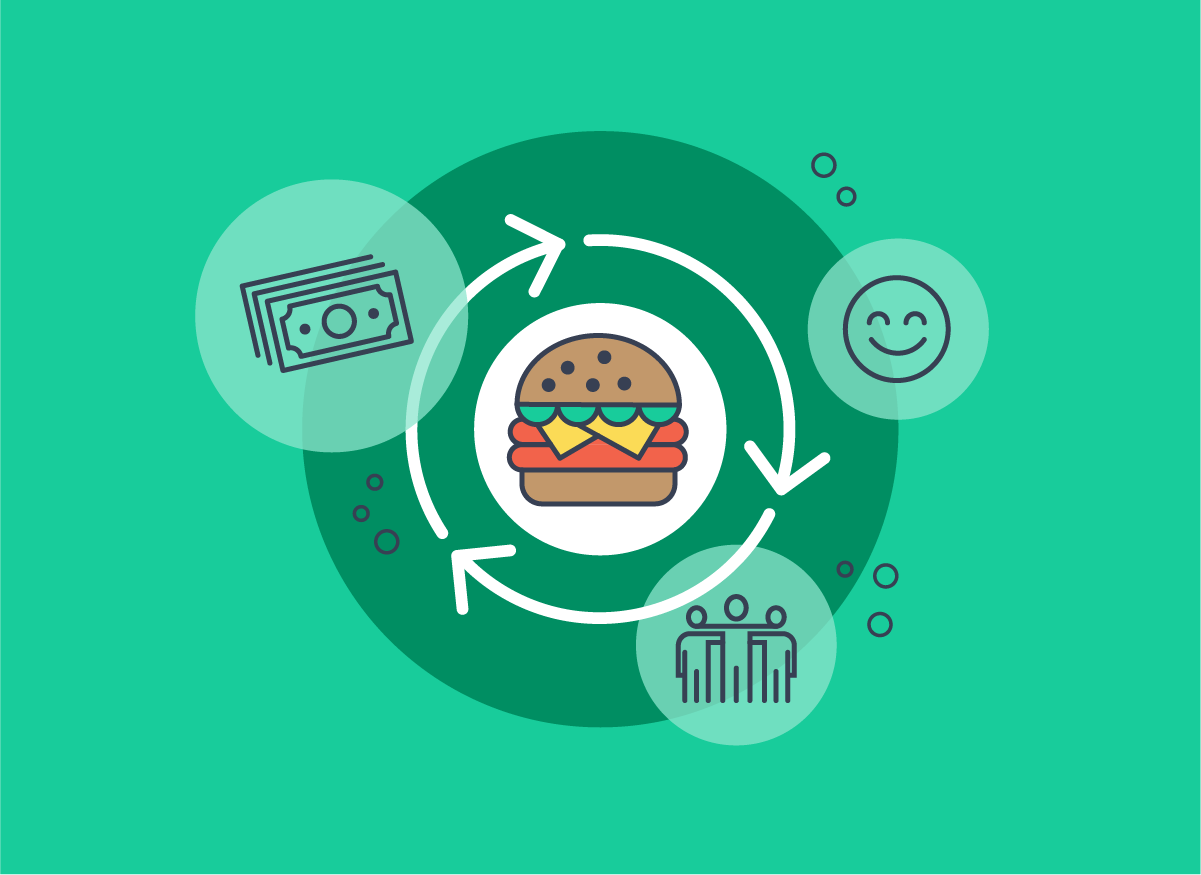
From justifying new hires or promotions to creating and launching new products, it’s hard to deny that profit is at the core of most decisions in business. When it comes to maximizing ROI across your organization, oftentimes a workplace food program is overlooked.
On top of productivity gains, offering the company wide benefit of free or subsidized meals is not as expensive as you might think and is one of the fastest ways to improve the daily experience for all employees.
When thoughtfully implemented, they tie directly to financial performance, company culture, recruitment, retention, and more. Putting out a few snacks is no longer enough to make your team feel prioritized and cared for. That's why, in this article, we’ll break down how a successful workplace food program can improve ROI and benefit your company.

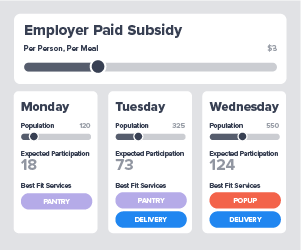
A workplace food program can look different at every company depending on their needs. For hybrid offices, you can consider a rotating Popup restaurant or delivery program. But if you have 24/7 operations, like at a hospital or manufacturing facility, a corporate cafeteria with pantry services would make more sense.
A workplace food program can be a mix of:
Modern workplace food programs are intentionally designed to support how people work today. Understanding what your options are and how to define one that meets your employee needs lays the groundwork for maximizing ROI with one.
While food costs money, it can also save money in several measurable ways. This truly is the old saying “you gotta spend money to make money” in practice.
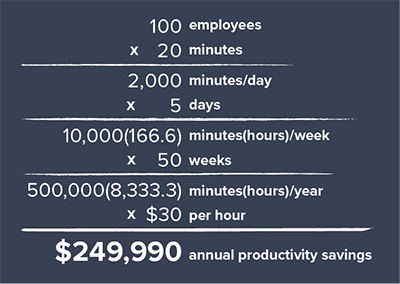
Time is money, said everyone. The same can be said for offsite time when your employee has to leave to go buy breakfast or lunch. So, one of the most concrete components of financial ROI is time saved.
Consider this:
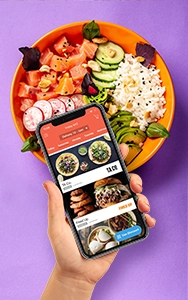
If a workplace food program brings meals from local restaurants your employees want onsite, they can reclaim a significant portion of that time.
Let’s look at a hypothetical example:
This time element is a core part of workplace food program ROI that goes beyond the price of meals. Spending the money upfront on delicious food for your team, ends up saving them time and improves overall productivity at the end of the day.
If you’re offering food already and running a large program, you know that staffing a full cafeteria is expensive and can lead to admins spending all their time sorting out logistical nightmares.
Oftentimes, you’re juggling:
When you find the right food service management partner, having a structured food program that is customized for your space and people is straightforward. This frees up HR and office admin teams to focus on important efforts like recruitment and retention.
Nothing causes more anxiety about budget planning when you don’t have any idea what the cost will be. If you’re offering a lunch perk and want to better control the costs, modern food programs allow organizations to:
When you know exactly how much you’ll be spending throughout the year, it’s easier to make necessary adjustments and get the highest possible return.
You might not be able to track cultural ROI on a traditional P&L, but it is something you can measure, and food plays a large role.
Employee perks don’t have to break the bank. Usefulness matters more than flashiness.
Data shows that 67% of employees report being happier when their company offers food at work. That happiness correlates to stronger in-person engagement and satisfaction with the company. When you value your employees, they can feel it and will have a hard time letting go of the value their workplace provides them.
Unlike one-off events or annual celebrations, food touches employees every day. It saves them time in their already busy morning and puts money back in their pocket.

Food naturally brings people together. Have you ever been in the office kitchen, laying out the catering, and all of a sudden you look up and you’re surrounded by expectant diners? That’s the corporate equivalent of that cartoon guy following the scent of a pie cooling on a window. Where there is food, the people shall gather.
At work, shared meals and casual lunchtime conversations contribute to:
These everyday interactions reinforce a positive workplace culture and help cultivate community outside of people’s specific teams. You get to know people who you otherwise wouldn’t necessarily get to spend time with and that is valuable for creating a great work culture.
Hybrid work brings flexibility but it can also bring fragmentation. In hybrid environments, culture is often strongest when there are shared experiences.
Workplace food programs help anchor in-office days with predictable, enjoyable touchpoints. When employees know that food will be available on certain days, it gives them a reason to schedule collaboration and plan meaningful in-office interactions.
In that way, food supports cultural cohesion and strengthens team dynamics, both key components of positive workplace food program ROI.
If you’re planning on growing your team and more importantly, keeping the amazing employees you do have, creating a workplace food program is essential to keep you competitive in an already tough market. Food has a surprising ability to influence new talent and keep them around.
Job seekers evaluate companies on more than just salary and healthcare benefits. While those factors are important, so are day-to-day experiences. If the vibes are off, top talent is likely to look elsewhere. Workplace food programs often show up on lists of highly valued employee benefits, especially among younger people entering the workforce.
The presence of a reliable, thoughtful food program signals that an employer is attentive to employee well-being. That perception can be the difference between securing a great candidate or letting them go to a competitor that values their time and needs.
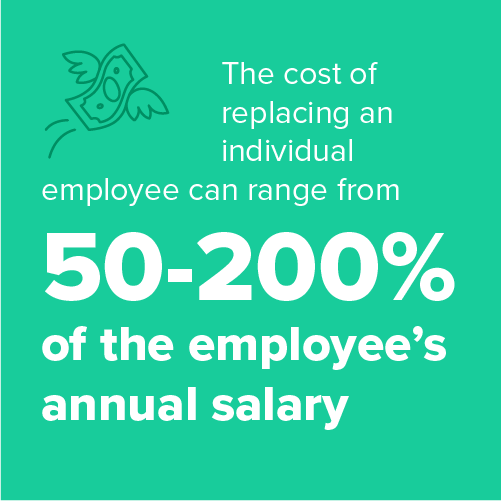
Losing an employee is expensive. Replacing an employee can cost 50%–200% of their annual salary, depending on role and seniority. It also takes a toll on morale when a valuable member of the team leaves.
Retention isn’t determined by one thing - it’s a series of elements that make up a great work experience. Many of those things are everyday kindnesses, understanding, and conveniences such as food.
A food program that consistently delivers quality meals and removes lunchtime chaos contributes to employee satisfaction in small but meaningful ways that compound over time.
When daily life at work feels easier and more enjoyable, employees are more likely to stick around and give their best effort.
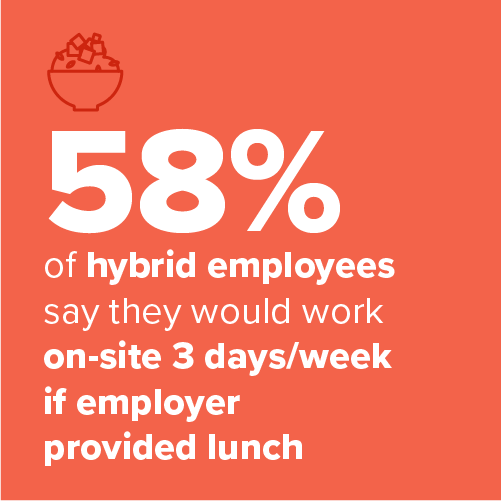
Food programs also influence workplace attendance. In a hybrid workplace, employees will often schedule their week around the office food offerings. If you ever need to test this theory, release the weekly food schedule and see how quickly the desks get booked up on those days!
Organizations with food offerings often see:
With a workplace food program at the forefront, office attendance will inevitably increase. These behavioral changes will improve utilization of office space and strengthen internal collaboration, resulting in new ideas that drive revenue.
We can talk until we’re blue in the face about the ROI of workplace food programs but wouldn’t it be better if we gathered some metrics to evaluate and communicate outcomes?
There’s no leadership team in the world who doesn’t love data so we’ve gathered some ideas on some metrics you can capture to prove your workplace food program ROI.
When calculating workplace food program ROI, consider tracking:
By linking food program activity to changes in these areas, organizations can construct a clear ROI narrative that resonates with stakeholders across HR, finance, and leadership teams.
Workplace food programs often sit at the intersection of several organizational priorities:
Aligning outcomes with company goals increases the likelihood that food programs will be seen as strategic investments rather than expensive perks.

Workplace food program ROI is built through consistent, high-impact experiences that improve how employees spend their time at work. When thoughtfully designed, workplace dining supports productivity, strengthens culture, and contributes to recruitment and retention outcomes while creating everyday value employees actually use.
The strongest ROI does not come from expensive or overly complex initiatives. It comes from practical programs that remove friction from the workday, encourage connection, and make time in the office more meaningful. From reclaimed productivity to improved employee satisfaction, workplace food programs deliver returns that extend well beyond the cost of meals.
For organizations looking to maximize workplace food program ROI, Fooda helps turn workplace dining into a strategic investment. With flexible, scalable solutions and data-driven insights, Fooda makes it easier to deliver food programs that support productivity, culture, and long-term business outcomes.
Contact Fooda to learn how a modern workplace food program can help your organization drive measurable ROI, one meal at a time.