The aerospace sector has a talent problem. Demand for skilled engineers is at historic highs, with even the giants of the industry struggling to attract the next generation of innovators, designers, and subject matter experts. Aerospace recruiting is no longer just about offering the highest compensation package as today’s workforce is looking for much more than a steady paycheck. They want real opportunities, meaningful work, and employers that understand the value of work-life balance.
This represents a substantial cultural shift for most aerospace companies. It's also an urgent issue, as the looming retirement of older workers threatens to leave many of today's most successful firms with massive gaps in both institutional knowledge and practical experience. Current estimates suggest that roughly one-third of today's aerospace workforce is nearing retirement, putting further pressure on aerospace recruiting.
The competitive risks of this "retirement bubble" are very real, making the need for new aerospace talent solutions an existential issue for the entire sector. At the same time, the old incentive packages that worked well for baby boomer and millennial workers are far less appealing to Generation Z's brightest engineering minds.
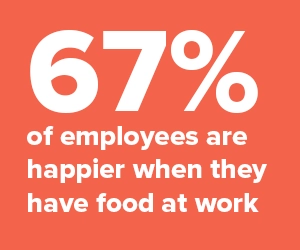
So what does the Gen Z aerospace workforce care about? Recent hiring trends suggest that common sense perks, like free meal programs, may be the key to convincing the next wave of aerospace talent.
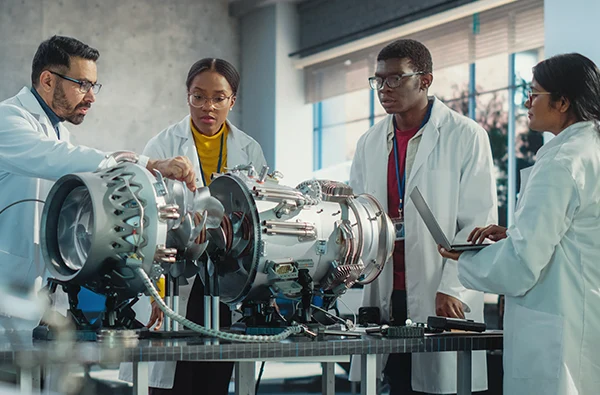
The aerospace and defense (A&D) sector is experiencing a historic boom, driven by rapid changes in both domestic demand and shifting military priorities. High demand for engineers has forced companies throughout the industry to consider new aerospace talent solutions, as younger engineers have no shortage of employment options.
The incoming aerospace workforce also brings more to the table than simply technical competence. As true digital natives, they offer aerospace companies a window into the innovations that will fuel future product design and marketplace demand. While established talent may prefer a more iterative approach, for example, Gen Z engineers often favor innovative and experimental solutions. Younger workers are also more familiar with AI-based workflows, and tend to have a more collaborative mindset than their older peers.
To attract these younger workers, aerospace recruiting efforts can no longer rely on the status quo. Competitive salary offers are no longer enough, and even benefits packages that would once have been seen as generous increasingly look like table stakes in the hiring game.
What will make the difference? One obvious answer is job perks that improve the daily work experience. Employee meal programs are increasingly viewed as a practical recruiting tool. For aerospace companies competing for specialized engineering talent, subsidized workplace dining can differentiate an employer without permanently increasing fixed compensation costs.
Consider the benefits of free and subsidized meal programs. Not only do these programs allow workers to save money (around $100 a week according to industry estimates), but they also eliminate the daily hassle of picking up their own lunch. For an entire generation that sees app-based food delivery as an essential part of modern life, this can be a surprisingly compelling perk.
In fact, when applied as part of a comprehensive benefits package, meal-based perks may provide aerospace companies with outsized results as they recruit a younger, highly skilled workforce.
The A&D industry has a well-earned reputation for producing cutting-edge products, helping to ensure both national security and commercial success. At the same time, aerospace companies are still subject to the same changing cultural trends and social expectations as any major employer. A clear example of this is the reluctance of many workers to embrace return-to-office (RTO) policies, even as the dangers of the pandemic fade.
The high demand for skilled and experienced engineers has placed many companies in a tough spot, particularly if their customer work must be done on site for practical or security reasons. This can place these companies in a tricky situation, potentially losing talent to competitors that offer more workplace flexibility.
Meal-based incentive programs provide aerospace companies with a compelling counteroffer. While they may not be able to offer full-time remote work, they can make return-to-office policies more appealing by brightening the onsite experience. Commuting becomes more manageable when employees know a high-quality meal awaits them onsite.
There are also important social and cultural factors. According to a recent study, workers who feel connected to their workplace community are 66% more likely to stay with their organization long-term. Workers who share meals together also tend to have much stronger bonds, often extending beyond their immediate coworkers and teams. This is particularly helpful in the aerospace industry, where mentoring is essential for passing institutional knowledge to the next generation.
Simply providing catered meals to onsite workers can result in a sense of workplace community, where real friendships and collaborations can form. Making it a cost-effective addition to a broader aerospace retention strategy.
As the A&D industry adapts to the expectations of a new generation of engineering talent, it's worth considering the bigger picture. What professional, cultural, and social priorities do these younger workers bring with them?
These expectations are by no means limited to new workers. In fact, by implementing strategies designed to attract new talent, many aerospace companies have seen significant improvements to their retention rates.
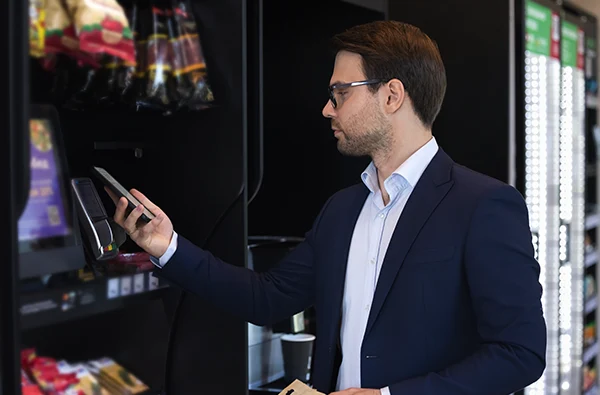
It's almost impossible to overstate the impact that Gen Z will have on the aerospace workforce. Unlike millennials and older workers, Gen Z employees expect convenience, flexibility and technology integration in nearly every aspect of daily life. That expectation extends to the workplace.
This presents a challenge for aerospace companies looking to identify the right incentives for attracting Gen Z talent. Most of their competition can offer competitive pay and benefit packages, and perks like fitness centers and flex time are already standard. What other solutions will help them attract top aerospace talent?
Food is a great place to start. Everyone needs to eat, and Gen Z workers tend to spend far more money on food delivery than older generations. An employer-subsidized, app-based meal program is an incentive they can fully appreciate. Employee meal programs designed for Gen Z workers often include mobile ordering, rotating vendors and options for diverse needs.
Younger workers also tend to crave variety in their meals, making programs like onsite restaurant Popups very effective. These programs can also provide a more relaxed setting for workers to socialize over a shared meal, enhancing the collaborative workplace experience that many younger employees prefer.
For aerospace companies, one of the biggest advantages of food-based perk programs is flexibility. Existing cafeteria programs can be easily upgraded to a more modern style, while resources like workplace food pantries can provide busy teams with convenient access to high-quality coffee, grab-and-go meals, beverages, and pantry snacks.
While food-based solutions are by no means the only perks that Gen Z aerospace engineers care about, the value of these programs is instantly obvious to a potential hire. It shows that the company wants to make it as easy as possible for them to focus on doing innovative work.
There has never been more competition for talent among aerospace companies. From well-funded engineering startups to established A&D giants, everyone is looking to attract the brightest minds and most skilled designers. The stakes also couldn't be higher, as the innovations they create will reshape the modern world.
The good news is that even the rising stars of tomorrow still have to eat. It's worth partnering with a team that specializes in developing bespoke, meal-based solutions for attracting and retaining talent. That's where Fooda comes in.
For more than 15 years, Fooda has used cutting-edge technology to provide convenient and affordable onsite food services to customers throughout the country. We're no strangers to the aerospace industry, and we've also created cost-effective onsite dining solutions for hospitals, universities, military posts, government buildings, and corporate locations of all sizes.
No matter your company’s workplace dining needs, Fooda can help.
Ready to see what Fooda can do for your organization? Talk to our team to see how a Fooda employee meal program can improve hiring results, boost retention, and enhance your company culture.
Yes, and it's a common consideration in the aerospace and defense sector. Vendors like Fooda can work within access-restricted environments, coordinating with facility security teams on credentialing, delivery protocols, and approved entry points. Programs are designed to adapt to the site requirements of the employer, not the other way around.
The most direct signals are program participation rates over time, voluntary turnover rates before and after implementation, and exit interview data (ask specifically about workplace experience and perks). Internally, pulse surveys that ask employees how valued they feel at work, tracked alongside food program adoption, can show correlation. Some companies also track cost-per-retained-employee and compare it against the fully-loaded cost of turnover - by that measure, even modest retention improvements tend to make the program cost-positive.
Traditional cafeteria catering typically involves a fixed vendor, a set menu, and a dedicated on-site kitchen - a significant infrastructure investment with limited flexibility. Popup programs bring rotating restaurant partners into the office on a scheduled basis, with menus changing daily or weekly. There's no kitchen build-out required, food is fresh, variety is built into the model, and the program is far easier to scale up or down as headcount changes. For aerospace companies that don’t have a large campus or operate across multiple sites, the Popup model tends to be more practical.