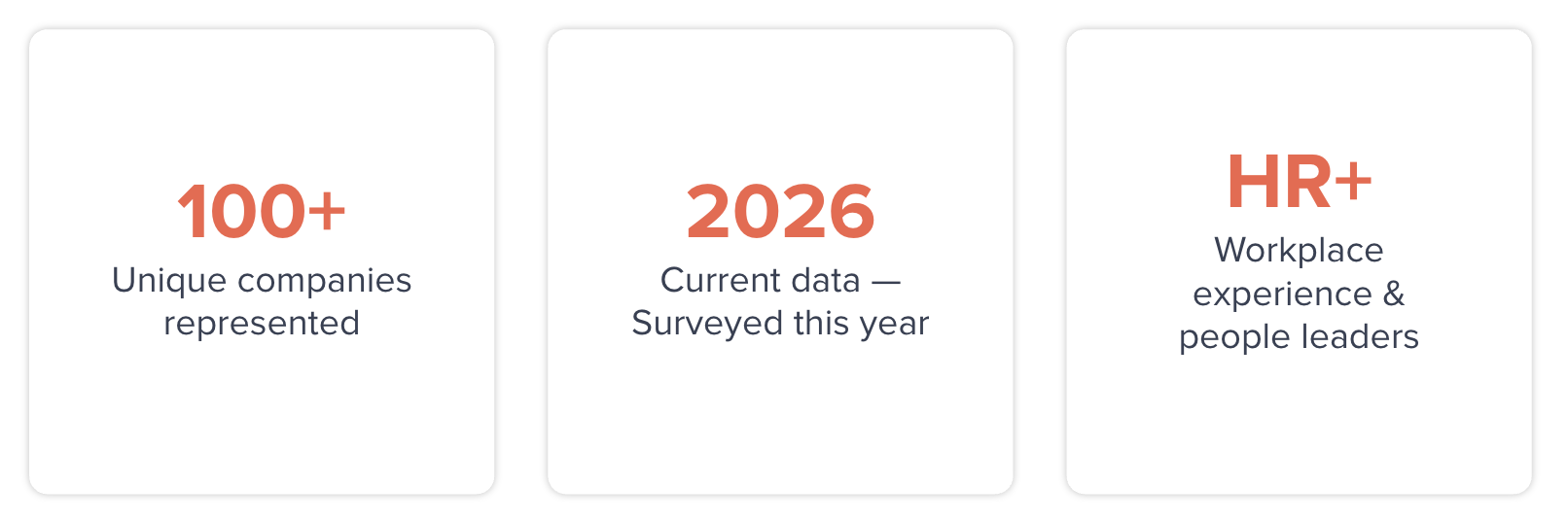
In May 2026, Fooda surveyed workplace experience and people leaders from more than 100 companies about how lunch behaviors are shifting and what role food plays in workplace culture. The findings showed a gap between what leaders believe and what their programs actually reflect.
The clearest finding from our survey is also the most noteworthy. 83% of workplace and people leaders say food has a moderate to significant impact on workplace culture. Yet one in three companies reported having no food program at all. Only 10% described their program as experience-driven.
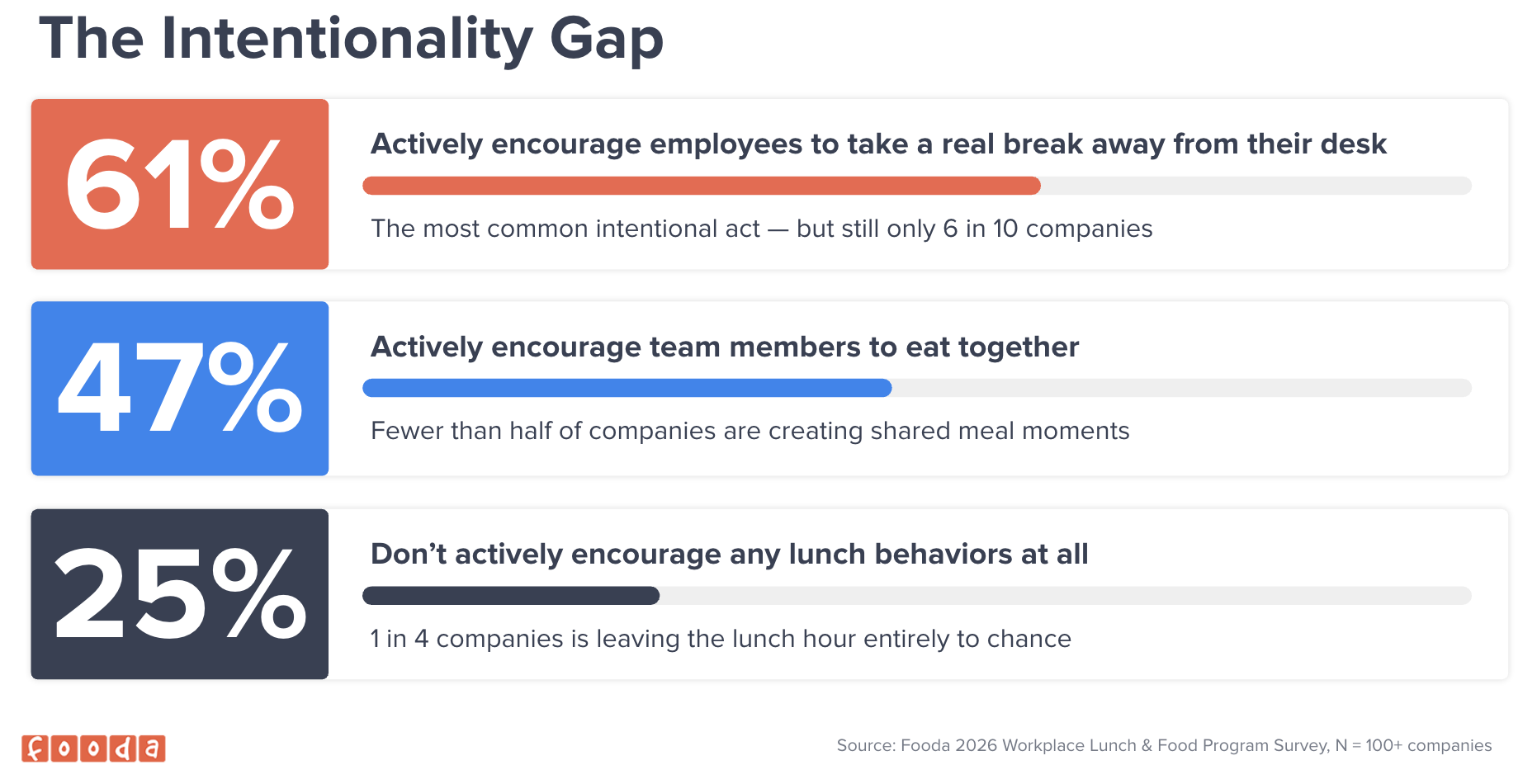
Even among companies with food programs, there is a meaningful gap in how intentional they are about the lunch hour. 61% of leaders say they actively encourage employees to take a real break away from their desk. Fewer than half, 47%, encourage team members to eat together. And 25% say they do not actively encourage any specific lunch behaviors at all.
Two findings stood out when we asked about what matters in a food program.
On variety: 80% of leaders say variety is important or extremely important in their food program. 30% want some consistency with regular rotation. 25% say employees expect frequent change. Programs that serve the same thing every week are behind.
On local: nearly 90% say supporting local restaurants is important, extremely important, or at minimum a nice to have. Only 9% say it is not a priority. That is near-universal agreement, yet most food programs do not reflect it.
The most effective programs we see are built around flexibility and choice. For hybrid teams especially, a single service not always enough. A combination of Popup restaurants and group order delivery addresses what our survey data keeps surfacing: employees do not all decide how they want lunch the same way.
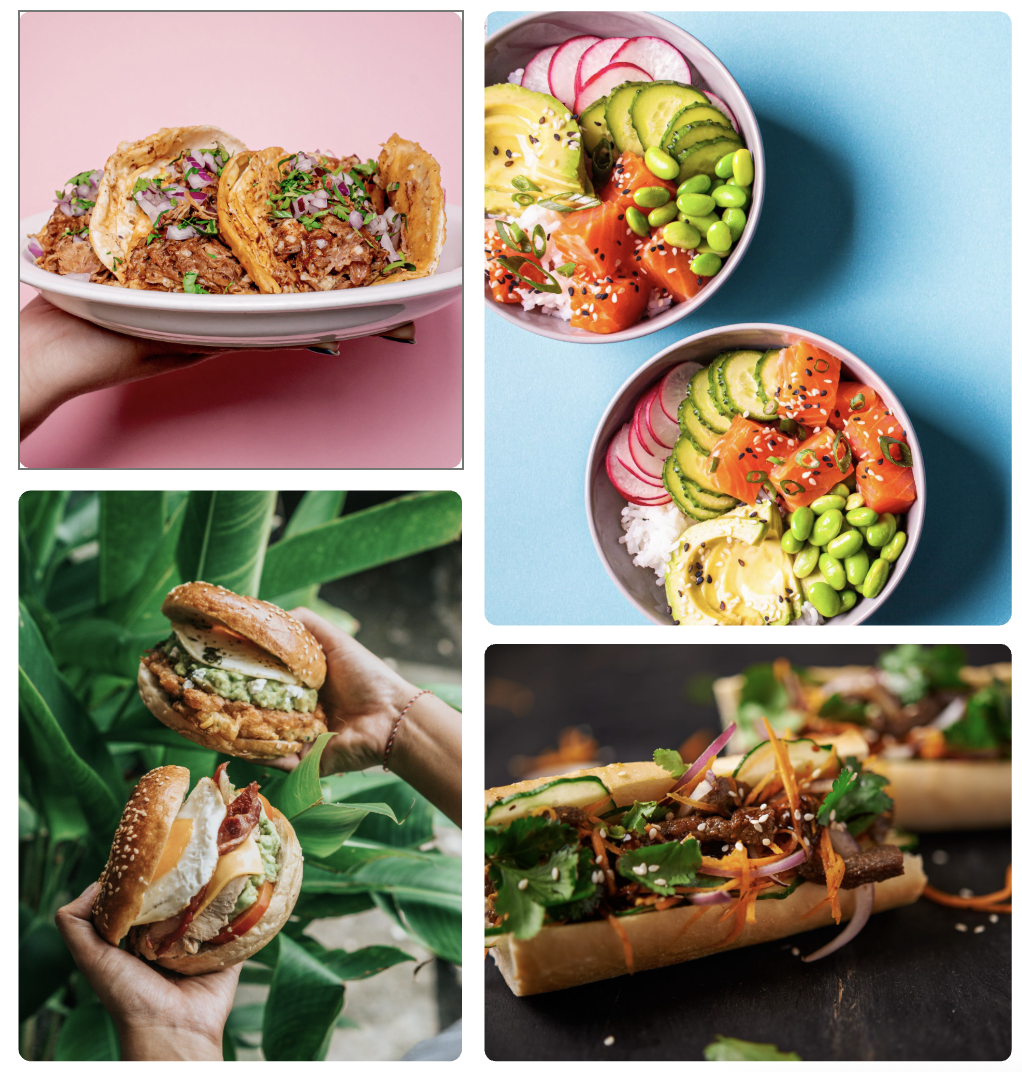
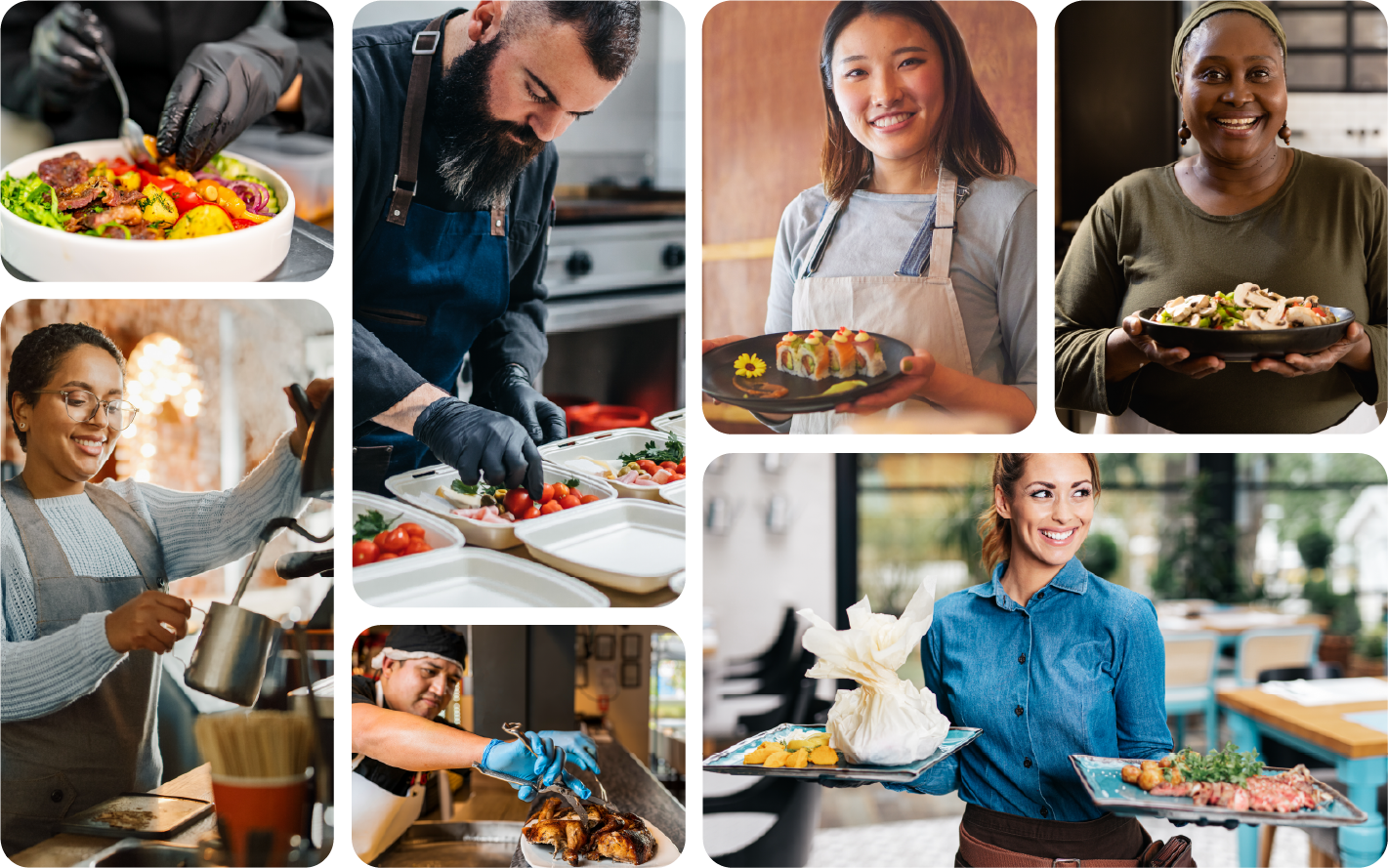
Popup restaurants bring local guest restaurants onsite during mealtimes, with no infrastructure required. Employees walk up and choose. Delivery allows employees to order individually from local restaurants by a set cutoff, with all orders arriving together and dramatically lower fees than one-off delivery. Together, the two services give planners and day-of deciders both a way to participate.
A leading entertainment company in Burbank put this into practice. Facing high employee expectations in a competitive LA food market, they implemented a combined Popup and delivery program. As their Facilities and Office Services Manager put it: "The Popup and the delivery -- it hits a lot of different meal and dietary preferences."
One dimension of workplace food programs that often goes unnoticed is their community impact. When a food program runs through Fooda, 100% of it supports locally owned businesses. More than 75 cents of every dollar spent flows directly back to the local restaurant owner, paid out weekly. Over 57% of Fooda restaurant partners are minority-owned. Over 42% are women-owned.
A food program is not just an employee benefit. It is a documented act of local investment.
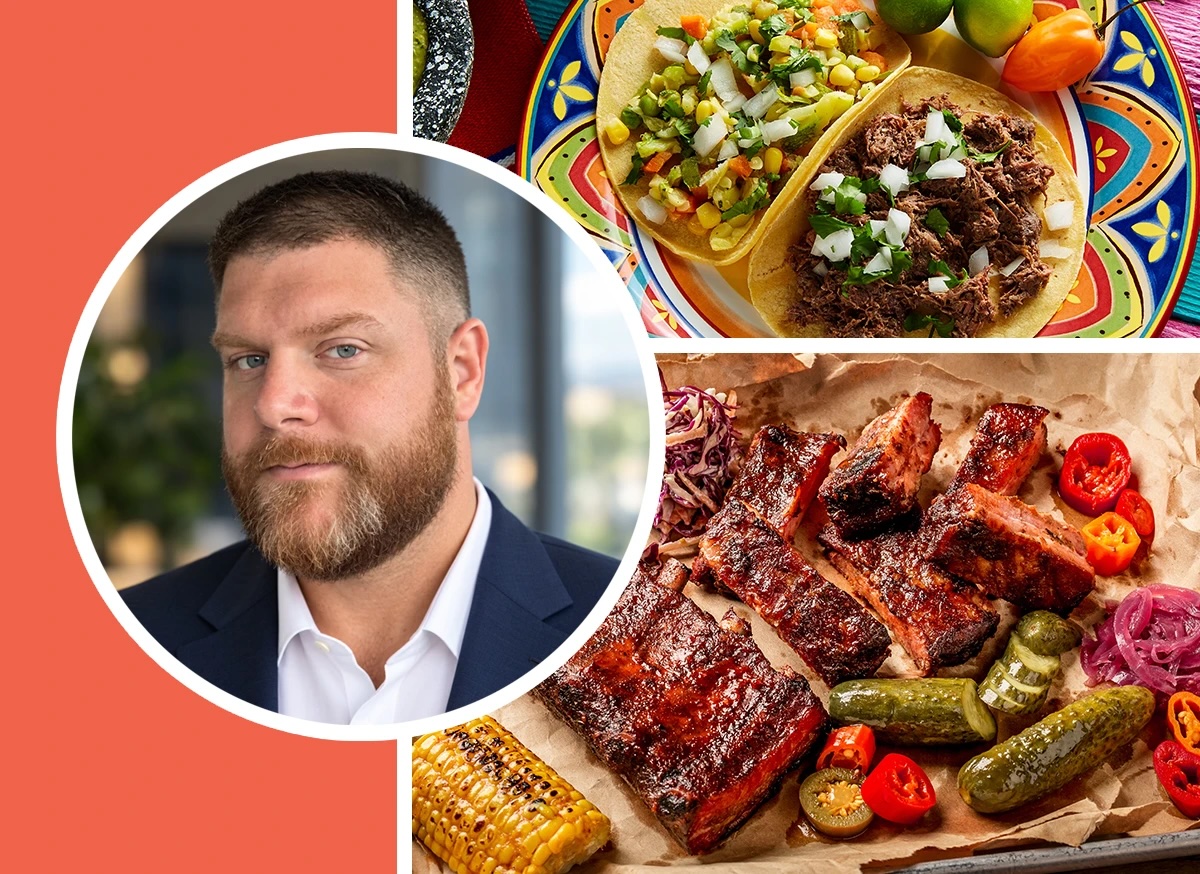
The findings above are drawn from our live webinar, The State of Workplace Food Programs and Lunch Behaviors in 2026, hosted by Fooda founding team member Dustin Lasky and VP of Marketing Stafford McKay. The full recording, including audience Q&A, is available to watch now. Watch the recording here.
If you want to explore what a food program could look like for your workplace, the Fooda program calculator lets you toggle your employer subsidy and daily population to see which services make the most sense. Design your food program here.