Washington, D.C. is best known for its monuments, museums, and political landmarks. Look a little closer, though, and you'll find a food scene shaped by the mix of immigrant communities and regional influences that give D.C. a flavor of its own.
From iconic local dishes to the city's rich international influences, D.C.'s food culture reflects the communities and traditions that have shaped it over time. Whether you're planning a visit or simply curious about what makes Washington, D.C.'s dining scene unique, this guide explores the local flavors that define the city.
Washington, D.C.'s food scene is shaped by many things. Its location near the Chesapeake Bay has made seafood a long-standing part of local dining, while neighborhoods across the city reflect decades of immigration and cultural exchange.
You can taste that mix all over the city. A half-smoke loaded with chili at a late-night counter, mumbo sauce drizzled over takeout wings, steamed blue crab seasoned with Old Bay and cracked open at the booth, and Ethiopian injera shared at tables, all sit within the same city. When looked at together, these dishes create a food scene that's easy to overlook, but hard to forget once you've tasted your way around it.
Across Washington, D.C., a handful of dishes show up again and again in everyday dining, from neighborhood carryout counters to long-standing local spots. These are the meals locals grow up with and keep coming back to.
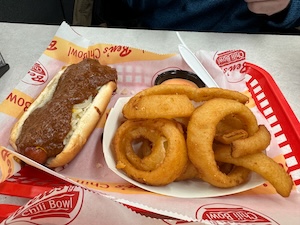
The half-smoke is one of Washington, D.C.'s most iconic local dishes: a smoked sausage that's typically served in a hot dog bun and topped with chili, onions, and mustard. It's a simple dish that has become deeply tied to the city's identity.
It’s the kind of food you’ll usually find at casual counters and late-night spots rather than sit-down restaurants, and it’s often eaten quickly at the counter or wrapped up to go. The point is about being consistent rather than being extravagant. It’s a straightforward, satisfying meal.
Much of that reputation comes from Ben's Chili Bowl, a landmark restaurant on U Street that has been serving half-smokes since 1958. Over the decades, it has become a neighborhood staple. It's a go-to spot that helped turn a local specialty into a defining symbol of D.C. food culture.
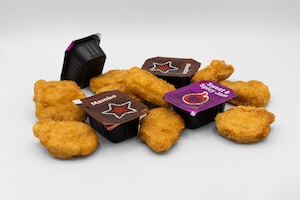
Mumbo sauce is a unique D.C. sauce most often found on wings, fried chicken, and fries. It's slightly sweet, tangy, and spicy, and it's closely tied to the city's carryout culture.
You’ll usually come across it in carryout spots and neighborhood takeout restaurants, where it’s used by default rather than as an optional condiment. For many locals, it shows up as part of the order itself without needing to ask for it.
While different restaurants make it their own, mumbo sauce remains a distinctly local flavor that many locals grew up with and still associate with everyday takeout meals.
Chesapeake blue crab is one of the most important regional dishes shaping Washington's seafood traditions. Steamed or cracked at the table, often seasoned with Old Bay, it's a staple of summer dining.
In D.C., eating blue crab is often a social, hands-on experience, whether at casual seafood spots or during seasonal crab feasts where tables are covered in newspaper and mallets. It’s a dish that’s as much about the ritual as it is about the flavor.
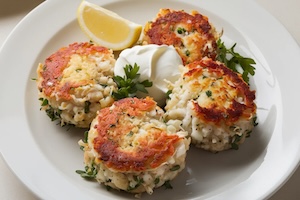
Crab cakes are also a local favorite, reflecting the city's close connection to the Chesapeake Bay and its long-standing seafood culture.
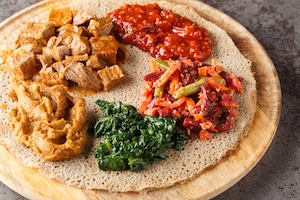
One of the most defining things about Washington, D.C.'s food landscape is its Ethiopian community, centered around 18th Street NW. The area is known for its concentration of Ethiopian restaurants, where dishes like injera, wat, and shared platters are part of a shared dining tradition.
Meals are typically served family-style and eaten by hand with injera instead of utensils, which makes the experience feel shared and social. Restaurants in this corridor often stay busy late into the night, especially on weekends, showing how Ethiopian food has become an everyday staple of the city's food scene and not just something people seek out on special occasions.
Few cuisines are as closely tied to Washington, D.C. as Ethiopian food. It's become part of the city's everyday food culture, with D.C. being one of the largest Ethiopian dining hubs in the United States.
Washington, D.C.'s food culture didn't take shape in one single place. It grew across neighborhoods shaped by immigration, culture, and long-standing community life. Each area of the city reflects a different facet of how people eat, gather, and build daily food traditions.
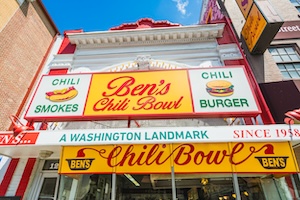
U Street has long been one of the cultural centers of Washington, D.C., historically known as a hub of African American life in the city. By the early 1900s, it became a center for music, nightlife, and community institutions, earning a reputation as “Black Broadway” and shaping much of the city’s cultural identity.
That legacy is still visible in the neighborhood's restaurants and carryout counters, where food has long been part of everyday community life. Walk down the corridor today and you'll still find classic D.C. carryout spots serving food late into the night, often alongside long-standing neighborhood restaurants that have been around for decades.
It has shaped the way people eat around the city with meals picked up on the way home, shared after events, or grabbed late at night after the city slows down. It’s also where the half-smoke became one of the city’s most recognizable dishes, reflective of the corridor’s history and everyday routine.
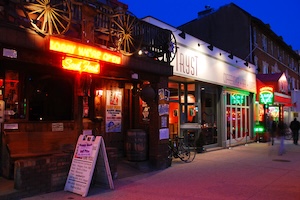
Adams Morgan tells the story of how Ethiopian immigrants helped shape one of Washington, D.C.'s most recognizable food neighborhoods. Beginning in the 70s and 80s, Ethiopian families started to settle in the area and opened restaurants, grocery stores, and small businesses along 18th Street NW.
Over time, those openings turned the corridor into the city’s best-known destination for Ethiopian food. Many of those spots have been part of the neighborhood for decades, giving the area a sense of long-standing presence that newer dining districts don’t always have.
What makes Adams Morgan stand out is the way Ethiopian restaurants became part of the neighborhood’s identity. Long-running restaurants still anchor the corridor, serving injera, stews, and shared platters that make the neighborhood one of the city’s most recognizable dining destinations.
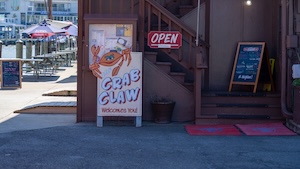
The Chesapeake Bay is the largest estuary in the United States, stretching across Maryland and Virginia just outside Washington, D.C. While the city itself isn’t on the coast, its food culture has long been shaped by its access to the Bay and the surrounding Mid-Atlantic region.
For decades, that connection has shown up in how seafood moves into the city, especially blue crab, which has long been part of everyday dining across the region. In Washington, it’s often served steamed and heavily seasoned, typically brought to the table in a way that invites sharing rather than formality.
That ongoing link to the Chesapeake has made seafood feel like part of everyday dining in D.C. It’s a reminder that Washington’s food identity has always been shaped as much by its surroundings as by the city itself.
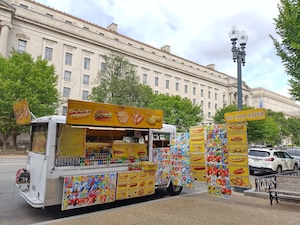
Beyond specific neighborhoods, one of the most defining traditions of Washington, D.C.'s food culture is its carryout culture. Small, independently owned restaurants are spread throughout the city, serving quick, affordable meals that have become part of daily routines. In a city shaped by government offices, law firms, nonprofits, and long workdays, these places have always filled a practical need: fast lunch breaks, long meetings, and easy dinners on late nights.
These spots shape the way people in a rush eat across the city. The menus often overlap from place to place: fried chicken, wings, fries, and sandwiches, often finished with sauces like mumbo or served alongside classic D.C. staples. That consistency is part of what makes them so recognizable across the city, especially for office workers looking for something reliable and close by.
What ties them together is a shared way of eating. Carryout is so common in D.C. because the city runs on long office hours and varied commuting patterns. These spots have found a way to work themselves into that unique routine.
Washington, D.C.'s food scene is shaped by its neighborhoods, regional traditions, and a strong sense of local identity, but most workplace food programs don’t reflect that variety day to day.
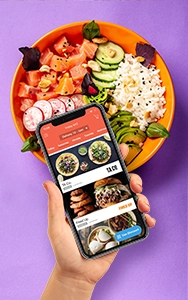
Fooda helps bring that local food scene into the workplace by partnering with an extensive network of local restaurants across Washington, D.C. Instead of relying on a single vendor or fixed menu, employees get access to rotating local restaurants without leaving the office.
By offering a wide range of flexible workplace dining options, Fooda helps companies in D.C. build a program based on their team’s needs, office schedule, and attendance patterns. Some services Fooda offers include:
Across all programs, Fooda manages logistics, coordination, and restaurant partnerships, so companies can offer local dining options without the operational overhead.
Ready to create a workplace dining program that fits your team’s needs? Talk to a Fooda expert today to build a flexible workplace food program for your Washington D.C. office.
Does Washington, D.C. have an official city dish?
Not officially, but the half-smoke comes closest to an unofficial title, since locals and food writers consistently point to it as the dish most associated with the city.
Are there food halls in D.C., and how are they different from carryout spots?
Yes. Union Market in NoMa is the best known, alongside others like The Block at City Center. Unlike single-counter carryout spots, food halls bring multiple independent vendors under one roof, letting people sample several cuisines in one visit rather than committing to one restaurant.
Why does D.C. have such a wide range of embassy-linked or international cuisine beyond Ethiopian food?
As the seat of the federal government, D.C. hosts more foreign embassies than almost any other U.S. city, and many diplomats and embassy staff have settled in specific neighborhoods over decades. That's part of why the city has deep pockets of Vietnamese, Peruvian, West African, and other international food, not just Ethiopian.
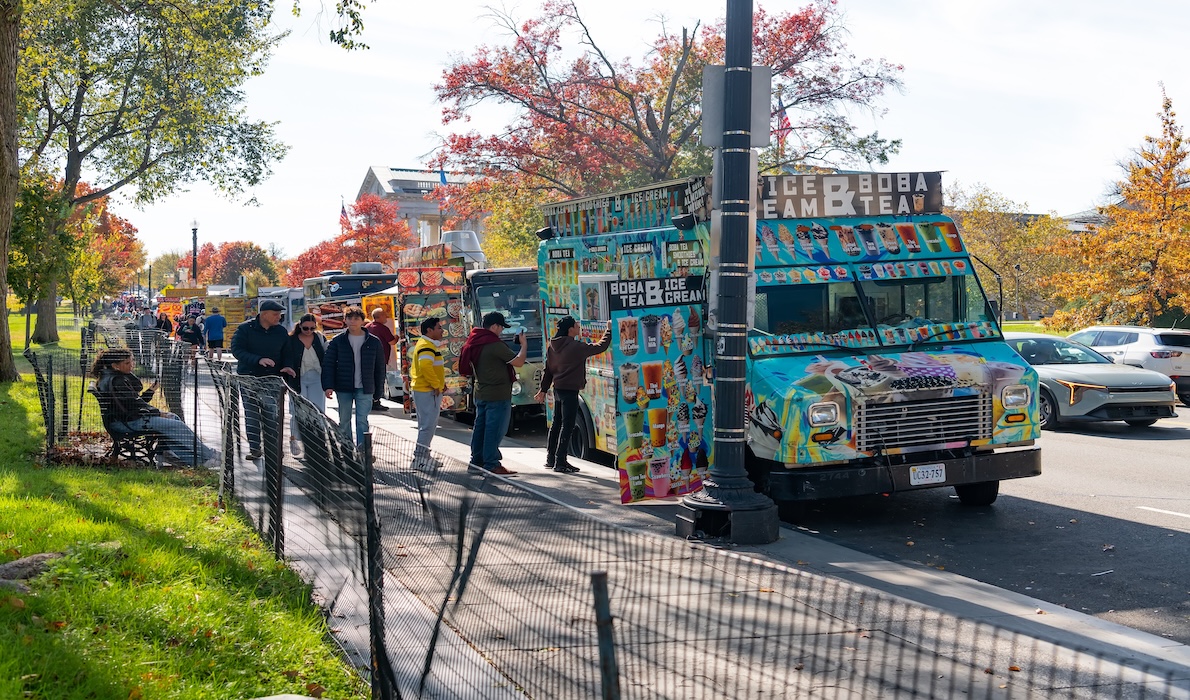
Is there a strong food truck culture in D.C.?
Yes. Food trucks became especially popular starting in the early 2010s, clustering around federal office buildings during weekday lunch hours. They reflect the same office-driven dining patterns as the city's carryout culture, just on wheels instead of behind a counter.
Does D.C. have a notable craft beer or cocktail scene?
Yes. D.C.'s craft brewery and cocktail bar scene grew significantly starting in the 2010s, partly fueled by changes to local alcohol licensing laws that made it easier for small producers to open tasting rooms and breweries within the city itself.