Hybrid work makes up a majority of the workforce today. This has not only changed where people work, but also how culture spreads, how leaders reinforce values, and how employees experience the company day to day. If you're trying to figure out how to change company culture in 2026, you need a deliberate approach that works whether someone is sitting in a conference room or logging on from home.
This post breaks down the specific hybrid work challenges that make culture change harder, and lays out a practical framework for making change anyway.
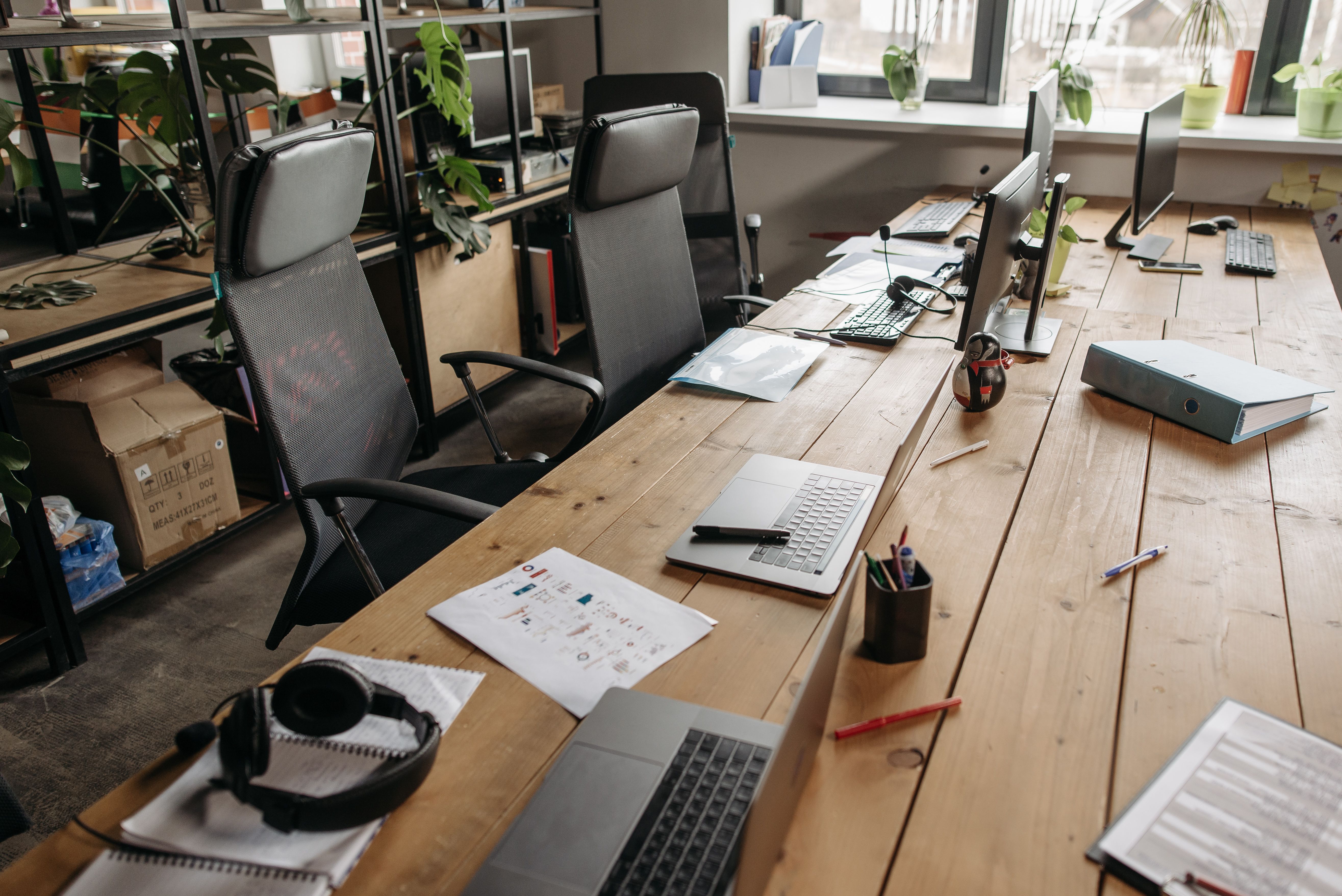
Company culture spreads in many different ways. From the body language in a room to the energy of a shared space, culture can be found in all places throughout the office. Hybrid work removes many of those cultural avenues, leaving company culture to dwindle.
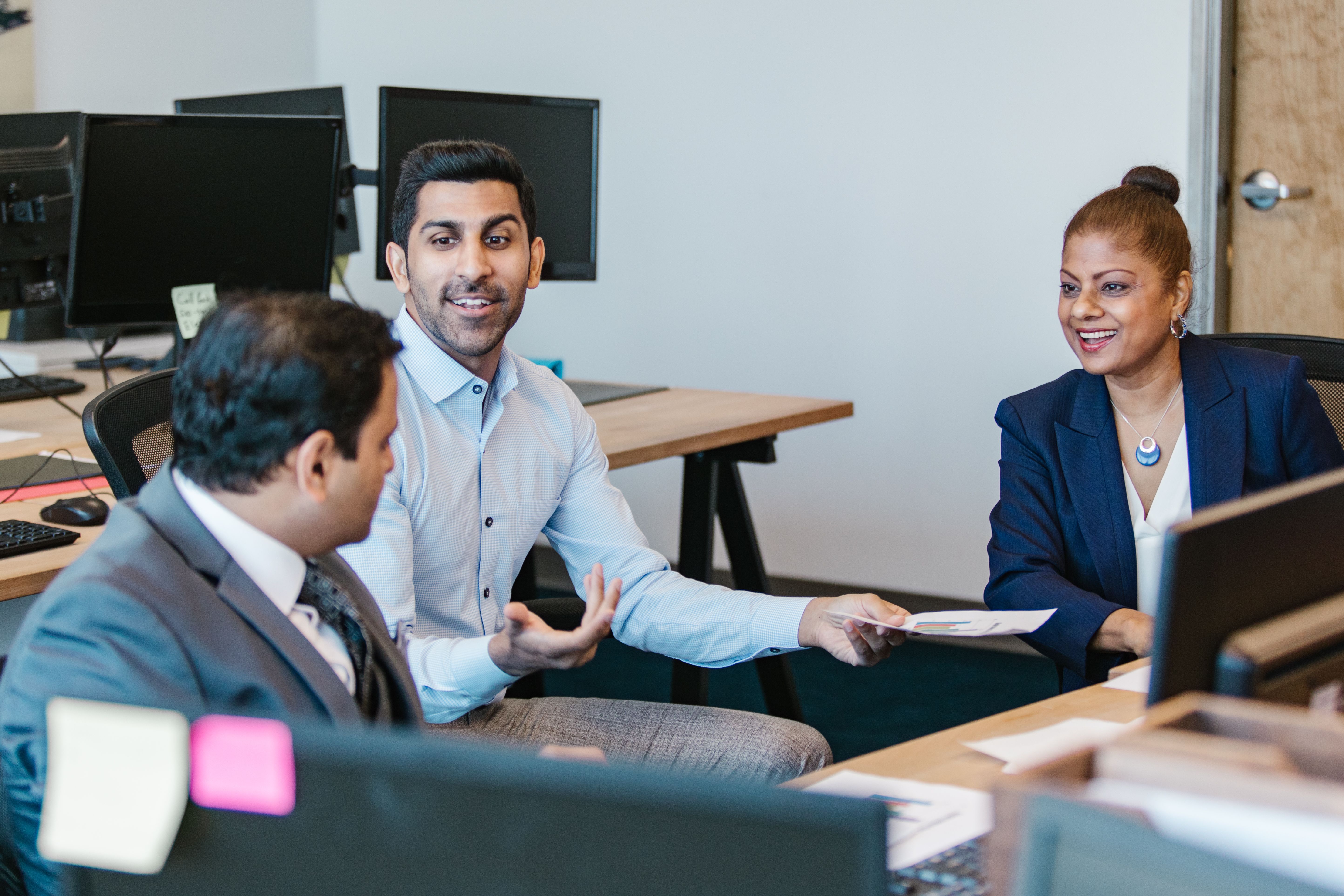
Employees in the office absorb dozens of small cultural signals a day without trying. How leaders react under pressure, how teams celebrate wins, and even what gets talked about at lunch are all things that affect company culture on different levels.
Remote employees get none of that unless someone intentionally reaches out and recreates those moments with them. In-office employees have less opportunities for those impactful interactions when remote employees aren’t in the office.
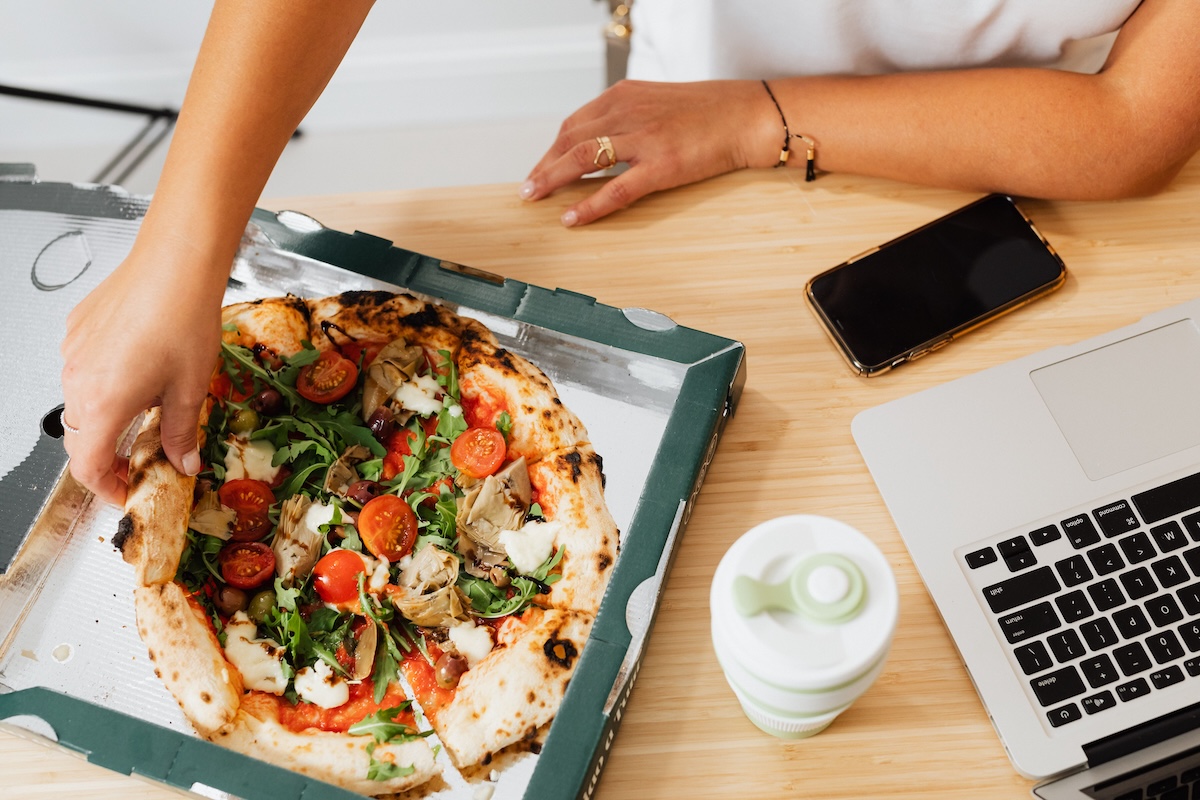
Most culture initiatives are aimed towards those who are working in person in the building. A surprise pizza lunch or an impromptu team celebration builds culture for the people physically present. However for those not in the office, those in-person experiences can leave remote employees feeling left out and eventually lead to resentment for not being included.
In a fully in-office company, a message can spread organically through casual conversation. In a hybrid one, things that aren't written down and repeated by employees to other employees have a hard time reaching those that aren’t in the office. If you aren’t intentional about getting the message out to those not in the office, it’s easy for remote or hybrid employees to inadvertently miss out.
These aren't reasons to give up on trying to change culture in your hybrid office. If anything, they show the importance of ensuring changes reach the whole company.
When trying to make change in a hybrid workplace, the key is to be intentional about it.
Many companies assume cultural changes will be naturally adopted by employees. However, as less employees are in the office nowadays, making cultural changes requires more effort than before. The old approach of assuming culture will spread naturally fails as soon as attendance drops below full-time in-office.
The best approach to take is to define the behaviors, communication habits, and customs that need to reach everyone regardless of location. It’s easy for remote employees to be forgotten, but planning with intentionality helps prevent this from happening. By taking the time to think about how benefits and culture will transfer to fully remote employees, you are actively closing the hybrid culture gap.
Changing culture in any company is difficult. Add in hybrid or remote employees who are rarely in the office, and things get significantly more complicated.
The framework below lays out the most effective steps to take if you want to make a culture shift that is impactful across the entire company.
"Improve culture" itself isn't a plan, it's a goal. Try and get specific about what specifically is changing. Whether it’s moving from individual teams to cross-functional collaboration or improving employee engagement, a concrete target gives you something you can design around and measure.
Walk through where your existing culture currently gets reinforced. Things like team meetings, catered events, in-office lunch delivery, and connection over meals can all affect company culture.
Make sure to flag which of those are dependent on being in the office. If your best culture moments only happen for people who are in the office on certain days of the week, you've found your biggest gap.
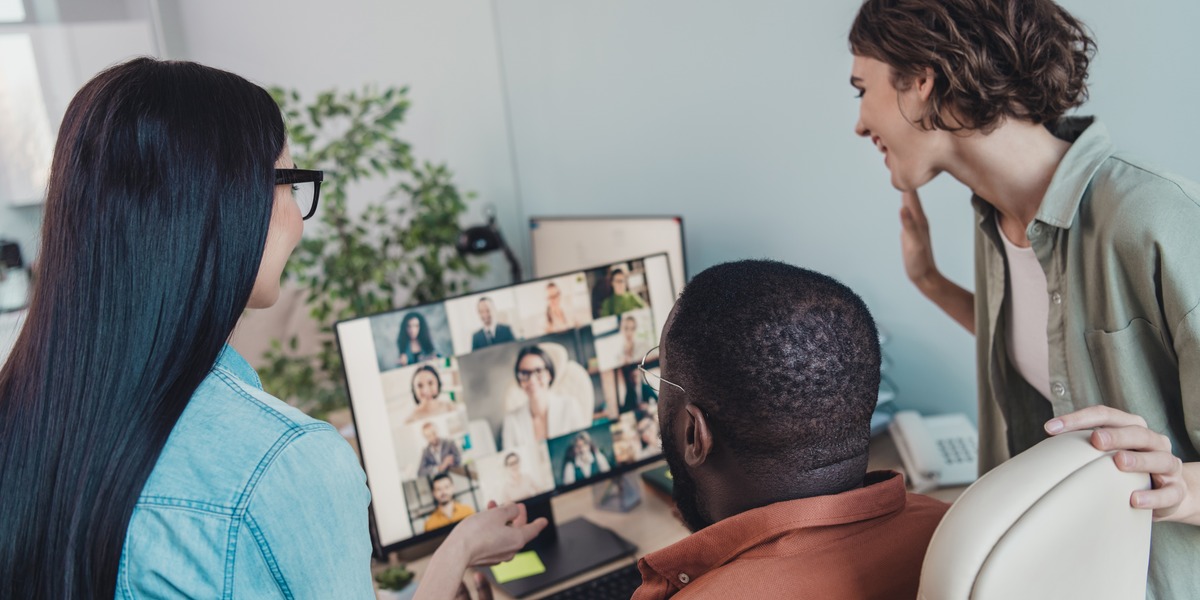
For any events or customs that you value in the office, try and build remote equivalents. Even though they have similarities, an in-office team lunch and a virtual lunch and learn are not the same thing.
However if you are intentional with your planning and treat the virtual event as an equal priority to the in-person event rather than a second thought, they can both serve the purpose of connection in the workplace.
The key is to understand that while virtual events may have different requirements, they still deserve the same amount of attention and care when it comes to planning. Investing in something built for hybrid offices like a workplace food program can help ensure both in-person and remote employees are receiving impactful benefits.
In a hybrid company, culture change spreads through visible leadership behavior, whether that’s on video calls, in written updates, or how decisions get explained.
In order to enact cultural change in a hybrid company, leaders need to over-invest in behaviors that are visible to remote team members, for example:
This extra effort is needed in order to ensure that remote employees have the same access to culture that in-office employees do.
Anything that used to spread through casual conversation should be written down and repeated. While that may feel like over-communication to people who are in the office and already absorbed the context informally, it's exactly the right amount for remote employees who aren’t hearing things in person.
Ensuring remote and in-person employees receive all necessary communication helps cultural changes go more smoothly since all employees can participate.
Avoid making these common mistakes to help your cultural changes go more smoothly:
Hybrid work challenges don't make culture change impossible. They simply require extra effort and attention. The companies that get this right are the ones that are focusing on building a culture that can be felt from anywhere, as opposed to one tied to a physical office.
Food is one of the most reliable levers for that kind of connection, but only if it reaches everyone equally. That's where Fooda comes in. Fooda’s customizable employee meal programs work around your company’s needs, adjusting to attendance on a daily basis. That means you’ll always have enough food on days when attendance peaks, and you won’t have to worry about food waste on low-attendance days.
When you work with Fooda, we make it easy to create a recurring, easy-to-manage lunch time ritual that gives employees a shared, tangible piece of company culture. Changing company culture in a hybrid environment starts with designing for equity, not proximity. Fooda gives you one of the best, most consistent ways to put that principle into practice.
Ready to start improving your hybrid workplace culture with Fooda? Talk to an expert today to learn how to get started.
How do you change company culture when most of the team works remotely?
Start by identifying the specific shift you want, then build the rituals and communication habits that reach remote employees by default. The goal is a culture that works even for someone who never sets foot in the office.
What are the biggest hybrid work challenges for culture change?
The four biggest are uneven visibility (remote employees miss informal cultural cues), a two-tier experience where in-office staff get more attention and perks, communication that decays before it reaches remote teams, and difficulty measuring whether a culture shift is actually working across both groups.
Can you build a strong culture with a hybrid team?
Yes, but it takes more deliberate design than an in-office culture does. Instead of relying on organic, in-person moments to carry your values, you need parallel systems (like written communication, equal leadership access, and rituals with remote equivalents) so culture isn't tied to physical presence.
How long does it take to change company culture?
Culture change is gradual, typically playing out over several quarters rather than weeks. Leading indicators like participation in optional activities and segmented sentiment scores can show early movement, while lagging indicators like retention and internal mobility confirm the shift has really taken hold.
How do you measure culture change in a hybrid or remote workplace?
Track engagement and sentiment survey data separately for remote and in-office employees rather than as one blended number. A growing gap between the two groups is often the first sign that a culture initiative is landing unevenly, well before it shows up in turnover.
What role does food or shared meals play in hybrid company culture?
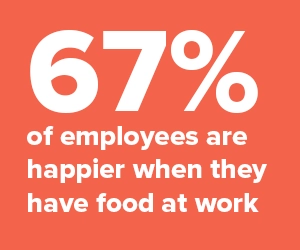
Shared meals are a low-effort, high-impact way to build connection, but they only support culture change when they're available equitably. In-office lunch programs paired with meal credits or equivalent perks for remote employees keep food from becoming another in-office-only benefit.
What's the biggest mistake companies make when trying to change culture in a hybrid setting?
Treating culture change as a one-time announcement instead of an ongoing practice, and pouring most of the culture budget into in-office perks that remote employees never benefit from. Both mistakes create a two-tier culture instead of one shared culture.