According to Gallup's State of the Global Workplace report, only 20% of employees worldwide are engaged at work, and disengagement now costs the global economy roughly $10 trillion a year in lost productivity.
For a people manager, that number translates into a direct challenge: the tools and rituals that hold a team together have to do more work than ever, with managers themselves accounting for 70% of the variance in engagement scores.
People managers also know the quiet frustration of culture initiatives that land flat. Trivia nights get minimal attendance, newsletters go unread, and offsite budgets produce a few good photos and little behavior change.
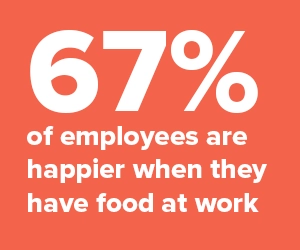
But food has risen as the rare exception. Workplace food programs have consistently grown as a key driver for office culture and community while having a positive return on investment.
Keep reading to learn about:

A people manager is the leader responsible for guiding, developing, and retaining a team of employees. The role used to end at hiring and performance reviews, but it now extends into engagement, well-being, and belonging because workers now take time to reflect and evaluate how it feels to be a part of the company every day.
The deeper reason the role has expanded: replacing a skilled employee costs one-half to two times their annual salary, so the manager who can keep a team intact delivers more measurable value than almost any other leader in the business.
A people operations manager designs the systems that make the employee lifecycle run: onboarding, feedback, benefits, hybrid policies, and internal tooling.
The job exists because modern workplaces generate too much operational complexity for individual people managers to handle alone. People ops professionals exist to remove friction at scale, so front-line managers can spend their time on the coaching conversations that a dashboard cannot replicate.
A people and culture manager owns the rituals, values, and recognition programs that translate company principles into everyday behavior.
The role is distinct because culture lives in the daily workplace experience. Food programs frequently sit inside this realm because meals are one of the few interventions that touch every employee, every week, in a consistent format.
Just like most skills in life, great people management is a set of learnable habits. The managers who consistently retain their teams share a few core management skills that compound over time:
One-on-one meetings are built into most weekly routines. But they commonly fall short when managers treat them as status updates. Strong managers use the time to understand the employee's motivations, blockers, and career goals, and help them design an action plan that gets them to where they want to be.
When employees understand the decisions being made at levels above them, they're more likely to take a strong interest and produce work that helps support those goals. Good context is the difference between doing the minimum and taking ownership.

Recognition delivered within 24 hours of the behavior is far more likely to be repeated than praise saved for a quarterly review.
The mechanism is behavioral: brains encode reward alongside the action that produced it. Implement a system that allows peers to publicly recognize each other and call out top-tier work.
One-off perks produce a spike in morale that fades within a week.
The better option, a recurring ritual - like an opportunity for coworkers to try a new local restaurant each office day - creates a natural conversation and bonding moments over a shared meal. This creates the predictable connection points that build culture and make the workplace feel like a community.
Management skills like emotional intelligence, coaching, and strategic thinking support a single outcome: a workplace where people understand the reason behind their work and choose to stay.
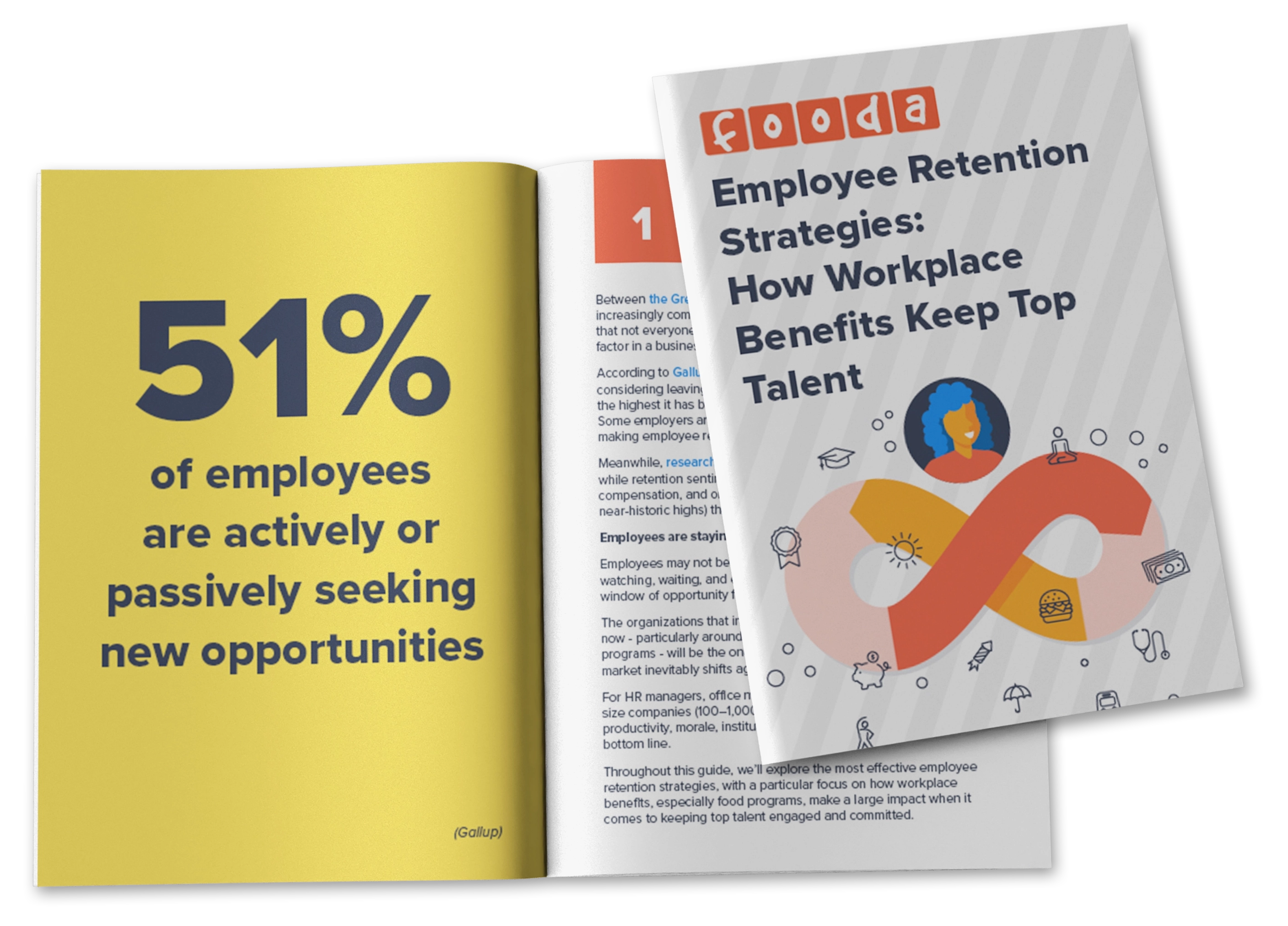
For a deeper playbook, download our free employee retention strategy guide.

Shared meals are the oldest team-building ritual in human history, and there is a reason the pattern persists across every culture on earth.
Eating together lowers social barriers faster than any other activity because it synchronizes attention, mirrors body language, and removes the transactional framing that dominates the rest of the workday.
When a people manager invests in food, the return shows up across four specific culture problems:
A well-run program also reinforces work-life harmony by protecting the lunch hour as a genuine break rather than another meeting slot. It saves people time and puts more directly back in their pockets, which will be appreciated by every employee.
That protection alone is one of the reasons workplace food programs rank among the highest-ROI culture investments a people manager can make.
The strongest workplace food programs combine several formats, each chosen to solve a specific culture problem. Before a people manager picks a caterer or signs a cafeteria contract, the more useful exercise is to name the gap that needs closing: sluggish RTO days, siloed teams, afternoon burnout, or flat everyday morale.
Once the gap is named, the right food format follows naturally. The table below maps the culture goals people managers work on most often to the food programs built to solve them.
Running all four formats through separate caterers, delivery apps, and pantry vendors is where most people managers get stuck. Coordinating multiple providers often cancels out the culture gains and leaves HR buried in invoices.
Consolidating the playbook under a single partner turns it from a framework into a program the team experiences consistently - which is where Fooda comes into the picture.
Fooda partners with all types of businesses and people managers to turn meals into a repeatable culture engine. Each product solves a specific problem in the employee experience.
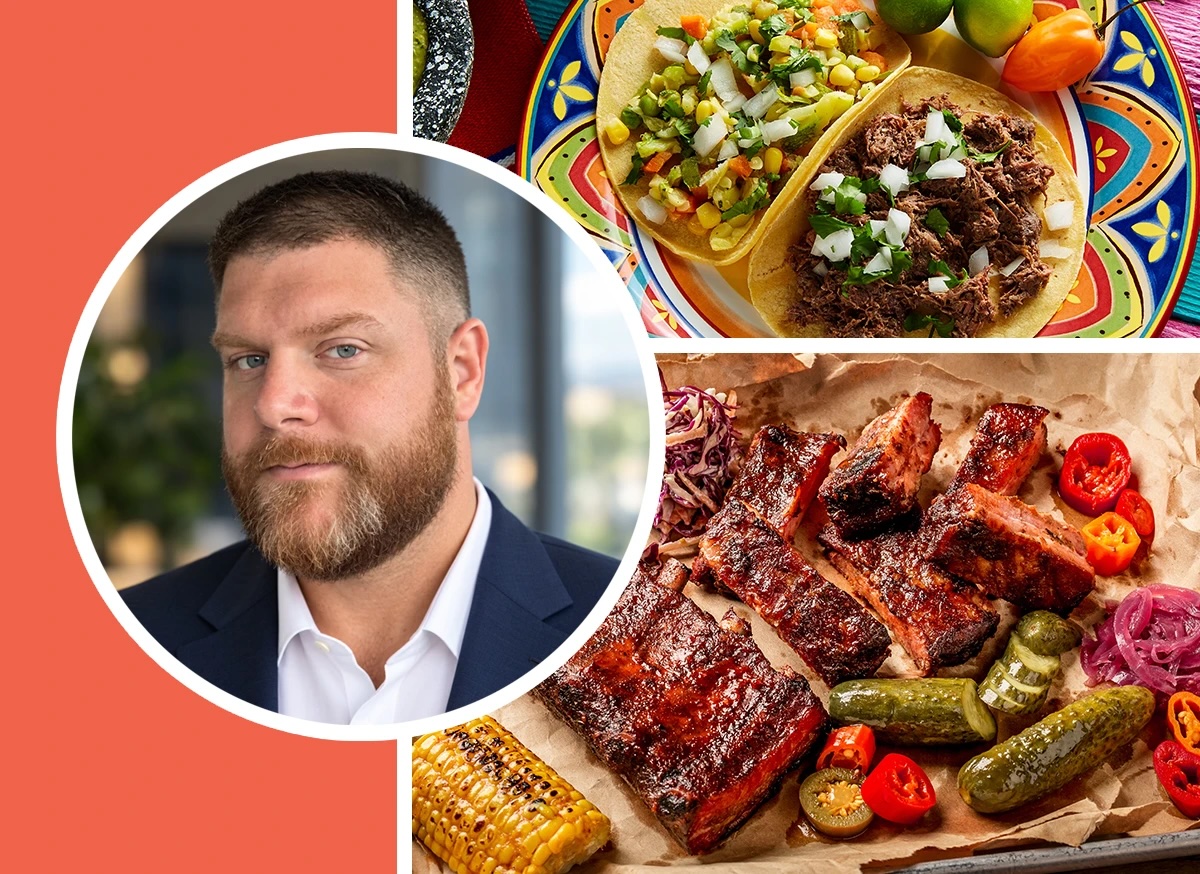
Fooda Popup Restaurants bring rotating local restaurants and chefs from a 4,500+ partner network into the office. All scheduled in advance using AI technology to align with your teams’ preferences. With optional subsidies, meals generally run from $8–10 and are prepared to order on site.
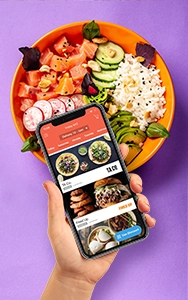
Office Lunch Delivery pairs individual ordering with a single group drop by a dedicated, building-approved driver. The consumption-based model scales with hybrid attendance, a light Monday and a packed Wednesday each get exactly what the team needs.
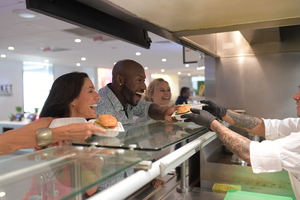
Orange by Fooda is our flagship café, blending embedded resident restaurants with a rotating local lineup and onsite catering managers for events. The anchor that makes building community in the workplace through food compound month after month.
.jpg)
Fooda Pantry covers coffee, snacks, fresh fruit, cold beverages, and micromarkets, with real-time dashboards and local attendants within a 15-minute radius of every site. See our breakdown of the benefits of free food at work for the engagement and retention case.
Partnering with Fooda gives people managers one vendor for every food moment in the office: one account team, one invoice, and one point of accountability when priorities change. It turns the four-part playbook into a single operating system for improved culture, community, and engagement.
Ready to see the reason thousands of companies trust Fooda to feed their teams and build their culture? Contact us to design a highly customizable food program that gives your employees a concrete answer to the question of why your workplace is worth showing up for.

How do workplace food programs handle dietary restrictions and allergies?
Fooda programs cover vegetarian, vegan, gluten-free, halal, and kosher options across the weekly lineup rather than asking one menu to accommodate every need. Employees filter by dietary preference in the ordering app, and severe allergies should be flagged with the provider during onboarding so the full restaurant lineup can be vetted in advance.
How do I get executive buy-in for a food program?
Frame the ask as a retention play tied to metrics leadership already tracks: RTO attendance, turnover cost, and engagement scores. Piloting a single format, one Popup day, one delivery day, or a Pantry install - gives leadership a low-risk proof point before scaling into a full multi-format rollout.
How long does it take to launch a workplace food program?
A Popup program can go live in two to four weeks once the site and schedule are locked. A Pantry install typically takes three to six weeks depending on equipment. A full cafeteria replacement like Orange by Fooda runs two or three months because space, equipment, and staffing have to align with the restaurant lineup. Most people managers start with one format and layer in others over a quarter.