Every organization wants employees who perform well. Whether they're closing deals, brainstorming marketing ideas, or handling customer complaints, their performance is ultimately tied to your bottom line. That's why you need workers who are truly vested in the organization's success.
Engaged employees stay focused and actively pursue company goals, which directly affects what shows up on the balance sheet. Gallup research links highly engaged workforces with higher earnings per share, while low-engagement teams see more absenteeism, turnover, and dips in productivity (a costly combination once you factor in recruiting and retraining expenses).
In a hybrid work era where talent is the #1 competitive differentiator, Chief People Officers face mounting pressure to build a workforce that shows up engaged. This post breaks down the role of a Chief People Officer in driving engagement and how Fooda's workplace food solutions help CPOs make it happen.
A Chief People Officer (CPO) is a C-suite executive responsible for aligning an organization’s human resources and talent strategy with its overarching goals.
Where traditional HR roles focused on compliance and administration, the CPO takes on a more strategic role that champions employee engagement through company culture and daily workplace experiences.
A CPO's day-to-day work directly shapes how employees feel about coming to work.
Here are the core responsibilities that move the engagement needle.
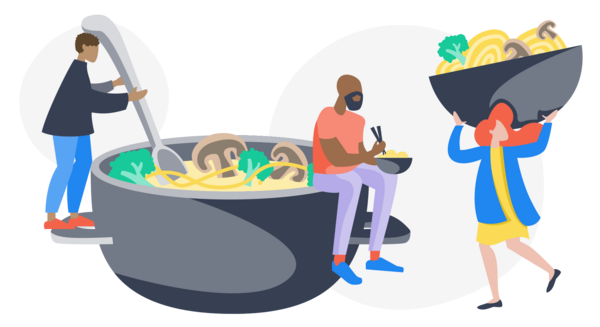
CPOs create frameworks that cultivate connection and community among employees, fostering a sense of belonging that humans naturally crave at work. From sit-down meals that spark cross-team conversations to recreational events that build trust outside of meetings, they layer in moments that make workers feel like part of something bigger.
When employees feel genuinely connected to their work and coworkers engagement and motivation follow because people invest more in outcomes when they care about who they're working alongside.
A Chief People Officer designs policies and programs that elevate the employee experience both holistically and on a day-to-day basis.
They influence engagement by enhancing various aspects of the daily workplace experience, which may involve:
CPOs also ensure organizational policies back up employee well-being, which is non-negotiable since burned-out workers can't sustain high performance over time.
Wellness programs that fit modern workplace expectations might include on-site fitness centers, mental health resources, robust nutrition programs, healthy snacking options, and complimentary gym memberships or fitness classes.
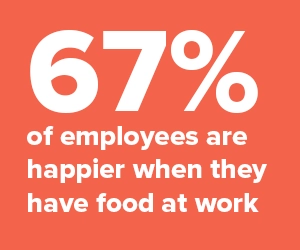
As Chief People Officers balance the strategic work of shaping culture and designing experiences that drive engagement, food often becomes the biggest differentiator.
The Fooda Workplace Lunch & Food Program 2026 Survey found that:
Here are the most effective ways CPOs can drive engagement through food.
Free snacks, occasional catered lunches, full-service food halls, subsidized meals...
Food perks remain one of the most reliable engagement levers because they touch employees every single workday. But providing food alone isn't enough. Your food program needs to add real value to the employee experience, which means being intentional about design:
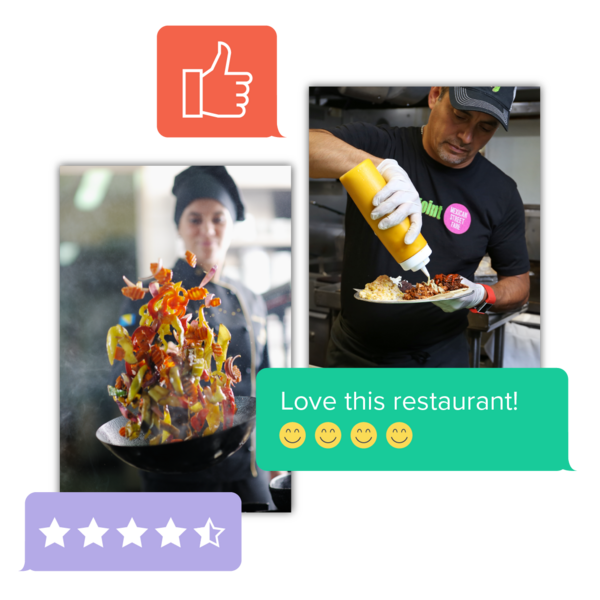
Menu fatigue is real, especially in corporate cafeterias with repetitive offerings. On-site participation drops fast when people get bored with the lineup, taking your food investment along with it. Variety keeps employees walking through the cafeteria doors instead of ordering takeout at their desks.
Let’s look at a few ideas to design menus your employees actually love:
With the right technology in place, you can also use order data and employee surveys to back up menu planning with what your team's eating habits show, so restaurant scheduling decisions are driven by demand rather than guesswork.
CPOs shape culture most effectively when they build a community around food, whether by encouraging shared meals or designing daily food rituals. Casual interactions over a meal create authentic connections that no team-building exercise can manufacture, since people naturally drop their guard when they're eating together.
Employees bond over shared interests as they eat, finding common ground on everything from last night's game to weekend hiking plans, which makes the eventual quarterly review feel like a conversation between teammates rather than strangers.
A few ways to foster a workplace community through food:
Take BenchPrep as an example. Food is deeply woven into their workplace culture, with leadership prioritizing shared meals. A large wooden table accommodates the entire 40-member team, and employees place individual orders through Fooda's Office Lunch Delivery service so everything arrives at once. The team sits, eats, and connects over topics far removed from spreadsheets.
Want to see if Fooda’s Office Lunch Delivery is the right fit for you? Talk to us today.
Meetings and brainstorming sessions are when you need employees most engaged. Between one-sided presentations and lengthy discussions, attention drifts fast. Food can re-anchor focus by giving employees the energy they need to stay present.
Take the standard meeting experience further with catered options like individual boxed meals and sandwiches, which sidestep the awkward mid-presentation grumbling stomach.
Lunch and learn sessions also pull double duty by combining education and social bonding into one slot on the calendar.
Snacks offer a convenient way to beat the afternoon slump and keep employees engaged. But workers won't settle for stale breakroom coffee and vending machine candy anymore, since their at-home expectations have caught up to what they expect at the office.
Offer a more elevated snacking experience with healthy options that will keep energy steady without sacrificing convenience:
Fooda's portfolio of workplace food programs gives Chief People Officers tailored ways to move engagement metrics, not just check the "we have snacks" box.
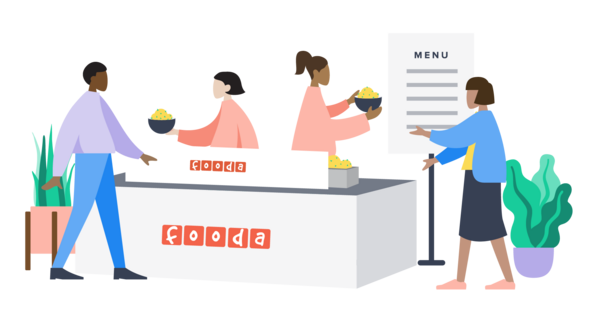
Fooda Popup brings a rotating lineup of local restaurants into your office to serve fresh, made-to-order meals. Restaurants temporarily set up, serve, and clean up after lunch, so the space stays flexible for other uses. There's minimal footprint and no special buildouts required, making it ideal for offices with limited square footage.
The Fooda team curates top-rated restaurants based on your team's tastes, so whether it's an authentic Mexican food truck or a local ramen shop, there's always something exciting to look forward to.
With Office Lunch Delivery, Fooda streamlines daily meal deliveries by letting each person choose their own meal from a rotating lineup of featured restaurants. Dietary preferences get handled automatically, removing the office manager scramble of tracking everyone's orders.
The best part: every order still arrives together, delivered by a dedicated Fooda driver who knows your building and your team's schedule. Everyone gets to sit down for a meal at the same time, bonding over whatever the day brings.
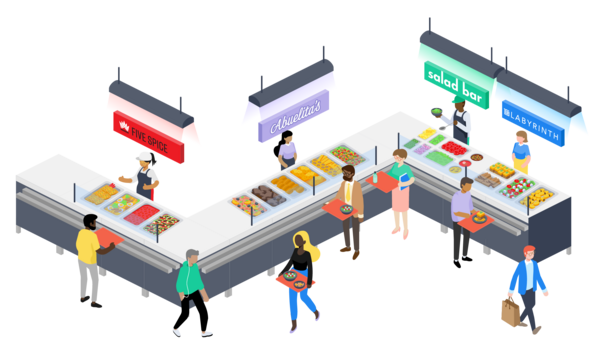
Orange by Fooda sets up a cafeteria alternative featuring a blend of rotating guest restaurants and resident cafés. Employees get a refreshing selection of local favorites like Thai or Middle Eastern cuisine each day, while your resident sandwich shop stays as a dependable mainstay.
This solution brings the restaurant experience into your building and creates spaces where employees can dine together without leaving the office.
For meetings and events, Fooda offers a reliable Corporate Event Catering service. Choose from a vast network of top-rated restaurants to cater any event, whether you need a healthy breakfast spread for an early meeting or low-mess boxed meals for the boardroom.
With a 99% on-time track record, our team makes sure guests eat on schedule. A dedicated catering concierge handles everything from ordering to logistics, so events run smoothly from setup to cleanup.
Fooda Pantry takes office snacking to the next level, with an expansive vendor network that lets you tailor the product mix around your people. Keep break rooms and vending machines stocked with team favorites, from gourmet chocolate bars to healthy grab-and-go bites. You can also serve high-quality coffee and premium beverages to match employee demand.
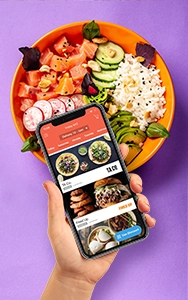
Fooda makes it easy to build customized meal subsidy programs that meet your team’s unique needs. Add members, allot funds, and adjust amounts directly in the Fooda App.
Whether the subsidies are full or partial, employees check out through our app and the discount applies automatically.
They get to choose where and when to use their meal stipends, whether that's Popup, Delivery, or Orange.
Ready to engage your employees with Fooda’s workplace food solutions? Get connected with us today.
Chief People Officer compensation varies based on company size, industry, and location, but most CPOs at mid-to-large U.S. companies earn between $200,000 and $400,000 in base salary, with total compensation often exceeding $500,000 once bonuses and equity are factored in. Tech companies and large enterprises generally pay at the higher end of that range.
Companies typically hire a Chief People Officer when headcount surpasses 200 to 300 employees, when culture and engagement become strategic priorities, or when scaling rapidly demands a dedicated executive to align talent strategy with business goals. Startups often promote from within or convert their VP of HR into a CPO role once people operations become a competitive differentiator.
Yes, most Chief People Officers report directly to the CEO and sit on the executive leadership team, which gives them a seat at the table for major business decisions. This reporting structure reflects the CPO's strategic role in shaping company direction through talent and culture, beyond traditional HR functions.
Effective Chief People Officers combine business acumen with deep expertise in organizational design, change management, employee experience, and data-driven decision-making. Strong communication and executive presence are non-negotiable, since CPOs regularly translate cultural priorities into business outcomes for boards, investors, and frontline employees alike.
Chief People Officers measure engagement through pulse surveys, eNPS (Employee Net Promoter Score) tracking, retention rates, internal mobility, participation in optional programs like wellness or volunteering, and qualitative feedback from stay interviews and focus groups. Many also tie engagement data to business outcomes like productivity, customer satisfaction, and revenue per employee to make the case for continued investment.