Did you know that neglecting employee well-being is costing organizations up to $20 million for every 10,000 workers? Shocking, right? But if you think about it, it all adds up.
When employees are constantly stressed or overwhelmed, it crowds their mental space and leaves them with no motivation or energy to focus on their work. This results in a slow working pace, making more mistakes, and falling short of expectations.
Even worse, it might make them more likely to quit, forcing companies to spend time and money to find a replacement. That’s why preventing employee burnout automatically adds to your bottom line.

Unlike a physical illness, the signs of burnout aren’t very obvious at the start. They show up subtly, so it’s easy to miss them. Here’s what you should watch out for:
To start with a sign that’s slightly more obvious, some employees may look more exhausted than usual. Tired eyes, dragging feet, slowed responses, and frequent yawning often indicate that someone’s physically and/or mentally exhausted. And exhaustion is a tell-tale sign that they’re burnt out.
According to Deloitte, this is more common than you’d think, with 43% of employees often or always feeling exhausted.
Have you noticed someone participating less in meetings when they were once actively sharing ideas? Are they zoning out more often? Showing little enthusiasm for new projects? When you notice employees losing motivation and engagement, it could point to burnout.
Asana found that 30% of people are less engaged when they experience burnout.
Burnout makes employees less productive because they’re starting each day with little or no motivation. So you’ll see them taking longer than usual to finish tasks. For instance, a design mockup that once took just a few hours to complete now requires at least two days. Delaying projects and missing deadlines are telltale signs of employee burnout.
Are they making more mistakes than usual? Or coming up with ideas that feel uninspired? When someone’s forcing themselves to push through even though they’re burned out, it shows in their work.
Their ideas lack originality, their reports are full of errors, they’re struggling to solve problems, and they’re not giving the effort they used to. In fact, Asana found that 27% of people make mistakes, while 25% miscommunicate as a result of burnout.
Judging from the previous section, it’s pretty obvious that preventing employee burnout will also improve your bottom line. Here’s a rundown of why preventing burnout is important.
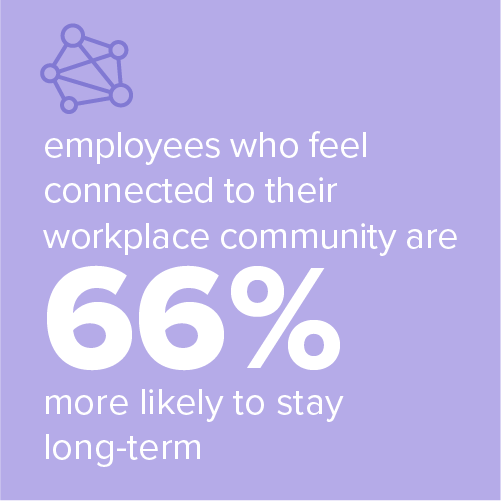
When employees are excited to come to work, they have more energy and inspiration to bring their best each day. You’ll find them actively sharing ideas in meetings or proactively taking initiative without being asked. When employees are engaged, they’re likely to have higher job satisfaction.
Gallup reports that employees are 63% more likely to take a sick day when they’re burned out. So when you prevent burnout, employees don’t have to work until they’re too sick or exhausted to come in. On the contrary, they’re enthusiastic about coming to the office, contributing to higher attendance.
According to the Deloitte report, 48% of employees have quit a job because it had a negative impact on their well-being. Who can blame them? Nobody likes to stick with a job that constantly makes them feel upset.
Take the stress away, and you have employees who want to keep working for you. In fact, the same report also found that 62% of employees are likely to stay with a company that supports their well-being. When you have high employee retention, you spend less money to replace workers, which adds to your bottom line.
Preventing employee burnout has an immediate impact on productivity. Workers are more engaged, which means they’re working more efficiently and delivering high quality work.
It also gives you back more productive days because employees are no longer calling in sick. This could be transformative for your bottom line, especially in a world where companies are seeing a 150% loss in productive days because of mental health issues in workers.
Burnout doesn’t just cost employees their individual well-being; it also costs companies in lost productivity and opportunity. Here’s what you can do to prevent it:

Manageable workloads and fair treatment are the bare minimum to prevent employee burnout. But the bare minimum isn’t always enough to keep workers satisfied. Instead, you need to go the extra mile and create a work environment that they want to be in and simplify their day-to-day life.
The best way to do that? Give them food so good that it makes them look forward to another day at work.
Fooda’s “What’s Happening in the Workplace Now?” survey found that free lunch makes 80% of employees feel more enthusiastic about work. When asked what would make their office experience better, most employees chose food-related answers. Better snacks and drinks came up as the number one factor. They also wanted food that tasted authentic from a variety of different cuisines.
So a robust workplace food program could solve some of your biggest burnout woes. It’s easier to concentrate on work when you have a satisfied stomach. Fresh meals and healthy snacks will give employees a much-needed energy boost to keep working through tight schedules and extra busy weeks.
Whether you’re offering employer-subsidized meals or setting up local Popup restaurants right in your lobby is up to you. What matters the most is that you have delicious food available at an affordable price point.
Preventing employee burnout is all about promoting work-life balance. This goes beyond offering flexibility and sufficient time off. It’s also about actively investing in company benefits and employee perks that support health and wellness.
Having a strong employee wellness program shows workers that you care about their well-being. In turn, they feel more valued and appreciated – factors that boost employee morale.
It also directly addresses burnout because it improves their physical and mental well-being. The healthier your employees are, the more energy they’ll have to focus on work (and the more productive they will be)
Aflac’s 2025 WorkForces Report shows that 40% of employees want self-care programs to address burnout, while 36% express a desire for mental health care. Additionally, 28% also say that perks to support their health and wellness are essential to their work-life balance.
So give them tools and resources, like flexible wellness spending accounts, that would allow them to reinvest in their own well-being. With that, make sure your workplace food program prioritizes employee nutrition. Replace junk and highly processed food with healthier options, like fresh salads and protein-packed meal bowls. Healthy snacks like fruit cups and yogurt bowls could take the place of potato chips and sugary treats.
Comprehensive gym setups and employer-paid physical training sessions are other ways to invest in your employees’ physical health. Of course, don’t forget to provide extra support with mental health resources.
When done right, employees can always get the help they need before stress gets the better of them.
Sometimes, it’s not the workload that makes employees feel burned out. It’s the fact that they don’t feel appreciated, no matter how much work they put in.
That’s exactly why you need to offer rewards and benefits that match their contribution. Here are a few ideas to inspire your recognition programs:
Meanwhile, a modern benefits package should include:

As the Aflac report highlights, employees who feel a strong sense of belonging have a higher overall job satisfaction compared to those who don’t (77% vs. 28%). They’re also more satisfied with:
The best part? They tend to experience far less workplace stress (30% vs. 56%) and lower levels of burnout (55% vs. 78%).
So when you create a workplace where employees feel included, they have a much higher chance of feeling good about being at work and avoid burning out.
Outside of a collaborative work environment, you also need to create a culture where employees have ample opportunities to bond. We’re talking team-building activities and strategic office setups that encourage workers to interact. Think: large tables where entire teams can brainstorm as they eat lunch together.
Or offering lunch and learning sessions that give employees a chance to enjoy good food while gaining a new skill. This creates an opportunity to bond over shared interests and exchange ideas as their connection grows.
For instance, companies like BenchPrep encourage employees to eat lunch together every day by offering subsidized meals with enough seating for all 40 employees. This resulted in employees using the time to connect with colleagues and build relationships they otherwise wouldn’t have the opportunity to.

Fooda’s comprehensive workplace food solutions make it easy to create experiences that keep your employees engaged. From food halls that cater to everyone’s needs to employer-subsidized delivery programs, there’s a solution that works for your business needs.

Fooda partners with 2,500+ local restaurants and chefs to bring authentic flavors directly into the office. We use AI technology and analytics to provide your team with a rotating menu that has a wide range of cuisines to suit their tastes.
Whether you have a Popup restaurant serving food on-site or consolidated delivery from multiple local spots - Fooda makes it easy to always serve up meals that are as fresh as they are delicious.
It’s not easy to cater to everyone’s tastes and dietary needs with traditional cafeteria setups. With Orange by Fooda, you can design inclusive food halls by bringing in rotating and resident restaurants.
With this setup, employees get to choose from a wide range of high-quality meal options while anticipating what’s coming the next day. When there’s variety, there’s consistent engagement and options that fit everyone’s dietary preferences.

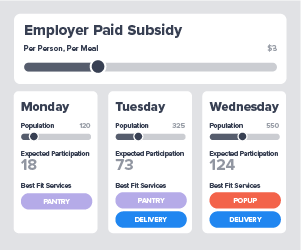
Remember what we said about free food making employees excited to come into work? Fooda makes it easy to offer subsidized meals with an app that lets you manage everything in one place.
Whether you need to add or remove members, give funds to specific teams, allocate funds by specific day or product type – you can do it all from the app. So you can effortlessly design a customized subsidy program for your employee benefits package.
Looking to implement a workplace food program that boosts employee engagement? Get in touch with Fooda today.
Morale boosts happen almost immediately since employees notice when you're investing in their daily experience. Within 4-6 weeks, you'll likely see better lunch break participation and increased collaboration during meal times. The harder metrics like retention and productivity take 3-6 months to shift, but the cultural impact starts day one.
Run the math on what you're already losing to burnout. One employee quitting costs 50-200% of their salary in replacement and training costs. A subsidized meal program typically costs $8-15 per employee per day and if it prevents even one or two people from leaving annually, it's paid for itself several times over.