Hybrid work has found its footing, and it’s here to stay. We’ve moved from fully in-office to fully remote, to a hybrid model that works for both employees and employers. What hasn’t fully caught up yet is how to build genuine team connection in this new reality. If that feels familiar, you’re not alone. We need better options for team building ideas for remote and in-office employees.
When people work from different locations on different days, connection can start to feel harder to maintain. Traditional team-building activities often fall flat. Virtual options feel like just another meeting, while in-person events can unintentionally exclude remote employees or pressure hybrid workers to come in when it doesn’t make sense.
Hybrid teams need something different: team-building activities that are inclusive, flexible, and genuinely enjoyable. Below, we’ll share practical ideas that work whether your team is remote, hybrid, or together in the office on select days, along with one often-overlooked connector that brings people together naturally: shared food experiences at work.
Hybrid work offers flexibility, autonomy, and better work–life balance, but it also brings challenges for engagement and team cohesion. Research shows 35% of hybrid employees report high engagement versus 27% of onsite workers, which is promising, but connection doesn’t happen automatically. Without intentional culture-building, hybrid teams can feel fragmented.
Common challenges include:
A common mistake is treating hybrid teams as fully remote or fully in-office. In reality, they fall in between, and strategies need to reflect that. The most effective hybrid team building is designed for mixed participation from the start. Rather than retrofitting in-person events for remote workers or forcing virtual activities on office teams, successful organizations create connection in ways that feel equitable, flexible, and natural.
There are times when a typically hybrid team goes fully remote. Maybe it’s during the holiday season, and the office is shut down, but work is still happening, or maybe during the summer, and the team is spending their off-hours on a gorgeous beach vacation. You can still have excellent team-building experiences, as long as you’re avoiding pressure and burnout.
Now, we know what you’re thinking. You tried this during the pandemic, and it felt awkward, forced, and disconnected. This is a different approach to virtual team building activities than the usual 2-3 hour cocktail-making class, while sitting alone in your home office. The most successful virtual social events tend to be:
Games can be fun, but only when the stakes are low. Trivia, puzzle challenges, or friendly competitions work best when they:
Asynchronous challenges, like weekly quizzes or photo prompts, are especially effective for hybrid and distributed teams because they don’t require everyone to be available at the same time.
Learning-based activities often feel more valuable than traditional team-building games. Virtual lunch-and-learns, skill shares, or guest speakers can double as team-building opportunities when they include:
These events are particularly effective for hybrid teams because they feel purposeful, not like an interruption to the workday.
Here are a few ideas and themes you can easily plan for your hybrid team during a remote working period:
This helps create conversation without putting anyone on the spot. Keeping attendance optional also reinforces trust and autonomy, two things hybrid employees value highly.
Hybrid work team building is often the hardest format to get right. When some people are gathered in a conference room and others are joining virtually, it’s easy for remote employees to feel like passive observers instead of full participants.
The key to success is intentionality:
Since the beginning of time, meals have been one of the most natural ways people connect, even in hybrid environments. Hybrid-friendly lunches or coffee chats can include:
The goal isn’t to replicate an in-person lunch exactly, but to create a shared experience that feels relaxed and inclusive. When done well, food-centered moments often feel less forced than traditional team-building activities. If you want to be more structured, you can come prepared with some topics of discussion or ice breakers. However, make sure to leave room for the discussions to happen organically.
Sometimes the best way to build connection is simply to work together. Hybrid-friendly collaborative sessions might include:
Using shared digital tools like collaborative documents or digital whiteboards helps level the playing field so everyone can contribute equally, regardless of where they’re located. Taking the conversation out of the inter-office messaging service or email can make the team feel more connected, less isolated, and can even make things more fun.
Low-effort, low-pressure activities often deliver the biggest impact. Simple prompts like sharing a recent win, a favorite hobby, or something you’re learning can spark meaningful conversations without requiring vulnerability or performance.
These sessions work well across locations and personality types, making them especially effective for hybrid teams. Sometimes, in order to create connection, getting to know team members outside of their work life creates not only respect but the possibility for friendship.
In-person activities still play an important role in hybrid workplaces but they should feel intentional and rewarding, not obligatory.
Flexibility is a major reason employees value hybrid work. In fact, about 75% of workers cite better work–life balance as a key benefit of hybrid arrangements, which means organizations need to be careful not to undermine that flexibility with overly rigid expectations.
However, having regular in-person gatherings, with lots of advance notice so there’s time to adjust schedules and drum up excitement, is a great way to create intentionality around face time.
Larger gatherings work best when they have a clear purpose, such as:
Providing advance notice and clear agendas helps employees decide when it’s worth adjusting their schedules to attend in person.
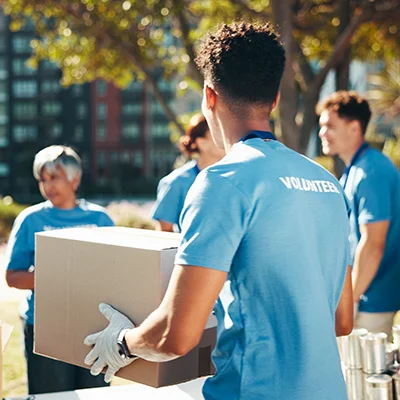
Shared service experiences can build strong bonds quickly. Volunteer opportunities that work for both in-person and remote employees reinforce shared values, even when teams are apart. Choosing causes with multiple locations, such as national nonprofits, local beautification projects, or food pantries, creates a collective experience while giving teams a meaningful way to connect and give back.
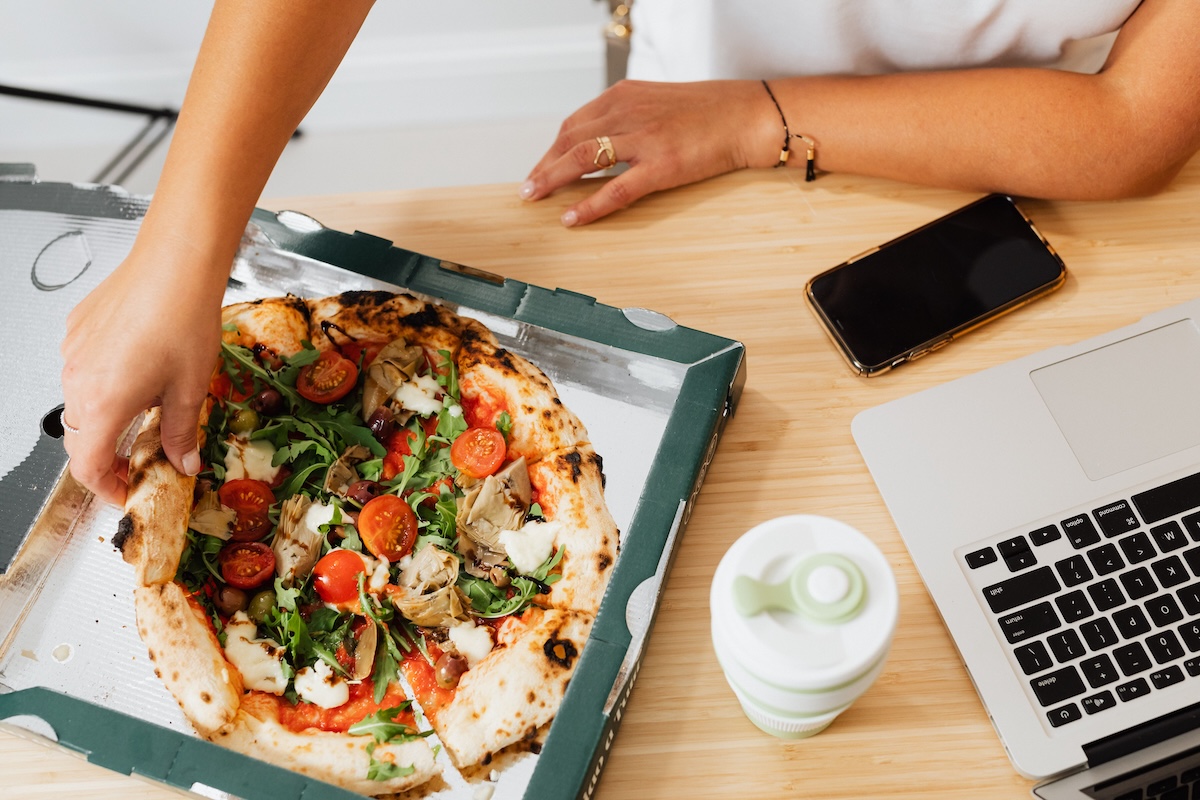
Casual office events centered around food often feel more approachable than structured activities. They give hybrid employees a reason to come into the office by choice rather than obligation. Whether it’s a quarterly Taco Tuesday featuring local Mexican-owned restaurants or a Black History Month celebration catered by a local Black-owned restaurant, offering delicious food alongside a meaningful reason to gather encourages your team to connect over good food and good company.
Food is one of the most universal ways people connect and one of the more difficult elements to get right in a hybrid environment. It’s not just free food that brings people together. It’s the promise of a good time with food that feels on theme and intentional.
Sharing a meal with your coworkers is a low-pressure way to encourage team building with a softer hand. It creates natural opportunities for conversation and connection simply by bringing people together around something everyone needs and enjoys. There’s no need for the collective sweating that happens when they’re tasked to come up with two truths and a lie. It’s a casual, open discussion that isn’t forced and awkward like some traditional methods.
Understanding what doesn’t work about traditional food options is important. You can’t just add food to the mix and hope for the best. Here are some reasons why it’s important to think outside the box:
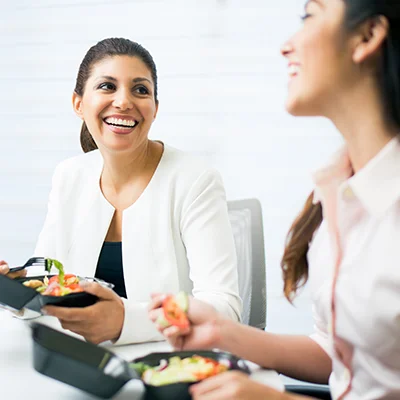
When we consider our unique hybrid teams, we know many of their needs vary. Coming together has to work for the people who are invited, taking their schedules into account. Here’s what a well-thought-out team-building experience does:
For hybrid teams, food can make the office feel more appealing than eating alone at home without requiring formal attendance policies.
Flexible dining models are especially effective for hybrid workplaces with fluctuating attendance. Options like rotating restaurant selections, pop-up food events, or themed lunches allow teams to plan in-office days around shared experiences.
Programs like Fooda’s are designed to support this flexibility, offering variety and quality that adapt to changing schedules. For example, some teams plan “anchor days” around favorite restaurant rotations or cultural food events, turning meals into organic team-building moments rather than formal activities. When you have plans for you and your team, you can plan for a headcount, eliminate food waste, and create incredible team-building experiences throughout your offices.
Not all team building needs to happen in real time. When planning activities, it is worth asking whether that meeting could be an email, or better yet, an experience employees can engage with on their own time and then discuss later at the lunch table. Asynchronous activities are especially valuable for hybrid teams with flexible schedules or multiple time zones, allowing participation without adding more meetings to already full calendars. Fewer meetings, more flexibility, and more organic conversation is often the recipe for a happier, more engaged team.
Wellness challenges, creative prompts, or learning goals give teams a shared experience that unfolds over time. These activities encourage participation without pressure. When your team works towards a collective goal, there’s a camaraderie that is built, regardless of whether or not they are working on it at the same time. It results in conversation (perhaps over lunch!) on their status, sharing strategies, and celebrating or lamenting together.
Dedicated channels in your internal messaging system for shared interests, wins, or casual conversation help maintain connection between events and over time become part of team culture. Book clubs, podcast recommendation threads, or spaces to discuss must-watch documentaries keep teams talking even when schedules do not align for in-office days. Sometimes, hybrid teams simply need a place to debate the latest reality TV moment that everyone is secretly watching.
Regular recognition builds connection more effectively than one-off events. Celebrating wins, milestones, and personal achievements helps hybrid teams feel seen and valued. Consider creating a company-specific awards ceremony (think The Dundies, but with real accomplishments) that gives teams space to recognize great work and reflect on how far they’ve come. Whether it’s an annual event or a quarterly tradition, pairing recognition with great food and drinks from a local restaurant creates a natural reason for hybrid employees to gather and stick around for casual, meaningful connection.
No matter which activities you choose, remember you are doing this for your hybrid team. It has to make sense for the unique group of people who are all a part of your organization. Here are a few principles that make all the difference:
Hybrid teams thrive when team building feels supportive, flexible, and respectful, not performative. You don’t have to spend a lot of money to make people feel like they are connecting with their hybrid teams. You just have to make wise choices and spend your budget where it will have the largest impact.
Strong team culture isn’t built in a single event. It’s built through consistent, meaningful touchpoints that fit naturally into the workday.
While many team-building activities require extensive planning, quality workplace dining can support connection every day. Fooda works with hybrid organizations across offices, hospitals, universities, and more to deliver flexible dining experiences that adapt to changing attendance and schedules.
If you’re looking for a simple, effective way to strengthen hybrid team culture, workplace dining can be a powerful place to start. Fooda has the experience to help your team connect over the most delicious food in your area.
The best activities are flexible, inclusive, and designed for mixed participation. Virtual, hybrid-friendly, and asynchronous options tend to work best.
Remote employees should be considered from the start through intentional facilitation, thoughtful technology, and optional participation.
Hybrid lunches, collaborative work sessions, and shared challenges often translate well across locations.
Shared meals create organic opportunities for connection without forcing participation or putting team members on the spot.
Regular, low-pressure touchpoints combined with occasional larger moments tend to be more effective than infrequent, high-stakes events.