If your business is getting ready to scale in the new year, you're going to need more than a competitive salary. While it's a great starting point for getting top talent to join your team, there's a lot more that goes into an employee's choice of staying for the long-haul.
Let’s be honest - your competitors aren't outspending you on benefits, they're investing in the most impactful ones that people take advantage of every day. The ones that solve actual problems instead of checking boxes on a benefits comparison sheet.
For example:
The gap between 90% retention and constant backfilling is more than flashy perks or elaborate wellness programs. It's these five additional benefits that improve the daily experience, support real human needs, and give people tangible reasons to stay when recruiters come calling.
Here's where to start if you're scaling and serious about keeping the people you hire…

The average employee spends $12-20 per workday on lunch. That's nearly $100 a week and up to $3,000-4,500 annually out of pocket, not counting the time spent deciding where to go, waiting in line, and getting back to the office. By the time they get their food, their hard earned lunch break is nearly over.
Not every employee is going to use a gym membership or take advantage of tuition reimbursement, but they all have to eat lunch on a daily basis. That’s why it’s hard to argue that a workplace food program isn’t the most practical employee perk that will impact every person in your organization.
It's a company benefit that employees experience and value every single day they're in the office. It saves time in the morning, money on meals, and a successful program creates a daily touchpoint that reinforces "working here is better than working somewhere else."
When employees evaluate competitive offers, "free or discounted lunch three days a week" translates to tangible annual value they can actually feel. Combined with regular performance based salary increases, daily free meals change their viewpoint on your entire organization when it comes to company benefits and employee perks.
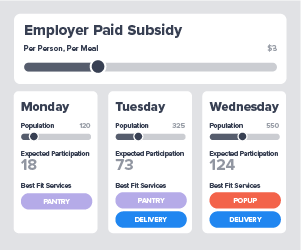
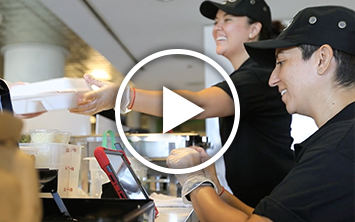
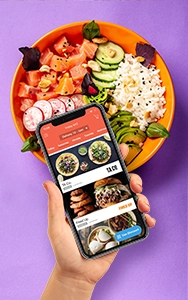
If the workplace food program isn’t implemented correctly, you’re going to have issues getting your teams to utilize it. Partnering with a company like Fooda that’s mastered how to customize and implement a successful program makes this process easy.

Here are three of the best models for getting local restaurants in your workplace:
Replacing one employee costs anywhere from 50%-200% of their salary when you factor in recruiting, interviewing, onboarding, training, and the productivity loss during ramp-up time.
Prevent losing two employees per year because a competitor offered better daily benefits, and you're break-even. Prevent three or four, and you're meaningfully profitable on your lunch program. That's before you account for the productivity gains from shorter lunch breaks and higher office attendance.
This is the rare benefit that people use multiple times per week, directly influences their decision to show up to the office, and improves recruitment and retention.

Unlimited PTO sounds great in theory. In practice, it's one of the most misunderstood company benefits in modern corporate America. Studies consistently show that employees under unlimited PTO policies take less time off than those with traditional accrual systems.
Nobody wants to be the person who took four weeks when their teammate took seven days. Without clear norms, employees default to taking less rather than risk looking like they're taking advantage.
The fix isn't going back to "10 days after one year, 15 after three years" accrual policies. It's building flexible ones that actually encourage rest instead of creating anxiety about optics.
Implement a flexible PTO program by:
There’s even more you can do to provide your employees with a great PTO program, but allowing for a hybrid schedule (even if it’s just one day a week) can make a big difference in someone's life too. If they can run an errand on their lunch break or get some time back on their commute once a week, it will be positively impacted.
But at the end of the day, Burnt-out employees leave. It's that straightforward. When employees don't rest - productivity declines, sick days increase, engagement drops, and turnover spikes. You're not being generous by encouraging time off. You're being strategic about keeping people functional and engaged.
A lifestyle spending account costs the same as the gym membership you’re offering but actually delivers value to 100% of employees because people are spending it on what they want to prioritize.
Employees receive a monthly or annual stipend ($50-200 per month is common) and they are able to spend it on pre-approved categories that you define based on what matters to your workforce. Common categories include:

Traditional benefits assume everyone needs the same things. Lifestyle spending accounts acknowledge that your workforce is diverse and their needs are different.
The 24-year-old uses it for climbing gym memberships and coworking space passes. Or the 38-year-old parent uses it for backup childcare and house cleaning to buy back weekend time. The result: happy employees and company wide utilization.
Stock options and equity compensation used to be reserved for executives and senior management. Everyone else got a salary, benefits, and the promise that if the company did well, maybe they'd see a bonus.
That model is dying and the companies still running it are losing talent to competitors who've figured out that giving employees actual ownership changes everything about how they show up to work and the effort they put into it.
A mental shift happens when you own a piece of something, you care about it differently. You think longer-term. You're more likely to speak up when you see problems. You're invested in outcomes, not just outputs.
More directly: when a competitor tries to poach your best people, unvested equity creates a second thought that a 15% salary bump can't easily overcome. Walking away from $50K in unvested stock to take a slightly higher salary rarely makes financial sense, and most employees do that math when offered a new opportunity.
Equity dilutes existing shareholders, which can make founders and investors nervous. But the math works in your favor when you factor in retention and performance improvements.

Sometimes allowing pets in the office is at the discretion of the building owner and it might not be a commercial building amenity they can provide.
But over 65% of US households own pets. A lot of young workers or remote employees adopted them during COVID and those pets are seen as family members whose care directly impacts whether someone can come into the office.
Pet-friendly policies and comprehensive pet insurance are about removing major barriers to office attendance and acknowledging that for most of your workforce, pet care is a real financial and logistical concern.
Employees with pets are significantly more likely to come to the office when they can bring their animals. The alternative of paying for doggy daycare ($30-50/day), hiring a dog walker ($20-30/visit), or leaving pets alone for extended periods creates real friction that keeps people home.
On top of that, multiple studies show that pets in the workplace reduce stress, increase social interaction between employees, and improve overall mood.
You’ll have to set approval guidelines around what pets can and can’t come into the office. Dogs are the most common office pets and the easiest to manage. Other animals can work for specific officers but they require different accommodations.
Not every company has the ability to offer this since it could be in an environment that isn't suited for pets. But you can still support pet owners through benefits that acknowledge their reality.
If you're rebuilding your benefits strategy for 2026 or scaling your team and want to retain the people you hire, prioritize in this order:
The companies winning the retention battle aren't outspending you. They spend smarter on benefits that people use, feel, and remember when a new opportunity comes calling.
Ready to add workplace meals to your benefits package? Calculate your program cost and see how Fooda brings authentic local restaurant meals at affordable prices to your workplace without the hassle of managing a program yourself.
Conduct a full benefits review annually, but gather feedback when hiring to make sure you’re always up to date. Your workforce's needs change as people age, start families, relocate, or shift priorities. Use pulse surveys to ask "which benefits do you value most?" and "what benefits would make you more likely to stay?"
Be transparent about budget constraints, but offer alternatives. If premium health insurance is too expensive, consider HSA contributions or wellness stipends. Often the underlying need can be addressed differently than the specific request.