Commercial real estate is more competitive than it's ever been and the difference between a vacant floor and a signed lease often comes down to one thing: amenities. Tenants have more options than ever, and they know it. Post-pandemic expectations have fundamentally shifted: workers want their office to offer something their home setup cannot replicate, and companies evaluating where to sign a lease are paying close attention to what their employees will experience day to day.
The good news is that the market is shifting in your favor. Recent research from Deloitte shows global investment volume posted its first year-over-year increase since mid-2022 in Q1 2025, a clear signal that demand is returning. Capturing that demand, though, means getting the tenant experience right, not just the square footage.
Below are the 10 amenities today's tenants prioritize most, along with practical guidance on what it takes to deliver each one.

Having great food options right in the building remains one of the best amenities for driving tenant satisfaction. When employees have to leave the building to get a meal, they waste half their lunch time to buy an over-priced option that doesn’t leave them feeling good when they get back to their desk.
Day after day, the process will wear on them and create resentment for the commute that puts them in that position. But even if you’re offering some form of dining on site, a traditional cafeteria or deli with the same menu every day isn’t enough anymore. Keeping them in the building for lunch now requires having options that provide multiple high-quality cuisines that keep them coming back.
This is where a solution like bringing in local restaurants in the form of rotating Popups shines brightest. Employees love getting to try new places in the community during their break and it's a great way to reduce the food service overhead required in your building, giving you a higher ROI. A win-win for every workplace using your space!

The world has been turning commonly used appliances into smart technologies whenever possible. We’ve got smart fridges, keys, furniture, the list goes on… and it’s probably not too far-fetched to say we’ll have AI robots running around for us soon.
Integrating the best new technology within your commercial properties gives tenants a chance to interact with it when they might not be able to otherwise. It’s a unique way to improve the daily experience of being in the office and can be pointed out as an amenity when giving tours.
But all of the smart technology is useless without the infrastructure to support it. High-speed, reliable internet is the foundation it’s built on. It’s also more important to recognize that businesses operate with hybrid approaches now and require no connectivity issues or dead zones. Without comprehensive Wi-Fi coverage, tenants will get frustrated and be quick to switch to an office that meets their needs.

If you have a pet, you know how stressful it can be to leave them alone for long periods of time. There are a lot of companies out there that support and encourage employees bringing their pets to work when it will make their lives easier. But most of the time it comes down to the building rules and regulations.
A survey by Banfield Pet Hospital found that 88% of employees at pet-friendly workplaces reported higher morale, and nearly one in three said access to a pet-friendly office influenced their decision to take or stay in a job. The reasoning is straightforward: pet ownership surged during the pandemic, and the American Pet Products Association estimates that 66% of U.S. households now own a pet.
For those employees, a building that prohibits pets adds a layer of daily stress, whether that means the costs and effort of figuring out midday care or simply worrying about an animal left alone for nine hours. A building that removes that friction is one that employees will push their employers to stay in.
On top of that, just by having pet-friendly amenities like waste stations, relief areas, or even daycare centers - you can open the door to so many potential new tenants based on this one policy alone.
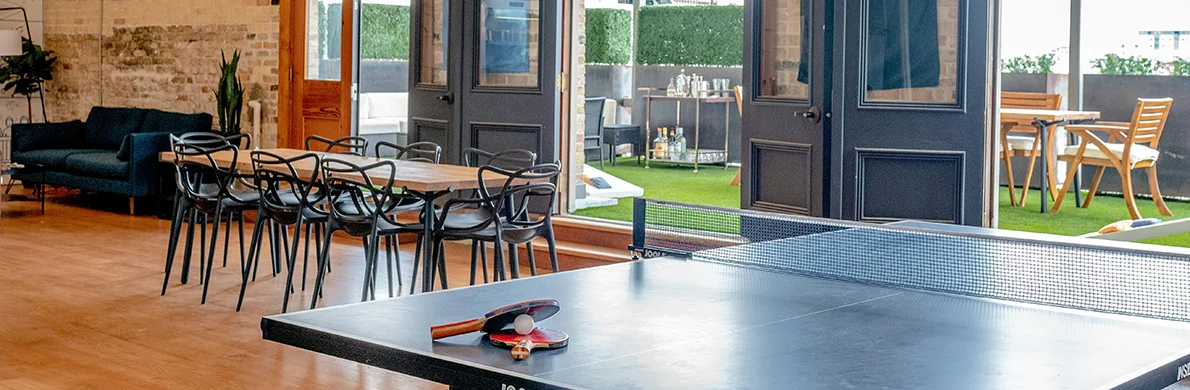
Having one or two large conference rooms that everyone on a specific floor has to share is less than ideal, even more so if it’s a client facing business. According to Robin, nearly 40% of meeting room bookings go unused, yet employees still rank finding available space among their biggest daily frustrations. The disconnect comes from a mismatch in room types, not room quantity, which means adding more large rooms rarely solves the problem.
What tenants need is a range: single-person phone booths or focus pods for private calls, small huddle rooms for 2-4 people, mid-size rooms for team meetings, and one or two larger rooms with full A/V for presentations and client visits. Soundproofing is no longer optional. Open-plan offices have made noise bleed a genuine pain point, and employees who cannot find a quiet space for focused work or sensitive calls will start to resent the office space and show up at a lower renewal rate.
Adding room-booking technology completes the picture. Platforms like Robin or Envoy let employees reserve a space from their phone in seconds, removing one of the most persistent sources of daily office friction and freeing up time they would otherwise spend hunting for a room. That kind of seamless experience is what tenants point to when they decide to renew.
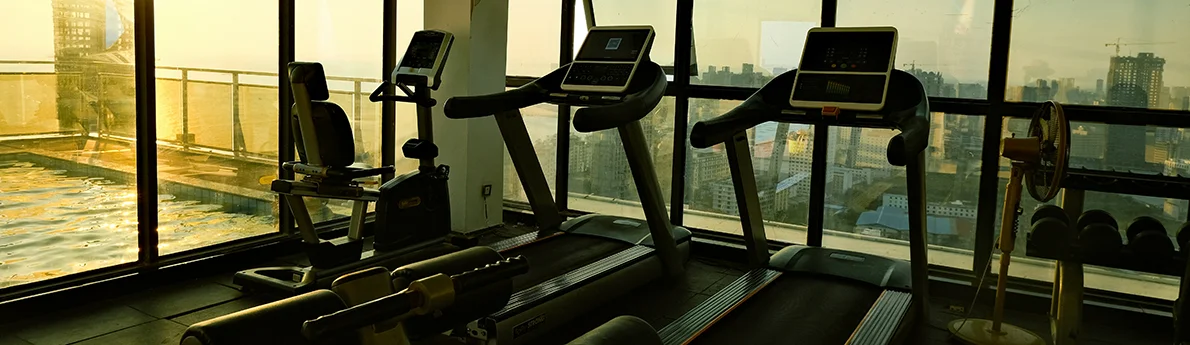
Employees take their fitness routines seriously, and with hybrid schedules making commutes less predictable, an on-site gym has become a genuine factor in whether someone chooses to come into the office on any given day.
A peer-reviewed study tracking 884 employees across three different worksites found that those who actively participated in a workplace fitness program took an average of 4.8 fewer sick days per year than non-participants. The underlying reason is direct: regular exercise strengthens immune response, reduces inflammation, and improves sustained mental focus, all of which compound into meaningfully better attendance over time.
Tenants' employees are likely already paying for gym memberships, and two cardio machines and a rack of dumbbells will not give them a reason to use yours instead. The investment threshold for a competitive facility is higher than most buildings realize: a dedicated cardio section (treadmills, bikes, ellipticals), a strength area with both free weights and machines, a stretching and yoga space, and ideally a studio for instructor-led classes, whether live or streamed. Clean locker rooms with showers matter as well: without them, on-site fitness becomes a before-the-commute luxury rather than a practical daily option, and practical daily usage is what justifies the capital investment.
Managing the program thoughtfully, by offering building-subsidized memberships as part of the lease package, turns the fitness center from a cost center into a retention lever that tenants will actively mention when talking about where they work.
Parking can be one of the biggest hassles when you’re operating in a major city or area with long, cold winters. It’s expensive and takes a lot of time to find a spot if there’s no dedicated parking lot or garage for your building.
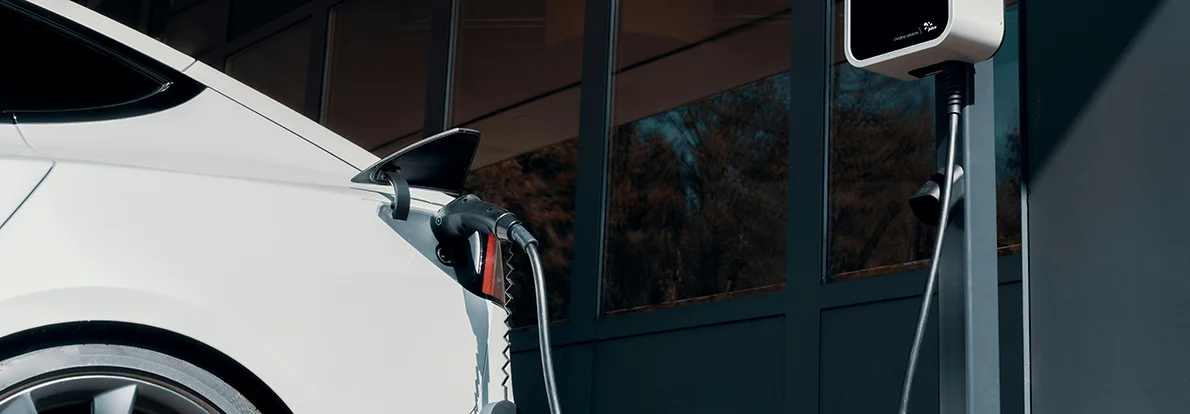
If you can provide a low cost or free place to park that provides quick access to the building, you ease the commute for everyone of your tenants that drives into the workplace. On top of that, electrical vehicles are popular and you can look to add EV charging stations to accommodate all vehicles and appeal to a wider range of tenants.
Pro tip: Provide an area for bike parking, especially if you’re in a major city!
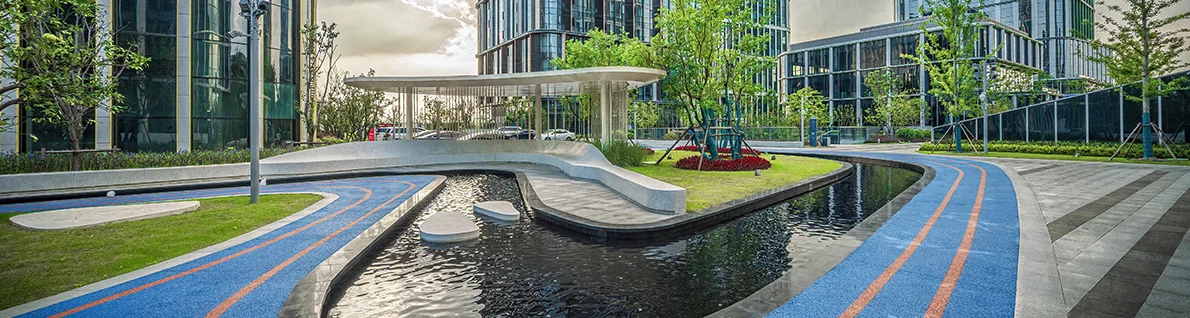
We can all think of a time when we just needed to step away from our desk for a moment and get a couple breaths of fresh air. Having access to an outdoor space to do so is important for anyone working in your building for their mental health and productivity.
If employees have a space where they can recharge and feel good in the building, they’ll be happier at work and want to stay longer (leading to a higher likelihood that they renew their contract). Rooftop lounges and patios also give companies in your building a great place to gather and celebrate occasions. If you want to go one step further, you can even utilize rooftop spaces for urban gardens and green roofs.

If your building doesn’t feel safe, people aren’t going to want to come in and won’t want to keep a long term contract in your space. For instance, the rate of car theft at commercial properties is climbing and if you aren’t protecting your tenants physical property, they’ll quickly stop utilizing your services.
Having security personnel on-site is common practice and the more safety measures you can implement the easier it will be to protect your building and clients. Having 24-hour security, CCTV systems, building access cards, visitor management programs, and backup generators will create a secure environment that tenants won’t have to think twice about.
We all know how much extra effort and energy it can take when you have to cram in an errand on your lunch break or at the end of a long work day. That’s why having on-site retail and services like banks, dry cleaners, pharmacies, or shipping centers is a strong way to entice companies to commit to a contract.
We all know the saying, “time is money,” and if you can help save your clients both by offering these types of services in your building, there’s a greater chance they’ll want to stick around. It may take a bit more management on your part to have them, but it will increase the overall value of the building to tenants and positively impact your ROI.

According to the U.S. Department of Labor, “Families spend between 8.9% and 16.0% of their median income on full-day care for just one child, with annual prices ranging from $6,552 to $15,600.” That’s a huge expense but it also creates a massive opportunity to get more tenants in your building.
If you can offer a free or heavily discounted childcare center on your commercial property, you’ll save parents that work in your building time, money, and stress. They’ll most likely never want to leave if that’s the case. You’ll have to hire a handful of people for this based on the number of people who’d want to utilize your space, but the positive impacts for your investments will be obvious.

You probably can’t add all 10 of these amenities overnight. But if you’re looking for the highest-impact starting point, upgrading your on-site food options is going to be your best bet.
Food is the amenity employees will engage with every single day. It’s the one that shapes their daily experiences most directly and can be improved without a massive capital investment. Fooda’s Popup Restaurants, Building Lunch Delivery, and Cafeteria Programs bring a new option that’s focused on providing high-quality local cuisines at affordable prices. Tenants get a food program they’ll look forward to using and you get a powerful differentiation in a competitive market!
Ready to transform your building's amenities and offerings? Learn how Fooda works or contact us today and see what’s possible for your commercial property.
How do I calculate ROI on commercial building amenities?
Track these three key metrics: tenant retention rate (cost of vacancy vs. amenity investment), lease renewal premiums (can you charge higher rent?), and time-to-lease for vacant units. For food programs specifically, measure participation rates and tenant satisfaction scores.
What's the biggest mistake property managers make when adding amenities?
Installing amenities without understanding your specific tenant base. A boutique fitness studio might thrill a building full of tech startups but fall flat with financial services firms who prefer traditional gyms. Before investing, survey your current tenants about their priorities and research what comparable buildings in your market are offering. The most expensive amenity isn't always the most effective.
Are there legal considerations when adding pet-friendly policies or childcare?
Absolutely. For pet policies, review your insurance coverage for liability, establish clear breed and size restrictions (or lack thereof), and create written agreements about damage responsibility. For childcare, you'll need state licensing, liability insurance, background-checked staff, and compliance with local health and safety regulations.
How can smaller commercial buildings compete on amenities with larger Class A properties?
Smaller buildings cannot always match the capital investment of Class A towers, but they can win on curation and flexibility. A few targeted moves consistently outperform a longer list of mediocre amenities: partnering with a rotating food program (low overhead, high daily engagement), building pet-friendly and outdoor policies that older or larger buildings cannot implement due to structural or HOA constraints, and offering flexible conference room access to non-tenants as a revenue-generating community perk. Tenants in smaller buildings also frequently cite the quality of their relationship with building management as a differentiator - a responsiveness and personal attention that no large property can replicate at scale, and that costs nothing to offer.
Which commercial building amenity has the fastest impact on tenant satisfaction after implementation?
On-site food options consistently show the fastest measurable impact because employees engage with them every single workday from day one. Other amenities: fitness centers, childcare, or rooftop spaces take weeks or months to reach peak utilization as routines form around them. A rotating food program generates visible participation and positive feedback almost immediately, which makes it the strongest choice for a property manager who needs a win before an upcoming lease renewal conversation.