Most workplace leaders agree that food matters. What they're doing about it tells a different story.
Fooda recently surveyed 100+ workplace and people leaders to understand how companies are approaching lunch in 2026. The results reveal a significant gap between intention and action. Here's what we found.
Click here to download the full guide.
Our survey found that 83% of workplace and people leaders believe food has a moderate to significant impact on workplace culture. However, only 10% describe their current program as "experience-driven," and 1 in 3 companies has no food program at all. Knowing something matters and building a strategy around it are two very different things. Right now, most companies are stuck somewhere in between.
When asked what matters most in a workplace food program, 83% of leaders said variety is important or extremely important. Not only that, but 87% also said supporting local restaurants with their food programs matters to them. Employees want food that reflects their values and keeps them interested. In a modern world with plenty of options at employees’ fingertips, generic, unchanging menus aren’t cutting it anymore.
Only 61% of leaders report actively encouraging employees to take a real break away from their desks. Meanwhile, 14% say lunch has become shorter and more transactional than it was just a few years ago. This negatively affects employee wellness and limits human connection. Employees who skip shared meals miss the informal interactions that build trust, belonging, and engagement over time. According to Aflac, employees who feel like they belong experience 23% lower burnout than those who don't.
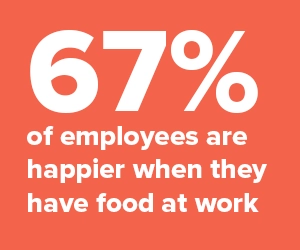
Over 60% of workers say free or subsidized meals motivate them to stay with their current employer. When you factor in that replacing a single employee can cost between 50% and 200% of their annual salary, a well-designed food program becomes more than just a perk. It’s one of the highest-ROI culture investments available to leaders today.
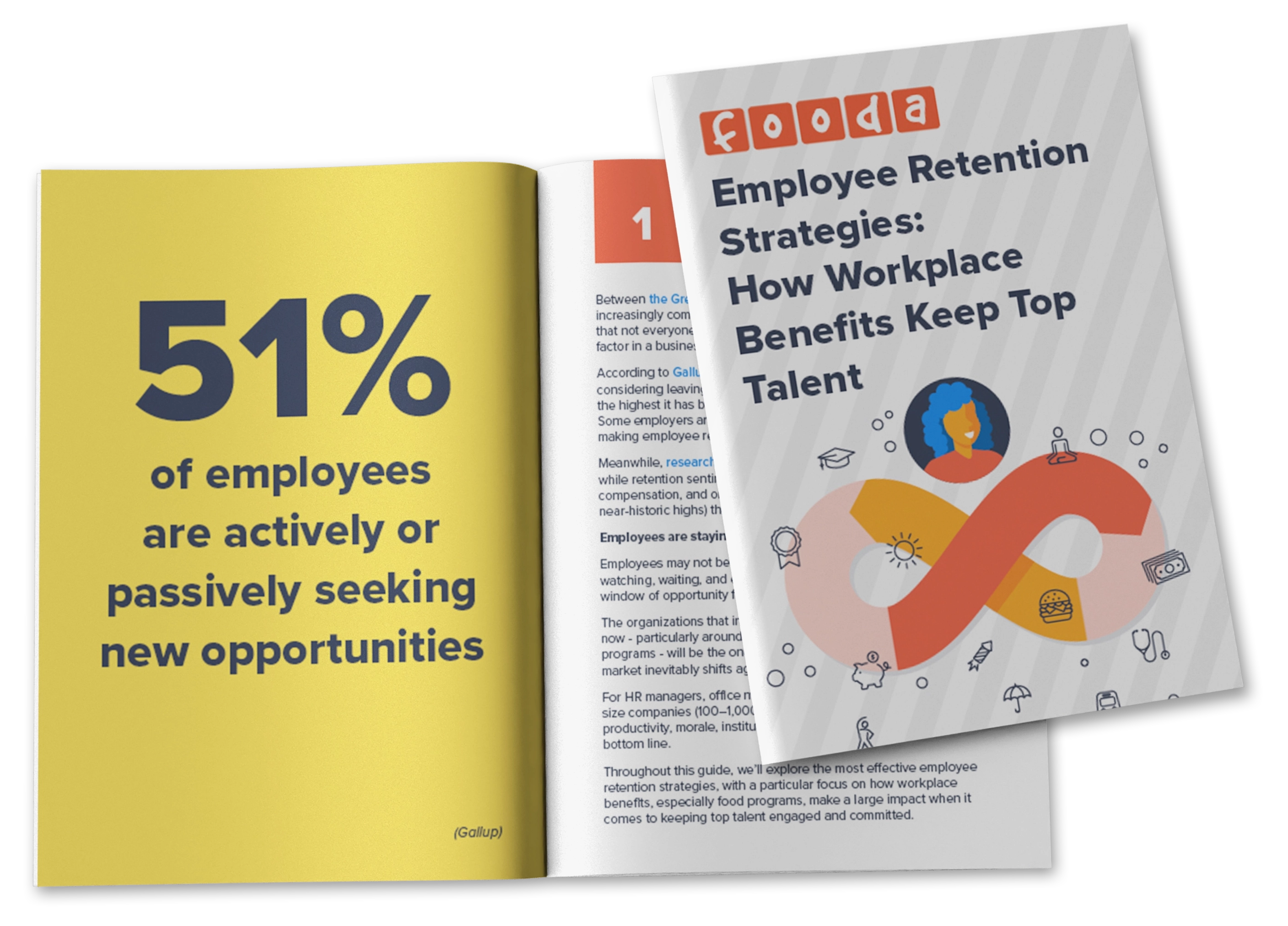
This data points to a clear opportunity, but just because you recognize a gap doesn’t mean you know how to close it. That's why we put everything we learned into The Workplace Food Program Playbook. This practical, step-by-step guide was built from Fooda’s survey findings and designed to help workplace leaders create programs that move the needle on culture, retention, and employee satisfaction.
Inside, you'll find a breakdown of what high-impact programs have in common, how to adjust your current approach, and how to choose the right format for your team.