Feeding your team is one of the highest-leverage moves a company can make, and it’s worth getting right because the payoff touches everything from attendance to retention.
Fooda’s latest “What’s Happening in the Workplace Now?” survey found that when a company provides lunch, 80% of employees feel more enthusiastic about work. That single stat explains why so many organizations are investing in office lunch programs, and why the quality of those programs matters more than ever.
This guide covers the best office lunch ideas across five categories (healthy, global, comfort, grab-and-go, and themed), a sample weekly menu template you can adapt for your team, tips on building an office lunch program that avoids menu fatigue, and a budget framework so you can pitch the program to leadership with real numbers.

Lunch in the office matters because it’s a high-impact factor that influences workplace culture and employee productivity. When employees share a meal, it creates naturally occurring cross-team interactions that lead to higher engagement scores and community building.
When employees don’t have to leave the building to find lunch, there’s a daily time savings of at least 30 minutes per person. Over a five-day week, that’s 2.5 hours of recovered focus time, which is why the ROI case for office lunch programs often pays for itself in the short and long term.
But here’s what most companies miss: employees don’t just want any free food. Fooda’s survey also found that employees demand variety, quality, and programs that support sustainability and local businesses - not just access.
So if you’re going to invest in an office lunch program, invest in one that rotates, surprises, and gives employees a reason to look forward to the midday break.
Fooda offers workplace dining solutions to take your lunch menu planning to the next level. With a rotating lineup of local restaurants, it’s easy to diversify your employee lunch menu and bring authentic flavors right into the workplace

Providing healthy office lunches is one of the most direct ways to support employee well-being, and the data backs it up. A BYU study of nearly 20,000 employees found that employees with an unhealthy diet were 66% more likely to report a drop in productivity compared to those who eat well.
Meanwhile, research in the International Journal of Workplace Health Management found a 25% boost in job performance for employees who pair a healthy diet with regular exercise.
Here are the top healthy office lunch ideas to consider:
A mix of lighter and more substantial options gives employees the freedom to match the meal to their energy level, which is why salad bars paired with a protein station tend to see the highest participation.
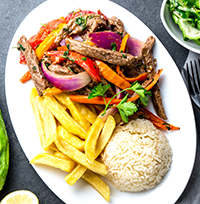
Menu fatigue is the number-one killer of office lunch programs, and the fastest fix is rotating between different global cuisines.
When employees get to explore Thai one day, Mediterranean the next, and Latin American after that, lunch becomes something worth looking forward to, which is why cuisine rotation is the backbone of Fooda’s restaurant scheduling model.
Global office lunch ideas to rotate through:
Sometimes your team needs warmth and familiarity. Whether it’s the end of a tough sprint or a Friday celebration, comfort food brings people together and gives employees a reason to pause and recharge.
Comfort food office lunch ideas:
Between back-to-back meetings and looming deadlines, some employees need a meal they can pick up and eat without sitting down. Grab-and-go options respect that reality, which is why they’re essential to any well-rounded office lunch program. Think sandwiches, wraps, and ready-to-eat meal bowls that require zero prep time.
Grab-and-go employee lunch ideas:
Pro tip: place grab-and-go options near the exit or in a micromarket. Employees who are too busy to sit down often skip lunch entirely, so making the pickup frictionless is why grab-and-go stations see 20 to 30% higher utilization than buffet catering setups.
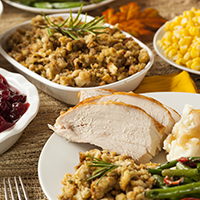
Centering your office lunch ideas around a theme keeps things fresh and gives employees something to talk about, which is why themed lunches tend to have higher attendance than standard service days. Whether it’s a holiday celebration or an interactive build-your-own station, themes create energy.
Themed office lunch ideas:
A practical rule: schedule one themed lunch per month alongside your regular rotation. It keeps the program feeling dynamic without overcomplicating logistics.
One of the most common questions program managers ask is “what does a week of office lunch ideas look like in practice?”
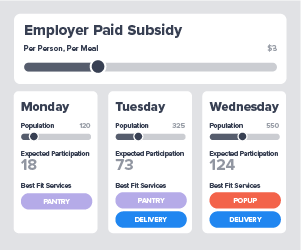
Here’s a sample rotation you can adapt. The key is balancing healthy, global, comfort, and grab-and-go across the week so no two days feel the same, which is why variety by day matters more than variety within a single day.
Budget is often the first question leadership asks, and having real numbers is why program proposals get approved.
Here’s a general framework:
Plus three ways to stretch the budget without sacrificing quality:
1. Subsidize rather than fully cover. An $8 to $12 employer subsidy per meal still feels generous and keeps costs predictable, which is why most mid-size companies that want to provide food for the teams start here.
2. Negotiate volume pricing. Restaurant partners (including Fooda’s network) offer better rates at consistent volumes. Committing to 3 to 5 days per week typically unlocks 10 to 20% savings.
3. Track food waste. Over-ordering is the biggest hidden cost. Meals from Fooda are focused on sustainable food sourcing and prepped based on real demand. This leads to clients typically reducing waste by 15 to 25% within the first quarter.
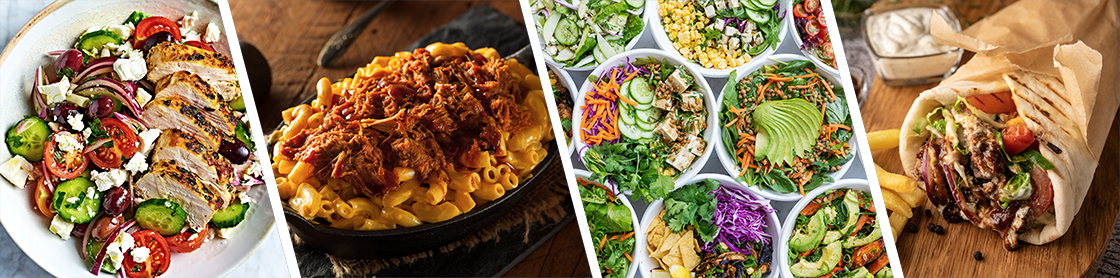
Having a list of office lunch ideas is a start, but running a workplace food program that lasts for years (not months) takes structure: rotating menus, dietary accommodations, data-driven restaurant scheduling, and a way to include everyone across the company.
That's where Fooda comes in.
Instead of juggling multiple vendors and repeating the same catering order every week, Fooda gives you a complete workplace dining system with five flexible solutions you can mix and match.
The best office lunch programs share two traits: they give employees a reason to look forward to lunch, and they run on systems that don't burden the organizer. Fooda's workplace dining solutions handle the second part so you can focus on the first.
Ready to design a highly customizable food program for your workplace? Get in touch with Fooda today.
Can office lunch programs help with employee retention?
Yes. When employees feel cared for through everyday perks like food, they're less likely to leave for marginal raises elsewhere. Companies that treat lunch as a retention lever, not a line item, consistently see higher stay rates.
What's the difference between office lunch delivery and a popup restaurant?
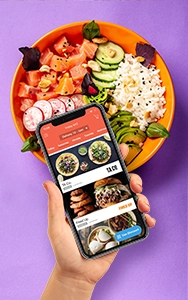
Popup restaurants bring a full restaurant into your office for on-site service, with a chef or team serving your employees live. Office lunch delivery lets each employee order individually from a rotating menu and receive their meal labeled at the office. Popups create more energy and social interaction whereas delivery gives employees more personal control. Many companies run both: Popups one or two days a week and delivery for the rest.
How long does it take to launch an office lunch program?
Most programs go live within two to four weeks from contract signing. Popup and delivery programs are the fastest, taking two or three weeks. While cafeteria setups like Orange by Fooda can take two or three months depending on build-out requirements. The biggest variable is internal alignment, which is why starting with employee surveys and leadership buy-in tends to save time later.