No matter how good your restaurant’s food is, if your menus are stagnant year after year, people will eventually grow tired of it. Allowing menu fatigue to take root amongst your customer base can lose you returners and significantly reduce your revenue stream.
By strategically and intentionally switching up your menu options, you can avoid menu fatigue, keep recurring customers engaged, and draw in new ones.
When you highlight new items and pay attention to customer feedback, you generate the visibility and loyalty that you need to stand out and grow your business.

Menu fatigue is a sense of boredom with available food choices. It’s typically caused by repeated exposure to the same menus over and over again. These stagnant options can eventually lead to decision dread when customers are forced to select from an array of dishes they either don’t prefer or have grown tired of.
If not addressed, good fatigue can begin to drive away returners. Additionally, if your menu offers the same dishes as many other local restaurants, first-time customers are unlikely to find your cuisine memorable or exciting and may not return.
Because every type of diner is vulnerable to menu boredom, keeping things stagnant can decrease revenue and make it difficult to stand out amongst the crowd. That’s why massive corporate chains and local mom-and-pop restaurants alike need to put careful thought into their menu variety.
Simply adding new dishes to your menu is a great place to start, but doing it intentionally can maximize impact. By bringing attention to new items, leveraging seasonal trends, and engaging with customer feedback, you can keep your current customers while drawing in new crowds.
Making changes to the menu doesn’t necessarily mean customers will notice. Placing table tents and having service staff talk about new items is an effective way to inform customers already in the restaurant, but it doesn’t do much to pull in fresh customers or bring back former regulars.
By being strategic about your promotions, you can reach a wider audience. One low-effort way to raise awareness is by posting signs on windows and sidewalks. This will be especially effective if your restaurant is located in an area with heavy foot traffic.
Alternatively, you can leverage social media. This allows you to reach wide audiences, and it isn’t reliant on who happens to walk by. Highlighting new additions online brings awareness and builds intrigue, encouraging potential customers to come in and sample your new offerings.

Popular seasonal ingredients give you an opportunity to test out new ideas. Serving pumpkin pie in the fall or strawberry salads in the summer can satisfy cravings that keep customers coming back month after month.
If you want to try out something that’s a little different from your usual offerings, marketing it as a seasonal item gives you a low-risk way to do it. You can make these additions permanent if they become fan favorites, or take them off the menu without attracting unwanted attention if they underperform. That delicious idea you have could become your next bestseller, but you won’t know until it’s on the menu.
Consumers like to see the people behind the brand. They want to interact with you and know that their patronage is appreciated. Altering your menu gives you a natural way to start a dialogue with your diners.
Ask for feedback on new dishes or create polls on social media. By taking diners’ feedback into account in a visible way, you make them feel heard. It’s a low-cost way to build loyalty while giving you valuable insight into their preferences. You can make sure your fresh ideas are catered to them, increasing engagement and helping you build a solid brand identity.
Offering specials can encourage more customers to try your new and seasonal dishes. Their feedback will help you gauge success and adjust accordingly. Customers are more willing to try something new if it’s discounted, as they won’t have to pay full price for something they may or may not enjoy. By encouraging them to try new dishes rather than ordering the same go-tos, you can prevent menu fatigue before it starts. This creates a sense of safety that can build lasting comfort.
Promotional deals can also bring in new customers for the same reason. They’ll be excited about the savings rather than hesitant about the possibility of being let down. By introducing them to your menu with a new item, you communicate that you shift menu items regularly, incentivizing them to check back in from time to time to see what’s new.
Avoiding menu fatigue goes beyond preventing customers from becoming apathetic. Making active, strategic changes can build trust and intrigue that turn first-time customers into returners. This approach has been proven to increase revenue in multiple ways.
A study performed by CustomerHero found that a 5% increase in customer retention can lead to a 25-95% raise in profits. That’s significant growth potential that shouldn’t be ignored. Introducing new and innovative dishes to the menu can help you stand out and engage returners, making them more likely to spread awareness through word of mouth.
Each new customer is a potential regular. By highlighting frequent menu changes and improvements, you give first-timers a reason to return. The promise of new seasonal items and bold innovations can easily pull them back in, building loyalty that boosts revenue and overall awareness.
According to a study conducted by Toast, on average, 7% of a restaurant’s customers are frequent returners. Despite this low percentage, these regulars can account for up to 50% of its volume. This gives restaurant owners a strong incentive to put effort into keeping their customers invested.
Toast also found that recurring customers are 80% more likely to be willing to try new menu options because they already feel confident in the quality of the food. This level of comfort makes customers less likely to stick to the same orders every time, encouraging them to explore and keeping them from growing tired of their options.
If your menu is constantly changing, customers will want to keep coming back to try out your new dishes. Keeping customers engaged builds loyalty, which can greatly increase revenue. Not only does it maintain more consistent traffic, but it also makes customers more likely to spend more when they come in.
The same Toast survey also found that U.S. adults that dine out or order at least twice a month are 34% more likely to spend extra money at restaurants they frequent regularly. They trust the kitchen enough to be willing to splurge, knowing that they’re paying for quality food. 77% of these customers also say that they tip more at restaurants they visit often.
When regulars appreciate the consistent appeal your restaurant provides, they become valuable sources of revenue for restaurant owners and staff alike, making it especially important to make frequent menu changes.

Fooda brings great local food to people at work. We have multiple programs, and they’re all built on variety, quality, and powered by local restaurants.
Oftentimes, restaurants face low or inconsistent attendance during lunch hours, especially if they’re not located in bustling business districts. Staffing for these hours can be a gamble, as you may end up spending more money than you bring in. It can also lead to significant food waste if you prep more meals than you end up serving.
By partnering with Fooda, you gain reliable access to a consistent customer base. You can bring in staff knowing that you’ll have orders during every lunch period, creating a completely new source of revenue.
This can provide you with the additional income you need to grow, rather than just maintain. There’s more room to experiment and take risks with your dishes, and you can be comfortable innovating knowing that you have the revenue to support development and roll-out, making it easier to make consistent changes and avoid menu fatigue.
In addition to providing consistent revenue during lunch hours, working with Fooda also expands your reach. Customers who wouldn’t normally have come across you get the chance to sample your menu, generating more potential regulars.
If their food programs are subsidized, they’ll be even more inclined to give your restaurant a chance, as they’re not risking spending money on something they won’t enjoy. They get to explore their local restaurant options risk-free. When they’re satisfied with what they get, they’ll be more comfortable exploring your menu instead of sticking with the same “safe” options they’re positive they’ll enjoy.
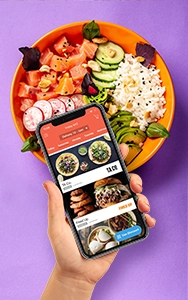
Partnering with Fooda also gives you a great marketing opportunity. Employees will see your logo on their delivery bags, in the cafeteria, or on their daily Popup menus. You’ll move beyond “that place I tried last Tuesday” and become a recognizable brand. This builds trust and familiarity that makes them more likely to keep coming back and trying new dishes.
Fooda’s workplace food programs were built to prevent menu fatigue. They all rotate through different restaurants each day. None of our business partners are confined to the same few restaurants week after week.
Instead, we’ve built an expansive network of 4,500+ restaurants. Because of this, no one company will be offered your restaurant multiple times per week. Instead, you service different organizations each day, so your dishes feel new and exciting every time they appear on the menu.
This can also help you conserve some of your resources. Fooda customers don’t get access to your full menu, but a selection of around 10–15 dishes. This simplifies prep time, and our rotating model makes it easy to keep those menus consistent without risking menu monotony, allowing you to focus your energy on keeping your brick-and-mortar offerings fresh.
Are you ready to grow your business with Fooda? Contact our restaurant team today to learn more about what Fooda can do for you.
How often should a restaurant update its menu to avoid menu fatigue?
Most restaurant consultants recommend refreshing at least 10–20% of menu items every quarter. Full-service restaurants can typically stretch changes out longer than fast-casual concepts, since diners expect more stability from a sit-down menu and more novelty from a quick-service one.
What are the early warning signs of menu fatigue at a restaurant?
Common indicators include a rise in the same handful of orders while other dishes go untouched and declining repeat visits from previous regulars. Slowing lunch traffic from nearby offices or businesses is also a signal worth paying attention to, since workday diners are more prone to rotating away from stagnant restaurants.
How much does it cost to test a new menu item before adding it permanently?
Costs vary by dish complexity, but many operators pilot new items as limited-time specials first, which lets them gauge demand without committing to new supplier contracts or retraining staff on a permanent basis. This approach also limits food waste risk, since kitchens can order smaller batches of specialty ingredients rather than stocking up for a full menu addition.
Can rotating restaurant partners solve menu fatigue for workplace food programs?
Yes. Programs that bring in different restaurants on different days, rather than relying on the same handful of vendors each week, prevent employees from encountering repeat menus even if the restaurants’ offerings stay fairly consistent. This model shifts the burden of variety from individual restaurants to the workplace food program structure.