Figuring out what snacks to offer isn’t the hardest part about building an office pantry. The real challenge lies in budgeting – how much can you expect to spend on snacks and drinks for your employees?
Between meeting your employees’ expectations and balancing them with your finances and infrastructure, there’s a lot that goes into planning your budget for an office pantry service.
From the types of snacks to offer to the daily spending limit for each employee, you’ll want to consider several factors when planning a budget for office pantry services. Let’s break down the six main questions you need to ask so you can plan your budget more effectively.

This doesn’t have to be an exact headcount. But having a fair idea of how many employees come into the office on a typical workday helps you figure out the rest – including your daily expenses and restock schedule. It won’t make sense to stock up for 1,000 employees when only 500 work on-site on average, as you’ll end up with excess stock and expired items you have to throw out.
So it’s especially important for offices with a hybrid setup to estimate their headcount because attendance patterns can fluctuate drastically between different days of the week.
Dig into your attendance data to assess average headcounts throughout the week. Identify patterns, like when people are most likely to come into the office. For example, you might see higher attendance on Mondays when employees get free catered lunches. Meanwhile, attendance might drop on Fridays as people choose to work offsite and take it easy in preparation for the weekend.
You’ll then need to figure out how much each employee gets to spend per day for your office pantry. This will depend on a number of factors like the types of snacks, the variety of your offering, and more. For instance, premium beverages will obviously call for a higher budget, while offices can also keep their per-person budgets low with basic coffee.
Think about the type of experience you want your employees to have. Then consider how much it costs to deliver that experience.
For example, an SWNS survey found that the average (coffee-drinking) office worker needs more than two cups of coffee to feel productive. For your employees to get their daily dose of caffeine for a productive workday, you’ll need to account for the cost of at least two cups of coffee. On average, an office coffee program will cost anywhere between $2 and $14 per employee per month, depending on how robust your offering is.
Considering these factors, here’s a quick example of how the snack selection for different budget tiers might look like:
Some office snack programs only sound great in theory. Say you claim to offer a vast selection of items, but employees only get to choose from rows of empty shelves when they want to grab a bite. How will this affect their experience?
Empty shelves aren’t just a result of poor office pantry management; some companies just don’t have the budget to restock their pantry on time. That’s why you need to consider your delivery cadence while you’re planning your budget, not after. Consider your monthly pantry spend and then decide on a restocking schedule that aligns with it.
For example, you’ve allocated around $3,500 per month for your office pantry. In this case, you could schedule deliveries worth approximately $400 two times a week.
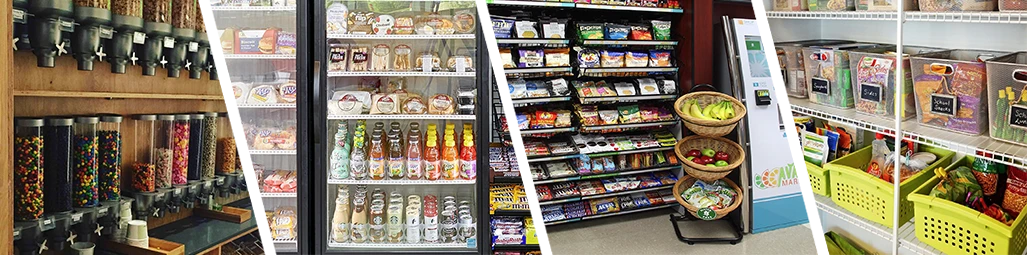
Your pantry budget heavily depends on the types of snacks you offer. Basic options like trail mixes, protein bars, and crackers will work even for those on a limited budget. But if you’re looking to offer premium and healthy snacks like fresh fruit salad, Greek yogurt, gourmet nuts, or organic chips, you’ll need to plan for a higher spend.
Similarly, budgets will largely vary between offices that provide basic coffee and those that have a full range of premium beverages. So survey the office and lay out all your snack options to help you plan a budget for office pantry services.
Deciding on a service provider is easily one of the biggest challenges of planning a budget for office pantry services. Rates vary between providers, especially since they all have very different service offerings to choose from. Someone who offers a full-service solution (vendor management, infrastructure, and restocking) will obviously charge more than someone who only provides stocking services, for instance.
Plus, you’ll need to consider whether you want to work directly with multiple vendors or partner with a third-party service. With solutions like Fooda Pantry, you can keep your office stocked with tasty and nutritious snacks from local vendors and suppliers without having to deal with logistics.
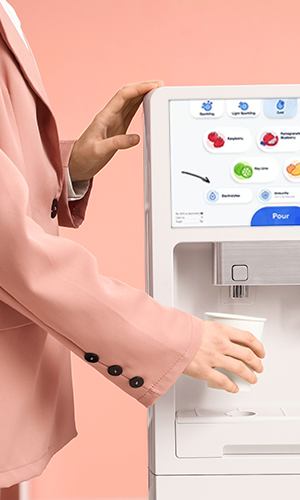
There’s also the question of equipment and infrastructure. If you’re offering a vast selection of snacks and beverages, you’ll need to account for a higher equipment spend. And smart vending solutions will also need more high-end (expensive) equipment.
Depending on your service provider, you may be able to rent the equipment instead of having to buy it yourself. So you can expect a lower initial investment in this case.
Managing your office pantry budget is all about maintaining a balancing act. You want to keep costs down while keeping your employees fed and happy. Let’s break down a few best practices to help you budget effectively.
Food waste eats away at your budget. And it’s not just leftovers that amount to food waste; it’s also the uneaten and expired food. You don’t want to line your shelves with things that sit untouched for weeks on end. Dusty packets and stale items are a money drain for your office pantry.
Instead, the more you stock up on items that employees actually want to eat, the less food waste you create, and the more money you save.
So what does your team really want? Use your sales data to find out.
Keep a close eye on demand patterns to get a good understanding of the snacks that your employees love to eat and the ones they end up wasting. You could even see if there are particular times of the month or year when demand shifts.
Does a particular brand of granola bars always run out within a week? Are your beverage machines constantly out of a certain type of drink? Or perhaps you usually end up having to throw out a certain fruit at the end of the week. You might even notice snacks running out earlier at the end of the quarter when teams are likely to experience intense crunch time.
All of these details can inform how to stock up on the right snacks at the right time. So you’re not wasting money on items that don’t perform well. Kale chips may seem like the perfect healthy snack. But if they’re just gathering dust in the vending machine, you’re wasting resources on them.
While demand should be the biggest consideration, you also need to keep affordability in mind. So you’re not overspending on premium snacks just because there’s a high demand.
It’s all about maintaining the right balance between the essentials and the novelty. Keep a decent selection of affordable staples like nut mixes, protein bars, and fresh fruit – snacks that you can always count on without breaking the bank.
Then mix things up to keep it fresh and exciting. Rotate seasonal snacks and new flavors every once in a while. Try adding trending health foods (think: grab-and-go chia pudding) or viral flavors taking over the internet (hot honey crackers and Dubai chocolate treats, anyone?)
This gives you the opportunity to test what your team likes, which means you can make data-driven stocking decisions.
A free snack program may be great for employees, but it can get quite expensive. Some organizations may choose to offset costs by limiting snack options. But this means your employees are missing out on their favorite treats or a decent selection of healthy items.
Instead, you could go for a hybrid model where you share costs with employees. That way, you’re still offering a generous selection of snacks without draining your resources. A cost-sharing model may look something like this:
Some companies may also provide coupons and meal credits that employees can redeem partially or in full to buy their snacks.
Ready to make it happen? Fooda Pantry offers a wide range of office snacking solutions to meet your unique business needs. From self-service micro-markets to convenient grab-and-go options, you can find an office pantry service that’s built for you.
A small operation offering a few basic snacks will not need high-end equipment or a full-fledged market. Meanwhile, an organization that wants to offer a premium snacking experience for thousands of employees will need a full range of high-quality snack and beverage offerings. Fooda helps you tailor a pantry solution that fits the exact needs of your business – regardless of your budget or headcount.
Want to set up a coffee station with gourmet brews for your team of coffee aficionados? Or offer fresh salads and chia pudding in grab-and-go bowls for your more health-conscious teammates? What once sounded far-fetched is now possible with Fooda Pantry.
From Bevi machines that dispense electrolyte flavored sparkling water to fresh options in a refrigerated Farmer’s Fridge, you can get premium snack solutions to keep your employees fed and satisfied.
Even if you want to keep it simple with basic snacks and drinks that everyone loves, Fooda partners with local vendors and suppliers to keep your office fueled – no matter what snack experience you want to offer.
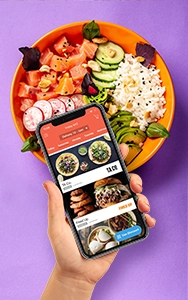
Managing subsidies for hundreds (or even thousands) of employees just got easier with Fooda’s app-based system. You can use the app to add or delete members, allocate funds, or increase and decrease the amount in just a few clicks.
So whether a new recruit is eligible for a $4 snack subsidy or someone’s subsidy just went from $7 to $10 after a promotion, you can manage it all using the Fooda app.
It even lets you allocate subsidies by day or product type. That means you can effortlessly provide extra snacks on certain days (like during the end-of-quarter crunch time) or subsidize employees for choosing healthier snack options.
Perhaps one of the biggest benefits of choosing Fooda Pantry is the access to robust data insights. You can keep track of usage trends and site-specific end-user preferences to inform your stocking decisions.
Are people in your LA office favoring flavored water over coffee? Or perhaps your Boston team loves the classic Cape Cod chips over the 40% less fat variety? All these insights can help you decide what to order and when, so you’re not stocking up on items that will sit forever on your shelves.
We can help you create an office pantry program that’s perfectly tailored for your company. Get in touch with us today and find out how Fooda Pantry can help.
Yes, Fooda can stock items that accommodate various dietary needs including gluten-free, vegan, dairy-free, nut-free, and kosher options. When planning your pantry, survey employees about their dietary requirements and preferences. This makes sure everyone has snack options they can safely enjoy and helps prevent food waste from items that can't be consumed.
Fooda helps you monitor inventory to prevent expiration issues. But you can also consider donation programs where unexpired but slow-moving items are donated to local food banks or shelters, reducing waste while supporting your community.
Setup timelines vary based on the complexity of your program. A basic pantry with shelving and simple snacks can often be installed in as little as 1-2 weeks. More comprehensive programs requiring vending machines, refrigeration units, or micro-markets may take 3-6 weeks to fully implement. This includes time for needs assessment, equipment installation, initial stocking, and vendor onboarding.