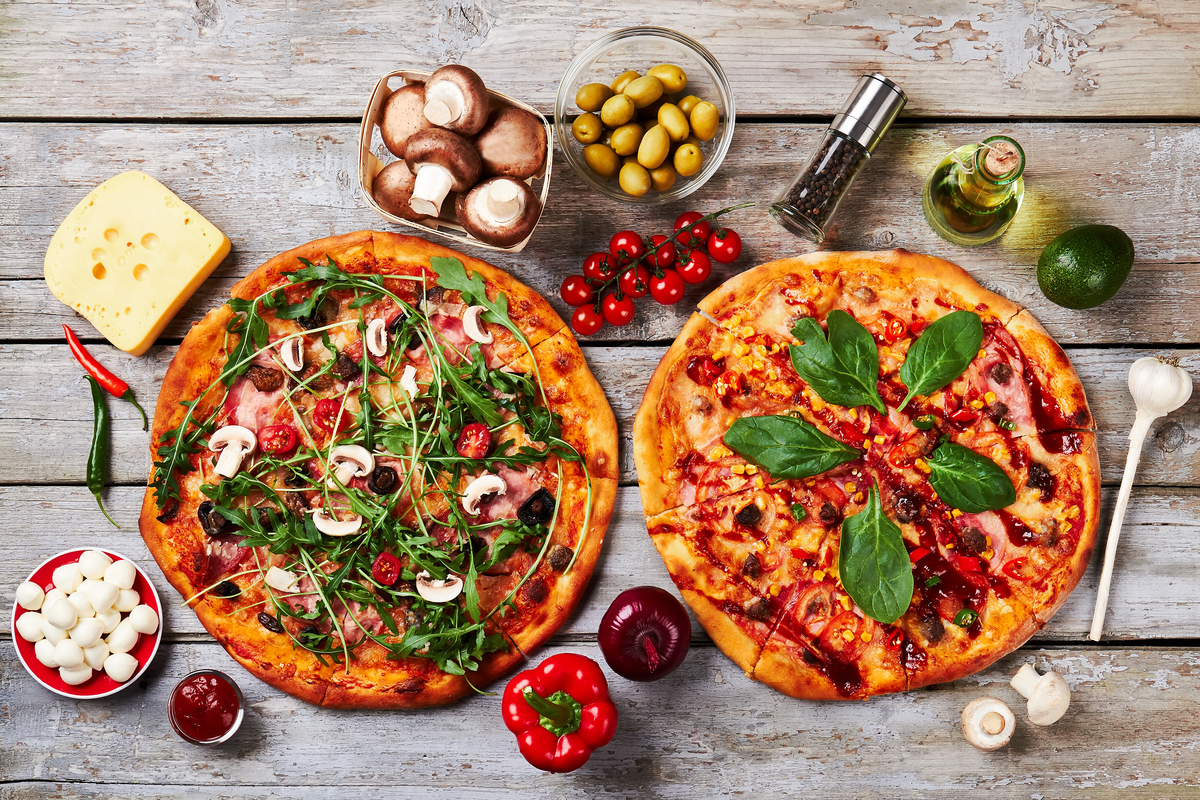
Pizza in Los Angeles is unlike pizza in any other city because the city refuses to commit to one style. New York slices, wood-fired Neapolitan, Detroit squares, Chicago deep dish, vegan pies with cashew cheeses, and gluten-free crusts that finally taste intentional all share the same scene.
That range matters for office lunches too, since pizza is one of the few orders an entire team agrees on without thinking twice about it.
Whether you’re looking for your next neighborhood favorite or trying to switch up the usual office lunch routine, these are the best pizza places in Los Angeles to try in 2026.
Ask people in LA where to get pizza and you’ll probably get ten different answers. That’s part of what makes the city’s pizza scene so interesting in the first place. It’s not always about finding the best slice or pie, it’s more about finding a spot that works for your preferences.
Regardless, here are some of the best pizza places in LA:
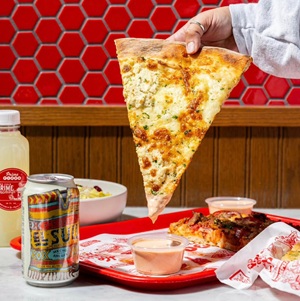
New York-style pizza has a pretty serious presence in Los Angeles. Big foldable slices, thin crust, quick lunch spots, late-night slice counters. Some LA spots keep things classic, while others lean into sourdough crusts or better ingredients without overcomplicating it.
Prime Pizza is one of the most consistent New York-style slice spots in LA, with multiple locations across the city and a menu built around slices, whole pies, and simple combinations.
It shows up often in office orders because it’s fast, reliable, and nobody needs to overthink it.
Danny Boy’s leans into a classic New York slice identity: large slices, slightly thicker structure, and a focus on straightforward combinations rather than specialty experiments. People usually grab it between meetings or for quick lunch breaks when there’s no time for a sit-down decision, it fits naturally into that in-between office rhythm.
Vito’s keeps things very simple with a neighborhood-slice approach: minimal menu, big portions, and a focus on consistency over variety. It’s the kind of place people don’t really plan for. It just becomes the default when teams need something easy.
Apollonia’s is best known for its New York–style rounds and Sicilian grandma squares with a thick, airy base and crisp cheese edges. Squares are typically limited and released at specific times, which is part of why people keep talking about it in LA. It works better for planned lunch breaks or coordinated group orders than for last-minute decisions.
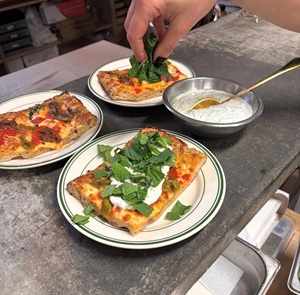
Detroit-style pizza has gotten really popular in LA over the last few years. Crispy edges, thick crust, square slices. It’s filling, easy to share, and holds up really well for takeout and delivery.
Quarter Sheets started as a pandemic pop-up before becoming a full Echo Park restaurant, and it still keeps that slightly underground feel. The menu also shifts seasonally, which keeps regulars checking back. It works best when people are open to adjusting plans around what’s available that day.
Gorilla Pies is a more indulgent take on Detroit-style pizza, with heavier builds, thicker crust, and a focus on big, shareable portions. It’s the kind of pizza that tends to show up in group orders rather than solo lunches.
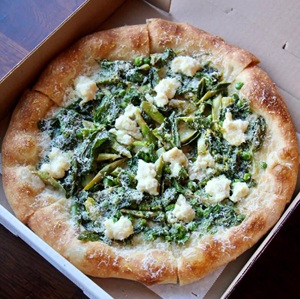
Wood-fired Neapolitan pizza fits naturally into LA’s food scene. These are usually the places with smaller pies, outdoor seating, good ingredients, and dinners that somehow end up lasting longer than expected.
Pizzeria Mozza is Nancy Silverton’s long-running Hollywood institution, with thin, chewy, slightly charred crusts pulled from a wood-fired oven and toppings that lean seasonal rather than traditional. The style borrows from Neapolitan technique without copying it, which is why Mozza became its own reference point for upscale LA pizza. Best for a planned sit-down or a small group dinner where the pizza anchors a larger meal.
Pizzeria Bianco is the LA outpost of Chris Bianco’s Phoenix-based restaurant, known for wood-fired pizzas with a very restrained approach to toppings and composition. The menu is intentionally small; the focus is on how it’s made. It works best as a planned sit-down, more of a pause in the day than a quick lunch grab.
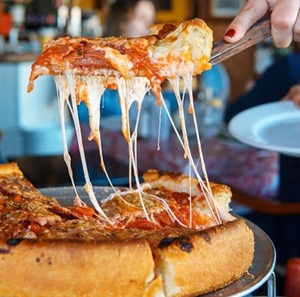
Deep dish might always belong to Chicago first, but LA definitely has places doing it well. Most spots here keep the heavy cheese-and-sauce energy people want from deep dish, just without making the whole experience feel too traditional or over-the-top. And honestly, nobody orders deep dish expecting a light meal. That’s kind of the point.
Masa is one of the most established deep dish spots in LA, serving Chicago-style pies with a dense, layered structure and long bake times. It’s more of a sit-down meal than a quick lunch.
Pizz’a Chicago has been running in Pasadena for decades, serving traditional Chicago-style deep dish with the long bake times, layered build, and dense slice you would expect from a real Chicago import. The 30 to 45 minute bake is part of the deal, so it works as a planned sit-down or a coordinated group order rather than a quick lunch grab.
It would honestly be weird if Los Angeles didn’t have good vegan pizza. The city has some genuinely great vegan spots, and a lot of regular pizza restaurants have also gotten much better at vegan options over the years.
The biggest difference now is that vegan pizza in LA actually feels like part of the menu. Restaurants are experimenting with cashew cheeses, different crusts, and toppings people order because they want them, not just because they need an alternative.
Purgatory Pizza is a Boyle Heights staple with a fully developed vegan menu running alongside its standard pies. That setup makes it useful for mixed groups, since one order can cover vegan and non-vegan eaters without splitting the decision across two restaurants.
Pizzana is known for Neapolitan-style pizza but also includes vegan options within the same menu. It fits best in mixed groups where not everyone eats the same way but the table still wants a shared experience.
De La Nonna operates with a casual, shareable Italian-inspired menu where vegan-friendly options are naturally integrated. It originally grew out of a pop-up format before becoming a permanent DTLA location. It tends to show up in group meals where ordering is shared and flexible rather than rigid.
Gluten-free pizza has also gotten much better in Los Angeles. Most good pizza spots offer gluten-free crusts now, but the better restaurants make them feel intentional instead of like something they added at the last minute.
Blaze Pizza is a fast-casual build-your-own concept where gluten-free crust is treated as a standard base option. It works best in fast lunch situations where people want customization without slowing down the group.
Pitfire offers gluten-free crust as part of a more traditional sit-down restaurant experience. It fits best in casual office lunches where there’s still a bit of breathing room in the schedule.
Lamonica’s NY Pizza offers gluten-free crust as part of its long-running LA slice shop format, with quick turnaround and no-frills execution. It works best in straightforward lunch situations where speed and familiarity matter most.
Not every great LA pizza spot fits cleanly into a single style. These are the places worth knowing for the times your team wants something different from the standard slice run.
Ozzy’s Apizza follows a New Haven-style approach with thin crust, charred edges, and a focus on simplicity rather than variation. New Haven apizza is its own tradition, traditionally coal-fired with a slightly drier, charred finish, which is why it sits apart from both Neapolitan and standard New York-style. It fits into quick, straightforward meals where the decision is easy and the execution speaks for itself.
Pijja Palace blends Indian-inspired flavors with pizza formats, creating combinations that don’t follow traditional pizza logic but still feel balanced. It operates in a casual, social environment, which naturally turns it into a shared meal where people order, mix, and pass slices around.
Looking for other great office lunch options in LA - check out our catering and delivery blogs!
You know where to find great pizza in Los Angeles. The real challenge is getting it into the workplace in a way that doesn’t turn lunch into a logistical nightmare.
That’s usually where things slow down, not the food, but everything around it. Who’s ordering, how many pizzas, what toppings, when it arrives, and how it fits into a day that’s already moving before anyone stops to eat.
This is where Fooda comes in, to handle any coordination around bringing local pizza and food into your workplace.
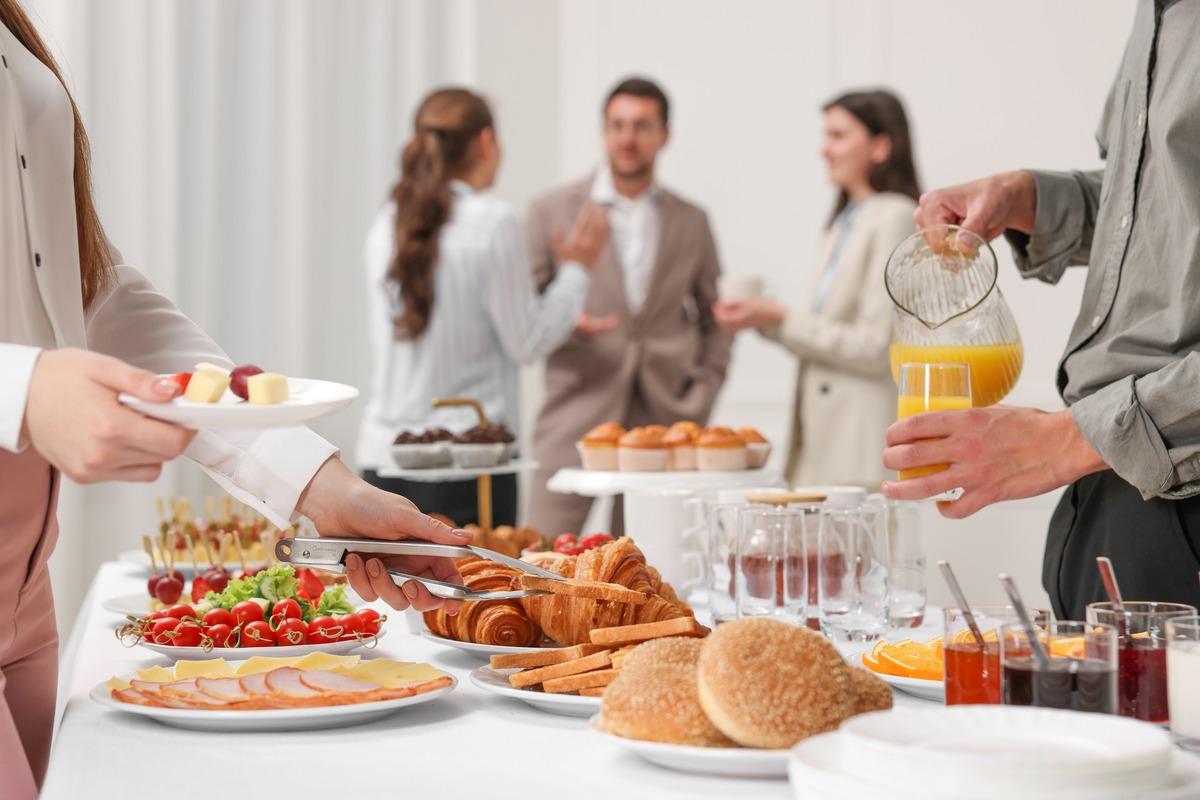
With Popups, local restaurants come directly into the office on a rotating schedule, set up inside the building, and serve fresh meals on-site. Minimal space is required and it brings teams together around a shared meal without leaving the office.
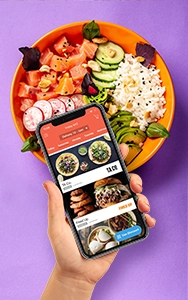
Through our Office Lunch Delivery, employees order individually from a virtual food hall with rotating local restaurants. One person could order pizza, while others who don’t want that can mix and match from other restaurants on the list that day. Everything is then delivered at a set time by a dedicated driver who has access to your building.
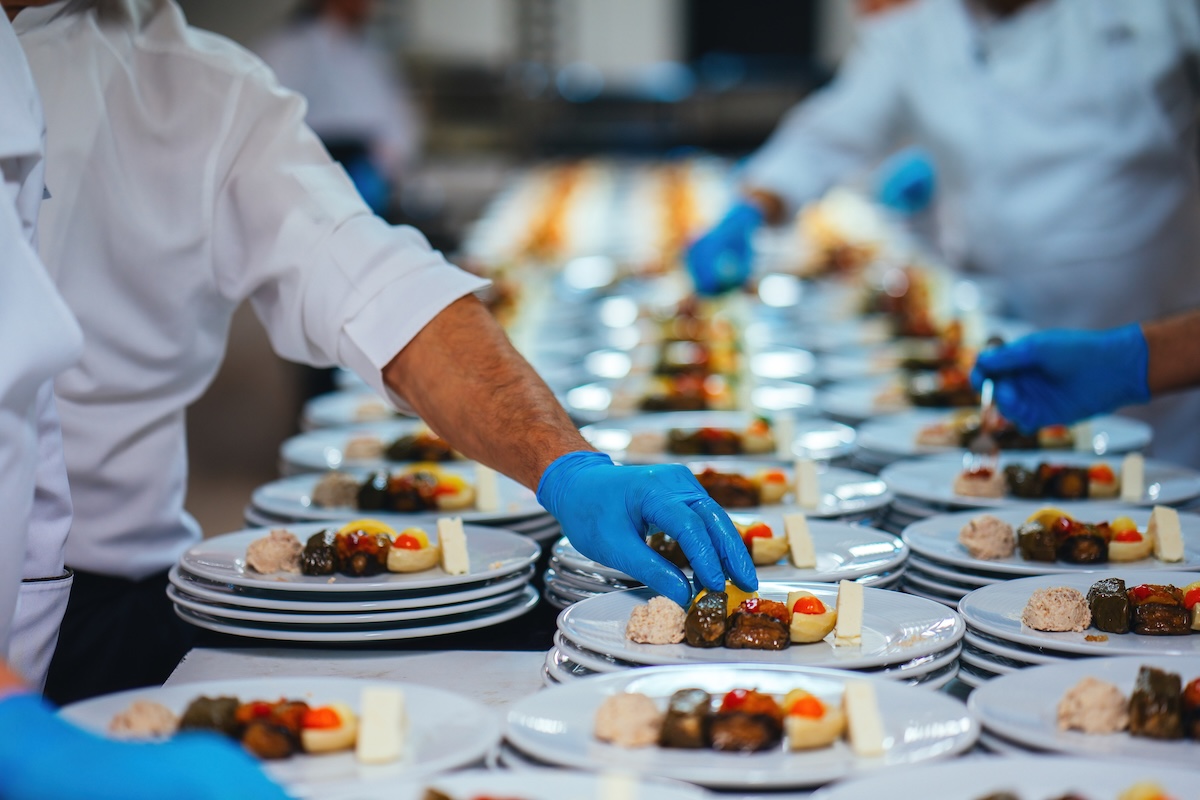
Corporate Event Catering fits into that same system as well, especially for staff meetings or all-company moments where structure matters more than rotation. Instead of standing apart from the other formats, it works as another way to keep meals organized at scale without adding extra coordination on the office side.
Fooda’s property technology and subsidy options sit across all of it, helping shape participation and making workplace meals more accessible without changing how the system runs day to day.
If you’re looking to bring the best pizza in LA to your workplace, talk to a Fooda expert and learn more about the easiest way to bring local favorites to your office.
How does Fooda decide which restaurants show up in a workplace?
Fooda works with a rotating network of over 4,500 local and independently owned restaurant partners, curating different options based on availability, performance, and local relevance. The mix changes regularly so employees aren’t seeing the same set of options every day, and offices get a range of familiar local spots over time.
What’s the difference between Fooda Popups and Office Lunch Delivery?
Popups bring local restaurants directly into the workplace to serve meals on-site during a set window, while Office Lunch Delivery brings individually ordered meals from rotating local restaurants and delivers everything at once to the office. Both are designed to remove the need for daily coordination around lunch.
What problem is Fooda actually solving in an office setting?
Fooda removes the coordination layer around lunch: ordering, timing, and group decision-making. The structure is designed so lunch is already organized before anyone has to step in.