HR managers carry one of the broadest mandates in the company. Policy, culture, recruitment, retention, and day-to-day employee experience all run through their function, which makes choosing the right perks and programs especially consequential.
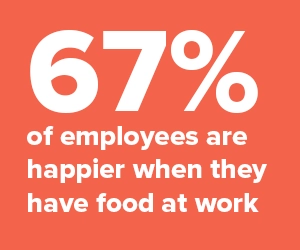
Food sits near the top of that list. According to the Fooda Workplace Lunch & Food Program Survey, 2026, 83% of workplace and people leaders say food has a moderate to significant impact on workplace culture, and 41% call it a core part of culture. That impact is why a well-designed employee meal program is one of the highest leverage moves an HR leader can make to improve the daily workplace experience.
This guide walks through how to use workplace meal programs strategically, the solutions worth considering, and the practical steps to design something employees will look forward to using every single time they’re in the office.
An employee meal program does more than keep people fed. Here are the biggest ways it pays off for HR teams:

The Fooda Survey also found that 47% of companies now actively encourage team members to eat together, and 61% encourage employees to take a real break away from their desk. The mechanism is simple: when people share meals and step away from their screens, they connect, decompress, and return to work more focused. That's a daily engagement input most other perks can't match.
Independent research backs this up. Tork's "Take Back the Lunch Break" survey found that 88% of employees feel refreshed and reenergized after stepping away for lunch, and 91% say breaks help them maintain mental focus. The downstream effect on engagement is real: rested, well-fed employees are more attentive, more collaborative, and less prone to burnout.
Food is a low-friction perk candidates can picture immediately. The ADP Market Pulse survey found that 64% of professionals consider free food at work an "important to have" benefit in recruitment, and LinkedIn's Global Talent Trends found that 62% of candidates rank compensation and benefits as the top factor when evaluating job opportunities, ahead of work-life balance and flexibility.
That visibility matters because most other perks (insurance, 401k match, PTO) look similar across employers. A thoughtful meal program creates a tangible day-one difference, which is why many companies surface it in job listings to convert undecided candidates.

A meal program also gives current employees a small, daily reason to value where they work. That same Tork survey found that more than 9 in 10 employees are more likely to stay at a company where leadership encourages real breaks.
Replacing a single employee costs roughly six to nine months of their salary in recruiting, onboarding, and lost productivity, so a meal program that improves employee retention, preventing a handful of departures a year often pays for itself.
Most HR leaders already see the upside of a meal program. The harder part is launching and running one without it consuming bandwidth. These are the recurring obstacles:
Employee meal programs range from basic in-office provisions to full-fledged food halls with freshly cooked meals. This gives HR managers more flexibility to choose a program that works for their office based on factors like budget, team structure, workplace facilities, and employee preferences.
The Fooda Workplace Lunch & Food Program Survey, 2026 found that 33% of companies don't currently offer a food program at all. The other two-thirds run some type of program, ranging from cost-optimized to fully experience-driven.
So naturally, the first question is which end of that spectrum your company wants to live on.
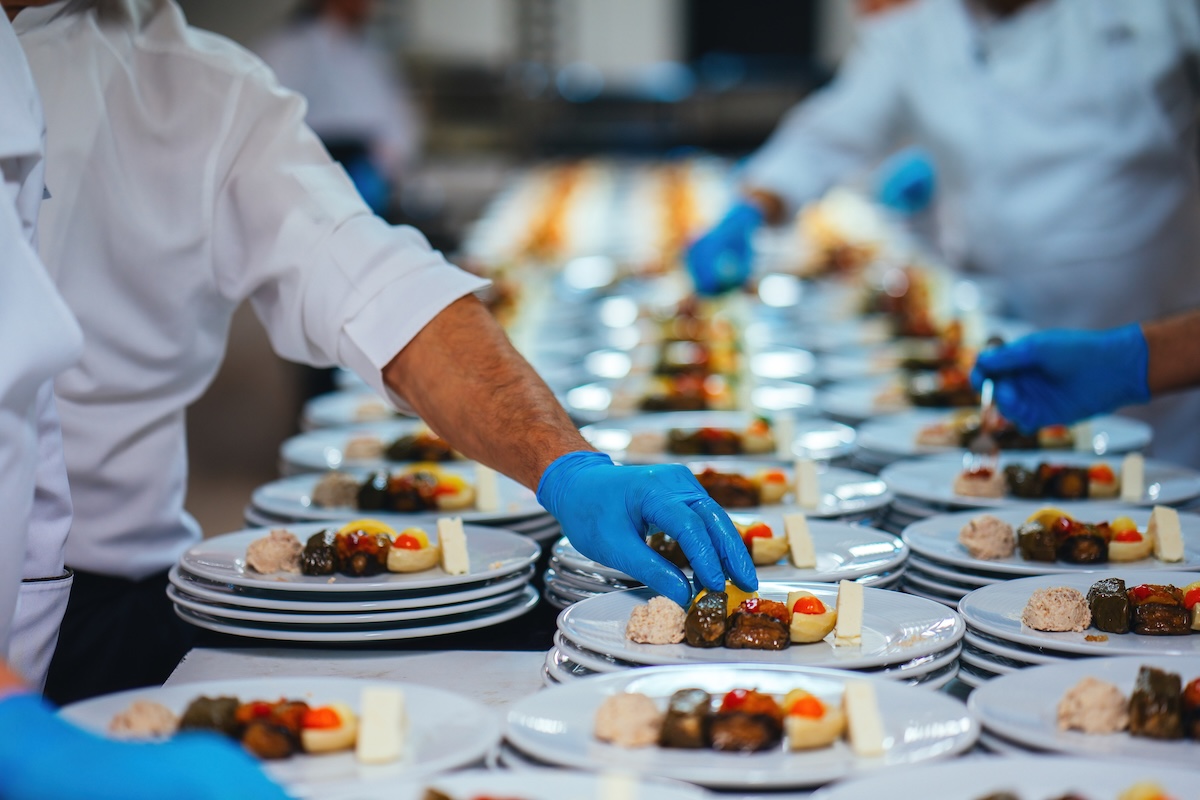
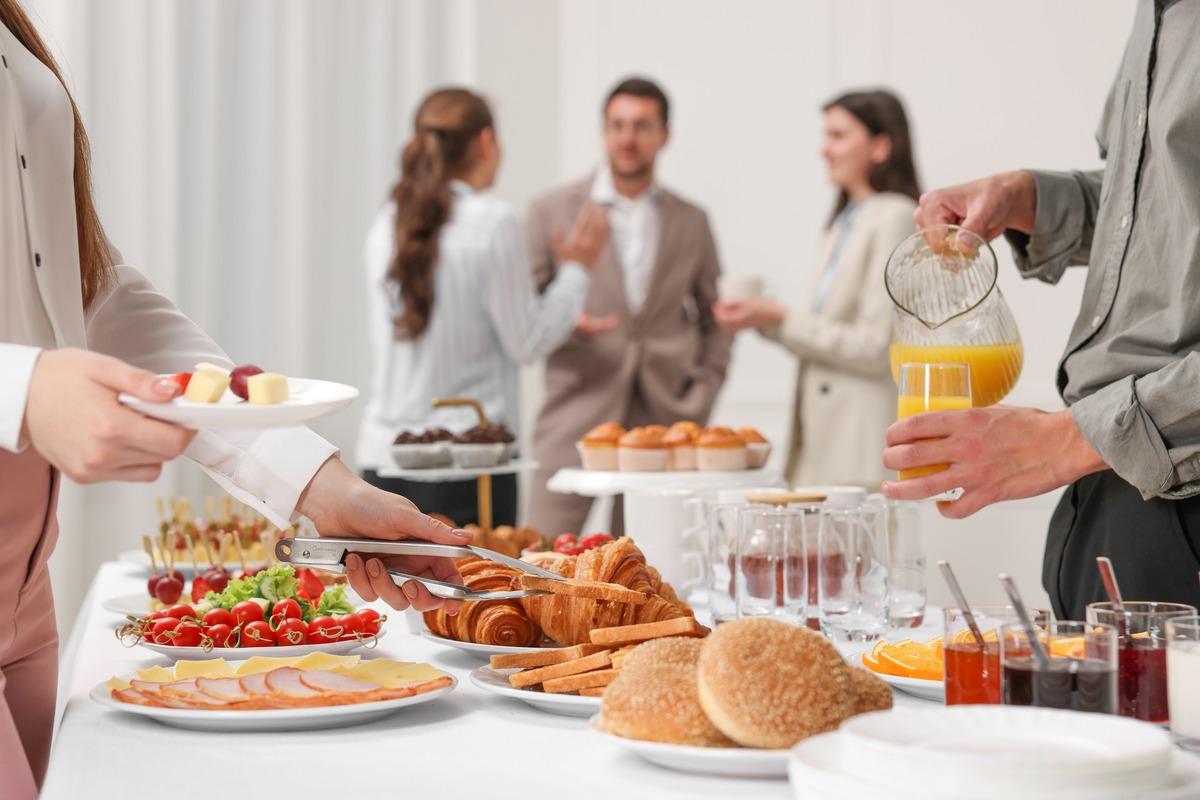
You can get a catering service to deliver meals for daily employee lunch or special occasions. Food is either served buffet style or full-service. Employees get to eat at the same time, fostering a sense of connection.
That shared time slot is what makes catering effective for in-office anchor days or all-hands events.
Best for: Large teams, special events, meetings

Employees choose their own meals from a list of rotating featured restaurants. The food is then delivered directly to the office, making it convenient for employees at every step.
Because each employee orders independently, this model handles dietary restrictions and hybrid attendance gracefully without HR having to manage every order.
Best for: Hybrid teams with fluctuating headcounts, offices with limited kitchen space

These programs feature a rotating lineup of guest restaurants serving freshly made meals to your employees. Employees get to order their own meals and enjoy the restaurant experience right at their workplace.
Companies often choose this model when they want a built-in reason for employees to come into the office and a destination experience other workplaces can't replicate.
Best for: Mid-sized companies and Large campus organizations, hybrid teams

You can also set up breakrooms or pantries where employees have access to a variety of grab-and-go snacks and beverages. HR managers can customize the program around employee demand, whether that means gourmet coffee machines or healthy grab-and-go snacks.
Best for: Any type of organization
Building an effective meal program for your employees goes beyond choosing a food service solution. Here are some practical steps to design a program that works for you.
Before evaluating vendors, define what your team specifically needs.
Do you need an occasional catering service for meetings and special events? Or do you need regular meal deliveries for daily employee lunch? Perhaps you need food that’s available 24/7 to meet the needs of both your night shift and day shift employees.
Consider the specific needs of your organization based on factors like:
Convenience is the biggest factor that will determine the success of your meal program. You could have plenty of delicious meals available, but if it’s a hassle for employees to order or it takes too long to get their food, don’t be surprised if it fails to impress.
Deloitte's research on consumer dining and ordering behavior consistently shows that a frictionless digital experience is one of the strongest predictors of repeat usage, and the same dynamic applies inside the office. If ordering takes too many clicks or pickup involves a long line, participation collapses.
So look for solutions that make it easy for employees to choose and order their food. This includes:

A huge menu alone doesn’t automatically guarantee that your employees will be impressed.
Does it match their dietary preferences? Does it offer enough variety to prevent menu fatigue? Here are some tips to help you plan menus your employees will actually love:
The Fooda Workplace Lunch & Food Program Survey, 2026 reinforces this approach: 83% of leaders say variety is important or extremely important in their food program, and 87% say supporting local restaurants matters. Use those two findings as a north star when shaping menu strategy.
As an HR manager, you need to strategically balance your budget against program requirements. This means finding a solution that scales according to the unique needs of your business, so you’re not overspending on excess food or creating unnecessary food waste.
This typically involves having a vendor that operates on a consumption-based model where each employee chooses or orders their own meals. Instead of having your service provider bring in food for a set number of employees, food orders are based on the real headcount for that specific day.
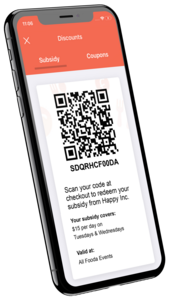
Subsidized meals are one of the fastest ways to lift participation and demonstrate that the company is investing in employee wellbeing, not just the bottom line.
Consider setting up a meal subsidy program where you subsidize all or a portion of your employees’ meals. This reduces the financial burden on your employees and makes them feel valued for the work they do. It will also drive more participation to your program, as more employees are eager to take advantage of their meal benefits.
Per the 2026 Fooda Survey, 11% of companies are fully subsidized and 32% take a balanced cost-and-experience approach. Subsidies don't have to be all-or-nothing; even a modest per-day contribution can drive meaningful behavior change without blowing up your budget.
Getting buy-in from leadership poses a unique challenge for HR managers as they design an employee food benefits program.
Here are a few tips on how to make a business case and prove a successful employee meal program will result in positive ROI:
Fooda offers a vast selection of food service solutions that are flexible and scalable, giving HR managers the confidence to build an employee food program that meets all needs at the individual and organizational level.
Fooda has five main solutions that workplaces can mix and match:
Regardless of the solution you choose, Fooda relies on a consumption-based model that easily scales with changing demand. Since employees order their own meals, food is prepared based on actual headcount. So there’s no unnecessary food waste or excess spending.
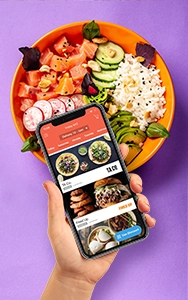
Fooda's tech platform keeps ordering, payments, and subsidy programs in one place, so employees browse daily menus and pay through the app (with company subsidies applied automatically at checkout) while HR managers customize subsidy amounts, manage members, and streamline catering orders without the admin overhead.
Curious to see how Fooda’s solutions fit into your meal program? Get in touch with us today.
What is the role of an HR manager in employee meal programs?
HR managers own program design, vendor selection, budgeting, and ongoing measurement of employee meal programs. The function sits in HR because the program directly influences three HR-owned outcomes: engagement, retention, and recruitment. In larger organizations, HR partners with workplace experience, finance, and procurement teams to scale and refine the program over time.
What are the different types of employee meal programs?
The main types are corporate event catering, daily catered lunches, individual boxed meal delivery, restaurant Popups, cafeteria programs, and snack-and-beverage pantries. The right mix depends on team size, office vs. hybrid structure, daily attendance patterns, available space, and budget. Many companies layer two or three of these (for example, a daily ordering platform plus an always-on pantry) to cover different use cases.
How much does an employee meal program cost per employee?
Costs vary based on subsidy level, meal frequency, and program type. Common ranges are $5 to $10 per employee per day for snack programs, $12 to $20 per day for subsidized lunch programs, and $20 to $30 per person for catered meals or cafeteria replacement. Consumption-based programs, where employees order their own meals, typically run lower than fixed-cost catering because you only pay for meals that get ordered.
What's the best meal program for a hybrid workforce?
Consumption-based programs typically work best because they scale with daily attendance. Individual boxed meal delivery and restaurant Popups only charge for meals that get ordered, so you avoid waste on lighter office days. Pair the program with predictable in-office anchor days (a "lunch on us Wednesday," for example) to drive attendance and rebuild the social ritual hybrid teams often lose.