Recognized as one of the world's great culinary capitals, New York City's food scene is as dense, diverse, and competitive as the city itself. From three-Michelin-star tasting menus to dollar pizza slices, the best restaurants in New York City span every cuisine, every price point, and every neighborhood across the five boroughs.
Whether you're toasting a milestone, hosting out-of-towners, or just trying to find the bagel that finally settles every internal debate you've ever had, this list of NYC restaurants will point you in the right direction and deliver delicious food with every plate.
New York's food story is, more than anything, an immigration story.
Over the past 175 years, waves of newcomers from Italy, Eastern Europe, China, the Caribbean, Mexico, Korea, and beyond have landed at Ellis Island, JFK, and ports in between. Brought with them were recipes, techniques, and traditions that fused with what came before and the result is a food culture shaped block by block by the people who built the city.
Lithuanian-born butcher Sussman Volk introduced smoked pastrami to a Lower East Side counter in 1888. Polish Jewish bakers brought hand-rolled bagels to Manhattan in the mid-1800s. In 1905, Gennaro Lombardi began selling pizza out of a Little Italy grocery, opening what's widely considered the first pizzeria in the United States. Each generation has added another layer.
Fast-forward to 2026, and New York is in another moment of reinvention. Caribbean cooking just claimed the city's top critical honor, regional Indian and Korean kitchens are collecting national awards, and dollar slices and three-figure tasting menus coexist on the same blocks. That turnover is the reason a list like this one looks different every year, because New York replaces its consensus favorites faster than any other food city in the country.
So whether you're gathered around a dimly lit booth at a Greenwich Village classic, grabbing lunch from a halal cart, or connecting with coworkers over a meal in your office lobby, food in New York City continues to build community and culture.
New York is the country's most decorated fine dining city, with more Michelin-starred restaurants than any other in the United States. The picks below pull from across the spectrum: three-star icons, a modern Korean tasting counter, the Caribbean kitchen that took over the city's top critical spot, and the most fought-over reservation in town.
The most decorated restaurant in New York right now is Kabawa, chef Paul Carmichael's Caribbean dining room on Extra Place in the East Village. It swept the 2026 award season, including a place on Bon Appétit's list of the best new restaurants in America.
What makes it unusual is the format. Carmichael makes his case with a three-course prix fixe rather than a twenty-course marathon, which keeps the meal under two hours and the table within reach of people who are not planning a month ahead. Reservations open on a rolling two-week basis, and Bar Kabawa next door takes walk-ins if you miss them.
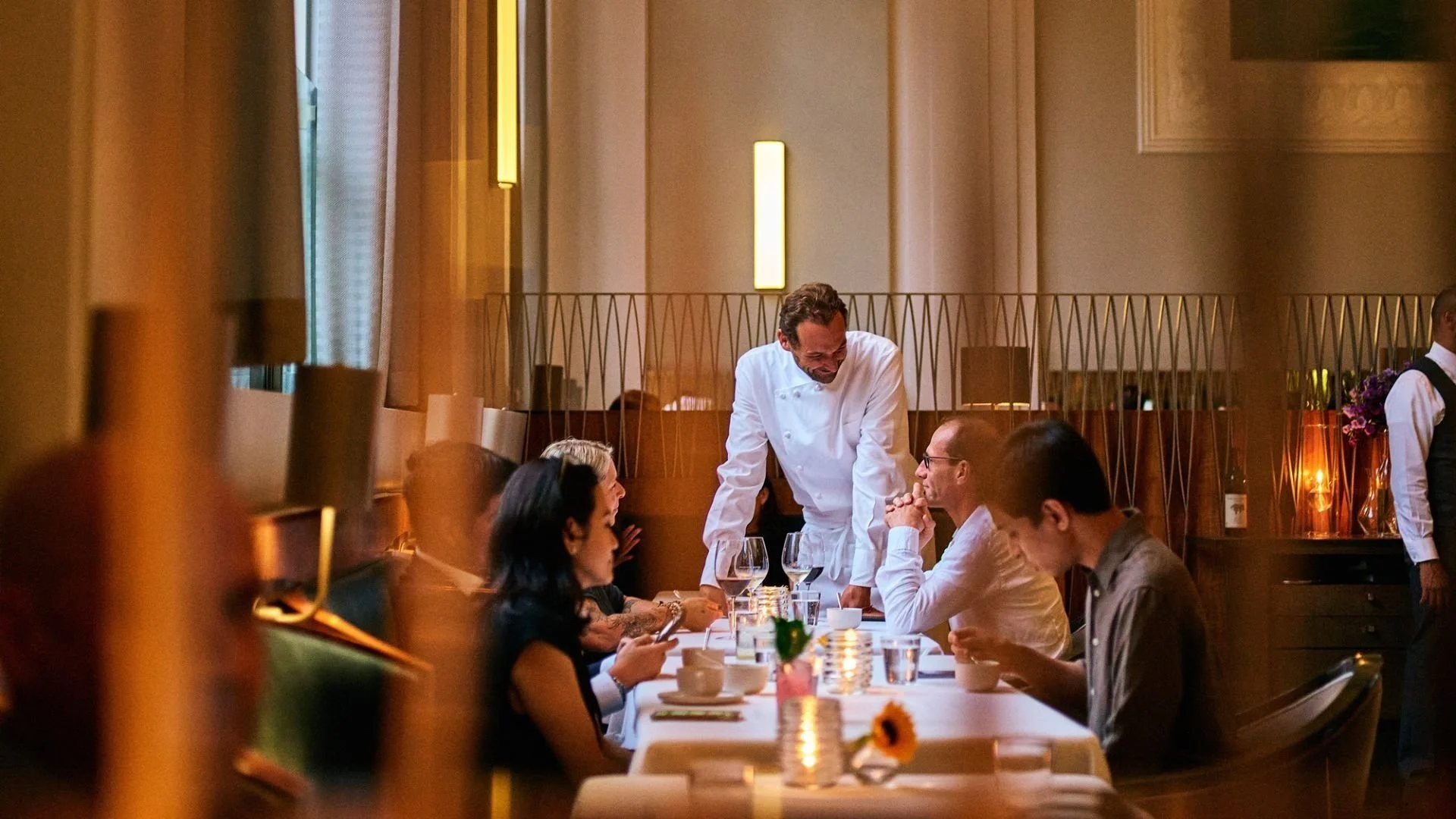
If New York fine dining has a flagship, it's Eleven Madison Park. Chef Daniel Humm's three-Michelin-starred restaurant overlooks Madison Square Park and turns out a tasting menu that's as much performance as meal.
After a much-discussed plant-based-only era, EMP put fish and meat back on the menu in October 2025, including the honey-lavender-glazed duck that had become shorthand for the old version of the restaurant. The reversal matters beyond the menu, because it reset an argument the whole industry had been having about how far a three-star kitchen can push a single ingredient philosophy. Reservations open 28 days in advance and disappear in minutes.
The most-decorated Korean restaurant in the city is Atomix, Junghyun and Ellia Park's modern Korean tasting-counter in Koreatown. North America's 50 Best Restaurants ranked it seventh on the continent in 2026 and the highest-placed restaurant in New York, a year after it topped the inaugural list. It also holds two Michelin stars.
The menu runs roughly a dozen courses, served at a counter with hand-illustrated cards explaining each dish, at about $385 per person. An entire month of reservations is released at once rather than trickling out daily, so a missed drop means waiting until the next one.
For something less ceremonial but every bit as obsessed-over, head to 4 Charles Prime Rib in the West Village. Branden McRill's subterranean steakhouse has exposed brick, low light, and a reservation book that empties within seconds of opening.
It sits at the top of nearly every hardest-reservations list in the city, and in 2026 the restaurant narrowed access further by giving priority to verified diners, a direct response to how much of its inventory was being claimed by bots. The menu is short and direct: prime rib, a dry-aged burger with a cult of its own, and a martini. That restraint is the whole strategy, because a room this hard to book can afford to do three things perfectly instead of thirty things well.
For more fine-dining options across the city, check out:
New York opens hundreds of restaurants a year, and only a handful survive their first round of national attention. These are the ones that did in 2026, which makes them the safest bets if you want to eat somewhere new without gambling on the night.
There's no shortage of cultural cuisines in NYC, and you'll be able to get whatever you're craving whenever you want it. Check out some of the best restaurants in NYC by cuisine type below.
There may be more great Italian restaurants in New York than anywhere outside Italy, but Carbone is the one everyone is trying to get into.
It's Mario Carbone, Rich Torrisi, and Jeff Zalaznick's Greenwich Village shrine to mid-century Italian-American. Captains in red dinner jackets, tableside Caesars, and the spicy rigatoni vodka that launched a thousand imitators have kept the room booked solid since it opened in 2013. Reservations still vanish within seconds of dropping 30 days out, and the restaurant takes no walk-ins, so the dining room stays as tightly controlled as the service.
For more outstanding Italian, you can also visit:
If you only have one night, the split is simple: Carbone and Torrisi for the theater, Borgo and Lilia for the pasta.

Few cuisines have transformed New York's restaurant scene as dramatically over the past decade as Korean. Outside of Atomix (mentioned above), Jungsik in Tribeca became the first Korean restaurant in the United States to earn three Michelin stars when it was promoted in late 2024, and it has held all three since.
The category's biggest recent move happened outside Manhattan entirely, with Meju in Long Island City (mentioned above) putting a Michelin-starred Korean tasting menu in Queens. That geography is the story, because Korean fine dining in New York is no longer contained by Koreatown.
The buzziest casual-luxury pick right now is COQODAQ in the Flatiron, the Korean fried chicken concept from the Cote group. The menu reimagines Korean fried chicken as a fine-dining experience: a tasting "bucket list," caviar service, and an absurdly deep Champagne list. It's been on virtually every "hardest reservations in the city" list since opening.
A few more outstanding Korean spots:
For modern, ingredient-driven Mexican, Cosme in the Flatiron remains the benchmark. Chef Enrique Olvera's restaurant put contemporary Mexico City cooking on New York's fine-dining map, and a decade later, the duck carnitas, pulled tableside and served with handmade tortillas, is still one of the dishes the city is known for. The team is expanding again with Bar Cosme in NoHo in late 2026, which is a reasonable signal that the original still has room to grow into.
For more outstanding Mexican food, try:
The deepest and oldest Chinese dining neighborhood in the country sits inside Manhattan's Chinatown, and the longest-running address there is Nom Wah Tea Parlor on Doyers Street. Open since 1920, Nom Wah is the oldest dim sum parlor in New York, and its modern à la carte format has kept it relevant for over a century because you order dish by dish instead of waiting for a cart to reach your table. The original house special, the OG Egg Roll, is still made by hand. It's a regular on Time Out New York's best dim sum list.
Two doors down, Lei (mentioned above) has become the most awarded new Chinese restaurant in the city, which tells you how much range a single Chinatown block now covers.
A few more standouts across the city:
Japanese kitchens account for more of New York's Michelin stars than any other cuisine, and the range runs from neighborhood lunch sets to the most expensive counters in the country. That concentration exists because New York supports enough serious sushi spending to sustain daily imports from Tokyo's Toyosu market, which very few American cities can claim.
Regional Indian cooking is the fastest-growing category on New York menus, and the reason is specific: a wave of chefs stopped cooking the flattened, pan-Indian menu that American diners expected and started cooking the food of one state or coastline instead.
Semma in the West Village is where that shift became undeniable. Chef Vijay Kumar's Michelin-starred kitchen leans on Tamil home cooking rather than the North Indian standards most Americans know, and the gunpowder dosa is a destination dish.
A few more worth planning around:
Caribbean cooking had the biggest year of any cuisine in New York in 2026, led by Kabawa (mentioned above). The depth behind it is what makes the category worth working through, because the city's Caribbean food stretches from tasting menus to one-man lechón counters in the Bronx.
NYC is known for food and dining in every aspect, but the classics are loved and debated on the regular. Below is insight into the big three: bagels, NY pizza slices, and pastrami on rye while filling you in on where you'll want to get them.

Few foods are as woven into New York's identity as the bagel. Boiled before they're baked, hand-rolled from a stiff dough, and ideally eaten within an hour of leaving the oven, the New York bagel has been a morning ritual since the 19th century.
When it comes to the iconic bagel-and-lox experience, the gold standard is Russ & Daughters.
Open since 1914 and still owned by the founding family four generations later, this Lower East Side "appetizing store" treats smoked fish like a craft and the bagel like a serious vehicle. Order the Classic, with Gaspé Nova, cream cheese, tomato, onion, and capers, and you'll quickly understand why this is on virtually every authoritative list of the city's most essential restaurants.
There's no shortage of great bagel shops in the city. A few more spots that consistently land near the top of The Infatuation's rankings and other critic lists:
The New York-style slice was born of Southern Italian immigrants in the early 1900s and refined by hundreds of corner counters over the decades that followed. The defining traits: a thin, hand-tossed crust that's foldable but never floppy, a light tomato sauce, and a generous lid of low-moisture mozzarella.
For the quintessential slice, head to Joe's Pizza in Greenwich Village. Founded by Naples-born Joe Pozzuoli in 1975, Joe's has been serving the same plain cheese slice, recognized as a "best of" by New York Magazine for half a century. With locations across Manhattan and Brooklyn and a kitchen open until 2:30 a.m., it's the slice New Yorkers measure all others against.
If you're chasing the slice all over town, a few more counter favorites:
For a deeper tour of the city's pizza scene, see our full guide to the best pizza in New York City.
No NYC food list would be complete without the city's most iconic sandwich. Pastrami.
Beef brisket cured in salt and spices, smoked, then steamed until tender. This beautiful sandwich was introduced to New York in 1888 by Lithuanian immigrant Sussman Volk and quickly became the signature of the Lower East Side Jewish deli. The classic build is simple: hand-cut pastrami piled absurdly high, two slices of rye, a smear of yellow mustard. No mayo. Ever.
The most iconic pastrami address in the world is Katz's Delicatessen, open at 205 East Houston Street since 1888. Take a ticket at the door, hand it to a slicer, and watch one of New York's last hand-cut pastrami operations build your sandwich in front of you. Hand-cutting is also why the sandwich costs what it does, since every one is built by a person rather than a machine. It's beloved by tourists and locals alike, and remains a mainstay on every credible best-of list.
If you want to compare the city's pastrami styles, work your way through:
As you eat your way through New York, one thing becomes clear: this is a city defined by the food its people brought with them and the food the next generation keeps reinventing.
At Fooda, we love supporting local restaurants in New York by bringing their one-of-a-kind dishes directly into your workplace. This helps them serve an audience they normally don't have access to and gives employees a reason to stick around at lunchtime.
By partnering with over 4,500 restaurants across the country, Fooda creates highly customizable workplace dining programs that go far beyond basic catering with:
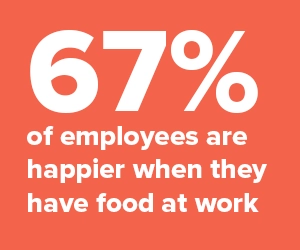
With the right food perks in place, you can create a stronger daily experience that saves your team time and money. When that happens, you get a more connected, energized workplace where sharing a great meal becomes part of the culture and promotes natural collaboration.
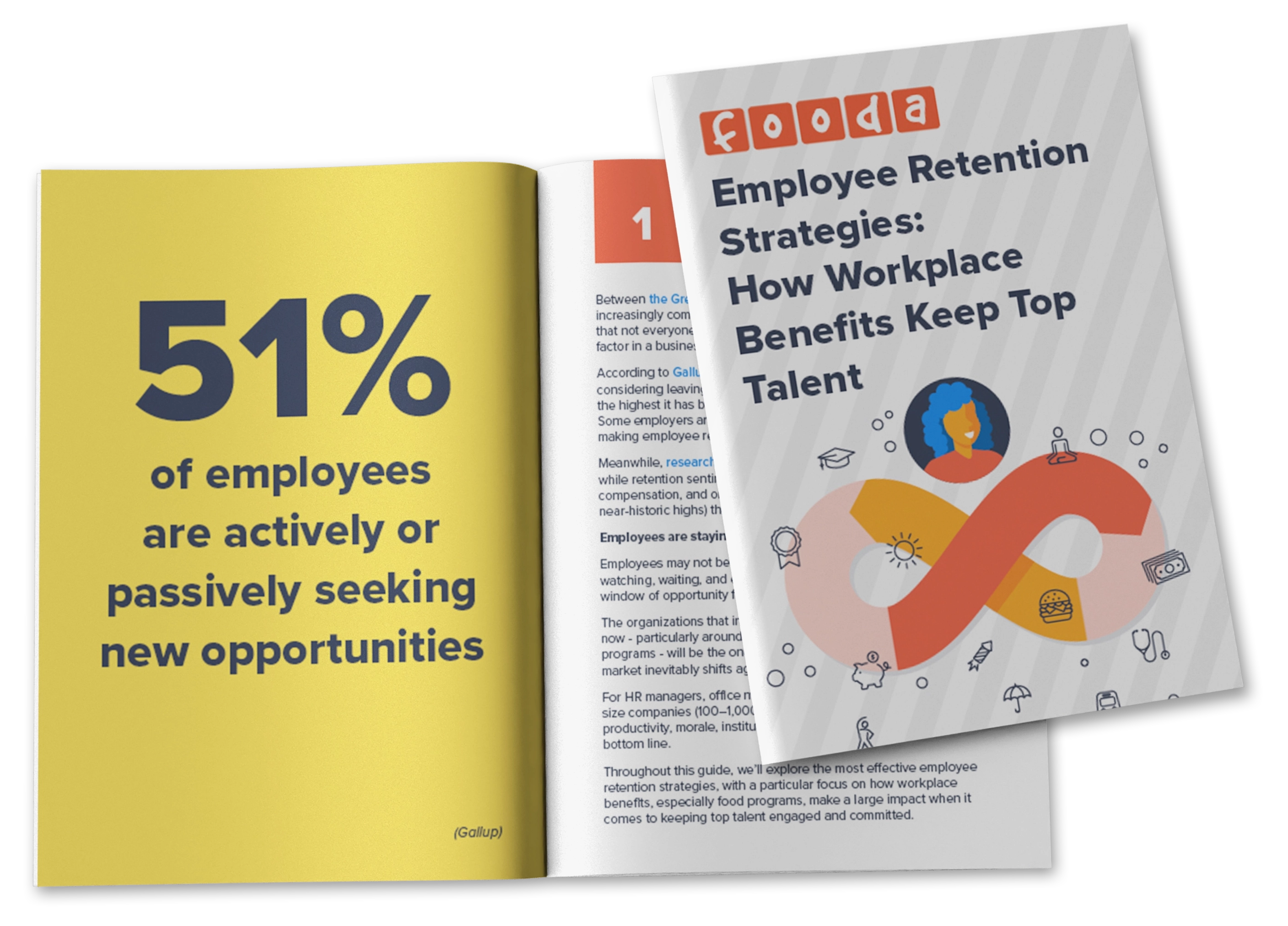
Whether you're looking to simplify lunch logistics, improve employee retention, or bring a taste of New York's top restaurants straight to your team, Fooda makes an impact on day one and helps turn an everyday routine into something worth looking forward to.

Pricing varies dramatically across the best restaurants in New York City. Casual classics like a slice from Joe's, a pastrami sandwich from Katz's, or a bagel from Russ & Daughters typically run $5 to $30 per person, with the deli sandwich at the top of that band because beef prices have climbed faster than almost anything else on a New York menu. Mid-range spots like Cosme, Carbone, or Don Angie generally fall between $60 and $120 per person before drinks. Fine dining climbs fastest and covers a wider spread than most people expect, from Kabawa's $145 three-course prix fixe to Masa's $950 dinner counter. Whatever your budget, New York has a great option waiting.
Two big food events make this easier than tracking down individual reservations. NYC Restaurant Week runs twice a year, in winter and again in summer, and offers two-course lunches and three-course dinners at $30, $45, or $60 across more than 600 participating restaurants. The summer edition now runs into early September at restaurants that choose to extend, which is the easiest window to book a table that is otherwise full. There's also Smorgasburg: the country's largest weekly outdoor food market, which added a Central Park location at Columbus Circle in 2026 alongside Saturdays in Williamsburg, Sundays in Prospect Park, and Fridays at the World Trade Center. Close to 100 vendors work across the four markets, and the Central Park site is the first to run weekday hours, which makes it a realistic lunch option rather than a weekend outing.
Reservations vary widely. Restaurants like Atomix, Carbone, 4 Charles Prime Rib, and Tatiana are notoriously hard, with reservations released in batches up to 30 days in advance and snapped up within seconds. The mechanics differ enough that it pays to check each restaurant's policy rather than assuming a standard window. Many high-end spots use Resy, and walk-in spots like Lombardi's, Joe's Pizza, and Katz's are far easier, though you should plan for a wait at peak hours. For very specific reservation policies, it's always best to check the restaurant's website directly.
It depends on which list you trust. The New York Times named Kabawa the #1 restaurant in the city on its 2026 list of the 100 best. The Michelin Guide's most recent New York selection awards three stars to Eleven Madison Park, Le Bernardin, Per Se, Jungsik, and Sushi Sho. Among diners rather than critics, 4 Charles Prime Rib remains the city's most fought-over table. No single list wins outright because they measure different things: Michelin rewards consistency and technique, newspaper critics reward originality, and diner apps reward the rooms people most want to say they got into.
A business dinner in New York usually comes down to whether the room lets you hold a conversation. Keens Steakhouse in Midtown is the safest option for a large table, because its private rooms take a dozen people without splitting the group across two tables. The Grill in the Seagram Building is the higher-stakes choice, where tableside service does much of the entertaining for you. Downtown, Saga and Crown Shy sit in the same building at 70 Pine and cover the Financial District at two very different price points. Near Times Square, Gallaghers is the pre-theater standby because the kitchen is built to turn tables on a clock.
No. New York's Restaurant Reservation Anti-Piracy Act took effect in February 2025 and made it illegal to list or sell a restaurant's reservations without a written agreement with that restaurant, carrying penalties of up to $1,000 per violation per day. The law exists because bot-driven resale had made the city's hardest tables effectively unavailable at face value, which pushed real demand toward a secondary market the restaurants saw none of. Restaurants and authorized platforms can still charge for reservations, and several have added credit card verification to keep bots out of their drops.
Start with the three classics: a bagel with lox, a plain cheese slice, and pastrami on rye. They are worth doing first because each one traces a different wave of immigration, so you get the city's history in three meals. From there, pick one cuisine New York does better than almost anywhere else in the country, whether that's Korean tasting menus, regional Indian, or Caribbean. It's usually worth skipping the trophy reservation on a first visit, since the restaurants that define New York dining generally require booking a month out and will still be there next time.
Midtown and the Financial District run on speed at lunch, so counter service dominates: taquerias like Los Tacos No. 1, the food halls around Penn Station and Rockefeller Center, and the newer Shaver Hall on Fifth Avenue. The catch is that a typical New York lunch break is short enough that the walk and the line often matter more than the menu. That's why more offices now bring restaurants in instead, through office lunch delivery, rotating popup restaurants, or a full cafeteria program run by local restaurant partners.




%2010.49.58%E2%80%AFa.%E2%80%AFm..png)