When you have to skip lunch, it can throw off your entire mood and approach in the workplace. Because let’s face it – it’s almost impossible to focus on an empty stomach. When there are limited meal options, people often have to give up healthy choices for convenient alternatives.
As much as folks want to bring their own packed lunches from home, there’s just not enough time between the long commutes and the jam-packed schedules to put together a lunch that feels complete.
That’s where your corporate cafeteria can make all the difference, giving your team easy access to meals that are as healthy as they are delicious.
That said, starting a corporate cafeteria involves a lot of planning. It’s more than just figuring out what dishes you want to serve. You also have to think about who’s doing the cooking, affordability of food, and who’s cleaning up… and that’s just the beginning.
Keep reading this blog and learn how to start a cafeteria for your workplace with these five essential steps.
If there’s one thing that corporate cafeterias have today that they lacked a couple of decades ago, it’s flexibility.
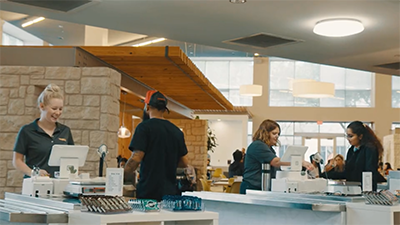
Modern cafeteria solutions have come a long way from traditional setups that needed tons of space and served basic food from static menus. Now you get to choose from a wide range of workplace food solutions to craft a cafeteria setup that’s tailored just for you.
You need to start by deciding on the type of cafeteria that works for your organization. Factor in your space availability, budget, team setup, employee schedules and food preferences to figure out a style that fits your requirements.
For example, you may want to offer easy grab-and-go options for teams that are always on the move or work hours outside of the 9-5 schedule. Or you could have a full kitchen with multiple rotating and permanent restaurants to provide freshly cooked meals for teams that prioritize sitting down for lunch.
The latest corporate cafeteria trends show an increasing preference for hybrid solutions that offer better flexibility. In fact, 62% of employees want modern options to replace old-school setups.
They want to be able to choose between multiple cuisines and get fresh meals daily that respect their budget and schedule. So this could mean grabbing some fresh fruits at the on-site micro-market if they need a quick and healthy snack or ordering some Pad Thai when they’re in the mood for something savory.
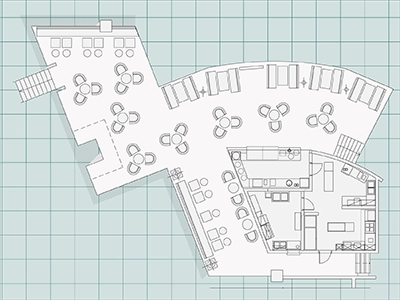
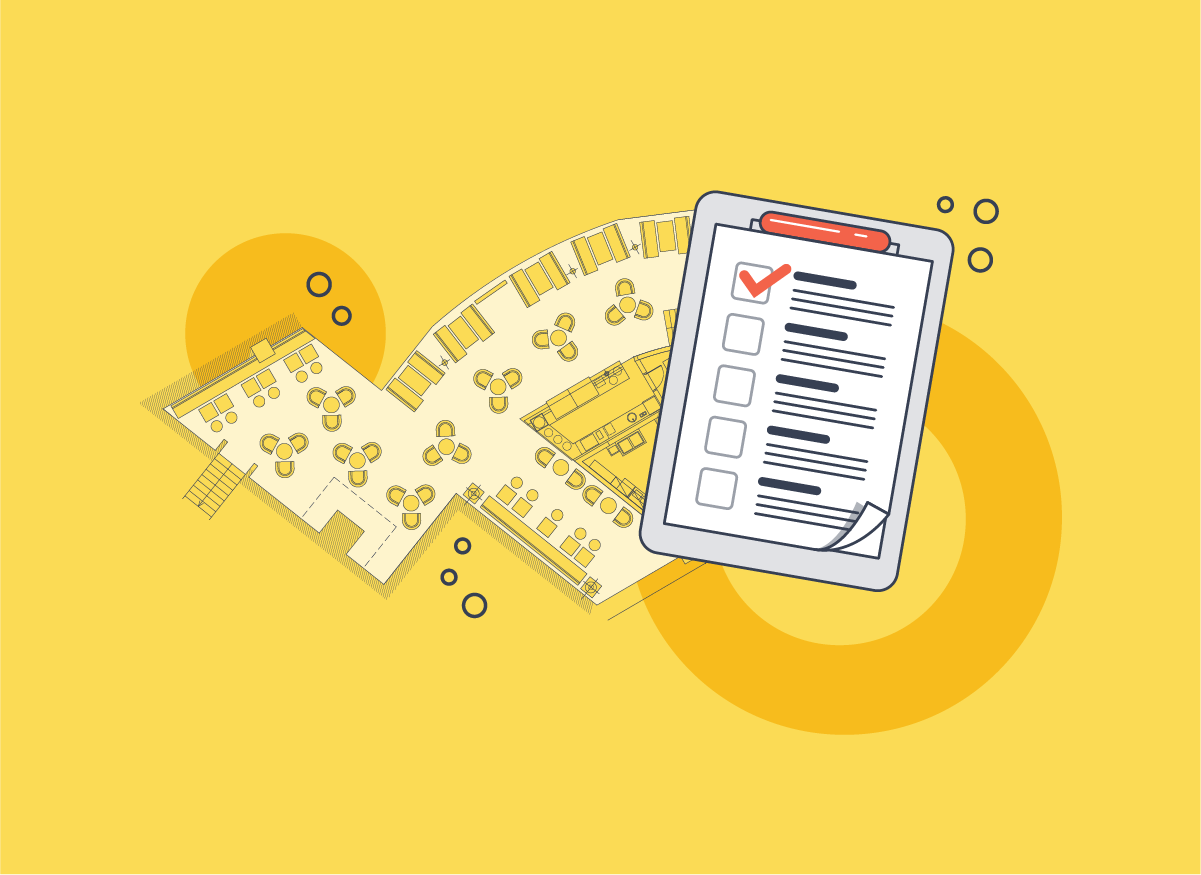
Next up is figuring out the actual layout of your cafeteria. How will you set up your dining space to support your cafeteria operation?
The first thing you need to consider, of course, is how much space you can dedicate to your cafeteria. And you’ll need to factor in the different workplace dining solutions you want to include.
Some may have enough space for a vast food hall where multiple guest restaurants can cook on site, and employees have plenty of room to sit and eat. Others may be limited to just a couple of prep stations and display cases where employees can customize their own meals or browse from a selection of pre-packaged options.
Then decide on seating, traffic flow, and equipment setup to finalize your cafeteria design.
Do you need to have a dedicated kitchen space for a full setup complete with commercial-grade stoves, ovens, and prep tables? Or do you only need to consider space for cold display counters? Perhaps a small section for a café that serves fresh coffee and pastries – items that don’t need a full-fledged kitchen setup.
Where will you set up tables and chairs to create a dining space? Where will your counters and kitchens be located so they don’t disrupt foot traffic? If you have guest restaurants cooking on one side of the cafeteria, maybe you could carve out some space for an office pantry on another side.
Now let’s move on to the most exciting part of starting a corporate cafeteria – planning your menu. What are you serving your employees?

Gourmet sandwiches made to order? Freshly cooked pasta? Readymade meal bowls? This is the part where you can really go above and beyond to meet employee needs because the options are endless. But make sure to consider items that you have the capacity to serve based on your cafeteria setup and kitchen facilities.
For instance, you might not be able to serve hot meals fresh from the kitchen if you don’t have a full kitchen setup. But you could have employees customize their meals from salad bars and build-your-own bowl stations instead.
Here are some tips and suggestions to keep in mind while developing your employee cafeteria menu:
So far, you know what you’re going to serve and what type of cafeteria setup you need. Now it’s time to figure out what kind of equipment you need to support your operations.
Besides the basics like stoves, kitchen utensils, and prep tables, do you need specialized equipment to serve certain menu items? This is especially important to consider for companies that want to serve a healthy lineup of items.
A refrigerated prep table for your sandwich station? A specialized sushi display case? Refrigerated vending machines to dispense pre-packaged salads or yoghurt bowls?
For instance, you might need smart vending solutions that can store all your healthy snacks and pre-packaged meals for added convenience. Since these machines are refrigerated, they can keep your perishables fresh, making healthy meals more convenient and accessible.
Even if someone needs overnight oats for a quick breakfast or a chicken taco bowl to meet their daily protein goals, they can just grab it from a vending machine like Farmer’s Fridge.
Some vending machines can even display nutritional information for the items they store. This makes it so much easier for someone to check if a certain snack or meal aligns with their daily nutritional goals – a perfect addition to support your employee nutrition program.
Starting a corporate cafeteria is more than just setting up a space and deciding on what dishes to serve. You also have to figure out what comes after…once everything’s set up and ready to run. In other words, how do you plan to maintain and operate the cafeteria?
More specifically, who will manage the cafeteria? And how will you carry out ongoing maintenance?
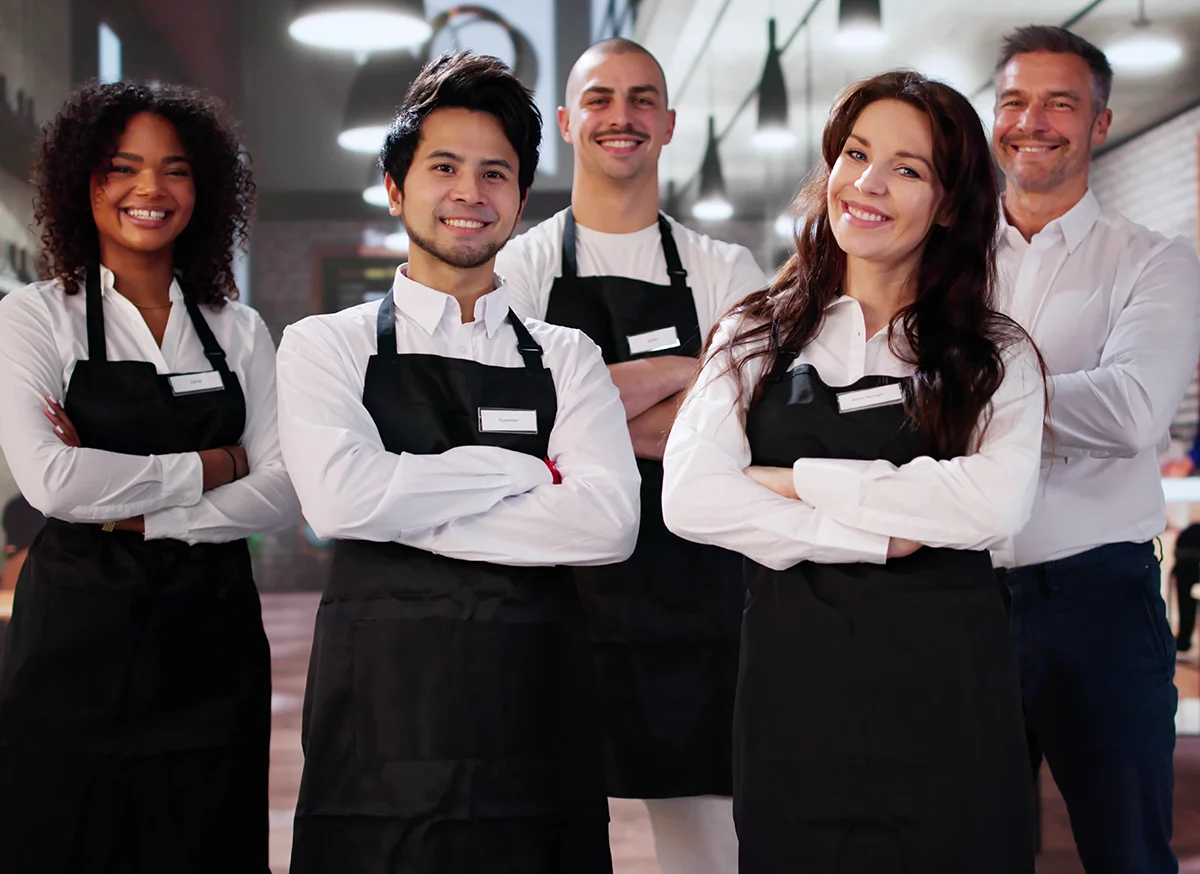
This is where you need to figure out a corporate cafeteria staffing solution that works for your business. Will you hire dedicated cafeteria staff to handle everything? Or will you limit staffing to food prep and use a self-service model where employees grab their own food and clean up after themselves?
Hiring and managing your own staff can add more expenses and comes with logistical complications. Besides the cost of recruitment and training, you have to think about the ongoing cost of adding more employees to your payroll, such as salaries, benefits, and perks. So some organizations choose to outsource everything to a third party.
This involves getting a corporate cafeteria management company to handle all the complexities of food sourcing, menu planning, food prep, customer service, and maintenance.
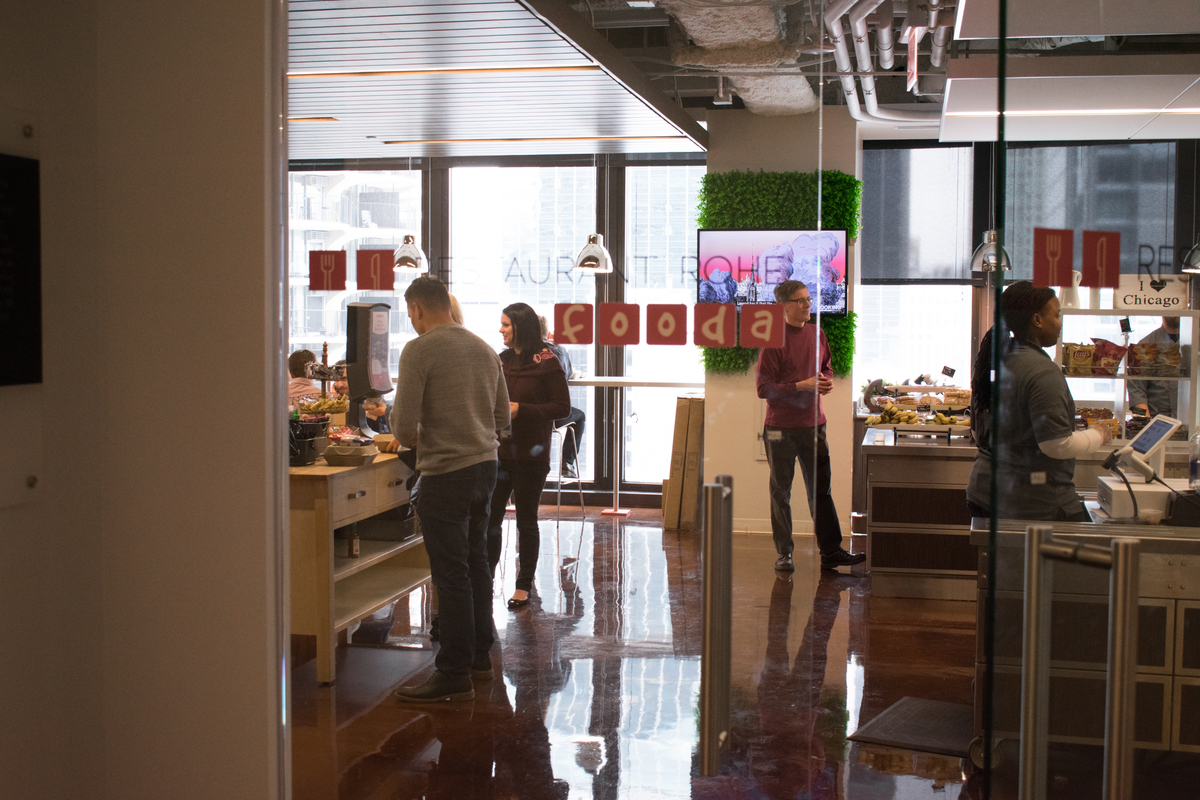
For example, Orange by Fooda is a service that brings authentic flavors from some of the best local restaurants into your workplace. Your employees can enjoy high-quality food made with the freshest ingredients. And you don’t have to worry about the overhead or logistics!
Fooda offers flexible workplace dining solutions to power your corporate cafeteria. This includes solutions like pantry and rotating Popup restaurants. Orange by Fooda, which lets you bring in local restaurants to cook on site or serve catered lunches for your team.
Let’s look at how to start a cafeteria with Fooda as your partner.
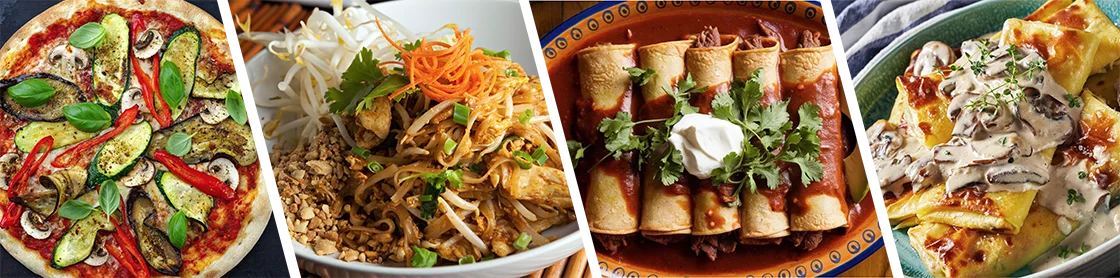
With Orange by Fooda, you can get a rotating lineup of restaurants to cook on site. So your team can enjoy fresh and delicious meals without having to leave the office.
When it’s just one resident restaurant serving the same meals day in and day out, things can get pretty boring after a while. Chicken salad may sound good (and healthy), but if it’s the only decent choice every single week, people will eventually get sick of it and experience menu fatigue.
Orange by Fooda lets you rotate between different local favorites to keep things fresh. Your team gets to choose from a diverse selection of menus and cuisines, whether it’s Korean BBQ on Monday or authentic Italian on Tuesday. So you can stop limiting your cafeteria to just a handful of fixed menu items.
Not sure which restaurant to bring in or when? Being able to rotate between restaurants is great. But it also creates more work when you still have to figure out which restaurants to schedule for each day of the week.
Fooda takes the guesswork out of restaurant scheduling with data-powered insights. The app keeps track of order data and employee demand, so it’s easy to see which restaurants they love. You can even track how demand changes over time – whether it’s throughout the week or based on seasons and occasions - you can change your scheduling based on these patterns.
For instance, you may notice a higher demand for convenient grab-and-go meals on busy Mondays, while employees switch to more indulgent choices to ring in the weekend on Fridays. Or you might need to schedule sushi and poke bowls more often in the summer, while employees go for hearty soups and rich casserole-type meals during fall and winter.
Orange by Fooda locations are staffed by a professional team that’s trained to maintain a top of the line cafeteria. So you can create an experience where warmth and precision are delivered with every meal. No need to hire your own cafeteria staff or invest in training them because Fooda takes care of it all.
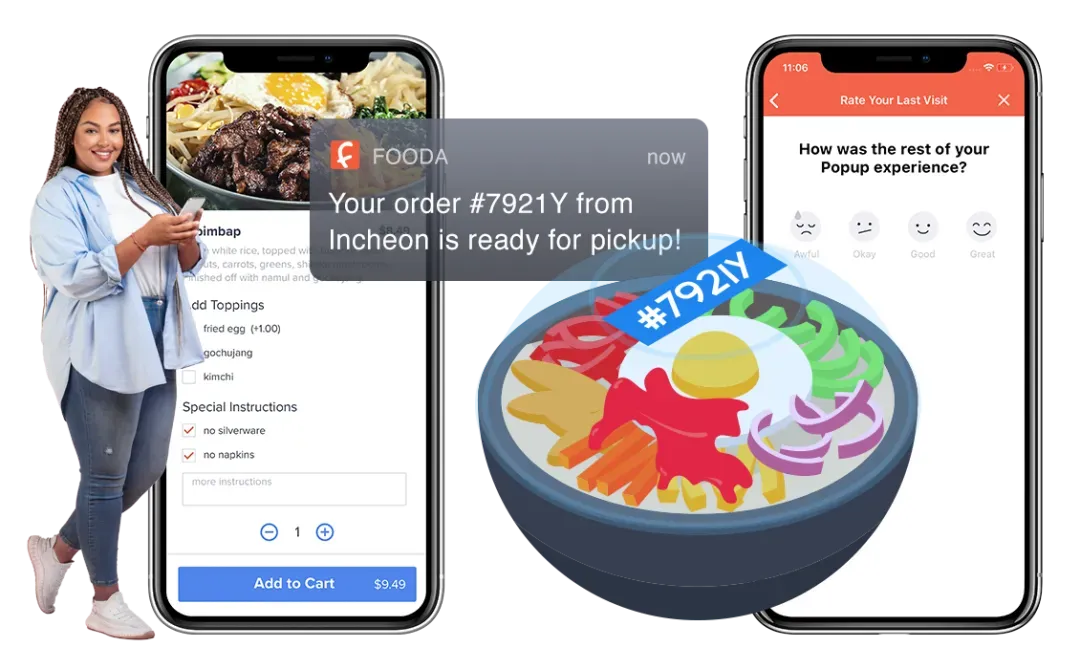
With Fooda, you no longer have to worry about hiring a dedicated cashier or setting up complex (and often expensive) POS systems. You can use the app to simplify employee orders and payments without having to invest in additional hardware.
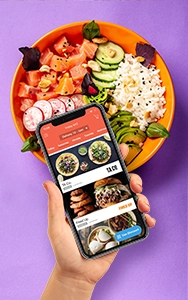
Instead of having a cashier take everyone’s orders, your team can simply place their orders online through the app. And once their food is ready, they can just skip the line and scan a QR code to pay for their meal. Or even if they don’t have their phone with them, Fooda’s self-checkout kiosks give them more ways to pay.
All set to start a corporate cafeteria that keeps bringing back employees? Learn more about how Orange by Fooda can help.