Ask anyone what food Los Angeles is known for, and the answer usually depends on where you are in the city. LA’s food scene is shaped by its neighborhoods, where long-standing traditions and newer influences exist side by side. From street vendors in Boyle Heights to regional specialties in the San Gabriel Valley, the range is hard to match.
This guide breaks down what Los Angeles is known for through its most iconic dishes, cuisines, and neighborhoods, whether you’re visiting, new to the city, or just trying to understand what defines LA’s food culture.
LA’s food scene stands out because it’s built around communities. What you eat, and how you eat it, can shift completely depending on where you’re hanging out at any given moment.
In Koreatown, Korean BBQ means late nights, busy dining rooms, and grills going nonstop. In the San Gabriel Valley, it’s all about regional Chinese cooking, with restaurants focused on specific styles like Sichuan dry pot or Cantonese dim sum. In Boyle Heights and across East LA, Mexican food is part of the daily routine, from sidewalk stands to long-running neighborhood spots.
What makes LA different is that none of this gets watered down. Each neighborhood holds onto its own style, which is why eating around the city rarely feels repetitive. These are the kinds of dishes people keep coming back to in LA:

When people talk about LA food, they’re usually talking about tacos and burritos. Across the city, you’ll find them everywhere, from street vendors to long-running neighborhood spots.
Tacos are at the center of it all. You’ll see al pastor shaved straight from the trompo, carne asada grilled to order, and late-night taco stands with lines well past midnight. Burritos are just as big here, especially LA-style: larger, tightly wrapped, and packed with grilled meats, rice, beans, and salsa.
What really sets LA apart is the depth behind it. This isn’t one version of Mexican food, it reflects different regions of Mexico, with flavors and techniques that change from one neighborhood to the next. In places like Boyle Heights and East LA, that shows up in family-run spots, street vendors, and long-running local places.
It’s the kind of everyday variety people rely on in LA, something that’s noticeably harder to come by once you’re back at the office.

In the words of Anthony Bourdain, “LA’s Koreatown is a strange and fabulous and delicious slice of America.” It’s endless dishes around the table, grills going nonstop, shared plates, and groups settling in instead of rushing through it.
Menus typically include marinated short ribs (galbi) and thinly sliced brisket (chadolbaegi), to banchan that keep coming throughout the meal. Most spots stay open late, which makes it just as much about timing as it is about the food. It’s where people go after a night out, for group dinners, or when they want something that feels more like an experience than a quick meal.
What sets it apart in LA is how concentrated it is. Koreatown is packed with Korean BBQ spots, each with its own approach to marinades, cuts, and setup. That kind of depth is hard to find elsewhere in the U.S.

LA is one of the best places in the country for sushi. You don’t have to look far to find a great spot. From quick lunch counters to more intimate omakase setups, it’s one of the most reliable go-to options when you want something fresh and consistent.
You’ve got fast, no-frills spots turning out fresh cuts during the workday, alongside smaller places where each piece is prepared one at a time. Some focus on hand rolls, others keep it traditional with nigiri, and many menus shift based on what’s in season.
Little Tokyo and the Westside are known for having a high concentration of spots, but it’s not limited to one area, you’ll come across it pretty much anywhere. Whether it’s a simple salmon roll or a full omakase experience, the consistency is what stands out.

Like the rest of LA’s food scene, it all comes back to neighborhoods. You really see that in places like Thai Town and Little Ethiopia, where entire cuisines show up in full, not just a few standout dishes.
In Thai Town, you’ll find dishes that go well beyond the usual pad thai, from boat noodles, papaya salad, and regional curries. Just a few blocks away, Little Ethiopia brings something completely different, with injera, slow-simmered stews, and meals meant to be shared.
What stands out is how specific it all feels. Restaurants here aren’t trying to appeal to everyone, they stay close to their traditions, recipes, and communities that build a lasting impact on their neighborhoods.

LA isn’t just defined by global cuisines, it also has its own set of classics that started here and never really left. These are the kinds of classics people grow up eating and keep coming back to over time.
In-N-Out is the most obvious example, with a simple menu and a level of consistency that’s made it part of everyday life across Southern California. It’s fast, familiar, and hard to replace once it becomes part of your routine.
Then there’s the French dip sandwich, which traces its roots back to LA and is still a staple at old-school spots like Philippe The Original, where it’s served the same way it has been for decades.
What ties these places together is how straightforward they are. They’re not trying to reinvent anything, they focus on a few items and do them well, consistently. That simplicity is a big part of why they’ve stuck around in a city that’s always changing.

LA has always had a strong connection to fresh, seasonal eating, and you see it across the city, from neighborhood cafés to chef-driven restaurants.
Menus often lean into local produce, grain bowls, fresh salads, and simply prepared proteins that keep the focus on sustainable ingredients. Farmers markets also play a big role, especially in areas like Santa Monica and Silver Lake, where sourcing directly from local producers is part of the weekly rhythm.
What makes it feel so integrated is how naturally it fits into everyday dining. These kinds of options aren’t treated as something special, they sit right alongside everything else, whether it’s a quick lunch between meetings or something picked up on the way home.
Getting lunch in LA rarely looks the same twice but that kind of variety is hard to recreate in a workplace without the right food program. Most workplaces don’t come close to matching that level of variety with in-house programs. That’s why Fooda makes it simple to bring that into the daily workplace experience.
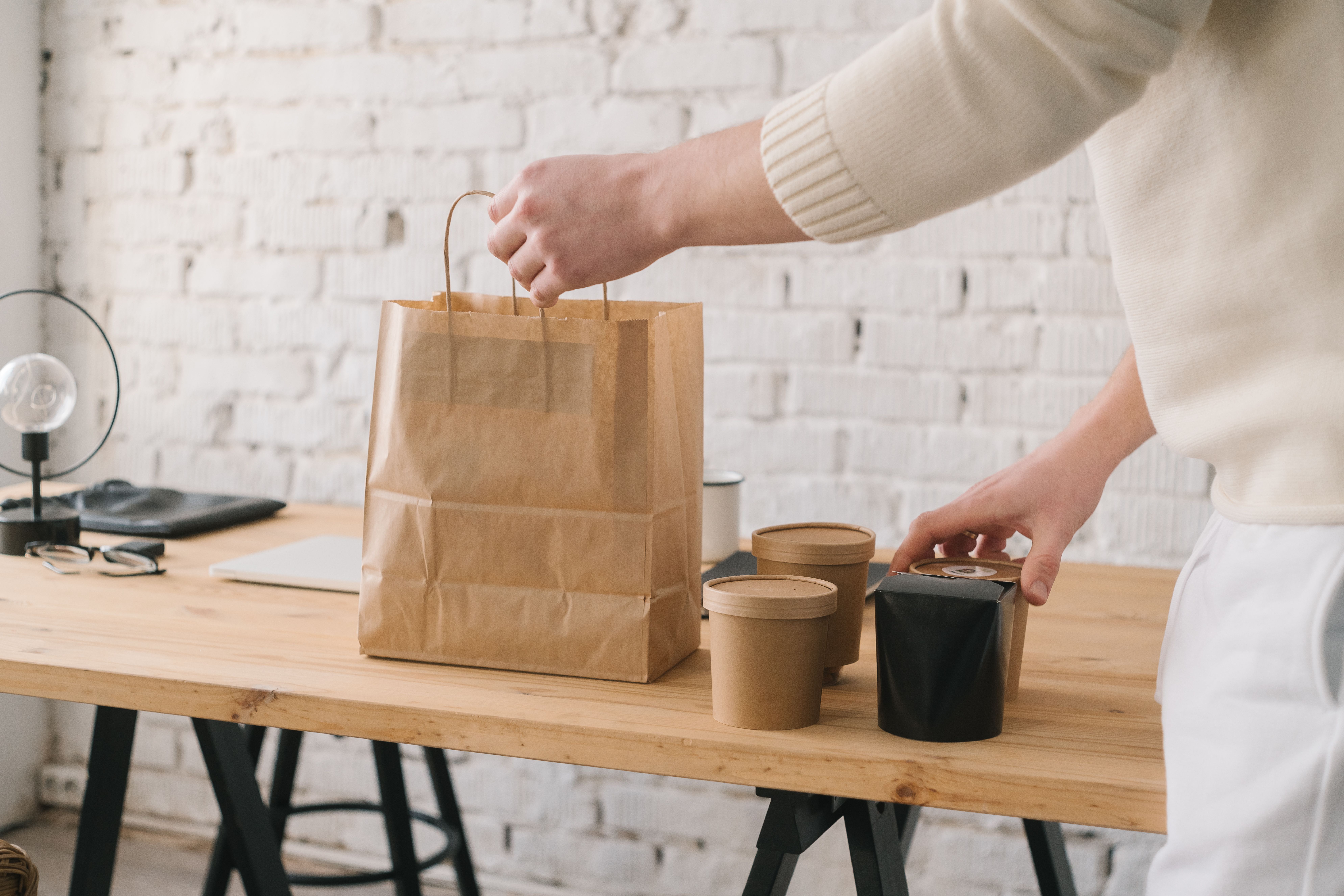
Fooda partners with local Los Angeles restaurants and uses a technology-enabled platform to bring a rotating lineup of meals directly into the workplace. Instead of relying on the same limited options, teams get access to the kinds of restaurants and cuisines they’d normally have to leave the office to find, without extra coordination.
Fooda offers five types of flexible workplace dining programs that can be mixed and matched. We help design highly customizable food programs to support teams of all sizes and work styles:

Local LA restaurants set up onsite on a rotating schedule, giving employees more variety throughout the week. It brings the experience of eating around the city into the office without leaving the building.
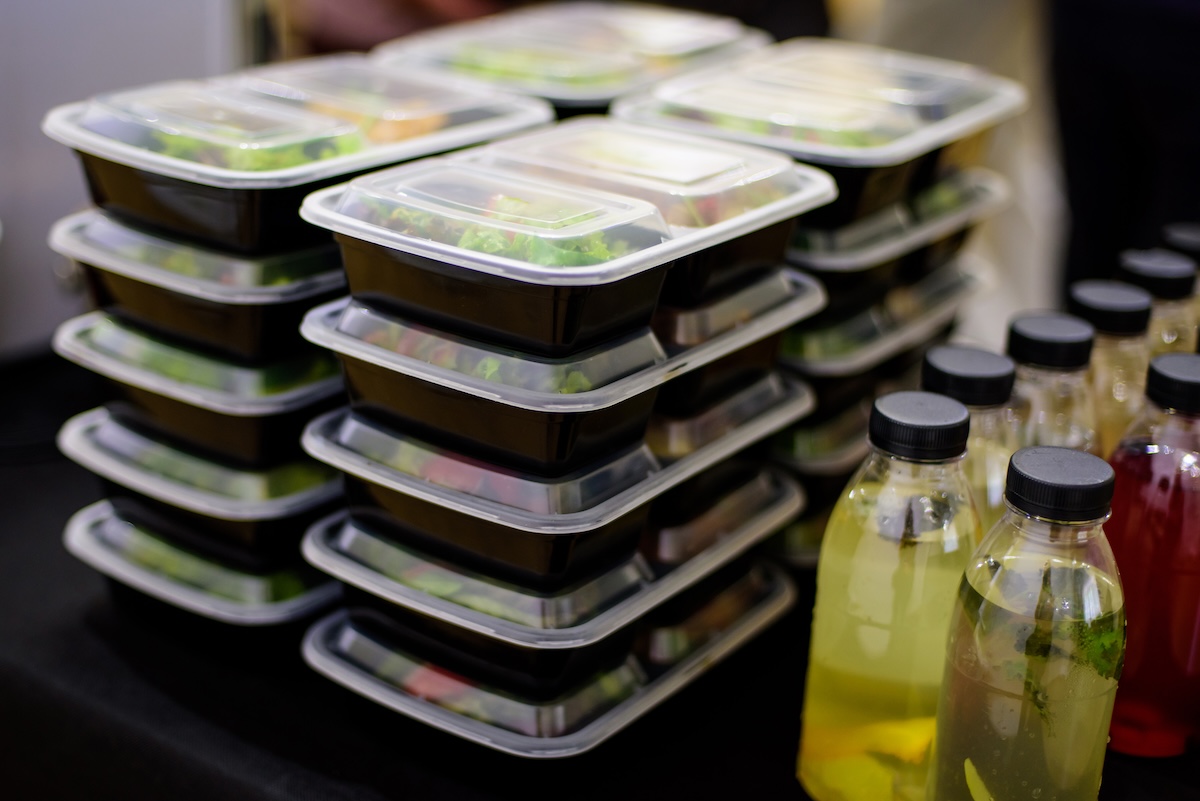
Employees order individually from multiple local restaurants through a single platform, and everything arrives at the office at the same time. No back-and-forth, and no one stuck coordinating logistics.
For larger LA offices or campuses, Fooda operates on-site cafés by rotating in local restaurant partners. The space stays consistent, but the food offering changes regularly, keeping options fresh and avoiding the “same lunch every day” cycle.

Pantry services cover the in-between moments, coffee, snacks, and grab-and-go options, so employees have reliable access to food throughout the day.

For meetings and events, Fooda makes it easy to bring in food from trusted LA restaurants without adding extra coordination for office managers or HR teams.
Across every program, Fooda handles logistics, vendor coordination, and day-to-day operations, reducing the time required to manage office meals, while improving the overall employee experience across LA offices.
LA’s food scene runs on local restaurants, constant rotation, and real variety. Fooda brings that same structure into the workplace, making it easier for teams to access the kind of variety LA is known for, without the operational burden.
See how Fooda could work in your LA office. Talk to a Fooda expert and get a customized plan based on your team size, schedule, and budget.

What types of companies benefit most from Fooda in Los Angeles?
Fooda works especially well for teams that want to offer better food without increasing internal workload. That includes growing offices, larger teams with diverse preferences, and companies looking to improve the day-to-day employee experience.
How does Fooda bring different restaurants into the office?
Fooda partners with over 4,500 local restaurants across the country and directly with Los Angeles restaurants. We schedule them to appear onsite or as part of a delivery program. Instead of relying on a single vendor, workplaces get access to a rotating mix of restaurants throughout the week.
Why is it so hard to recreate LA’s food variety at work?
LA’s food scene is built on constant movement. Different neighborhoods, different cuisines, and new options every day. Most workplaces, on the other hand, rely on fixed menus or one-off group orders, which makes that level of variety difficult to maintain. Fooda addresses this by rotating local restaurants into the workplace on an ongoing schedule.