In DC offices, planning lunch for larger teams can get complicated quickly. What works for a small group or a one-time meeting may not hold up when you’re coordinating recurring meals for more than 20 employees.
As the group grows, so do the logistics. Dietary restrictions become harder to track, preferences change, and timing matters more when people have busy schedules. Even small inconsistencies can add up and affect the whole team.
Whether your team needs lunch every day, a few times a week, or for regular events, it’s worth comparing how different office lunch delivery options handle key factors. Some services require more hands-on coordination, while others can run on their own once they’re set up.
Not every office lunch delivery service is built to handle recurring meals for larger teams. Even though a service may work well for special event catering, it may not scale effectively when lunch becomes a regular part of the workday.
Before choosing a provider, it’s important to consider if the service can support your team over time. A strong office lunch program should reduce coordination effort and stay easy to manage as your team grows.

Once your office starts providing lunch on a regular basis, variety plays a major role in the success and popularity of the program. A menu that works well for a one-time meeting can lose its appeal when employees see the same options every week.
Consider a service that rotates restaurants rather than relying on a fixed menu. In DC, that can also mean bringing in local spots that reflect the city’s food scene. Having more variety makes it easier to accommodate different preferences while keeping employees interested in the program over time.
Rather than focusing on how many restaurants a provider works with, it´s worth looking at how often the lineup changes. Regular restaurant rotation is what keeps a recurring lunch program from becoming repetitive and encourages employees to continue participating over time.

Look for a provider that's built for workplaces, not just individual orders. Meals should arrive together, ready to serve, be clearly organized, and require as little coordination as possible from your team.
A consistent delivery process also helps reduce last-minute issues, whether attendance changes unexpectedly or small adjustments need to be made before delivery. That consistency makes lunch easier to manage week after week. When employees can't count on lunch arriving as expected, it can disrupt meetings, shorten lunch breaks, and create unnecessary frustration for both employees and managers.

As the number of people being served increases, it’s more likely that someone will have dietary accommodations to consider. A high-quality office lunch delivery program should make it easy to accommodate those needs without requiring separate orders or extra coordination. Employees are more likely to participate in a lunch program when they know they'll have meal options that work for them.
Look for a provider that offers a wide range of options, including vegetarian, vegan, gluten-free, and other common dietary preferences. Letting employees choose their own meals can also help reduce ordering mistakes and ensure more people find something they'll enjoy. This makes it easier to accommodate everyone, ensuring all employees have something safe to eat.

For some offices, attendance can change from day to day thanks to hybrid schedules. A lunch program should be able to easily adjust meal counts, shift delivery days from week to week, or accommodate unexpected visitors or team meetings without needing a full logistical rework each time.
Whether your team is in the office a few days a week or every day, a flexible program allows you to provide lunch consistently without committing to fixed orders that may leave you with an abundance or scarcity of food depending on days where attendance is different than usual.

Managing lunch for a larger team shouldn’t turn into a time-consuming task. If every order requires tracking individual preferences, collecting payments, and processing multiple receipts, the program can quickly become hard to maintain.
A strong office lunch delivery service removes the burden by making coordination, billing, and reporting simple and easy to manage in one system. Reducing the administrative work behind office lunches also helps reduce the mental load that often comes with managing a recurring program.
Look for solutions that offer centralized billing, predictable ordering windows, and a repeatable process that doesn’t require day-to-day oversight. The goal is to make the process feel effortless, so employees can enjoy their meals while office managers are freed from unnecessary administrative work.
When it comes to larger teams, lunch has to balance variety, reliability, and easy coordination. It also needs to be flexible enough to work with your team’s needs.
From individual delivery apps to workplace dining programs, here are the most common solutions companies use for office lunches in DC and how they compare.
| Solution | Best For | Benefits | Considerations |
|---|---|---|---|
| Individual Delivery Apps | Small teams or occasional lunches | Convenience, wide restaurant selection | Harder to manage at scale, multiple deliveries and receipts |
| Traditional Catering | Meetings and one-time events | Simple ordering, predictable quantities | Less flexibility and variety for recurring lunches |
| Office Lunch Delivery Programs | Recurring meals for larger teams | Built for workplaces, centralized management, easier coordination | Quality and flexibility vary by provider |
| Rotating Restaurants Programs | Frequent office lunches | Local restaurant variety, changing menus, stronger employee engagement | Requires a provider with restaurant partnerships and logistics support |
The best office lunch delivery solutions are the ones that offer flexible planning and work with your team’s needs. Office lunch delivery programs are one of the best solutions for office lunch delivery that meet this criteria. These are designed for workplaces that provide meals on a recurring basis. Unlike individual delivery apps, these programs specialize working specifically with teams.. They often feature coordinated delivery, centralized billing, and a process that supports larger groups.
The main benefit is that it balances employee choice with operational simplicity. Companies can offer a consistent lunch benefit without requiring someone to manage every order, update menus, or coordinate logistics each time.
Rotating restaurant programs are another solution that take workplace lunch programs a step further. By bringing different restaurants and menu options into the office on a regular basis, companies can offer employees a changing selection of meals over time, featuring different local restaurants and cuisines rather than a fixed set of catering menus or a limited group of providers.
A rotating restaurant program is especially useful in a city like DC, where employees have access to a diverse local restaurant scene. For teams that provide lunch frequently, variety can have a direct impact on participation and employee satisfaction. Featuring different restaurants helps companies to introduce new cuisines, support local businesses, and create a lunch experience that feels less repetitive.

For companies that want to provide lunch on a recurring basis, the best solution is one that reduces daily coordination while still giving employees meaningful variety. Fooda’s office lunch delivery program is built to combine the flexibility employees want with the structure workplace teams need to run a reliable lunch program.
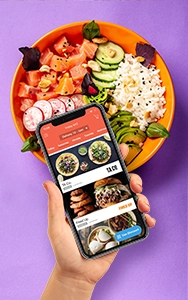
Fooda works with local restaurant partners to offer rotating meal options that change over time. Through the Fooda app, employees can browse the restaurant options available each day and place their individual orders. All meals are then delivered together by a Fooda delivery driver, creating a more organized experience for both employees and workplace teams.
Instead of spending time coordinating multiple restaurant orders, managing separate deliveries, or deciding on the same lunch options week after week, companies can offer more variety through one streamlined program. This helps reduce the administrative work behind recurring office meals while creating a more consistent lunch experience employees value.
For DC companies, Fooda provides a flexible approach to office lunch delivery that supports different schedules, team sizes, and workplace preferences while bringing local restaurant variety into the office.
Ready to make office lunch easier to manage while offering your team more variety at lunch? Talk to Fooda today to learn how a flexible workplace lunch program can help your DC office create a better employee experience.

What is the best office lunch delivery option for large teams in DC?
The best office lunch delivery option depends on your team size, how often you provide meals, and how much support you need managing the program. For companies with 20 or more employees, workplace lunch solutions that offer restaurant variety, reliable delivery, and easier administration are often a better fit than individual ordering apps or one-time catering.
How do office lunch delivery programs work?
Office lunch delivery programs are designed to make recurring workplace meals easier to manage. Employees can typically choose their meals from available restaurant options, while the provider coordinates ordering, delivery, and other logistics behind the scenes. This allows companies to offer lunch without requiring someone to manage every order manually.
What should companies look for in an office lunch delivery service?
Companies should evaluate office lunch delivery providers based on factors like restaurant variety, delivery reliability, dietary options, billing processes, and how easily the program can scale as the team grows. A strong solution should make lunch convenient for employees while reducing the administrative work for workplace teams.
How is Fooda different from DoorDash or other food delivery apps?
Unlike individual delivery apps, Fooda is built specifically for workplace dining. Fooda partners with local restaurants to provide rotating meal options for teams, while managing the ordering and delivery process through a workplace-focused program designed for recurring office lunches.
Can office lunch delivery programs support hybrid teams with changing attendance?
Yes. Flexible office lunch programs can help companies adapt to changing attendance patterns by allowing meals to be scheduled based on when employees are in the office. This makes it easier for hybrid teams to offer a consistent workplace benefit without committing to the same setup every day.
Looking for more answers about planning an office lunch program? Check out our guide to common office lunch delivery questions.