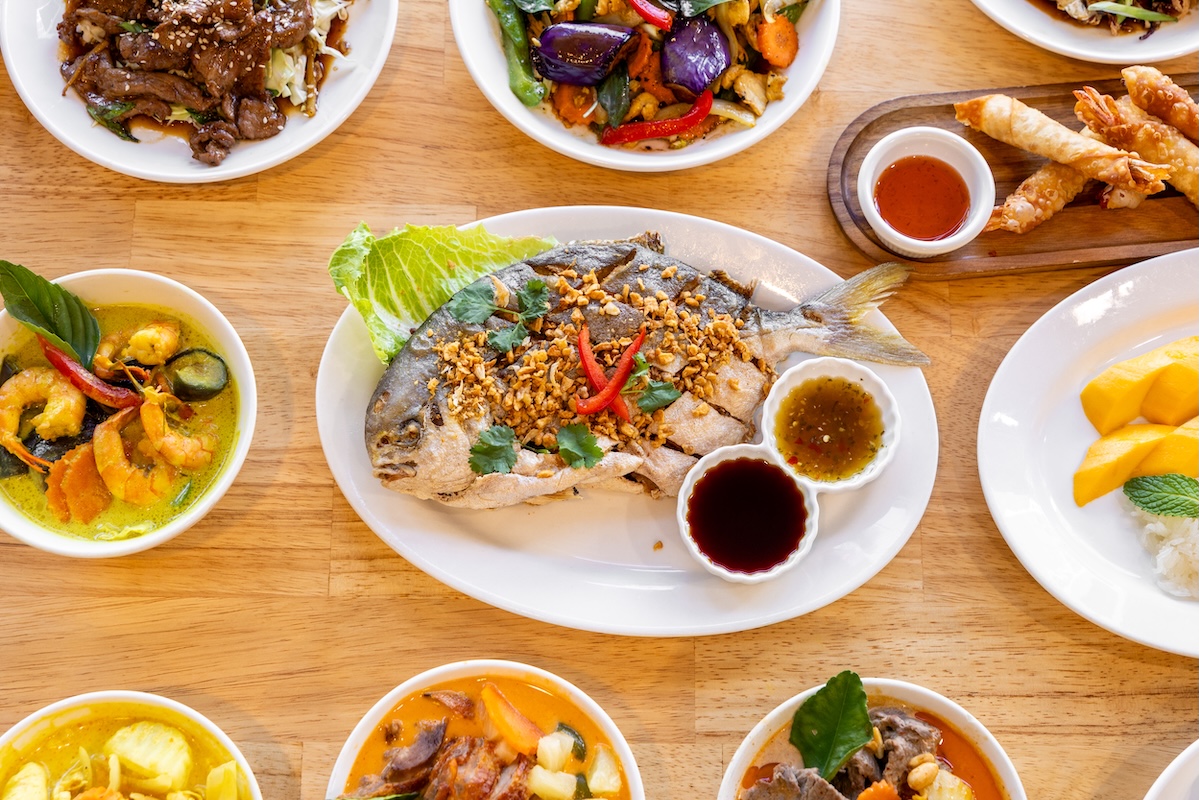
In DC, food is often tied to a place. The restaurants people return to are usually connected to a neighborhood, a community, or a local business that has become part of the city's identity.
In neighborhoods like Downtown, Capitol Hill, and NoMa, employees are often surrounded by everything from longtime neighborhood staples to newer restaurants serving a mix of cuisines. However, leaving the office for lunch is not always practical. Bringing lunch to the office is one of the easiest ways for companies to make the office feel more connected to the city around them.
Workplace food programs give employees access to a wider range of meals and more flexible lunch options, while local restaurants gain more consistent business and opportunities to serve nearby workplaces throughout the week.
As more companies look for flexible food options, partnering with local restaurants is becoming a practical way to support the neighborhoods that shape DC's food culture while giving employees more reasons to stay on-site.

For employers, going local offers a simple way to keep lunch from feeling repetitive for employees who are in the office multiple days a week. In a city like DC that has such a great, diverse food scene, this is even more applicable.
Relying on the same catering menus can quickly become redundant. Partnering with local restaurants helps employers bring more variety to the workday, with rotating cuisines, changing menus, and options that accommodate different dietary needs.
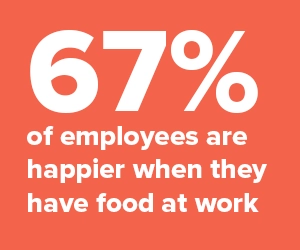
According to Fooda's 2026 Workplace Lunch & Food Program Survey, 83% of workplaces say having food on-site has an impact on workplace culture. Employees notice when lunch options start to feel repetitive, especially in a city like DC, where people are used to having access to a wide range of local restaurants and cuisines.
Bringing the best DC restaurants into the workplace can also make office days feel more worthwhile. When lunch is already handled, employees don't have to spend time planning meals, leaving the building, or waiting in line. Instead, lunch becomes an easier part of the day and creates more opportunities for teams to connect with colleagues and take a real break during the workday.
Workplace food programs can also deliver measurable business value beyond employee satisfaction. Companies often use food programs to support goals around office attendance, employee engagement, retention, and workplace culture, making it feel like an investment in the overall employee experience. As more organizations look to prove the value of these initiatives, many are taking a closer look at the return on investment of a workplace food program.
DC's food scene is shaped by the neighborhoods, communities, and traditions that have influenced the city for decades. The city's restaurant scene goes far beyond a single type of cuisine or dining experience.
While the city’s food culture continues to evolve, some neighborhoods have played an important role in shaping DC’s restaurant scene and the way people experience local dining.
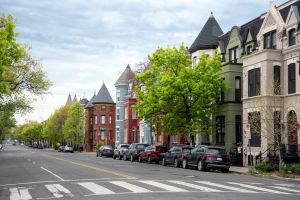
Shaw is one of the neighborhoods that best captures DC’s food culture. Having emerged in the late 19th century as one of the nation's most important centers of African American life, culture, and commerce, the neighborhood has been a cultural cornerstone for generations. Today, the neighborhood blends that legacy with newer development, and preservation efforts that continue to honor its role in Black cultural and political history in the capital.
The neighborhood is especially known for its Ethiopian restaurants, where diners can find dishes like injera, doro wat, tibs, kitfo, and vegetarian platters served in the traditional shared style that has shaped the way people eat in DC.
Restaurants like Chercher reflect that experience, combining bold spices, communal meals, and a strong sense of cultural tradition. Shaw’s food scene feels both traditional and current, with longtime Ethiopian favorites sitting alongside newer restaurants that continue to shape the neighborhood’s culinary identity.
Other restaurants to visit in Shaw include:

Mount Pleasant brings another important influence to DC’s food culture through its strong Latin American roots. The neighborhood is known for its welcoming community spirit and its independent restaurants that reflect the traditions brought by generations of immigrant families.
Salvadoran cuisine is one of the defining parts of Mount Pleasant’s restaurant scene. Local favorites serve dishes like pupusas and tamales, which have become part of everyday dining in the neighborhood. Restaurants like Haydee’s highlight the flavors and hospitality that make Mount Pleasant a destination for authentic Latin American food in DC.
Beyond Salvadoran cuisine, Mount Pleasant’s food scene reflects the important role food plays in bringing the community together.
Other local spots in Mount Pleasant include:

Adams Morgan reflects the international character of DC’s restaurant scene. Known for its mix of cultures and vibrant streets, the neighborhood brings together different cuisines and traditions within a few blocks.
The neighborhood has a wide range of restaurants, including those with Latin American, Middle Eastern, Mediterranean, and Asian influences. Adams Morgan’s dining scene reflects the diversity of the communities that have shaped the area over time.
One popular restaurant choice in the neighborhood is Lapis. This spot helped introduce many locals to Afghan cuisine through family recipes inspired by the owners' experiences growing up in Kabul. The mantu dumplings and lamb shank are reliable choices if you're trying the menu for the first time.
For more delicious restaurants in Adams Morgan, checkout:

Local restaurants help define DC's food culture. From independent cafés and neighborhood lunch spots to family-owned restaurants that have served their communities for decades, these businesses give the city's dining scene a strong neighborhood feel and keep it connected to the communities around them.
But for many restaurants, consistency remains one of the biggest challenges. Office attendance patterns continue to change, weekday lunch traffic can fluctuate, and unpredictable demand makes it harder for restaurants to maintain steady business throughout the week.
For local restaurant owners, reliable weekday demand can make a meaningful difference. Regular opportunities to serve nearby workplaces help restaurants reach new customers, and bring in steadier business beyond traditional walk-in traffic.
Supporting local restaurants through workplace food programs creates a real impact. By giving employees access to meals from local restaurants during the workday, companies can support the local businesses that continue to shape DC's food culture in a more sustainable way.
Instead of relying only on occasional catering orders or one-time events, businesses can build ongoing connections with restaurants throughout the city and bring more variety into the workday.
DC's restaurant scene is defined by its neighborhoods, local businesses, and the communities behind them. Fooda helps companies bring that same local feel into the workplace by partnering with a network of over 4,500 local restaurants to give employees access to more flexible lunch options in the workplace.
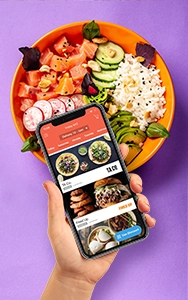
Instead of relying on the same catering menu every week or managing logistics with multiple vendors, Fooda helps companies create workplace food programs that support local restaurants while giving employees more variety and convenience throughout the workday.
Whether your team is onsite every day or works on a hybrid schedule, Fooda offers multiple dining programs that companies can mix and match based on their needs:
Across every program, Fooda gives companies a practical way to support local restaurants while creating a workplace food experience employees look forward to.
Whether the goal is to connect with the surrounding community, make office days more worthwhile, or give employees access to local restaurants, Fooda helps employers build flexible workplace food programs that work for both their teams and their local restaurant communities.
Ready to bring more local restaurants into your workplace? Talk to a Fooda expert today to learn how flexible workplace dining solutions can support your employees while helping strengthen DC's restaurant community.

How can workplace food programs support local restaurants in Washington, D.C.?
Workplace food programs create recurring opportunities for local restaurants to serve employees during the workday. Instead of relying solely on walk-in lunch traffic, restaurants gain access to more consistent weekday business and exposure to new customers through nearby workplaces.
Why do local restaurants benefit from workplace dining programs more than one-time catering orders?
While catering can provide occasional revenue, workplace dining programs create ongoing partnerships and recurring demand throughout the week. This helps restaurants build more predictable lunch business and stronger relationships with local employers and employees.
What are the benefits of bringing local restaurants into the workplace for employees?
Employees gain access to more variety, rotating cuisines, and meals from restaurants they already know and enjoy. Having food available onsite also saves time during the workday and makes office days more convenient and enjoyable.
Can workplace food programs work for hybrid offices in Washington, D.C.?
Yes. Flexible programs can scale based on attendance patterns, allowing companies to offer onsite dining on busier days and delivery-based options when fewer employees are in the office.
How can companies support Washington, D.C.'s restaurant community through their food programs?
Partnering with workplace dining providers that prioritize local restaurants allows companies to direct more of their food spending toward independent businesses in the communities where their employees live and work.