When it comes to campus dining trends, several major industry surveys released this year showed similar results: students want more choice, more nutrition transparency, and more of a sense of belonging from their dining programs.
Campus dining programs help first-year students make friends, give commuter and hybrid students a reason to stay on campus, and tangibly prove what a university’s values are. It has become one of the most important tools a university has for student satisfaction, retention, and even mental health.
Here's what's shaping campus dining in 2026, and what it means for the teams running it.

According to the Campus Dining Index, high-protein eating ranked as students' single biggest dining priority. The survey found that high protein diets were the highest priority for 28% of respondents, a jump of roughly 36% from last year. The demand for clean, minimally processed ingredients saw the largest year-over-year increase of any dietary preference tracked in the survey and is up about 40%.
Students are also prioritizing food that helps fuel performance. Dining preferences that relate to athletic performance ranked second overall, which reflects students’ goals of taking care of their wellbeing in order to perform to the best of their ability.
These priorities reflect a broader shift among Gen Z students toward eating for performance and long-term health, rather than just convenience. For dining programs, this looks like:
Soda and smoothies aren't going anywhere, but students are increasingly drawn to beverages that promise a functional benefit. Beverages with added electrolytes, caffeine, or prebiotics designed to support energy, focus, or gut health are becoming more popular drink choices among college students.
This trend relates closely to the high-protein, performance-nutrition mindset that is influencing food choices and shows that students want to get the most they can out of every meal and drink. It's also pushing dining programs to think about beverage programs with the same intentionality they apply to food.
For campuses, this opens the door to rotating beverage bars, better labeling of functional ingredients, and partnerships with beverage brands that are already popular off-campus.
Surveys have shown that students consistently rank variety as more important than almost anything else in their dining experience. This regularly ranks ahead of specific cuisines or dishes. Many students eat most of their meals on campus, and even delicious food loses its appeal when it's served the same way at the same stations every day.
Students don’t just want more food options. They're asking for variety in how food is served, such as different service models, pop-up concepts, and formats that break up the routine of a standard dining hall rotation. Allergen-friendly options and accommodations for different dietary and religious needs rank close behind as a top priority.
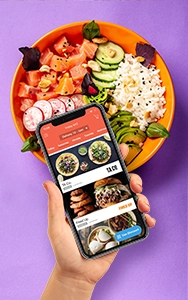
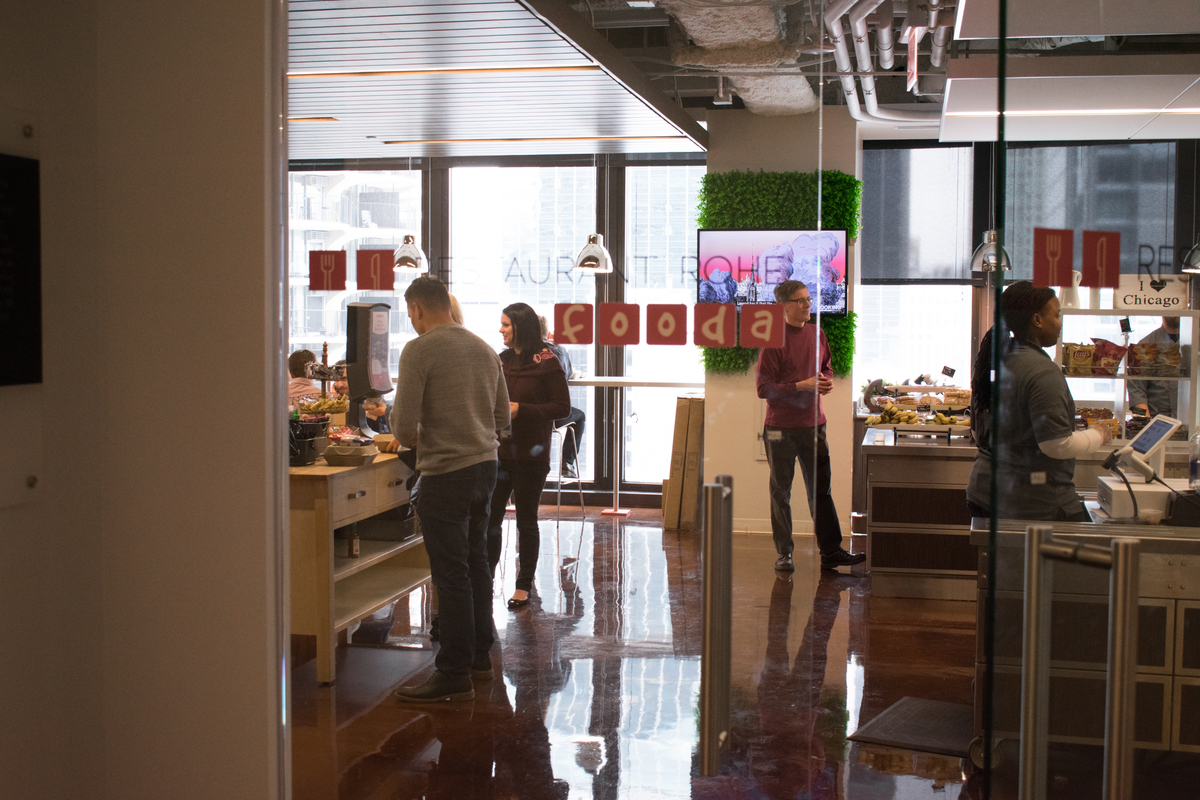
This is where rotating, marketplace-style dining concepts, such as Orange by Fooda, have an advantage over a single fixed menu. They help a dining program introduce new cuisines and formats regularly without requiring a full kitchen overhaul every time.

One trend that shows campus dining goes beyond food is the role it plays in helping new students adjust to college life. First-year students who reported positive experiences with their campus dining program also reported feeling more welcome, more connected, and more supported.
That matters because mental health issues on campuses are serious. Recent research on student wellbeing has found significant portions of the student population reporting depression, anxiety, and isolation, with only a minority describing themselves as genuinely "flourishing." Dining halls and food programs are one of the few daily touchpoints where students interact face-to-face, making them an underused tool for building community, especially as students attend fewer in-person classes than previous generations did.
Dining teams that treat their spaces as a connection point in addition to a dining area can make a real difference in students’ lives.
While food quality is at the forefront of a campus dining program, the dining space also plays an important role. Lighting and layout affect whether a dining hall feels like a place students want to stay and hangout or a place where they quickly eat and then leave. When students feel like they can use the dining space beyond just food, they’re more likely to visit the space and socialize with other students.
As the importance of the dining space itself increases, you can expect more campuses to invest in flexible zoned spaces like brighter, more energetic areas for social meals and quieter areas for studying.
Students want campus dining to reflect their values. As more students become vigilant about ethical sourcing, sustainable practices, and reducing waste, students want to see these things taken into account in their campus dining programs.
Local and regional sourcing, transparency about where food comes from, and visible sustainability commitments are increasingly factored into how students judge their dining program.
A narrative review by Frontiers in Nutrition found that 86% of studies showed a decrease in the selection of high-emission foods once they were labeled as such. This prioritization should be taken into account when planning campus dining programs in order to get students engaged and excited about the program.
When looked at together, these trends point to one central challenge: students want more.
Whether it’s more variety, more nutrition transparency, more values alignment, or more of an experience, students want more without giving up consistency or convenience. Campuses that treat dining as core to the student experience, not a back-office function, are the ones best positioned to meet these expectations head-on.
For dining directors and facility managers, this can be difficult to achieve through a single in-house kitchen alone. This is where Orange by Fooda can help. Bringing in a rotating lineup of local restaurant partners lets a campus deliver real variety and bold, authentic flavors on a regular basis, while still meeting the practical needs of a high-volume dining environment. Helping campuses modernize their dining services without a full infrastructure rebuild is the approach that Orange was built around.
Curious how a rotating, marketplace-style dining model could work on your campus? Talk to a Fooda expert to learn more.
How is mobile ordering changing the college dining hall experience?
More campuses are rolling out mobile pre-ordering and pickup so students can grab food between classes without waiting in line. Beyond convenience, these apps give dining teams real-time data on what's actually selling, which helps them adjust menus and staffing on the fly instead of waiting for end-of-semester feedback surveys.
Do colleges have to accommodate food allergies in dining halls?
Most universities aren't legally required to accommodate every allergy, but many treat it as a retention and compliance priority, especially for students with documented conditions under disability services. In practice, that usually means dedicated allergen-free stations, clearly labeled ingredients, and a process for students to flag needs directly with dining staff.
How much does a college meal plan typically cost in 2026?
Meal plan pricing varies widely by school and plan type, often ranging from a few thousand dollars per semester for a limited block plan to well over $6,000 a year for unlimited access. Costs have continued climbing alongside food and labor prices, which is part of why students are pushing schools to justify spending with better variety and quality.
Are college students required to buy a meal plan?
At most four-year residential colleges, first- and sometimes second-year students living on campus are required to purchase some form of meal plan, while upperclassmen and commuters often have more flexibility to opt out. Requirements vary significantly by institution and are usually outlined in housing contracts rather than academic policy.
How are universities addressing food waste in dining halls?
Many dining programs are investing in food waste tracking software, trayless dining, and smaller plate sizes to cut down on what gets thrown away, alongside donation partnerships with local food banks. Some campuses also use production forecasting tools tied to swipe and mobile-order data to cook closer to actual demand.
What dining options exist for commuter students who don't live on campus?
Since they're less likely to buy a full board plan, commuter students typically rely on a la carte retail dining, campus food courts, or flexible plans rather than traditional meal hall access. Some schools have started offering commuter-specific meal plans or discounted single-meal passes to make on-campus eating more accessible for this group.
How do universities choose which food vendors or dining companies to work with?
Most schools run a formal RFP (request for proposal) process, often every 5–10 years, comparing vendors on food quality, cost structure, technology, and student satisfaction data. Increasingly, universities are also considering more flexible or rotating vendor models rather than locking into a single exclusive provider for the full contract term.
What are the busiest and slowest times for campus dining halls?
Dining halls typically see sharp peaks around standard lunch and dinner hours (roughly 12–1 p.m. and 6–7 p.m.), with much lighter traffic mid-morning and mid-afternoon. This uneven demand is part of why many campuses are expanding late-night and grab-and-go options to capture students eating outside the traditional windows.
Can colleges bring in outside restaurants for campus dining instead of running their own kitchens?
Yes. A growing number of schools use rotating restaurant partnership or "cafeteria replacement" models that bring in local restaurants on a pop-up basis rather than relying solely on an in-house culinary team. This approach is often used to supplement an existing dining hall, fill gaps in underused spaces, or modernize dining at satellite campuses without the cost of building a full commercial kitchen.