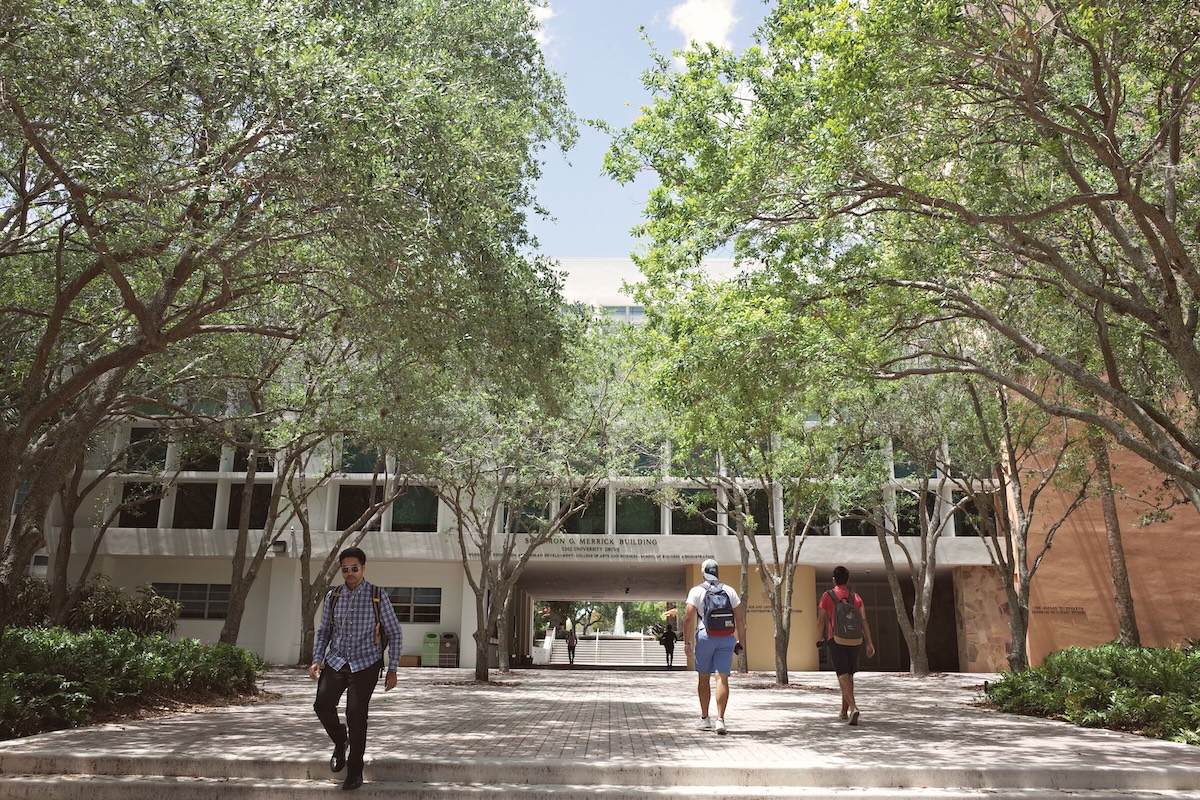
Food waste in university dining halls isn’t a new problem, however it's become a more visible one the student bodies care deeply about. Food costs are on the rise, students are paying closer attention to sustainability, and administrators are under growing pressure to show that campus operations reflect institutional values.
Reducing food waste in university dining halls has genuine, measurable benefits across a school's budget, environmental footprint, student experience, and reputation.
Here's a closer look at why it matters and what it delivers.
Food that’s wasted is money that’s wasted. Every over-portioned and unsold item ends up in the same place, representing a lack of student satisfaction and less revenue. Overspending on food that doesn’t get eaten not only wastes food, but also becomes money that a university is throwing away.
No university with the proper management has the goal of wasting food and money, but avoiding this isn’t easy. It requires intentionality and extra effort which ends up paying off in the end.
When dining halls manage production planning, portioning, and demand forecasting, the savings start to show up:
For dining services operating on tight, fixed budgets, this is one of the most direct levers available for cost control.

Food waste is an economic and environmental issue. Wasted food that ends up in a landfill breaks down and releases methane, a greenhouse gas far more potent than carbon dioxide. The resources used to grow, transport, and prepare that food (like water, land, and fuel) are wasted along with it.
Universities that reduce dining hall food waste can have a meaningful impact and shrink their environmental footprint by:
For schools working toward specific climate goals, dining operations are often one of the largest and most controllable sources of emissions on campus, which makes reducing food waste a high-impact place to start.
Rather than simply an operational detail, sustainability performance has now become a competitive differentiator for universities. Rankings like the AASHE STARS (Sustainability Tracking, Assessment & Rating System) and the Princeton Review's Green Honor Roll factor dining and waste practices directly into their scoring. These are rankings that prospective students and their families do check before enrollment.
Beyond reputation, there's a growing regulatory dimension. A number of states now require commercial food waste diversion or composting for institutions above a certain size, which increasingly includes university dining operations. In general, getting ahead of food waste reduction is good practice, especially as it becomes a compliance requirement in some states.

Today's students are paying attention to how their university operates. Rather than just listening to what a university teaches, students want to see what they are taught in practice. Sustainability is increasingly a factor in where students choose to enroll, and how satisfied they are once they arrive.
Reducing food waste is one of the biggest ways a university can make a statement on their values. The benefits of reducing food waste support the student experience in a few ways:
One of the many benefits of reducing food waste is the impact on operational efficiency. Reducing food waste often correlates with running a smooth, smart dining operation overall. Because these things go hand in hand, tools and practices that cut food waste tend to improve efficiency across the board:
While many of the benefits of reducing food waste come from preventing waste in the first place, some of it comes from what dining halls do with extra food that is bound to exist. Many universities are partnering with local food recovery organizations, shelters, and food banks to donate safe, unserved food rather than throwing it away.
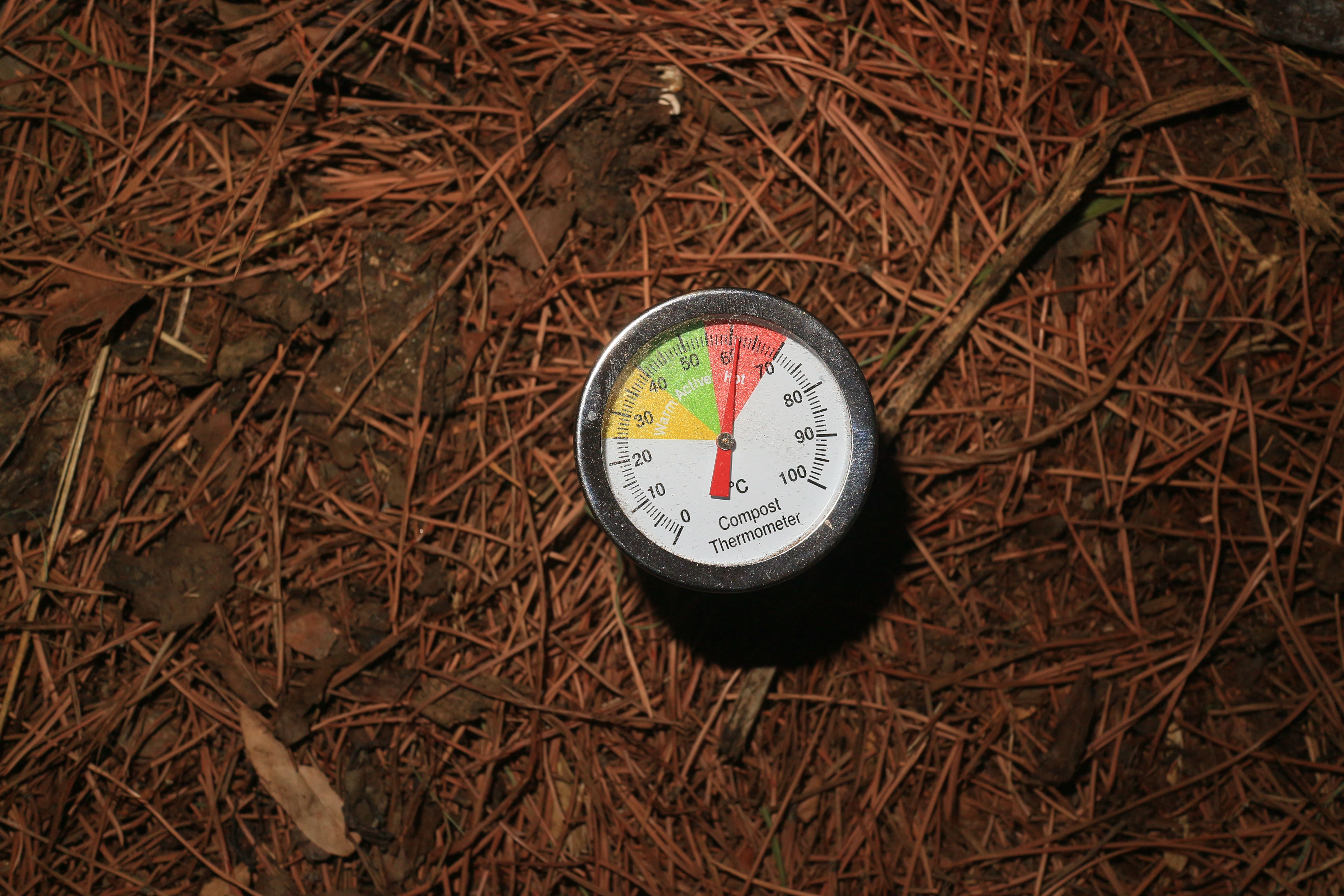
Composting programs create a similar closed-loop benefit, turning unavoidable food scraps into a resource rather than something that ends up in a landfill. Together, these programs extend the benefits of food waste reduction beyond the dining hall and into the community, all while reinforcing a campus-wide culture of responsibility.
Reducing food waste can feel like a daunting task. Luckily, it doesn't have to happen overnight. These common, effective steps give you an achievable place to start:
Reducing food waste in university dining halls pays off on nearly every front: lower costs, a smaller environmental footprint, happier and more engaged students, stronger institutional reputation, and a more efficient operation overall.
For universities looking to modernize their dining operations and cut down on the waste that comes with traditional cafeteria models, flexible, tech-enabled dining solutions offer a practical path forward by matching food supply to real student demand rather than relying on an estimate.
By partnering with a tech-driven, modern cafeteria alternative like Orange by Fooda, you will not only be reducing waste at your university, but you’ll also be providing students with a dining experience they want to use.
Orange focuses on made to order meals from local restaurants, with proprietary technology that helps track spending. This adaptive style of food program is perfect for those universities that want to reap the benefits of reducing food waste while also improving their dining hall’s efficiency.
Ready to improve your dining hall and reduce food waste with Orange? Contact our team to learn how to get started.
How much food do university dining halls waste each year?
Studies estimate the average college student generates roughly 142 pounds of food waste per year through dining hall meals, and campus dining programs nationwide waste an estimated 22 million pounds of food combined annually. Actual figures vary widely depending on service style (buffet vs. made-to-order) and enrollment size.
What is trayless dining and how does it reduce food waste?
Trayless dining removes cafeteria trays so students carry only what they can hold on a single plate at a time. Without a tray to stack multiple dishes, drinks, and sides, students tend to take smaller portions and make fewer trips back for more. Research from schools that have implemented it shows measurable reductions in plate waste.
Do dining hall composting programs actually save universities money?
Composting programs can reduce landfill hauling costs since organic waste is diverted to a lower-cost or sometimes free composting stream instead of paid trash disposal. Savings depend on local hauling rates and whether the university partners with an off-site composting facility or manages composting on campus.
How can students get involved in reducing food waste on campus?
Common student involvement opportunities include joining dining "green teams," participating in plate-waste weigh-ins or audits, volunteering with campus food recovery programs that redistribute surplus food to local shelters, and advocating for sustainability changes through student government.
What role does food waste play in college sustainability rankings like AASHE STARS?
AASHE STARS awards points specifically for dining programs that track and reduce food waste, divert waste from landfills, and source food sustainably, making dining operations one of the more heavily weighted categories within a university's overall sustainability score.
Are there laws requiring universities to reduce or divert food waste?
Yes, a growing number of states and cities, including California, Vermont, and New York City, have organic waste diversion laws that apply to institutions generating food waste above certain thresholds, which can include large university dining operations. Requirements typically mandate composting or recycling of food scraps rather than landfill disposal.
How does buffet-style dining compare to made-to-order dining in terms of food waste?
Buffet-style dining generally produces more waste because food must be prepared and held in large quantities to meet unpredictable demand throughout service hours, leading to unsold surplus. Made-to-order or portion-controlled models produce food closer to the point of consumption, reducing overproduction.
Can food waste tracking software actually change student behavior?
Some universities use visible tracking displays (showing real-time waste weight or environmental impact) at tray return stations, and early studies suggest this kind of visible feedback can nudge students toward taking smaller portions and wasting less, though the effect tends to be strongest right after implementation and may fade without ongoing reinforcement.