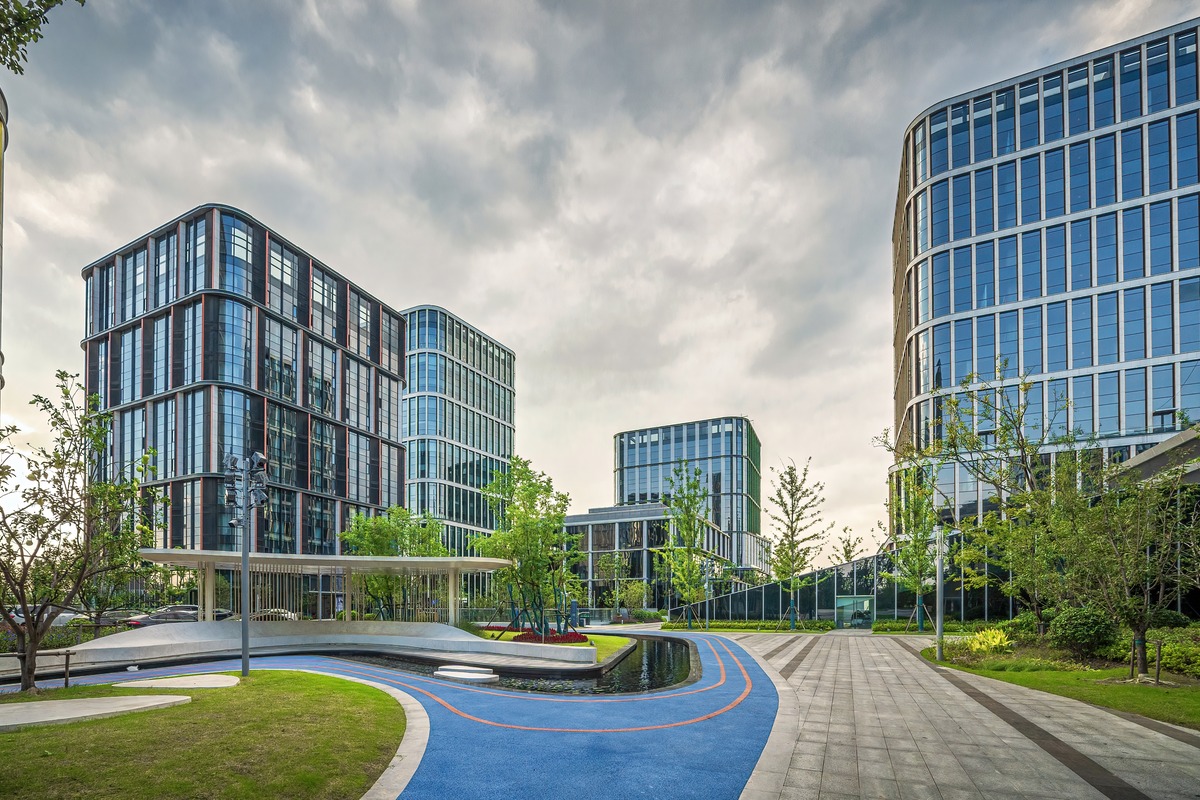
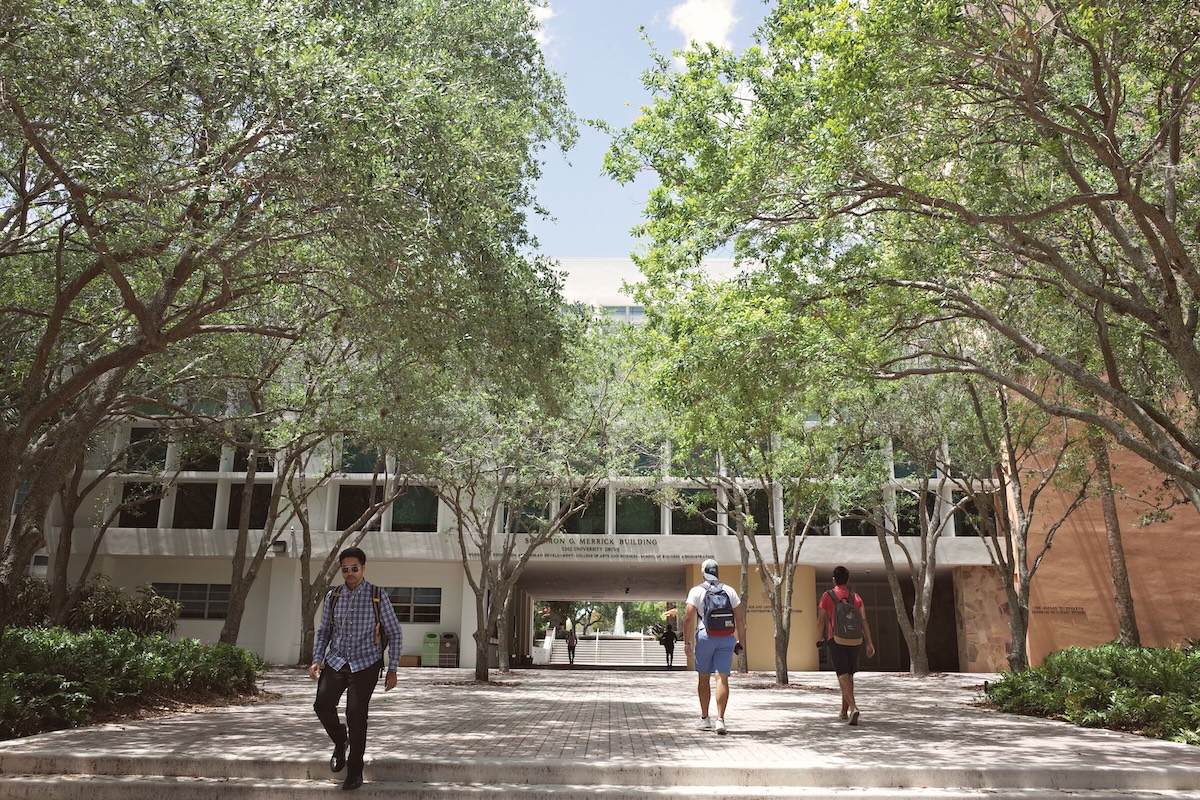
Whether you’re managing a large corporate campus or a university, campus dining programs are a great way to provide an additional perk that improves the overall campus experience.
Tenants and students can enjoy conveniently available, high-quality food supported by streamlined, easy-to-use ordering and point-of-sale software. This speeds up the checkout and ordering process, creating a more enjoyable experience.
Leveraging technology also makes day-to-day management easier, allowing administrators to easily track budgets, schedules, and performance metrics. Making changes is simple, with everything accessible in one place.
Upgrading to a tech-enabled campus dining program can give you a major competitive advantage that delivers ROI in terms of retention and attraction. Keep reading to learn how to get started.
Whether you’re replacing your current program or designing one from the ground up, implementing a tech-enabled campus dining program doesn’t have to be complicated.
There are simple steps you can take to determine which campus dining partner is right for you. Once you commit to one, you can easily monitor and adjust your program to maximize results and maintain engagement over time.
Before you begin making changes, take a look at your current performance metrics:
These are all important questions to ask to determine where you need to adjust your approach.
One of the most important ways to determine the performance of your current campus dining program is by looking at participation data. Underperformance indicates room for growth.
If your program is not tech-enabled, you may have to hunt this information down or gather it manually. It should give you a good idea of overall interest and help you set goals for improvement.
If they’re not constructed carefully, campus dining programs can generate a significant amount of waste. Inefficient operations and improper scaling can make them difficult to manage, lead to food waste, and create unnecessary overhead costs.
Look at your current spending patterns. How much does your food program cost? Is it higher than you initially budgeted for? Is there anywhere you think you could reduce costs? Many modern, tech-enabled campus dining programs are designed to minimize this waste by streamlining operations.
The most straightforward method of gathering performance insights is by simply asking customers how they feel about the program. Are they using it out of convenience or because they genuinely enjoy the food?
This information can highlight pain points you may not have considered and give you valuable insight into what you should consider when selecting a new dining model.
When deciding on a campus food partner, thoroughly vet all of your options. Not every program offers the same value, and if you want to leverage technology, it’s important to make sure they have robust infrastructure that meets your needs. Look for food service providers that offer the following:

As technology advances, so do peoples’ expectations surrounding it. Customers are used to quick, painless checkout processes, and anything less will lead to frustration that can drive down attendance and reflect poorly on your organization.
Any campus dining partner you choose to work with should have purpose-built point-of-sale systems that are reliable and easy to use. Additionally, online ordering can further create a positive user experience, allowing customers to plan ahead and eliminate the need to wait in line.
Aside from front-end operations, tech-enabled dining programs also need to be easy to manage behind the scenes. Having built-in software that automatically gathers and analyzes performance data, such as participation, spending, and preference patterns, allows you to continually monitor success.
These modern solutions allow you to keep an eye on your data without creating extra work for administrative teams.
It’s one thing to monitor performance, but it’s another thing to apply it. Tech-enabled programs should be able to move beyond basic reporting. To maximize performance, software should make active suggestions or even implement changes automatically while allowing you to maintain control and easily make your own adjustments whenever you want.
There are two main options when it comes to campus cafeteria models. Traditional corporate cafeterias are a well-established format, but it comes with some downsides. Newer local restaurant models offer a new solution built for the modern campus and diner.
Be sure to examine your options thoroughly before making a decision:
Typically run in-house or by large legacy providers, the traditional corporate cafeteria model has existed for decades. In this model, ingredients are shipped in bulk, and dishes are prepared in large batches to be served buffet-style.
Because the traditional cafeteria requires a large on-site staff, including cooks, servers, cashiers, and maintenance and janitorial services, they typically have significant overhead and require a fair amount of day-to-day management.
Additionally, they tend to feature stagnant menus that are slow to change, as available dishes are typically determined by vendor contracts. This can lead to menu fatigue and declining participation over time as employees grow tired of the same options day after day. Declining participation leads to more food waste, which drains funds further. Oftentimes, these models end up costing significantly more than they bring in.
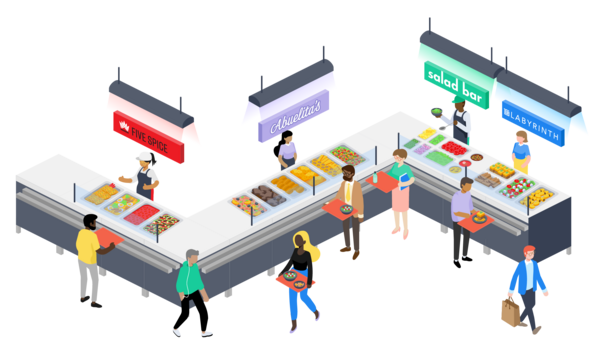
Bringing real local restaurants into the cafeteria is a low-cost high-quality way to feed large amounts of people. A mix of resident and rotating restaurants serve food on-site, giving customers access to fresh, high-quality food. These programs are typically run by food service companies with pre-existing restaurant partner networks.
These cafeterias are significantly more cost-effective, as the restaurants also provide kitchen and serving staff, cutting labor costs. Providers typically handle restaurant scheduling and coordination.
Bringing in new local restaurants on a daily basis creates endless variety that keeps customers engaged over time, rather than fizzling out a few months in. This model is also scalable, allowing you to size operations based on day-to-day attendance patterns, reducing food waste and keeping costs reasonable.

After you make a decision and implement your program, the best way to ensure ongoing success is by paying careful attention to performance metrics. Monitoring these metrics allows you to lean into what’s working and address pain points as time goes on.
When your program initially launches, the anticipation and excitement surrounding it is likely to drive high participation and spending. As time goes on, however, overall performance and campus fit determine outcomes.
One of the best ways to track this is by examining changes in customer spending patterns. If they start out using the program every day and then transition to only engaging a few times a week or worse, not at all, it indicates dissatisfaction with the quality or type of food offered, indicating that changes need to be made.
Additionally, if customers consistently spend more on certain cuisines than others, it indicates a preference that should be leveraged. These preferences can also change over time, so consistent monitoring is key.
Dwindling or inconsistent participation isn’t always due to dissatisfaction with offered food choices. Sometimes it can indicate natural fluctuations in on-campus presence. For example, tenants working hybrid schedules may predominantly work in-office Tuesday-Thursday with low attendance on Mondays and Fridays. Students may have more online classes on certain days than others.
If participation numbers are consistently lower on specific days of the week, it indicates that your program is oversized for those days rather than disinterest in the food itself. Again, these patterns can change over time, making it important to examine them regularly.
If you partner with a food service company that leverages tech-enabled campus dining solutions, these patterns can be tracked and applied automatically through point-of-sale systems, eliminating the need for painstaking manual monitoring.
Once you pinpoint these patterns, the next step is to apply them. Continual adjustments allow you to maintain consistent performance, ensuring your program doesn’t fizzle out after the initial excitement wears off.
Once you have a better understanding of what your customers prefer, the right campus dining partner will make it easy to implement adjustments that cater to their tastes. If you find that they avoid Italian food but almost always go for Mexican cuisine, you can alter your schedule to accommodate those preferences, keeping customers happy and engagement high.
Over-scheduling can lead to significant food waste and revenue loss. Scaling your program to fit average attendance can eliminate these challenges. On peak-participation days, you can ensure that all of your available stations are open, ensuring you meet demand. On lower attendance days, you can scale operations back to cut down on waste.
Tech-enabled campus dining programs also tend to go beyond data collection and analysis. The best partners have the ability to apply those insights autonomously without leaving you out of the loop, allowing you to make adjustments as needed without forcing you to do all of the work on your own.
Fooda has spent years building and improving our technology to create an experience that supports customers and administrators alike. Our modern corporate cafeteria solution, Orange by Fooda, leverages this tech to take your campus dining program to the next level. Here’s how:
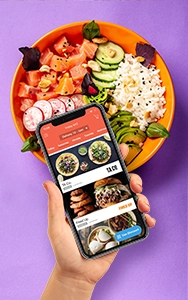
Through the Fooda app, employees and students can order food ahead of time, eliminating the need to wait in line. The online checkout process is simple, and any subsidies they may have are automatically applied. They can also accumulate and monitor rewards all in one place.
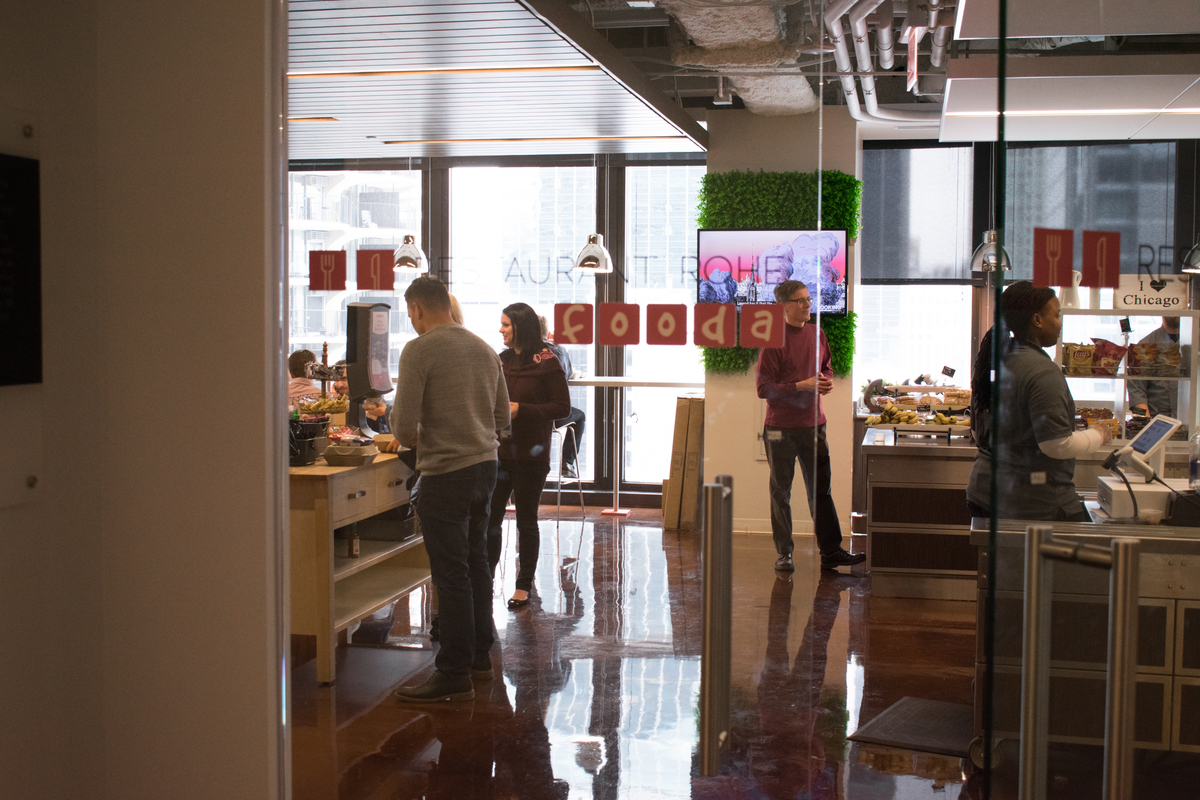
Our in-person checkout process is just as easy. Powered by modern technology and Orange’s friendly, hospitable service, employees can pay quickly and apply subsidies with ease, eliminating long wait times and pricing errors.
Our app can also be used on the administrative side of things. Managers can easily add and adjust subsidies through our user-friendly interface, allowing them to make adjustments in a timely manner rather than having to navigate complex processing timelines.
Fooda’s point-of-sale system gathers participation and performance data from all transactions. Our AI-powered technology analyzes spending patterns to provide insights that allow you to tailor your food offerings to best suit your workforce, including which cuisines they prefer and on which days, ensuring your program only gets better over time.
Fooda’s business portal allows you to monitor scheduling, budgets, and performance metrics at any time. If you want to make changes, you can simply speak to your account manager and they’ll handle all of the logistics for you.

With our tech-enabled campus dining model, Orange by Fooda, you can bring quality, variety, and convenience to your customers without unnecessary overhead or administrative burden.
Orange leverages our network of 2,500+ local restaurant partners to bring real restaurants straight to your campus. This approach delivers your city’s unique flavors to your customers, creating an authentic and engaging dining experience.
Orange’s cafes host a combination of resident and rotating restaurant partners, creating consistency while keeping offerings fresh. This prevents menu fatigue and keeps customers coming back.
Our model allows you to adjust operations to meet demand. On busier days, you can open all stations and operate only your resident restaurants on low-attendance days. This allows you to accommodate everyone without generating unnecessary waste.
Because Orange’s cafes are powered by local restaurants, they require fewer in-house staff members. Restaurant employees handle food prep and service, cutting down on operating costs.
Orange’s dining managers handle all day-to-day operations for you. You won’t have to worry about managing staff, coordinating with restaurants, or handling maintenance, allowing your teams to focus on other projects.
Ready to partner with Orange to create a streamlined tech-enabled campus dining experience? Speak with one of our experts today.

Is a campus dining program only for large corporate campuses?
No. Rotating restaurant models scale down as easily as they scale up. Even smaller corporate campuses can sustain campus cafeterias by simply placing and running fewer stations.
How do employee subsidies work with a tech-enabled dining platform?
Subsidies are typically applied automatically at checkout rather than requiring manual reimbursement, so administrators can set a daily or monthly allowance per employee or student and adjust it without re-issuing new payment cards or vouchers.
What happens to a campus dining program during low-attendance periods, like holidays or summer?
Because staffing and food volume are tied to the restaurant partners rather than a fixed in-house kitchen, operations can be scaled down on slow weeks without laying off staff or absorbing unused inventory costs.
Can a campus dining program accommodate dietary restrictions or specific cuisine requests?
Yes. Because the model draws from a rotating pool of restaurant partners rather than one fixed menu, administrators can request specific cuisine types, including allergen-conscious or dietary-specific options, as part of the restaurant rotation schedule.
How is ROI measured for a campus dining program?
Beyond participation and spend data, ROI is often tracked through retention and recruiting metrics. For example, whether the amenity is cited in exit interviews or used as a selling point in job offers.
Do campus dining programs require a long-term contract commitment?
Contract terms vary, but one advantage of the local-restaurant model over legacy cafeteria vendors is that changes to the program such as swapping restaurant partners, adjusting subsidy levels, and changing station counts don't typically require renegotiating a master service agreement, since those levers are managed through the platform itself.