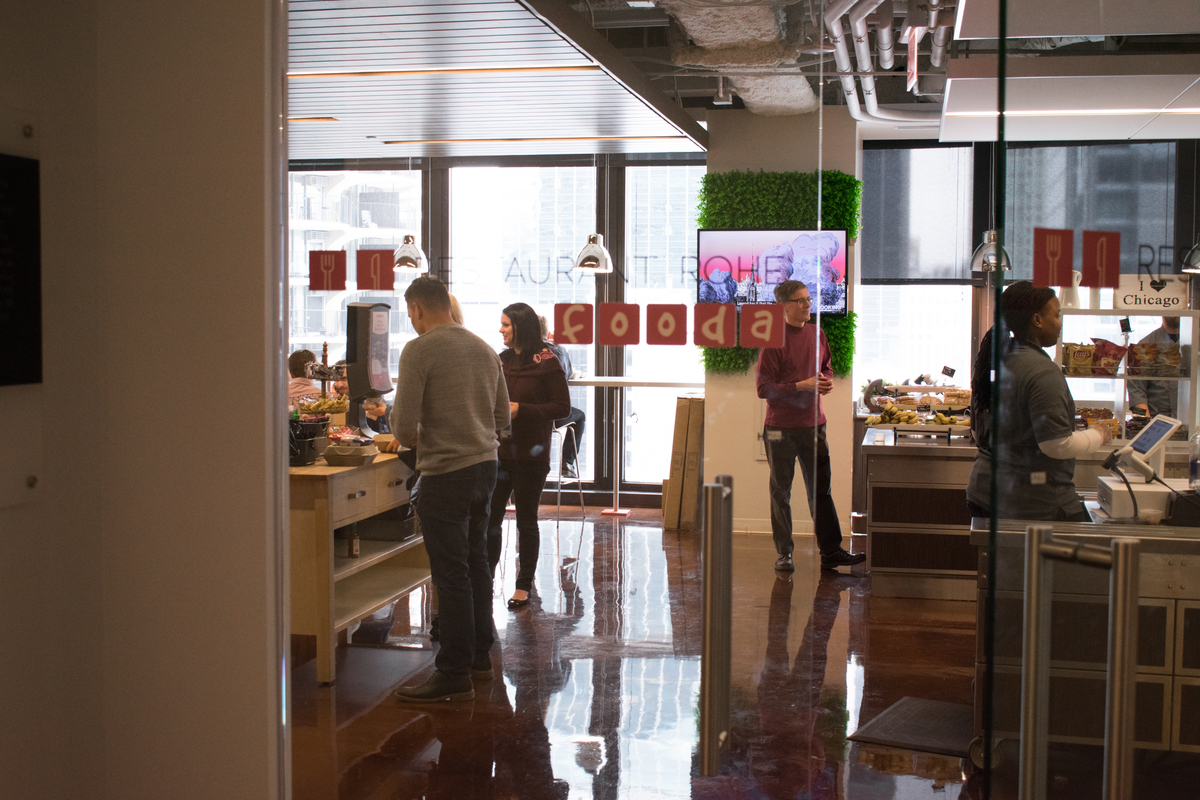
Got questions about Fooda’s Cafeteria programs? View the frequently asked questions below and don’t hesitate to reach out to us if we weren’t able to answer your questions here.
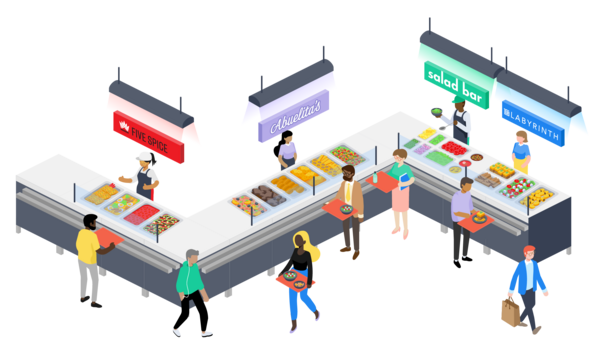
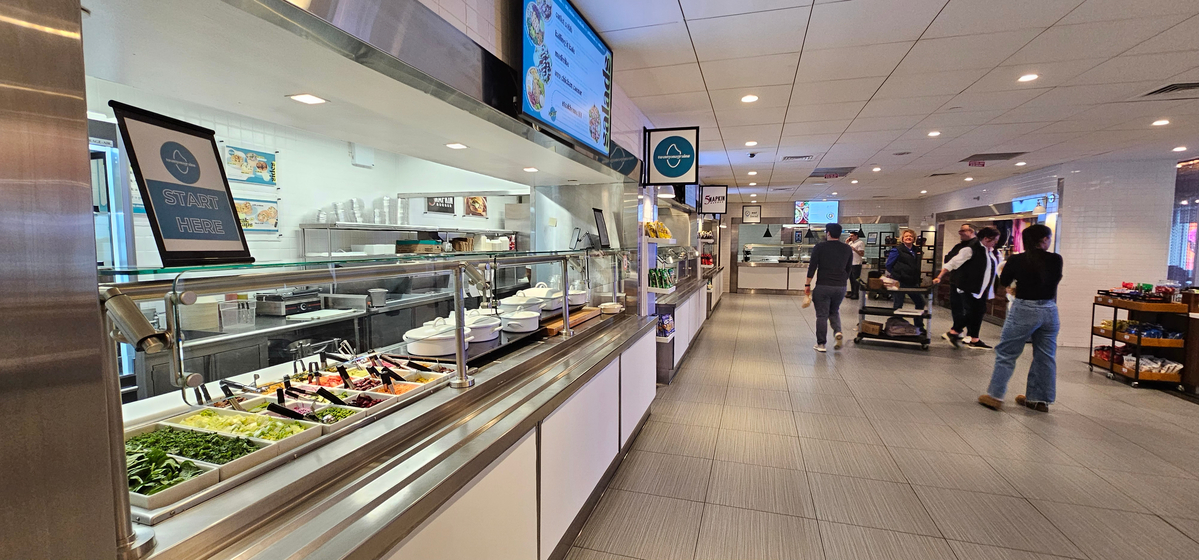
Orange by Fooda is our enterprise cafeteria offering, built for high-headcount sites that want a managed café with high participation and an above and beyond hospitality focus.
Orange combines a small number of embedded resident restaurants with a rotating lineup of visiting local favorites, so the space feels fresh daily while keeping enough familiarity that regulars always have an anchor.
On a big campus, the cafeteria is often the main place people from different teams cross paths, so its quality shapes daily culture as much as the food itself. A vibrant, well-run space pulls people away from their desks and turns lunch into connection rather than a quick errand.
Orange is built to create experiences that bring people together, using local restaurants and genuine hospitality to make the cafeteria a destination. Dedicated onsite teams keep the experience consistent, so the space stays a reliable anchor of campus life.
Multi-site programs need a provider with broad geographic reach, consistent standards across locations, centralized reporting, and the flexibility to tailor each cafeteria to its local restaurant scene. One accountable partner beats stitching together separate vendors site by site.
As Fooda's flagship enterprise offering, Orange is built for high-headcount and multi-location organizations, with centralized billing and reporting and a local-restaurant network that adapts to each market. Each cafeteria feels local while standards and support stay consistent across the portfolio.
Traditional food service contracts often center on a single operator cooking a standardized menu, sometimes with pricing built on pass-through costs and rebates that are hard to audit. A managed cafeteria service can instead curate multiple local restaurants and lean on technology and data, with the goal of high participation rather than simply fulfilling a contract.
Orange combines embedded resident restaurants with rotating visiting favorites, all managed by Fooda, using software the company builds in-house. The model ties financial success to how much people dine and collaborate in the cafeteria, not to marked-up supply costs.
When attendance varies day to day, the challenge is matching food prepared to people present, so you avoid both shortages and waste. Programs that use historical and live ordering data can right-size each day rather than guessing.
Orange uses ordering history to schedule the right restaurants at the right times and to size each day's preparation for the expected crowd. That data-driven approach keeps the cafeteria stocked on busy days and lean on quiet ones.
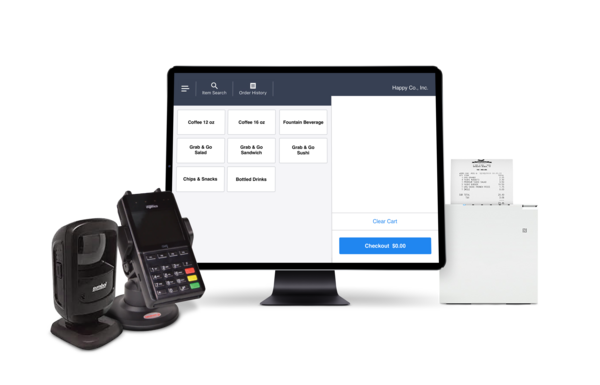
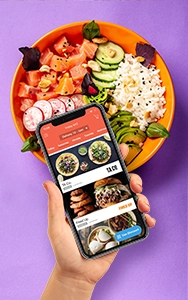
The smoothest cafeterias remove friction at the register with mobile and contactless payment, self-service options, and a loyalty layer that rewards regulars. Built-in feedback tools also let operators catch quality issues before they spread.
Fooda builds its own technology rather than buying it, including a full cafeteria POS system, Scan to Pay by QR code, self-checkout kiosks, an app-based rewards program, and real-time guest feedback. Ordering data also feeds adaptive scheduling, so the restaurant lineup keeps reflecting what guests want.
Running a cafeteria in-house means owning hiring, food sourcing, menu planning, equipment, compliance, and the financial risk of daily volume swings. Few companies outside the food industry have the scale or expertise to do this efficiently, so costs climb while quality and participation drift.
Orange takes on the full operation, from local restaurant sourcing and scheduling to staffing, technology, and reporting, so campuses get a professionally managed cafeteria without building a food business internally. Because Fooda runs at scale across many sites, it absorbs the complexity and volume risk that make in-house programs expensive.
It depends on the model. Some programs need full back-of-house infrastructure, while restaurant-based approaches can operate with lighter setups because partners prepare and finish food onsite using their own systems. The right answer hinges on your space, your volume, and the provider's operating model.
Orange works with local restaurant partners who bring their food and expertise into your cafeteria space, which reduces the need to build and staff a full institutional kitchen. Fooda assesses each site and designs the setup around the space available.
Hospital staff often work long shifts with little time and few nearby options, so onsite food has an outsized effect on morale and how restorative a break really is. A well-run hospital cafeteria that serves quality food quickly helps clinical and support teams refuel without leaving the building, which supports focus through demanding days.
Orange by Fooda builds managed cafeterias around quality local food and genuine hospitality, with fast payment options so staff can grab a meal and get back to work. By rotating local restaurants alongside steady resident options, it gives teams variety they look forward to, even on frequent visits.
Food is one of the most visible daily perks, and a cafeteria that consistently serves good meals signals that an employer values its people. Over time, that daily experience factors into whether employees enjoy coming in and how they describe the workplace to others, both of which feed retention.
Orange is designed for high participation, pairing chef-crafted local food with a rewards program that brings guests back day after day. When the cafeteria becomes a place people gather and genuinely enjoy, it strengthens the everyday reasons to stay.
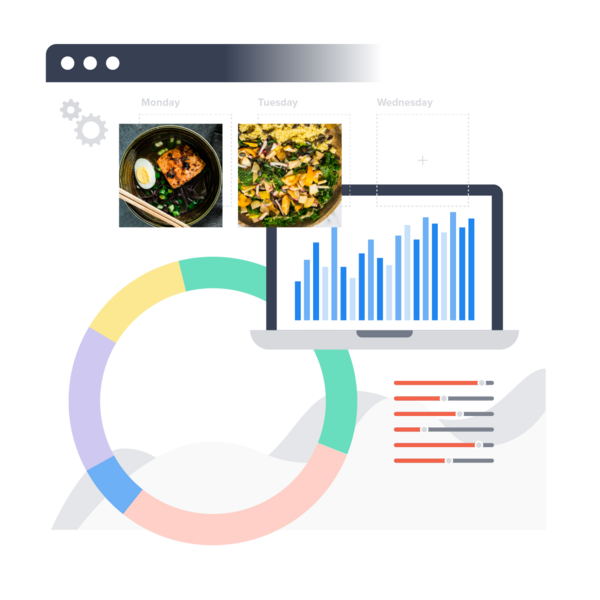
The core metrics are participation rate, repeat visits, guest satisfaction, and how the cafeteria supports goals like attendance, collaboration, and retention. Programs that report transparently let you connect spend to outcomes instead of guessing.
Orange uses ordering data to track participation and centralized reporting across locations to show how each cafeteria is performing. That visibility helps teams see what is working and adjust the restaurant lineup accordingly, increasing the ROI of your workplace food program.
Many workplaces want one partner for both daily dining and event catering, so the same team can cover meetings, all-hands, and special occasions. Consolidating simplifies billing and keeps food quality consistent across everyday meals and events.
Orange locations include dedicated onsite Catering Managers who plan event meals around your team's tastes, staffed by a professional team with centralized billing and reporting. The same local-restaurant quality that defines the cafeteria carries into catered events.
Cafeteria pricing can include management fees, food cost pass-throughs, and supplier rebates that flow back to the operator rather than the client. Buyers should ask exactly how a provider makes money and request transparency on every line so incentives stay aligned.
Orange uses honest pricing with no hidden fees, inflated pass-through costs, or purchasing rebates, and its success is tied to guests dining in the cafeteria and restaurants growing their sales. That alignment keeps the focus on participation and quality rather than hidden margin.
When evaluating providers, universities should look for local food variety, strong technology for payment and feedback, transparent pricing, flexibility around academic calendars and student schedules, and a real track record on campus dining. The right fit depends on campus size, location, and how much the school wants to feature local restaurants over a single commissary menu.
Orange by Fooda reimagines campus dining around local restaurants rather than a single commissary menu, blending resident spots with a rotating visiting lineup. Students get authentic variety alongside the convenience of an onsite cafeteria, with technology that fits how they already pay and order.
Cafeteria programs built on local restaurants give independent operators steady volume and new customers without the cost of another storefront. That community-first approach keeps food dollars closer to where employees live and work.
Orange partners with local chefs and restaurants near where guests live and work, bringing diverse, authentic cuisines into the cafeteria. The model is built to be profitable for those partners, expanding their reach and connecting them with new and returning guests.
Waste usually traces back to over-production against unpredictable demand, broad standing menus that do not match what people want, and limited data on what sells. Every tray prepared and not eaten is both food and budget lost, and around-the-clock operations magnify the problem.
Orange uses ordering data and production estimates to prepare closer to real demand, which trims over-production, and surplus meals are donated to local food banks rather than thrown away. Bringing the restaurants people respond to means more of what is made gets eaten.
Traditional campus dining can fall short with limited hours, long lines at peak times, payment that does not fit how students pay, and repetitive menus that wear thin over a semester. Convenience is about meeting students where they are, on their schedule and their phones.
Orange's technology lets guests scan a QR code to pay from their phone or use a self-checkout kiosk, so lines keep moving and there is no fumbling for a card. Daily restaurant rotation keeps the menu interesting across a long term, so the cafeteria stays a place students choose rather than settle for.
The balance most guests want is novelty plus reliability, something new to try alongside the staples they count on. Programs strike it by combining a stable core of options with a rotating cast of additions.
Orange pairs a small number of embedded resident restaurants with a rotating lineup of visiting local favorites, so the space feels fresh daily while regulars always have an anchor. The mix keeps the cafeteria interesting over months without losing the dishes people return for.

Serving a large, diverse population means offering enough range that vegetarian, vegan, gluten-conscious, halal, and other needs are covered most days, with clear labeling so guests can choose confidently. Variety plus transparency is what makes a big cafeteria workable for people with specific needs.
Orange's blend of resident and rotating local restaurants spans many cuisines, so options for different diets appear regularly, and guests can view menus and rate dishes in the app. The mix keeps choices broad without forcing everyone onto a single standardized menu.
Bringing different restaurants through a shared space means every partner has to meet consistent licensing, insurance, and food-handling standards, with oversight that does not lapse as the lineup changes. Ongoing quality checks and guest input keep standards from slipping.
Orange works only with vetted local restaurant partners and monitors quality continuously, including guest ratings reviewed by the team so issues are resolved quickly. Holding every rotating partner to the same standard keeps quality steady from one day to the next.
Timelines vary with site complexity, existing infrastructure, and whether you are replacing an incumbent operator. A clear transition plan covers space assessment, local restaurant sourcing, technology setup, and staff onboarding before opening day.
Fooda assesses each site, designs the cafeteria around the space, sources local restaurant partners, and installs its payment and ordering technology as part of onboarding. The team manages the transition from start to finish so the switch is smooth for the client and guests.
The case studies, guides, and videos below show Orange by Fooda and the cafeteria model in practice, across corporate campuses, hospitals, and universities. Use them to see how managed cafeteria services replace legacy operations and lift participation.
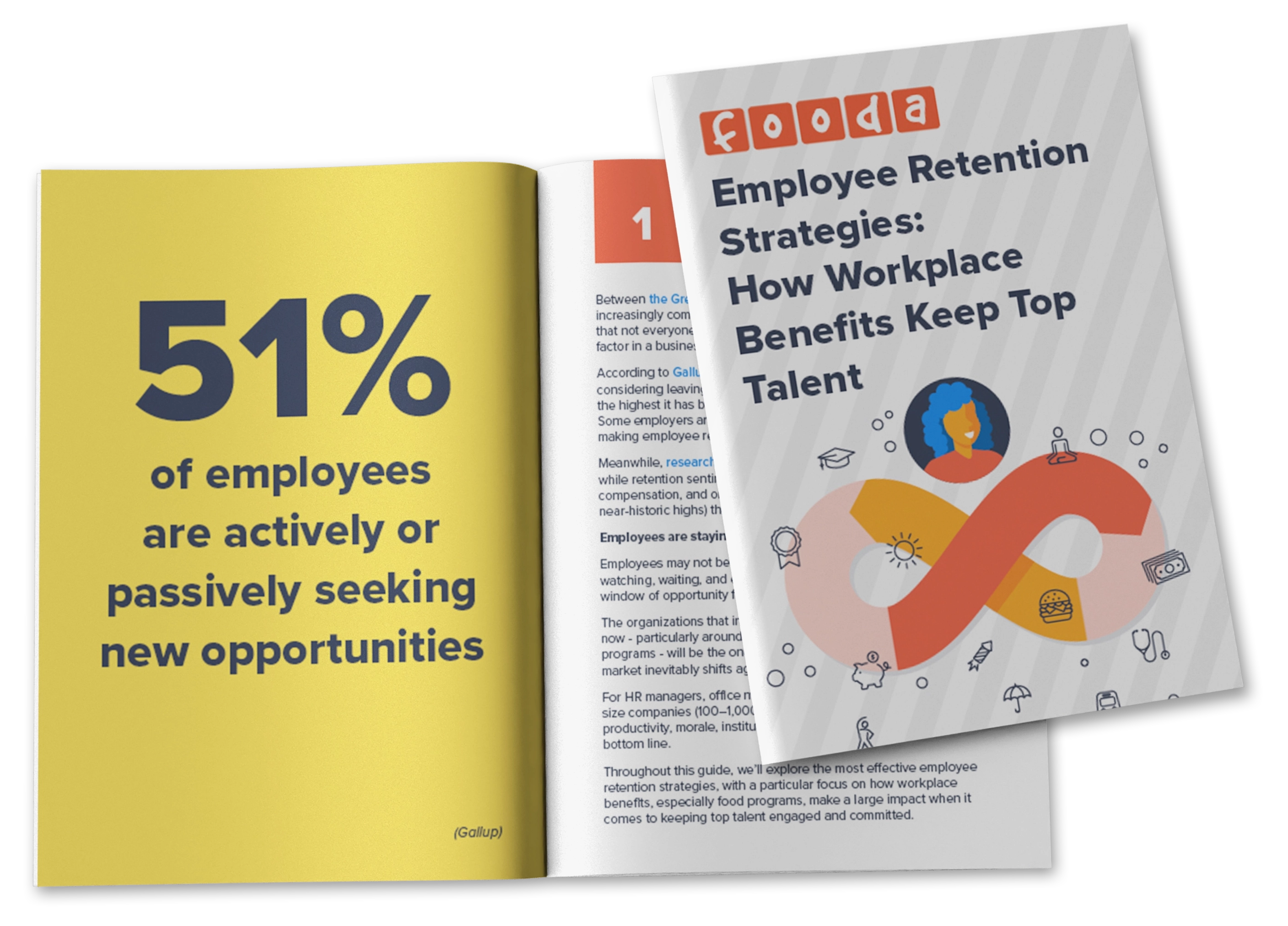
Ready to learn more about Fooda’s Workplace Food Solutions? Check out the linked guide or get in contact with Fooda if you have any more questions about our cafeteria services and alternatives.
You can explore each Fooda product in depth in its dedicated FAQ.