Got questions about Fooda’s Pantry Services? View the frequently asked questions below and don’t hesitate to reach out to us if we weren’t able to answer your questions here.
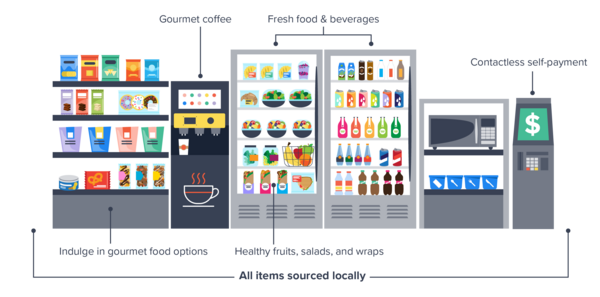
Fooda Pantry and Micromarket Services keep your workplace stocked with coffee, grab-and-go meals, snacks, fresh fruit, cold beverages, premium water, and vending, all managed for you. It is a comprehensive food and beverage solution built to meet employee demand while keeping budgets predictable.
Every program is run by a dedicated team and supported by local attendants and data-driven technology, so shelves stay stocked with your team's favorites, costs stay transparent, and issues get resolved fast. The product mix is built around your people and adjusts over time based on what they consume.
Mid-sized offices need a program that scales to their headcount without enterprise-level overhead, with a product mix matched to the team and pricing they can predict. The best fit offers responsive restocking, clear reporting, and the flexibility to adjust as the office grows.
Fooda Pantry builds the product mix around your people and manages it against consumption and budget, so a mid-sized office gets stocked shelves without billing surprises. A dedicated account manager and local attendants keep service responsive, and the program scales as you add headcount or sites.
Free, well-stocked coffee and snacks remove a small daily friction and signal that an employer is looking out for its team. Over time, a reliable pantry becomes part of the rhythm of the workday and a reason people enjoy being onsite.
Fooda keeps the pantry stocked with the items your team likes and refreshes the mix as preferences shift, so the experience stays consistent while meeting wants and needs.
An onsite micromarket needs steady restocking, careful management of perishables, working payment technology, and someone accountable when something runs out or breaks. Without local support, small gaps quickly turn into empty shelves and frustrated employees.
Fooda runs the micromarket end to end, with local attendants who handle restocking and quick fixes and data that flags low stock before it becomes a stockout. Vendor coordination and quality control sit with Fooda, so your team does not have to manage the day-to-day.
Easy access to food and drink helps people stay hydrated, caffeinated, and fed through the day, which supports energy and focus. A mix that includes healthier options also makes it easier for employees to make good choices without leaving the building.
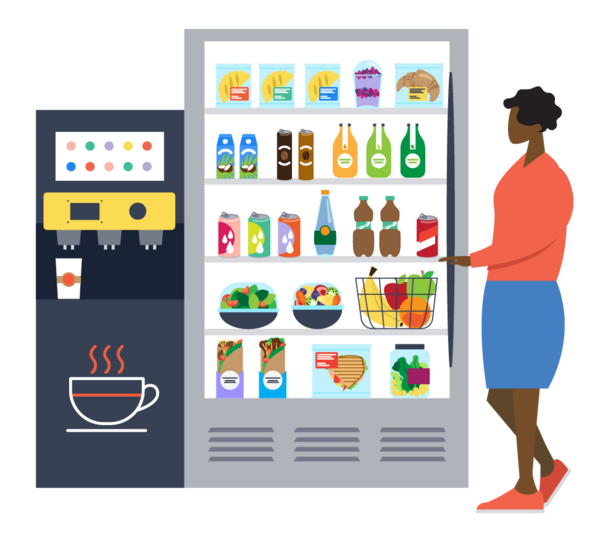
Fooda stocks options from coffee and water to fresh fruit and snacks, and tailors the selection to what your team wants, including healthier picks. Because the mix is managed proactively, those options stay available rather than selling out and disappearing.
As headcount climbs, consumption becomes harder to predict, costs creep, and a setup that worked for a small team starts running dry or overspending. Scaling well takes data on what is being used and the ability to adjust the mix and budget in step.
Fooda uses live spend and item-level data to adjust the product mix and prevent both stockouts and cost spikes as you grow. Scalable, customizable service means the program expands to new headcount or locations without starting over.
Perishables like fresh food and fruit demand frequent restocking and careful rotation, or they spoil and erode trust in the market. Freshness depends on local hands restocking often and data showing what sells.
Fooda's local attendants restock frequently and rotate perishables, while item-level data guides what to keep and what to retire. Proactive menu management keeps fast movers in stock and quietly drops what is not selling.
Flexibility means a provider can tailor the assortment, swap items on request, and adjust as needs change rather than locking you into a fixed plan. Look for one that adds new products quickly and manages the mix around your team.
Fooda builds a personalized product mix and adds a new item quickly when your team asks for one, so the grab-and-go selection stays flexible. The assortment is managed against consumption and budget, and it adjusts as your needs shift.
A quick coffee, snack, or piece of fruit without leaving the building keeps people fueled through the afternoon and saves the time a coffee run would cost. Easy access to a pick-me-up helps the team stay focused when energy dips.
Fooda keeps quality coffee, snacks, and fresh options on hand and stocked, so a mid-afternoon reset is steps away. Reliable restocking means the coffee station and shelves are not empty when people need them most.
When comparing micromarket providers, weigh product variety, restocking reliability, payment technology, transparent pricing, and the quality of local service and reporting. The strongest options combine a tailored assortment with data and accountable support.
Fooda pairs a personalized assortment with data-driven management, local attendants, and clear reporting through the Fooda For Business portal. Product decisions are based on your team's preferences rather than supplier incentives, so the market reflects what people want.
Markets get ignored when the selection is stale, items people want are missing, shelves are often empty, or the payment process is clunky. Usage depends on stocking the right products consistently and making checkout effortless.
Fooda manages the assortment around what your team buys and swaps items based on requests and performance data, so the market stays relevant. Frequent restocking and easy checkout keep it from feeling like an afterthought.
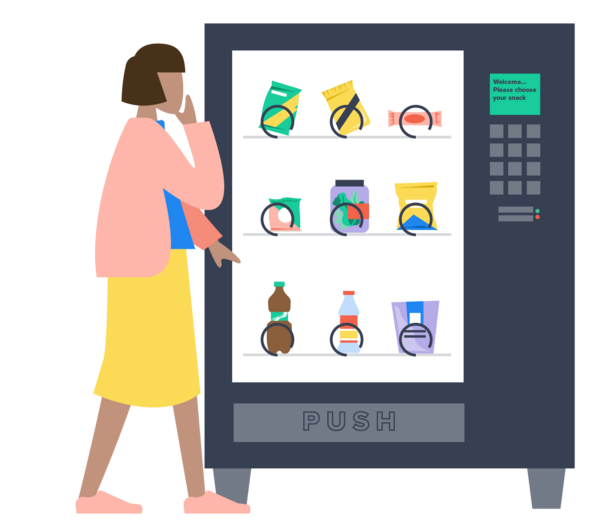
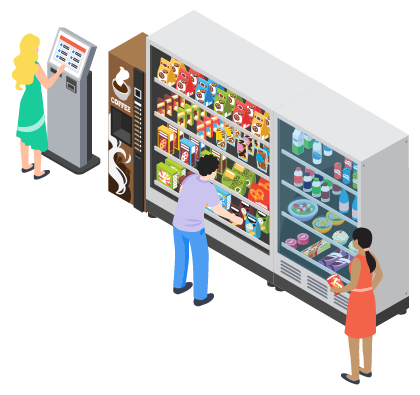
A vending machine offers a limited set of packaged items behind glass, while a micromarket is an open, store-like space with shelves, coolers, and self-checkout that holds far more variety, including fresh food. Micromarkets feel more like a small shop and support a broader, fresher assortment.
Fooda offers both smart vending solutions and full micromarkets, along with coffee, premium water, and fresh fruit, so the format fits your space and headcount. A micromarket can carry refrigerated meals and fresh items that a vending machine cannot, with the mix tailored to your team.
Modern micromarkets use self-checkout, so employees pick what they want and pay at a kiosk or from their phone without a cashier. Smooth, fast payment is what keeps a market from bottlenecking at busy times.
A Fooda micromarket uses self-service checkout so employees grab what they want and pay quickly on their own. Behind the scenes, item-level data from each purchase guides restocking and the product mix.
Pantry costs hinge on headcount, consumption and the product mix, so predictable budgeting requires visibility into what is being used and the ability to adjust before costs drift. Real-time data and regular check-ins are what keep spend on target.
Fooda gives you live spend dashboards and item-level movement, plus regular communication and quarterly business reviews, so you set a budget and Fooda manages it. Timely recommendations and product adjustments help you avoid billing surprises without cutting corners.

A good program reflects how varied a workforce is, stocking healthier snacks, better-for-you beverages, and options for common dietary preferences alongside the classics. Listening to requests and tracking what sells keeps the selection inclusive.
Fooda builds the assortment around your team's preferences and adds new items on request, so healthier and specialty picks sit alongside favorites. The mix is managed with data and refreshed regularly, so requested options stay stocked.
A full pantry program can extend well past snacks and coffee to fresh fruit, refrigerated grab-and-go meals, cold beverages, premium water, and vending. Bundling these under one managed program simplifies stocking, billing, and support.
Fooda Pantry covers micromarkets, premium water, coffee, snacks, fresh fruit, cold beverages, and vending, all managed by one team. Billing is consolidated across every location and every Fooda service, so the whole program lives on one invoice.
The clearest signals are consumption by item, spend against budget, and how the program supports goals like attendance and satisfaction. Item-level data turns a pantry from a guess into something you can manage and justify.
Fooda provides item-level analytics and live spend visibility through its business portal, so you can see exactly what is consumed and how the budget tracks. That data ties the program to outcomes and guides what to stock next.
Distribution centers run long hours and multiple shifts, sit away from easy resupply, and burn through coffee and snacks faster than a typical office. Keeping a breakroom stocked around the clock takes frequent restocking and local support that many providers cannot guarantee.
Fooda supports these sites with local attendants positioned nearby and uses consumption data to anticipate restocking before shelves are empty. That coverage suits high-traffic breakrooms that need to stay stocked across shifts.
Distribution centers are best served by a provider with local coverage, fast restocking and repairs, and the ability to handle high volume across shifts without lapses. Reliable, nearby service is the deciding factor when a single empty machine affects a whole shift.
Fooda serves locations across the US with local attendants within a 15-minute radius of each site, so restocking and fixes happen fast. A dedicated account manager coordinates the program, which keeps high-volume breakrooms reliable even at remote facilities.
Hospitals operate around the clock with staff who rarely leave the floor, so coffee and snacks need to be available at all hours and restocked constantly. Consistency is hard when demand never stops and resupply is not built around continuous use.
Fooda manages hospital food programs with proactive restocking driven by consumption data and local attendants for fast issue resolution, so access stays consistent for shift-based teams. The mix can be tailored to what hospital staff reach for most.
Campuses see demand swing with class schedules and the academic calendar, span multiple buildings, and serve budget-conscious students. A market has to flex with those peaks and lulls and offer variety at accessible prices.
Fooda adjusts the assortment and restocking to usage patterns and can serve multiple locations on a campus with consistent standards. Item-level data helps match the selection to demand as it rises and falls through the term.
The resources below cover workplace food and the role pantry, coffee, and grab-and-go programs play in employee experience and attendance. Use them to build the case for an onsite program and to plan what to offer.
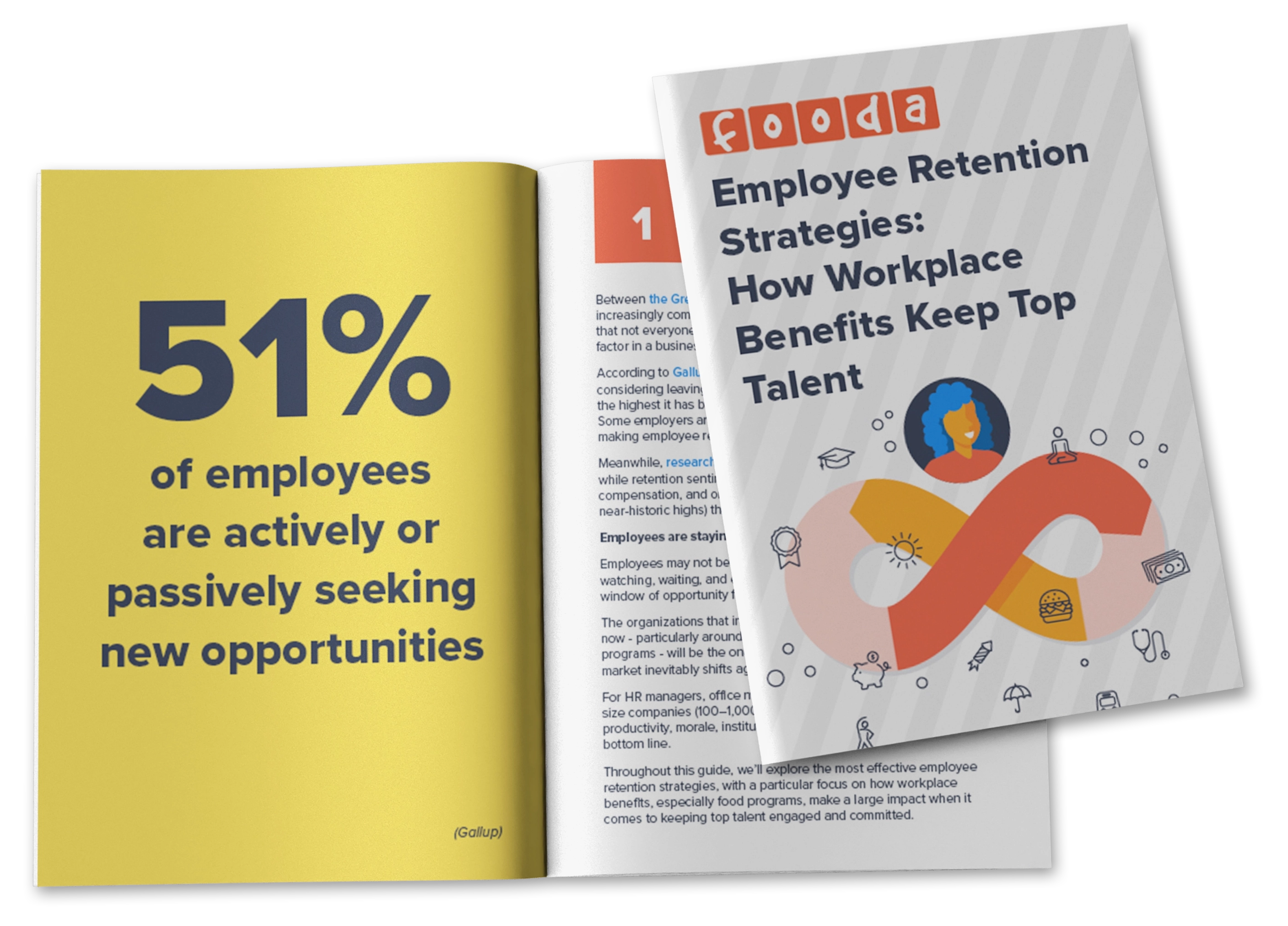
Ready to learn more about Fooda’s Workplace Food Solutions? Check out the linked guide or get in contact with Fooda if you have any more questions about our workplace lunch delivery programs.
You can explore each Fooda product in depth in its dedicated FAQ.