As hybrid work continues to reshape the modern workplace, employers are rethinking how they support employees on in-office days. In DC, where organizations often operate with varying schedules and changing attendance, workplace food programs need to be just as flexible.
This guide explores the best ways to feed a hybrid workforce in DC, from choosing the right meal format to creating a dining program that supports employee experience and accommodates changing workplace needs.
Hybrid work has reshaped the way organizations think about workplace dining. What was once a predictable routine has now become a flexible schedule with varying needs. As a result, employers are looking for workplace food programs that can adapt to changing schedules while still supporting both operational efficiency and the employee experience.
Traditional office catering was designed for workplaces with predictable schedules and consistent attendance. In a hybrid environment, employee headcount can vary from day to day. Ordering meals becomes more difficult, increasing the risk of inaccurate orders and unnecessary waste.
Static workplace dining programs can also create additional administrative work. Office managers may need to adjust orders at the last minute, track fluctuating employee attendance, or accommodate dietary restrictions across different schedules. With hybrid work reshaping how employees use the office, many organizations are finding that traditional workplace dining no longer provides the flexibility today’s workforce needs.
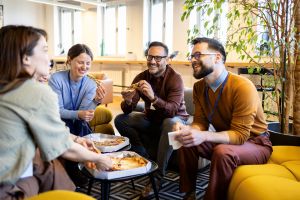
Hybrid work has changed how employees connect in the workplace. When teams come into the office on different days, natural opportunities for conversations and shared experiences become less common. This is why employers need to be more intentional about creating moments that can strengthen workplace relationships.
Workplace food programs help create those opportunities by giving employees a reason to gather and connect during the workday. Whether it's a team lunch, a rotating restaurant experience, or another shared meal, these moments encourage collaboration and informal interaction. To be effective, these programs need to be flexible enough to accommodate different attendance patterns, allowing employees to participate even when they’re not at the office on the same days.
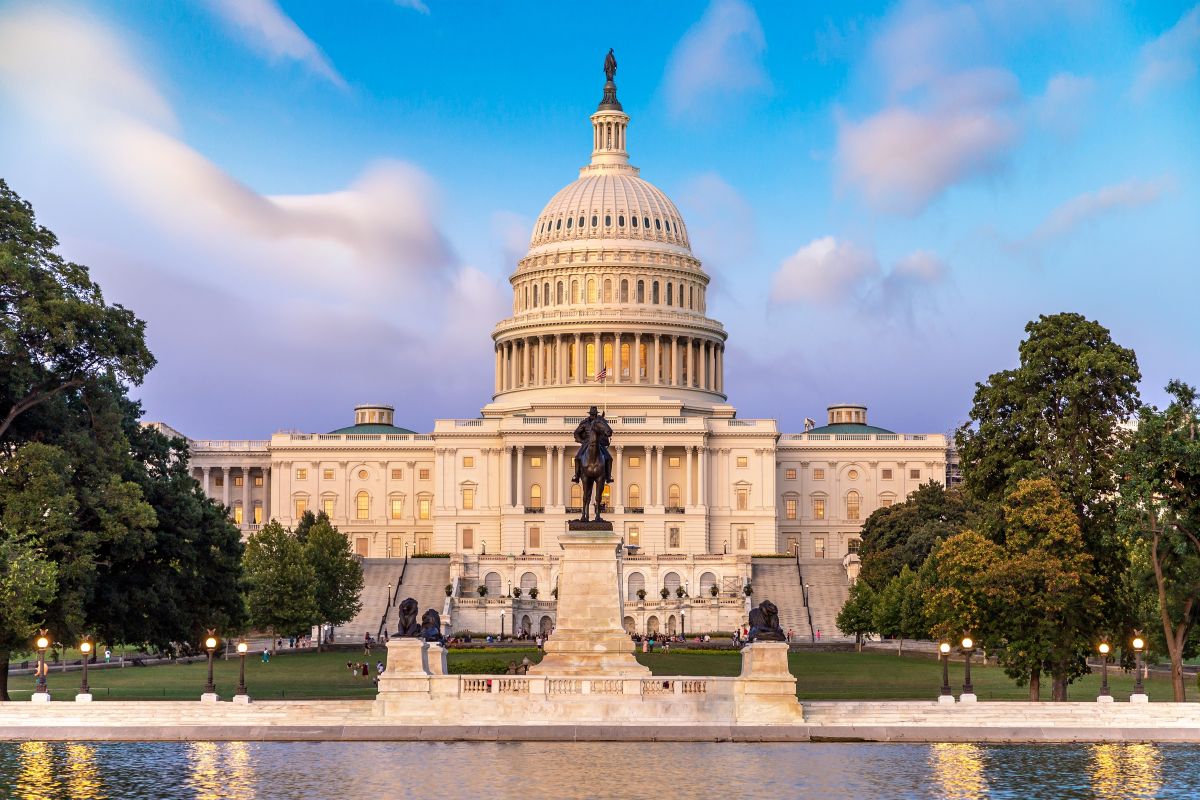
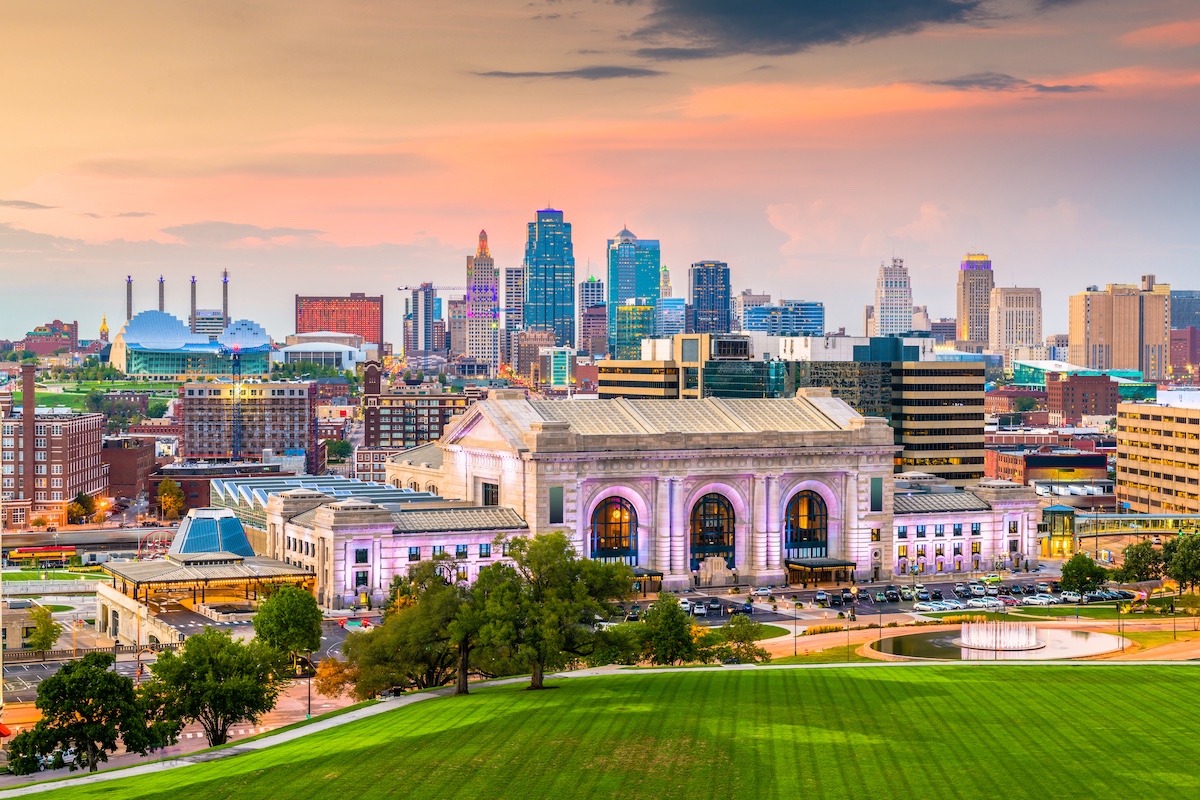
DC’s hybrid workforce is constantly evolving. Government contractors, associations, nonprofits, consulting firms, and technology companies often follow different in-office patterns, making it difficult to rely on a single workplace dining solution.
Rather than depending on traditional catering programs built around fixed schedules, DC employers are considering workplace food programs that can accommodate fluctuating headcounts and multi-site coordination across offices. Flexible dining solutions make it easier to support employees across DC’s diverse industries while bringing the city’s food scene directly into the office.
The best workplace food programs are designed around how employees actually use the office. Rather than relying on a single dining format, employers can combine different workplace dining solutions to accommodate changing attendance, simplify meal planning, and improve employee retention.
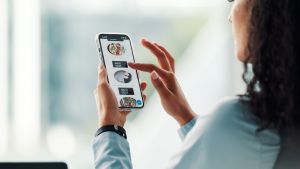
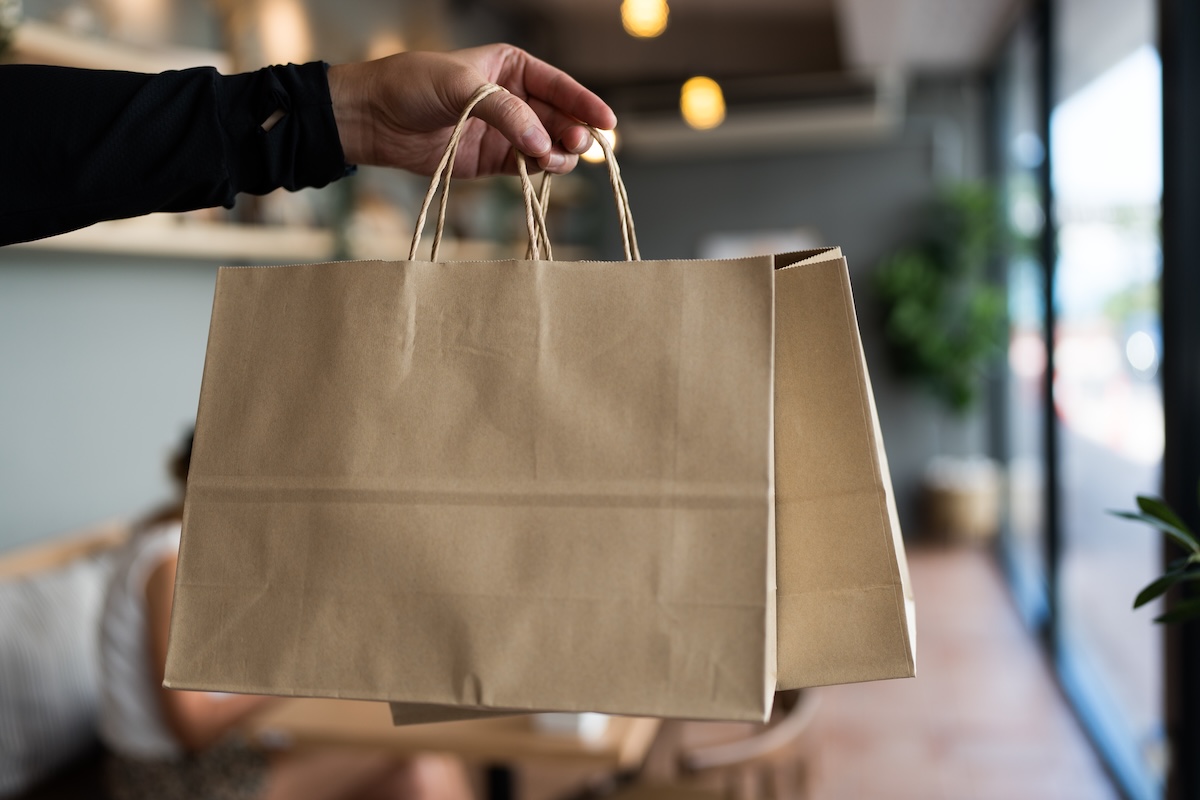
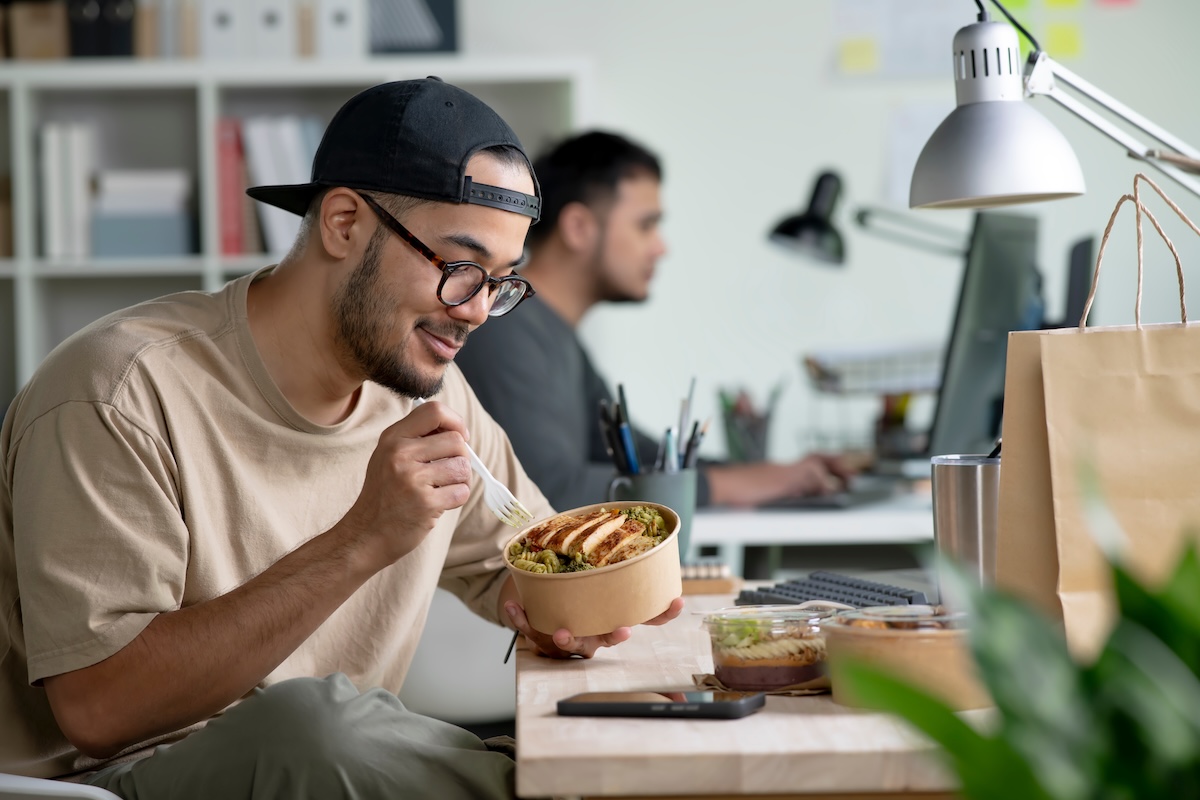
In hybrid workplaces, not every office day looks the same. On days when attendance is lower or less predictable, individual ordering offers a more flexible alternative to traditional bulk catering. Instead of predicting headcount in advance, employees can just place their order when they're in the office, helping employers avoid unnecessary food waste and overspending.
Individual ordering also gives employees more choice. Rather than selecting a single menu for the entire office, employees can choose meals that match their preferences and dietary needs. When teams have different schedules, this makes it easier to keep the dining experience consistent without adding extra administrative work.
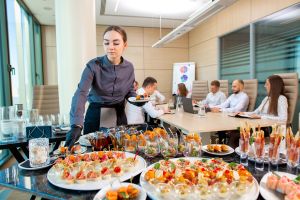
Some days naturally bring more employees into the office, whether for team meetings, collaboration sessions, or company-wide events. These days present an opportunity to create a more engaging workplace dining experience that gives employees something to look forward to.
Rotating restaurant popups offer a flexible alternative to traditional catering on these high-attendance days. Instead of relying on a single provider, employers can partner with a variety of local restaurants, bringing in diverse menus that match different preferences while keeping meals interesting during the week. From local favorites and international cuisines to popular options like DC’s diverse pizza scene, rotating restaurant partnerships give employees the opportunity to discover new dining experiences.
Beyond offering greater variety, rotating restaurant popups also help create a more dynamic workplace experience. Employees can discover new local restaurants, enjoy freshly prepared meals, and connect with colleagues over lunch, turning an everyday meal into a more engaging part of the workday.

Traditional catering still plays an important role in hybrid workplaces, but it is best suited for scheduled occasions, allowing companies to plan menus, portions, and service in advance. Team meetings, client presentations, training sessions, and company celebrations typically have a defined guest list and schedule, making catering a practical choice.
Hybrid work has changed expectations around the in-office experience. Flexible workplace food programs can support that shift by creating opportunities for connection, collaboration, and shared experiences that make time in the office more valuable.
Workplace food programs naturally create opportunities for employees to connect. Shared meals create organic moments for informal conversations that strengthen workplace relationships, often leading employees to align their schedules around these shared moments and encouraging in-office attendance. The workplace starts to feel like a place where employees can naturally connect and collaborate with their teams.
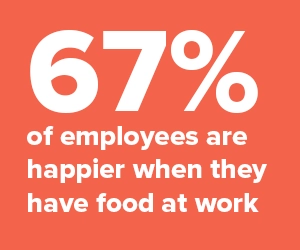
According to Fooda’s 2026 Workplace Lunch Report, 83% of workplace and people leaders believe food has a direct impact on company culture. Whether it is a meeting lunch, a popup experience, or another shared meal, providing food on a regular basis gives employees a reason to return to the office. The workplace starts to feel like a place where employees can naturally connect and collaborate with their teams.
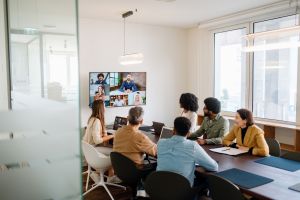
Hybrid teams are not always in the office at the same time. Some employees may come onsite a few days a week, while others may work entirely remote. A well-designed workplace food program should accommodate every schedule, regardless of how often employees come into the office. Adaptive workplace food programs help organizations create dining experiences that better meet the needs of a changing workforce.
By structuring food programs around employee attendance instead of fixed schedules, companies can ensure that both on site and hybrid teams benefit from the same workplace dining experience. This helps reduce experience gaps across hybrid teams and reinforces a sense of belonging, ensuring employees can still access meaningful food experiences whenever they are on site.
Feeding a hybrid workforce requires more than a single meal solution. Attendance changes from day to day, employees have different expectations, and workplace teams need programs that can adjust to changing headcount without adding extra work.
Fooda helps DC companies build a flexible workplace food program tailored to their needs by partnering with a network of 4500+ local restaurants and offering different workplace food solutions designed around your specific workplace and employees. Instead of relying on one fixed format, companies can mix and match solutions to support everything from high-attendance days to larger workplace events.
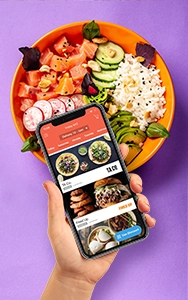
Office Lunch Delivery: For days when headcount is unpredictable, Fooda's Office Lunch Delivery program allows employees to order individually from a rotating selection of local restaurants. Meals arrive together in one coordinated delivery, helping companies provide variety without the administrative burden of planning meals for a hybrid workforce.
Corporate Dining Popups: On high-attendance days, Fooda's Corporate Dining Popups create a more engaging workplace experience. Local restaurants prepare and serve meals directly at the workplace, giving employees the opportunity to enjoy fresh food while connecting with colleagues.
Corporate Event Catering: For planned meetings, team gatherings, and company events, Fooda's Corporate Event Catering helps employers provide high-quality meals without the complexity of coordinating multiple restaurant partners.
Orange by Fooda: For companies looking for a more permanent workplace dining experience, Orange by Fooda provides onsite café solutions with rotating menus from local restaurant partners. Unlike traditional cafeterias with fixed offerings, Orange keeps workplace dining fresh while adapting to changing employee needs.
Workplace Pantry Solutions: No matter when your employees are in the office, Fooda's Workplace Pantry Solutions provide convenient food and beverage options that are always available to employees. From snacks and coffee to grab-and-go offerings, pantry programs help companies create a more welcoming workplace experience while giving employees flexibility beyond traditional meal times.
Fooda manages the operational details behind workplace dining programs, helping companies deliver a better employee experience, all while reducing the administrative burden on workplace teams.
Whether you're looking to improve employee retention, simplify workplace food management, or build a dining program that adapts to changing employee schedules, contact Fooda today to learn how a customized workplace food program can support your DC office.
How do you feed a hybrid workforce?
The best way to feed a hybrid workforce is by using a flexible workplace food program that adapts to changing attendance. Many companies combine solutions like individual ordering, rotating restaurant popups, catering, and pantry programs to support different office needs.
What is the best food program for a hybrid office?
The best food program for a hybrid office depends on how employees use the workplace. Flexible options like Office Lunch Delivery work well for unpredictable attendance, while restaurant popups are ideal for days when more employees are onsite and looking to connect.
How can workplace food programs improve the hybrid work experience?
Workplace food programs can improve the hybrid work experience by creating opportunities for employees to connect, collaborate, and build relationships in the office. Shared meals can make in-office days more valuable while supporting a stronger workplace culture.
Why does traditional catering not work well for hybrid offices?
Traditional catering can be challenging for hybrid offices because attendance changes from day to day. Fixed meal counts and static menus can lead to food waste, limited flexibility, and more planning complexity for workplace teams.
How can DC companies create a flexible workplace dining program?
DC companies can create a flexible workplace dining program by choosing solutions that match their employees' schedules and office needs. Options like rotating restaurant partnerships, individual ordering, catering, and pantry programs allow employers to build a dining experience that evolves with their hybrid workforce.