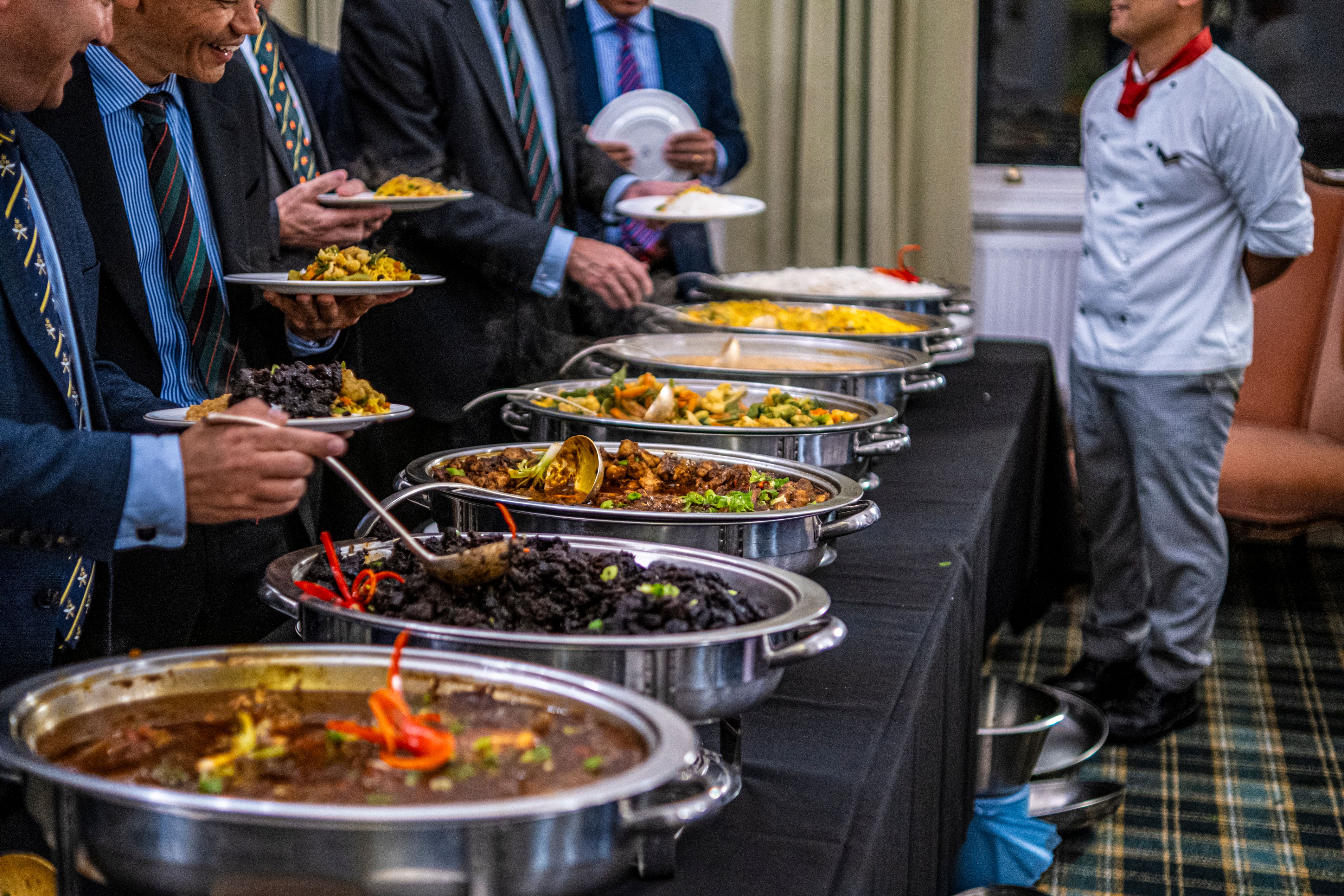
Corporate event planners are in charge of a lot of moving parts. From decorations and venues to vendor coordination and budgeting, the responsibilities of corporate event planning can feel endless. Add in trying to coordinate catering that accommodates everyone and tastes delicious, and this can quickly turn into something that feels like two jobs.
While it may feel overwhelming, there are ways to handle catering smoothly and efficiently that turn food into one of the most memorable parts of an event. The difference between forgettable catering and a great spread often comes down to one thing: planning.
Here's how to get it right every time, no matter what kind of event you’re planning or how many people are coming.
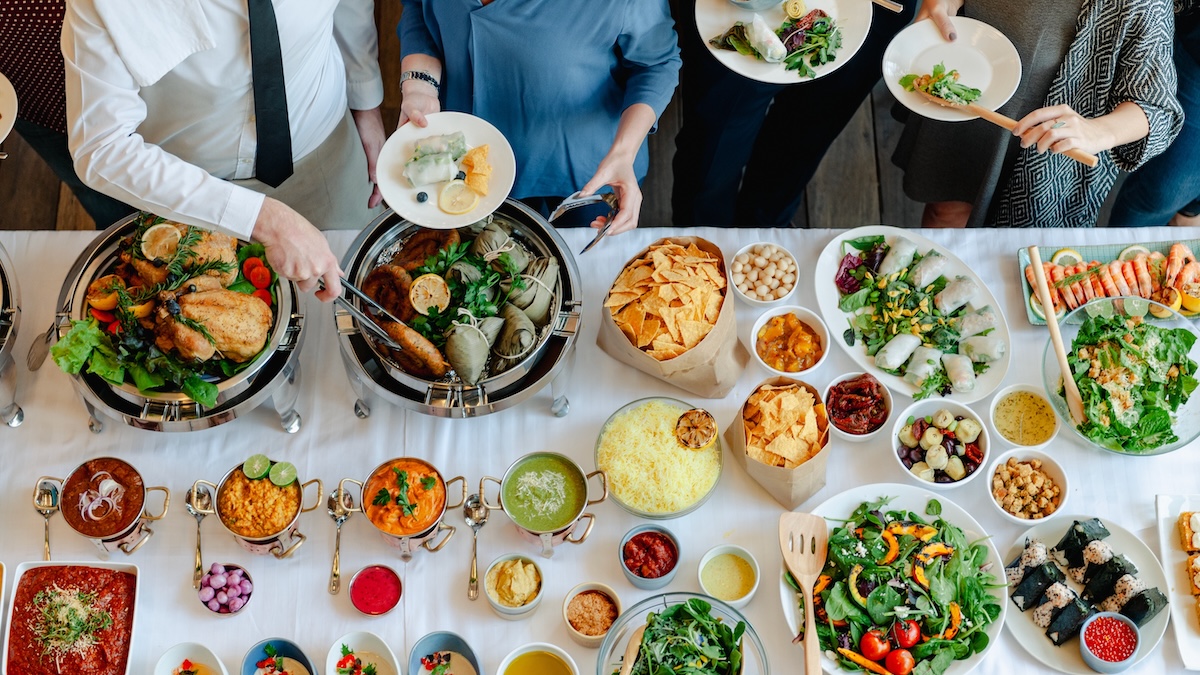
It might be tempting to go straight to picking a menu, however before you get to the fun ideas your team will love, it’s important to get an accurate headcount so you know how many people to order for. Knowing the amount of people who are coming to your event and their dietary accommodations is a fundamental place to start that will help your event run smoothly.
Not all corporate events call for the same format. Choose a corporate catering style that works with your event rather than against it. The following are the most common types of catering for corporate event planners to choose from:
The time of day you’ll need catering is also important to keep in mind. An early-morning event will have different requirements compared to an evening party after work. The best thing you can do to ensure you have good catering is to think about the type of event you are hosting, and use that to guide your decision making.
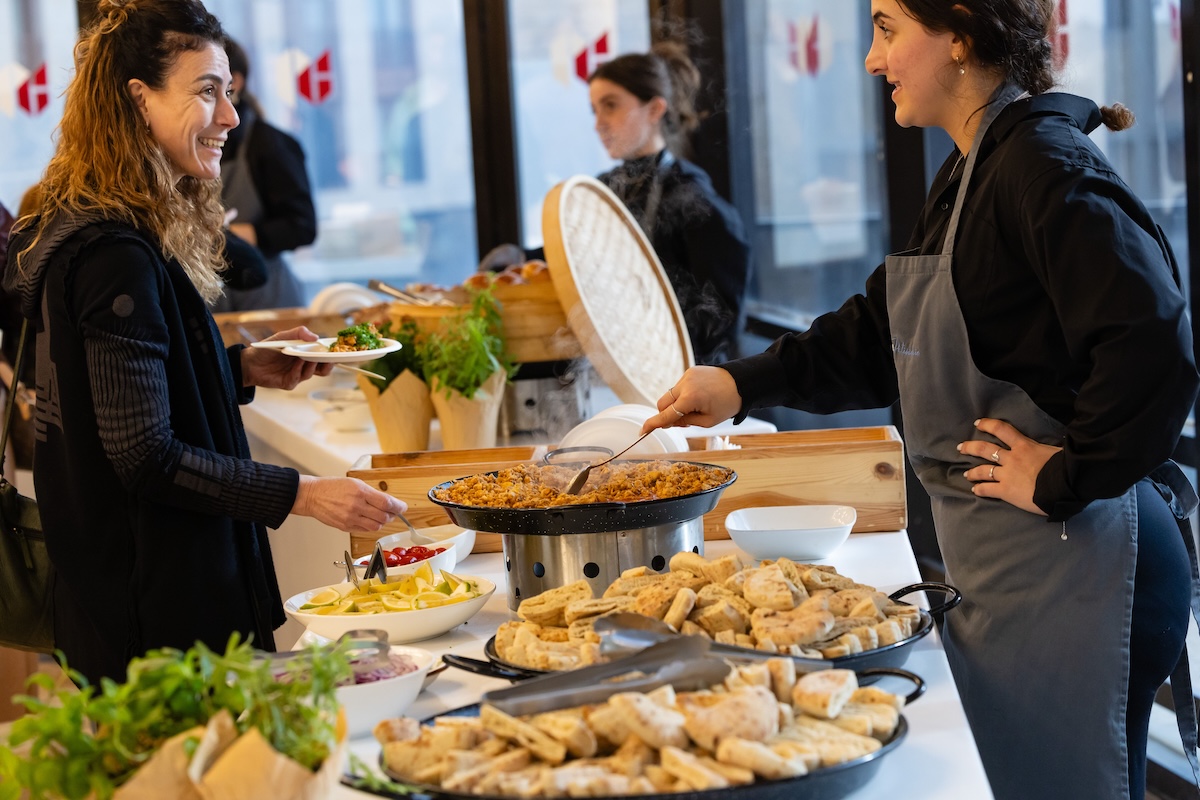
Good catering logistics begin well before the event itself. By building a realistic catering timeline, corporate event planners can streamline the entire event planning process. These are a few steps that are crucial for building a realistic catering timeline that sets you up for success.
Catering costs can quickly add up if you're not paying attention to added fees and extras. To ensure you’re sticking to your budget, get a per-person estimate early that reflects the full cost of catering (and not just the food). Some other items that may be included in catering cost aside from food include:
If you’re working with a tight budget, family-style service or a curated selection of a few dishes can go far. Guests will appreciate high-quality catering more than a vast quantity of lower quality options.
Working with a caterer that specializes in corporate catering can help make the job of a corporate event planner easier. If you don’t properly vet your corporate caterer, you may end up with more work and stress for yourself.
Before booking, here are some questions to keep in mind:
If you're catering recurring events, it’s important to be mindful of what kind of menu variety caterers have to offer. Working with caterers that offer rotating menus and meal variety helps keep things fresh for employees and reduces the risk of menu fatigue.
There are plenty of logistics that go beyond what’s on the menu. Although not always at the forefront of corporate event planning, these details can affect how smoothly your event runs.
Having these in mind and being intentional about having a plan that addresses them will help things go according to plan.
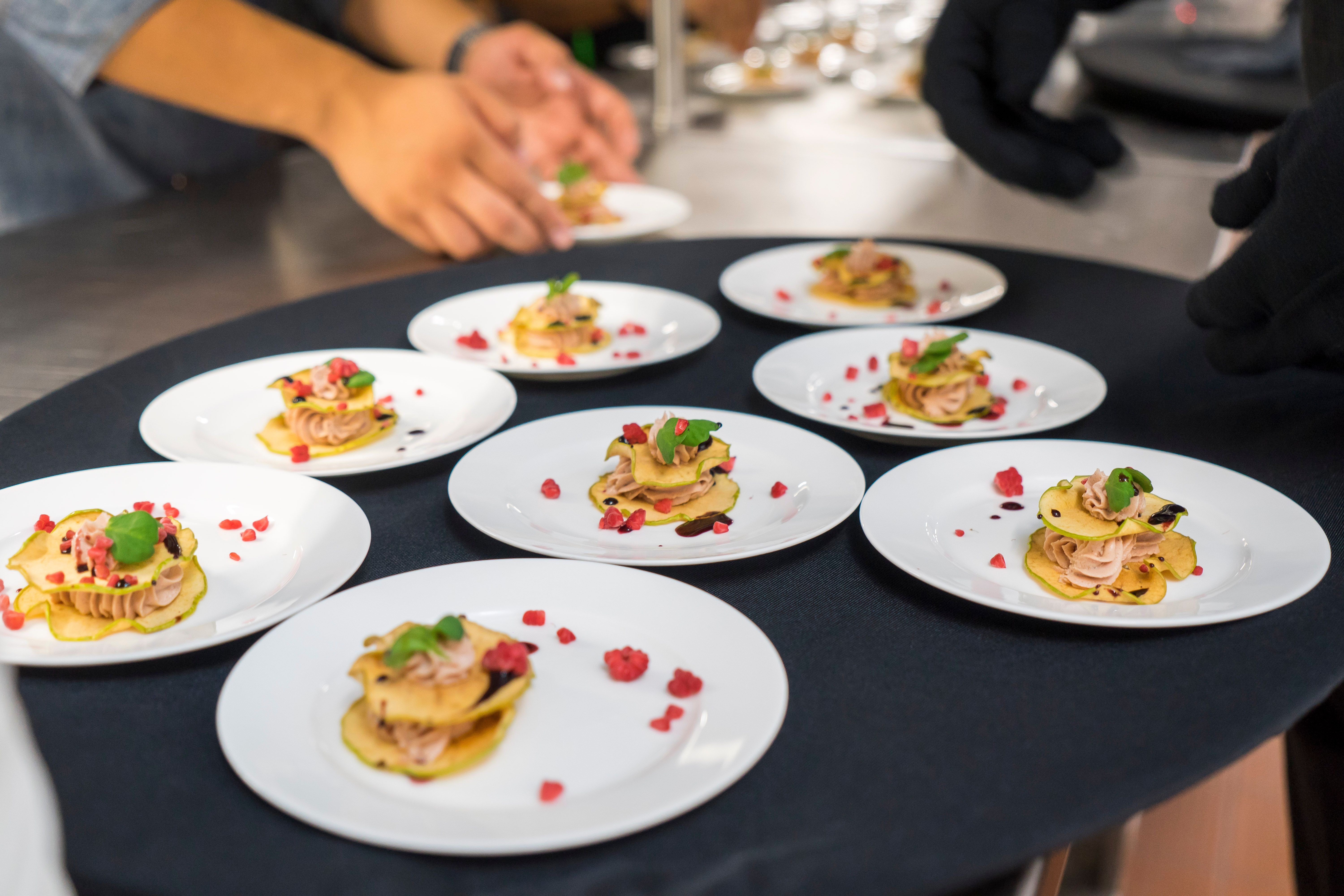
Sharing the menu in advance builds anticipation and gives people with dietary needs a heads-up on what to expect. During the event, small touches such as clear labeling, an appealing presentation, and a mix of cuisines instead of the usual sandwich platters go a long way toward making the food feel like a highlight rather than an afterthought.
After the event, sending out a quick survey asking things like "How was the food today?" gives you real data to improve the next event. Sending out a survey is an efficient way to get real responses instead of relying on guesswork.
It can be difficult to plan a perfect corporate event. However, there are common mistakes that are avoidable. Keep these in mind when planning so you can avoid making simple mistakes that will cost you down the line:

Fooda's corporate event catering gives corporate event planners access to a rotating network of local restaurants, streamlined ordering, and delivery logistics handled end to end, so the only thing you have to think about is picking a menu your guests will be excited about.
Whether it's a boxed lunch for a training session or a full spread for an all-day conference, Fooda takes the guesswork out of corporate event catering. With a dedicated account manager and proprietary technology, Fooda streamlines the catering process and takes care of all of the logistics. Our network of over 4,500 restaurant partners allows Fooda to bring delicious variety to your event so your guests can enjoy food as part of the experience.
If you want to learn more about all that our corporate event catering has to offer, you can check out Fooda’s Catering FAQ page. Ready to work with Fooda to plan the perfect corporate event? Talk to an expert today.
Do I need a permit to serve catered food at a corporate event?
It depends on the venue and location. Most office buildings and rented event spaces don't require a separate permit if you're using a licensed caterer, but outdoor events, public spaces, or serving alcohol usually do. Check with your venue and local health department before finalizing plans.
How do I choose catering for a corporate event with a mixed group of employees and clients?
Lean toward broadly appealing, easy-to-eat options (think boxed lunches or food stations) rather than anything too casual or too formal for either audience. It's also worth offering a slightly more polished presentation than you would for an internal-only meeting, since clients are forming impressions of your company.
What's the difference between drop-off catering and full-service catering for corporate events?
Drop-off catering means the food arrives ready to serve with no staff on-site, which works well for smaller meetings or boxed lunches. Full-service catering includes servers, setup, and breakdown, and is better suited to larger events or anything buffet-style where lines need to be managed.
How much food should I order per person for a corporate lunch event?
A standard boxed lunch is one meal per person, but for buffet-style events, plan for about 1–1.5 lbs of food per person across all dishes, plus a 10% buffer for seconds and estimation error. Lighter appetizer-style events (like a networking mixer) usually run 4–6 pieces per person per hour.
Can I order catering for a corporate event with a same-day request?
Some vendors can accommodate same-day orders for smaller groups, but options will be limited and prices may be higher. Platforms with access to multiple local restaurants tend to have better same-day availability than working with a single caterer directly.
What questions should I ask a caterer before signing a contract?
Ask about their minimum order size, cancellation and refund policy, how they handle dietary substitutions, whether delivery and setup are included in the quote, and what their backup plan is if an ingredient or dish becomes unavailable.
How do I plan catering for a multi-day corporate conference?
Vary the format and cuisine across days to avoid repetition. For example, boxed lunches on day one, a buffet on day two, and food stations for a closing reception. Confirm dietary restriction data is refreshed for each day in case attendees change, and build slightly more lead time into ordering since conference catering often involves multiple vendors.
Is it cheaper to order catering directly from a restaurant or use a corporate catering platform?
Ordering directly can be cheaper for a single, small event, but a catering platform often saves money and time on recurring events by consolidating billing, handling logistics, and giving access to competitive local pricing without needing to negotiate with each restaurant individually.