Ask any HR leader in Los Angeles what they're up against, and chances are you'll hear the same answer: getting employees excited about coming into the office, and giving them a reason to stay.
That's why workplace food programs are getting a closer look. In a city where great food is part of the culture, employers are finding that meals can do more than fill a lunch break. They can make the workday easier, create opportunities for connection, and contribute to the kind of workplace experience employees want to be part of.

Keeping great employees isn't easy anywhere, but Los Angeles comes with its own challenges. Between the city's massive job market and the number of companies competing for talent, employees rarely have to look far if they're thinking about making a change.
Employees today are considering a lot more than just a paycheck when deciding whether to stay with a company. They care about flexibility, opportunities to grow, workplace culture, and whether their day-to-day experience actually feels positive. If something is missing, it's easier than ever to look elsewhere.
That's what makes retention so challenging. When employees leave, companies face more than just an open position. They often lose institutional knowledge, disrupt team dynamics, and spend months getting a new hire up to speed (which is a process that can cost anywhere from from 50% to 200% of an employee’s annual salary). As a result, many companies are rethinking their employee retention strategies and looking for benefits that can have a meaningful impact on the day-to-day employee experience.
Getting someone to accept an offer and giving them a reason to stay are two completely different challenges. Once the excitement of a new job wears off, employees start paying attention to everything else.
Do they enjoy working with their team? Do they feel supported? Can they see themselves growing there a year from now? Salary still matters, but it's rarely the only factor shaping someone's decision to stay. Employees who feel genuinely connected to their workplace through culture, relationships, and day-to-day experience are far less likely to start looking somewhere else.
Nobody wakes up excited for unnecessary hassle. Employees notice when simple aspects of the workday feel harder than they should, whether that's finding lunch, sitting through back-to-back meetings, or dealing with inefficient workflows that slow everything down.
The best workplaces are often the ones that make everyday life a little easier and show employees that their time matters. Small friction points can build up over time, and when employees regularly feel like the workday is working against them, it can hinder engagement, even when bigger-picture factors like compensation and career growth are solid.
What people value most about work often has very little to do with the work itself. It's the conversations before meetings, the coworkers they grab lunch with, and the relationships that make the day more enjoyable.
Strong workplace relationships make a difference. Teams work better together when people know each other beyond a message or a meeting invite. Those connections create a sense of belonging that's difficult to replace, and often harder to leave behind. Shared meals are one of the most natural ways those connections form. People are able to bond over food in a way that is difficult to recreate through Teams or Slack.
For many employees, coming into the office isn't a given anymore. It's a choice they're making several times a week.
That doesn't mean every office day needs to feel like an event. But it does mean employees want to feel like there's value in being there. The employers that tend to retain people most successfully understand that. Instead of simply expecting employees to show up, they focus on creating an experience people enjoy and look forward to.

Most retention strategies focus on big-picture issues like compensation, benefits, and career development. Food works a little differently.
Lunch is one of the few moments in the workday that every employee has in common. It's also something people think about every single day. Where should I go? How much time do I have? Do I need to leave the building? How much am I spending this week?
For employees, those decisions can add up quickly. Some spend part of their break driving to pick up food, while others skip lunch altogether because they're busy or don't have convenient options nearby. Neither makes for a great workday, and both represent lost time and energy that could go toward actual work or meaningful recovery.
When employers make it easier for teams to access quality meals at work, it shows up in the little details of the workday. Having a convenient meal option on-site means employees spend less time and money eating out every day, and less stress trying to fit it all into a busy schedule.
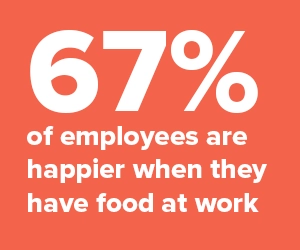
Over time, workplace food has evolved from a simple convenience into something employees genuinely look forward to. For many employees, it's one of the highlights of the week. It gives them a chance to enjoy a good meal, try something new, and take a real break during the workday.

Many employees no longer see coming into the office as the default option. After years of hybrid and remote work, they're more intentional about where they spend their time, and whether the commute feels worth it.
That shift has changed expectations. People want the office to offer more than a desk and a Wi-Fi connection.
Food programs help create an environment that feels worth being part of in a way that remote work often can't replicate, food adds something tangible to the in-person experience. For Los Angeles employers, that can be especially valuable. After spending time navigating traffic and commuting across the city, employees want an office experience that feels intentional. A quality meal waiting for them at the office is a small but solid signal that your company appreciates your employees’ commute and values the effort they make to come into the office.
Food may not be the only reason someone comes in, but it can be one of the things that makes their commute feel more worthwhile once they're there.
.jpg)
A food program might generate excitement at first, but that enthusiasm doesn't last long if employees keep seeing the same options week after week. In a city with one of the most diverse food scenes in the country, employees expect variety. The more choices available, the more likely employees are to keep participating and finding something that fits their preferences.
Not everyone works the same schedule or has the same needs. Some employees are in the office every day, while others follow a hybrid schedule. A rigid program that only serves full-time, on-site employees can unintentionally exclude hybrid workers, which undermines the culture you’re trying to build. The strongest food programs are flexible enough to support different teams, workstyles, and attendance patterns without creating additional work for administrators.

The best workplace food programs are the ones that help improve the employee experience. Whether it helps employees try a new restaurant or connect with coworkers, the program should be something employees genuinely enjoy and use regularly. Over time, a well-run program becomes part of the rhythm of the workweek. It’s seen as less of a perk and more as a part of the employee experience that makes coming to the office feel more worth it.
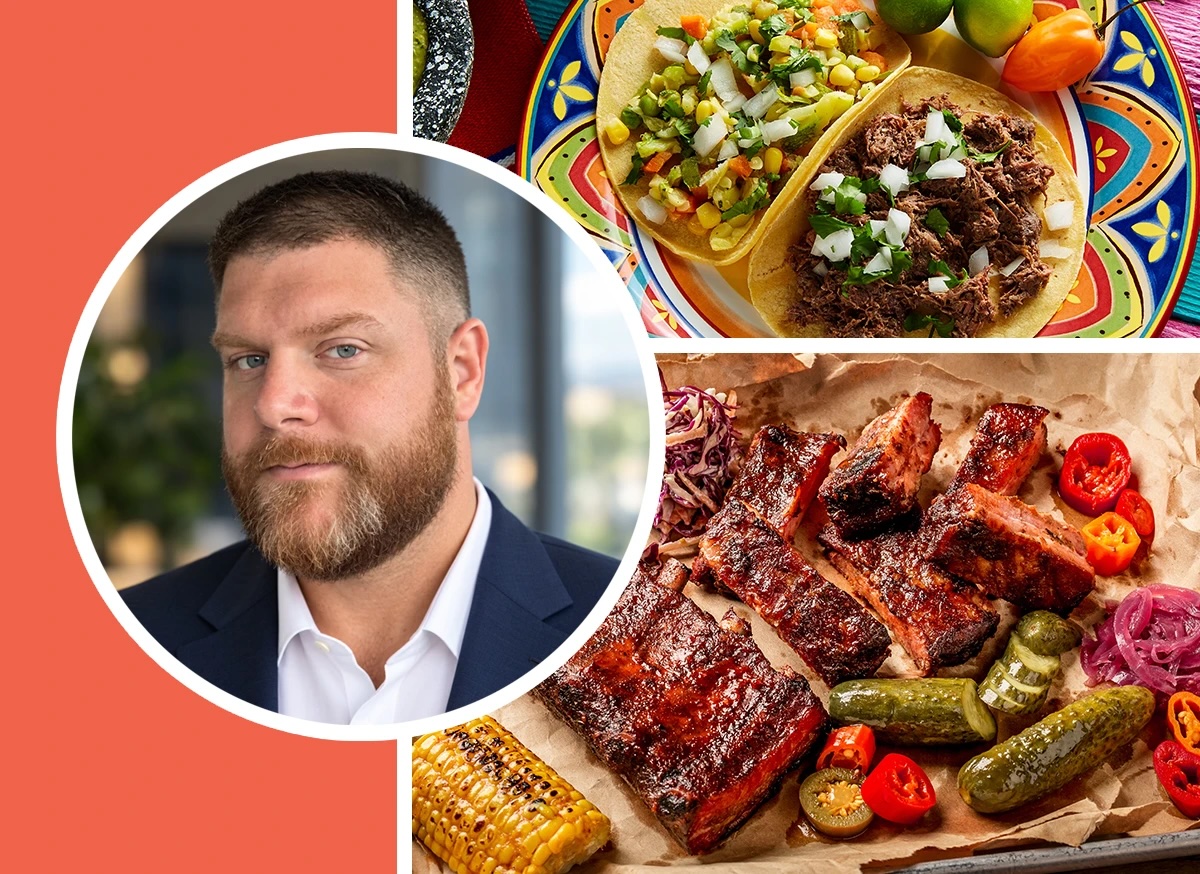
Los Angeles employees have no shortage of great places to eat. From neighborhood favorites to some of the country's most celebrated restaurants, great food is part of everyday life across the city. As a result, workplace dining programs are often measured against a much higher standard than simply providing a convenient meal.
Fooda helps employers create a workplace food program that matches the way your team works, while partnering with some of LA's most popular local restaurants.
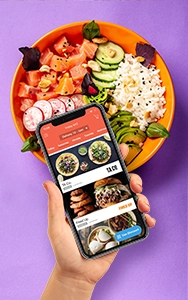
Fooda's Popup Restaurant program brings a rotating lineup of local restaurants directly into the workplace, giving employees access to fresh meals and new options without leaving the office.
For teams that need a simpler solution, Office Lunch Delivery makes it easy to provide
individually packaged meals from local restaurants, whether for everyday lunches or specific in-office days.
Companies looking for greater flexibility can also offer meal subsidies, allowing employees to purchase meals while helping manage food budgets in a way that aligns with their goals.
Fooda's Pantry Program keeps workplaces stocked with snacks, beverages, and everyday essentials, creating a convenient amenity employees can enjoy throughout the day.
For organizations seeking a more permanent dining solution, Orange by Fooda delivers a restaurant-quality experience tailored to the workplace.
When it's time to bring people together for meetings, celebrations, or company gatherings, Fooda's Corporate Event Catering service helps employers source and coordinate food from trusted local restaurant partners.
Fooda also handles the logistics behind the scenes, from restaurant coordination and technology to onsite support and day-to-day program execution. That means employers can offer a workplace dining experience teams value without the operational headache.
Whether you're looking to support a hybrid workforce, improve office attendance, or strengthen your overall employee experience, Fooda works with companies to create dining programs that align with their needs.
Ready to see what workplace dining would work best at your workplace? Talk to a Fooda expert about the right solution for your team.

Can workplace food programs help reduce employee turnover?
While food alone won't solve retention challenges, it can contribute to a better employee experience. Convenient access to meals, opportunities for connection, and a more enjoyable workday can all support broader retention efforts when combined with competitive compensation, growth opportunities, and strong leadership.
What types of companies benefit most from workplace food programs?
Workplace food programs can be effective across a wide range of industries, including technology, healthcare, entertainment, professional services, and manufacturing. Any organization looking to improve employee experience, support in-office attendance, or strengthen workplace culture may benefit from offering food as part of its overall workplace strategy.
Are workplace food programs only for companies with large budgets?
Not necessarily. Many food programs can be customized based on company size, budget, and employee attendance patterns. Employers can choose from a variety of approaches, including subsidized meals, office lunch delivery, pantry programs, and onsite dining solutions.
How do food programs support hybrid work environments?
Food programs can help make office days more appealing by creating experiences employees can't easily replicate at home. Many organizations use workplace dining as part of a broader strategy to encourage collaboration, strengthen team connections, and support return-to-office initiatives.
Why is restaurant variety important in a workplace food program?
Employees have different tastes, dietary preferences, and schedules. Offering access to a rotating selection of restaurants can help maintain engagement with the program over time and ensure more employees find options that meet their needs.