How often do you eat in your company’s cafeteria? If you’re like most professionals, it’s probably not often. Paying high prices for the same few meals day after day quickly loses its appeal.
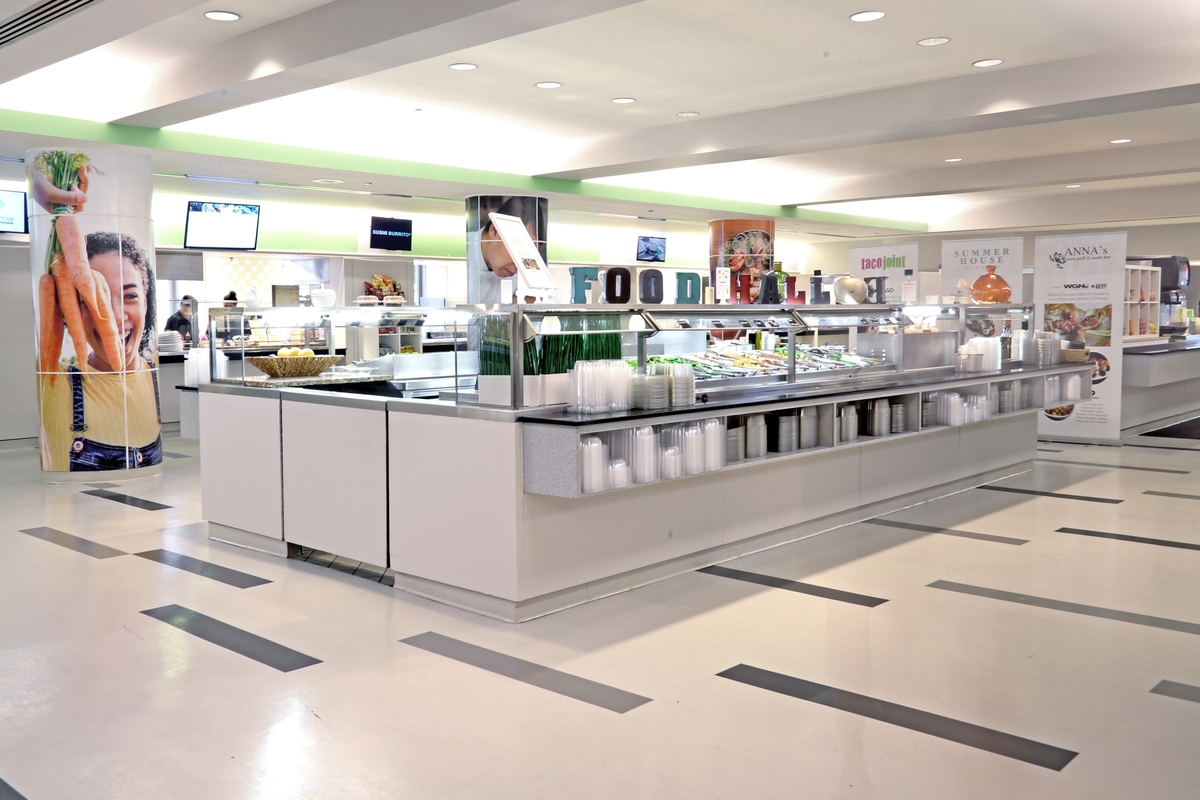
Long cafeteria lines don’t help and oftentimes, by the time employees wait to order, get their food served, and check out, they have little time left to eat and relax.
Instead, employees bring lunch from home, leave to go to a nearby restaurant, or skip lunch altogether. These options are inconvenient and turn the lunch hour from a relaxing break to a disruption.
It’s no wonder office cafeteria participation has dwindled so much in the last 20 years. Let’s dive deeper into the top reasons why:
The traditional corporate cafeteria model has been around for decades. Because of this, they tend to lag behind technologically.
But as technology continues to rapidly evolve, employees expect their workplaces to evolve with them. They’re used to quick, contactless payments. Mobile pre-order capabilities. Digital menus that show real-time item availability.
All of this tech makes the checkout and ordering processes fast, frictionless, and unobtrusive. Ordering ahead of time allows them to skip lines, and digital payment speeds up checkout. If you’re not using this tech, then they’ll buy from places that are.
But they’re not just expecting the tech they can see. Employees have, perhaps unconsciously, come to expect personalized experiences in consumer spaces. Online, they get product offers and recommendations tailored to their preferences based on their purchase data.
Conversely, legacy cafeterias rely on fixed menus. They don’t evolve or change based on consumer data. There may be eventual changes, but the cafeteria’s infrastructure and supply chain make them slow to implement. They’re not reactive and dynamic the way employees have come to expect. When they step into a cafeteria that doesn’t take any of their preferences into account, it’s jarring and disappointing in comparison.

The legacy cafeteria model creates little room for menu variety. They have a limited number of dishes available, and they rotate through week after week. This eventually leads to menu fatigue.
A recent Fooda survey found that 80% of workers value variety in their office food program.The longer employees are with the company, the less appealing your cafeteria options become, and the convenience of on-site food isn’t enough to keep them in the cafeteria. If they’re not excited about the food being served, they’ll gravitate elsewhere in search of more exciting options.
Those that do choose to stick with the cafeteria are still unlikely to be satisfied with it. 67% of employees report being happier at work when companies provide food, but your workplace food program has to be built with their needs in mind. Otherwise, you’re not going to see the boost in employee satisfaction or retention that you should be.
In fact, a lackluster food program can have the opposite effect. Offering food in a way that doesn’t demonstrate any genuine attention to employees’ needs ends up seeming like it’s supplied out of obligation rather than genuine care.
Think about it: imagine interviewing at a new company. They tell you they have lunch available on-site. You factor that into your decision to work there. Then you find out that you’ll be stuck eating the same meals every day. It’s disappointing, and it can have a negative effect on employee satisfaction.
By design, legacy cafeterias get their ingredients shipped in bulk. The same ingredients go into each meal they make. While this is an efficient way to feed lots of people, it makes different dishes and cuisines less distinguishable.
The Mexican food they serve on Tuesday will have the same rice and vegetables as the Chinese dishes served on Wednesday. The culinary offerings become imitations rather than authentically crafted cuisine.
Your employees can taste the difference. They can tell when food was created for efficiency and scale. They want to know their food came from someone who takes pride in making it.
All of this is enough to drive them out of the building for lunch. They don’t have much reason to eat generic dishes when authentic, lovingly-crafted food is available at local restaurants just down the block.
Legacy cafeterias rely on convenience to bring in revenue. Local restaurants rely on the quality of their food. It’s their selling point and their livelihood, making it inherently more appealing than office cafeteria food.
Fooda’s Price Index shows that employees are spending 4.8% more on lunch in 2026 than they were last year. That’s a significant change in a short amount of time. And these costs add up. Those few cents compound, leading to a significant increase in spending.
Because of this inflation, it’s not surprising that employees are beginning to be more price-conscious. They’re tracking their spending, and they’re becoming less willing to pay for mediocre food.
Cafeteria lunch prices can also experience a rather dramatic feedback loop. Office cafeterias are already expensive to run. But when employees start getting lunch elsewhere, they become less profitable.
To combat the loss of revenue and remain in operation, prices begin to slowly increase. This drives more employees away. In some cases, this financial loss may lead to budget cuts, making the cafeteria even more unappealing.
It all builds on itself, and every step of the process feeds the others. Over time, employees become more dissatisfied, and your program begins working against you rather than for you.

These days, great restaurants are easy to find. Unfortunately, there usually isn’t enough time to get out of the office. Robert Half found the average lunch break to be less than 45 minutes, and more than half of employees take less than 30.
When you have to wait in line to be served in the cafeteria, and then wait in line again to check out, it doesn’t leave a ton of time to eat. And there definitely isn’t room for casual lunchtime conversation.
There’s always the option to go off-site, but this presents the same problem. Waiting to order, then waiting again for food. Then you also have to factor in travel time. Employees almost always end up rushing or coming back late. It’s inconvenient and more trouble than it’s worth.
Ordering individual delivery is an option, but high prices and delivery fees prevent it from being a viable daily alternative. It also presents logistical challenges. Dropping off food in office buildings with security and multiple entrances can lead drivers to get lost, forcing employees to have to track down their meals every day.
Outside of bringing lunch from home (which takes up time outside the office), there really aren’t any reliable, convenient lunch choices. The corporate cafeteria doesn’t actually offer much more convenience than any other lunch option, and the food itself just isn’t enough to draw people in.
Fooda has considered these problems, and we’ve crafted a modern workplace cafeteria model with solutions built in. Orange by Fooda is an evolution of the legacy cafeteria, built to suit your employees’ needs.
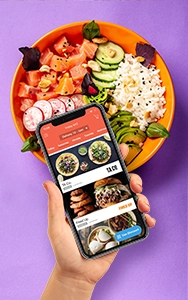
Fooda’s purpose-built technology was designed to perfectly compliment our dining services. Our point of sale system allows for streamlined contactless payment, accepts mobile pre-orders, and makes applying subsidies to purchases simple. It’s designed to meet and exceed employee’s expectations.
But our point of sale system doesn’t just speed up checkout. It gathers participation and purchase data. Over time, it provides AI-powered insights into employee preferences and attendance patterns.
Is Thai food extra popular? Do employees not usually go for pasta? The longer your program runs, the more information it gathers. We can tailor menus to suit your company’s unique palate and create the highly personalized product experience employees have come to expect.
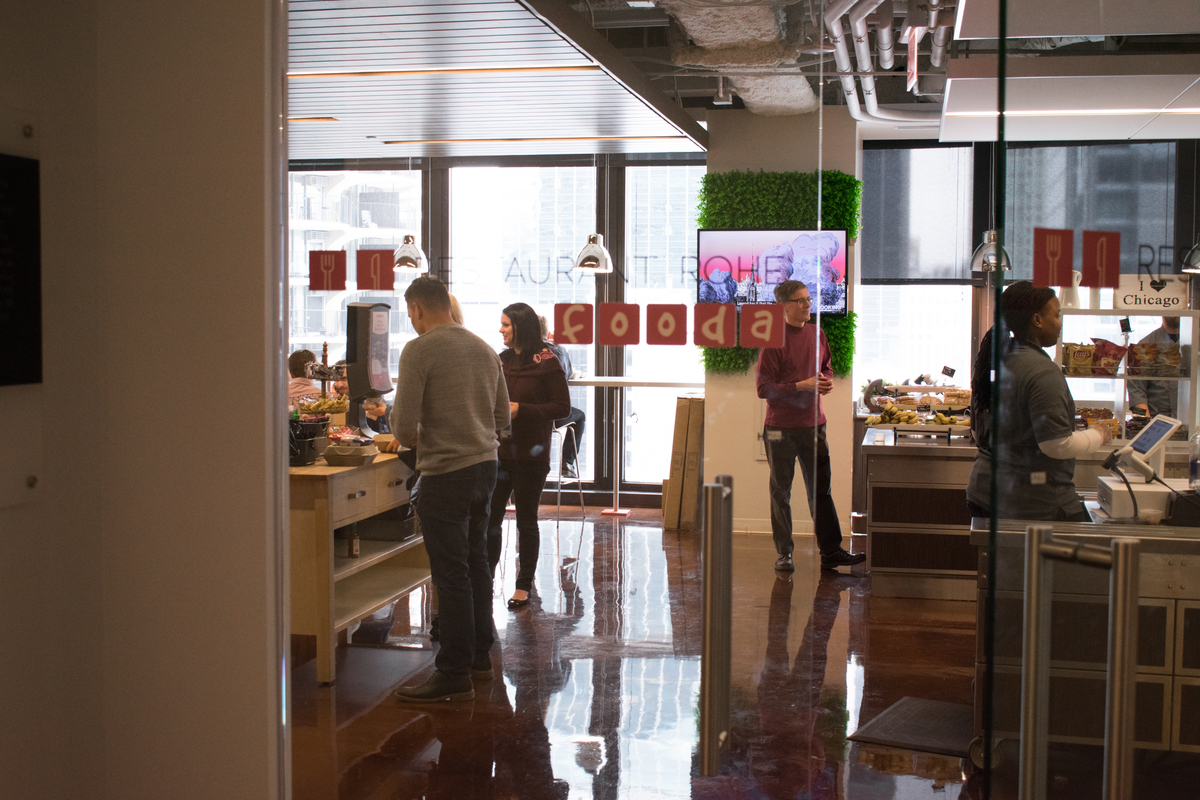
Menu variety is at the core of every Fooda product. Our cafeterias house one or two permanent restaurant installations, while the rest are rotating guest restaurants. The menu looks different day-to-day, week-to-week, and month-to-month.
Employees are no longer restricted to the same handful of rotating meal choices day after day. Instead, they can explore new, exciting options that will keep them coming back again and again.
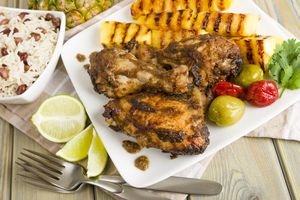
Out of Fooda’s 4,500+ restaurant partners, 80% are independently owned. We’ve spent time curating relationships with local vendors for a reason: there’s just no faking authenticity.
Local restaurants provide quality, chef-curated menus that can’t be replicated by legacy vendors. When you bring real restaurants into the workplace, you create an accessible, exciting dining experience.
Plus, when you work with local, independently-owned restaurants, you pour money back into the community. Independent restaurants use local suppliers, hire locally, and contribute to the economic health of their neighborhoods. Bringing them into your workplace encourages your employees to use their lunch dollars to reinvest in their local communities.
Local restaurants also have shorter supply chains than legacy providers. That reduces your corporation’s carbon footprint, all while bringing the city’s culture into the workplace for employees to appreciate and explore.
Even though Fooda relies on real restaurants instead of legacy vendors, we keep prices reasonable. There are no premiums or fees. Everything is priced as it would be in the restaurant, so employees get quality and affordability. No more choosing between good food and good prices.
This compromise in addition to the convenience the cafeteria model provides makes Fooda the winning choice for lunch. Employees will keep coming back, and your workplace food program will be more successful than ever before.
When the checkout process is streamlined, employees have the opportunity to order ahead, and service is scaled to match attendance, workplace cafeterias become viable, convenient lunch options again.
High-quality, dynamic menus make food options more appealing, and employees can appreciate the convenience of on-site food again. They can get good meals without having to leave the office, pay high fees, or prep beforehand. No more sacrificing quality for convenience.
Ready to get employees back into your workplace cafeteria? Speak with a sales representative today to design your highly personalized cafeteria upgrade.

How much does it cost to run an office cafeteria?
The cost of running a workplace cafeteria can vary greatly based on a number of factors. Scale, staffing model, and food service vendor all affect overall price.
Traditional corporate cafeteria models typically require significant overhead. They require commercial kitchen equipment, full-time staff, food inventory, and maintenance. These operating costs can run up to hundreds of thousands of dollars per year for large buildings. Many companies also subsidize meals, adding to the overall cost.
Orange by Fooda presents a more cost-effective solution. Bringing in outside restaurant partners cuts down on staffing and food supply costs, as these are covered by the restaurants themselves. The additional revenue stream they get allows them to scale up their operations to cover these costs while still turning a profit. Everybody wins.
How do you measure the success of a workplace food program?
Participation rates are the best way to measure success. If a high percentage of your employees are using the office cafeteria, that’s a good indicator that it’s meeting their needs.
Fooda provides 24/7 access to performance insights, allowing you to keep tabs on your success. Our AI-driven technology also tracks which restaurants and cuisines employees buy from most often, and on what days.
That insight allows us to continually make changes to menu offerings, so the program only becomes more appealing over time.
How do I justify the cost of a workplace food program to leadership?
Workplace food programs provide value beyond the overhead costs. Having access to convenient, affordable, and high-quality food boosts employee satisfaction. That helps with employee retention and talent acquisition. Both of which are becoming increasingly important in the competitive talent market.