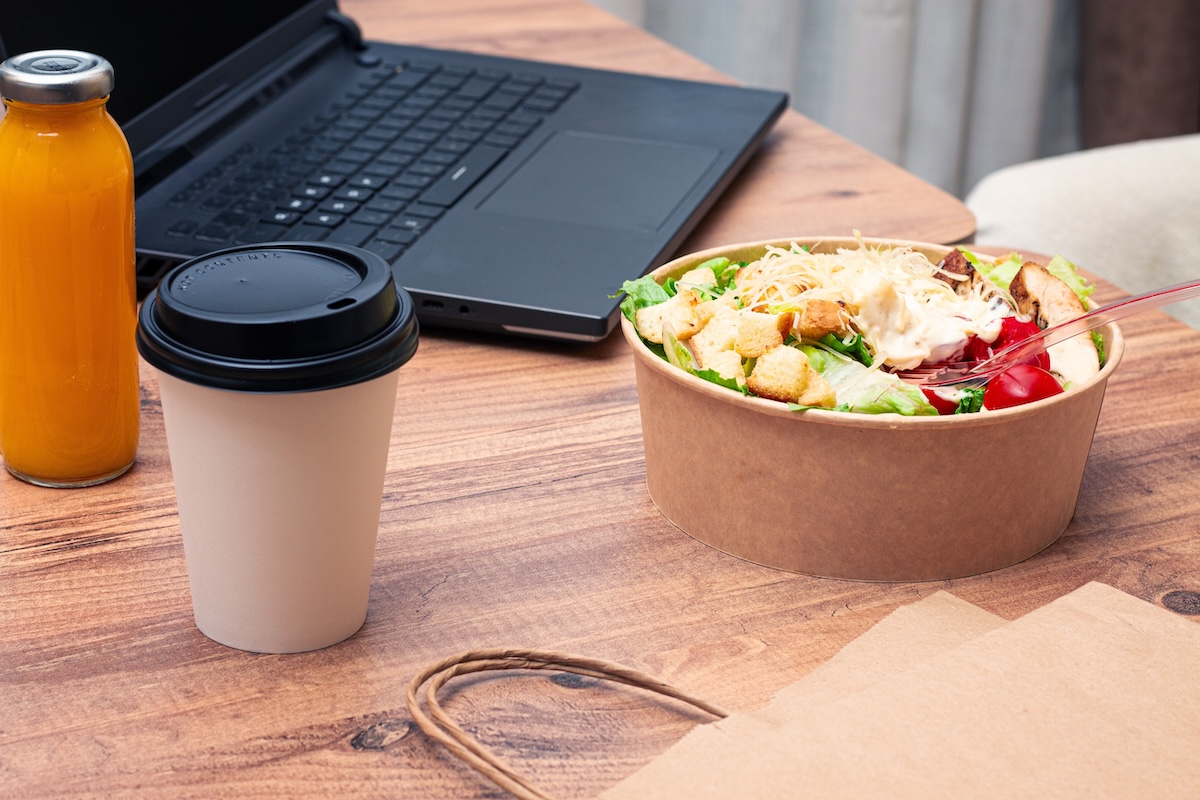
If you’re responsible for feeding a Minneapolis office, you know that ordering lunch for the team can be a difficult task. The challenge comes from coordinating orders, accommodating different dietary needs, keeping employees interested in the menu, and making sure everything runs smoothly. With all of these moving parts, it’s difficult to get lunch for your team without it turning into another administrative task.
That’s where a corporate lunch delivery program can make a real difference. Rather than managing separate individual orders and reimbursements, a workplace program simplifies lunch for the entire team while making it easier to offer variety on a regular basis. The right program can turn a time-consuming task into a reliable perk employees look forward to.

Minneapolis’s food culture reflects the communities that have shaped the city over generations. From East African restaurants in Cedar-Riverside to Hmong and Vietnamese cooking across the city, immigrant traditions have become part of everyday life. That gives companies a wide range of local restaurants and cuisines to choose from when bringing more variety to the workplace.
Cedar-Riverside is one of the most important neighborhoods in Minneapolis’s food culture. It was once a center of the city’s Scandinavian immigrant community before later waves of immigration transformed it. Today, it is closely associated with East African culture, with Somali-owned businesses and restaurants helping shape its food scene. Somali cuisine has become one of the city’s most recognizable culinary influences, with dishes such as sambusas, suqaar, and canjeero.
Southeast Asian communities have also shaped Minneapolis’s food scene. Minnesota is home to the world’s largest urban Hmong population, and Minneapolis has become an important center for Hmong chefs and restaurants. Across the city, Hmong-owned restaurants and food businesses preserve traditional recipes while adapting them to Hmong-American's traditions. Vietnamese restaurants have also made dishes such as pho and bánh mì staples of the local dining scene.
East Lake Street also reflects Minneapolis's diverse food scene. Latinx-owned businesses and restaurants have helped make the corridor an important center of Minneapolis’s Latin American culture. Opened in 1999, the Mercado Central helped make the area both a cultural and economic hub. Today, restaurants and food vendors along East Lake Street offer everything from Mexican specialties to Somali and other international cuisines.
Together, these influences have shaped a distinctive food culture in Minneapolis, making the city a great fit for workplace dining. By bringing local restaurants into the office, companies can offer employees more variety at lunch while supporting the independent businesses that help define the city’s food culture.
Partnering with local restaurants becomes even more valuable when lunch is provided regularly. A dining program can give employees something to look forward to each week while taking care of the ordering and logistics behind the scenes. Companies can offer employees a more engaging workplace experience through a recurring lunch program that keeps meals varied, local, and easy to manage.
Before choosing a corporate lunch delivery service, there are a few things worth considering. For Minneapolis offices, the right provider should offer food your team will enjoy, accommodate different dietary needs, provide reliable delivery, and make the whole process easy to manage. Here are five things to consider before choosing a corporate lunch delivery service.
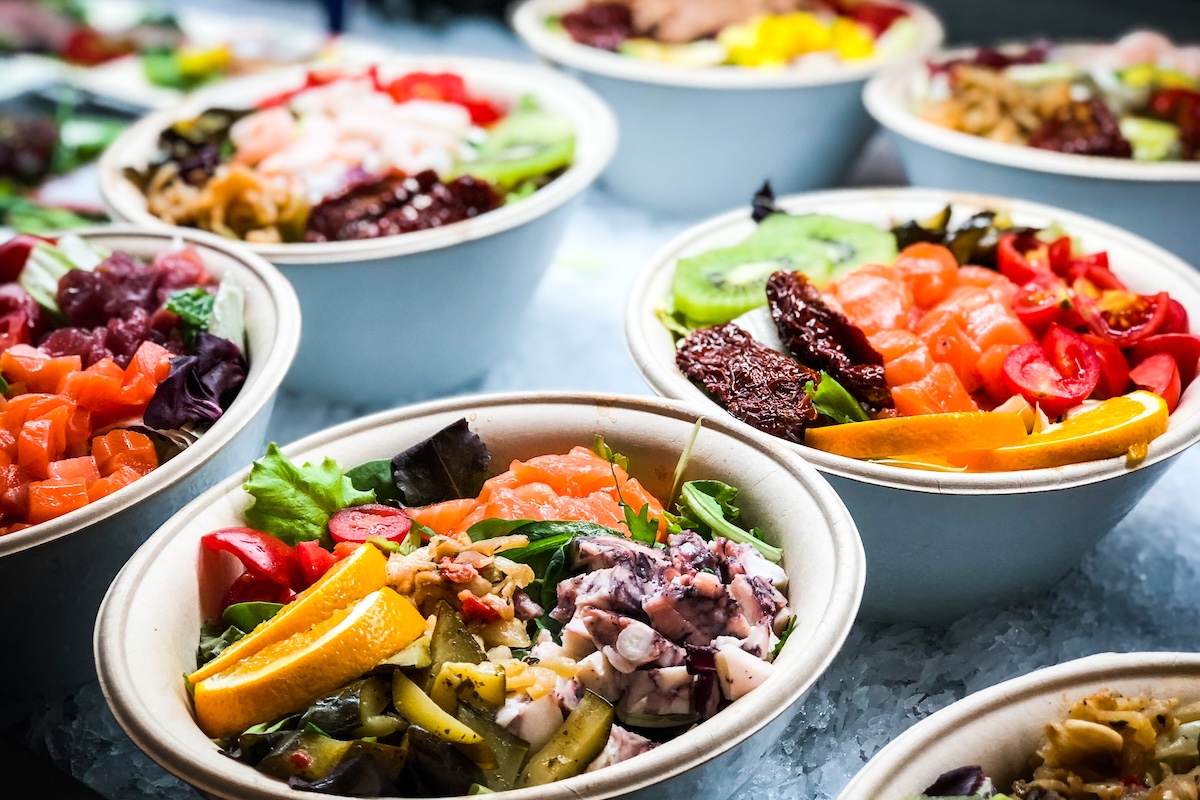
Look for a provider that offers employees real variety without adding any extra management for your team. A corporate lunch delivery service provider that offers a rotating selection of local restaurants can give employees more choice without requiring someone on your team to coordinate different vendors, menus, and delivery schedules every week.
Minneapolis’s food scene gives companies access to a wide range of cuisines and meal options. The right delivery service should make it easy to bring that variety into the workplace and support consistent meal delivery without creating more work.
For a corporate lunch, reliable delivery can make a big difference. Meals that arrive late can disrupt meetings, shorten lunch breaks, and create extra work for the office manager handling the order.
Before choosing a provider, find out how delivery times are scheduled and how the company handles unexpected delays. It’s also worth asking whether the provider coordinates deliveries from multiple restaurants or requires your team to manage each vendor separately.
A good corporate lunch delivery provider should make it easy for managers to accommodate employees with different dietary requirements. When comparing services, check whether vegetarian, vegan, gluten-free, and other common dietary needs are supported during the ordering process.
You should also ask how special meals are labeled and identified when they arrive, as well as how the provider verifies the ingredients used. Clear labels, accurate ingredient lists, and allergen information make meals easier to distribute and help avoid mix-ups when lunch arrives for a larger team.
The advertised price of a meal doesn’t always show the total cost of running a corporate lunch program. Look for a provider that clearly lists delivery fees, service charges, minimums, taxes, and any other costs that could affect your budget. Ask for a complete estimate before making a decision.
Transparent pricing makes it easier to plan your lunch budget, compare providers, and avoid unexpected charges. It also helps you understand what you’re paying for beyond the food itself, including delivery coordination, order management, and customer support.
Employee schedules and lunch plans can change from day to day. Look for a delivery service that makes it simple to update orders as in-office attendance fluctuates. A good corporate lunch delivery provider will be able to flex meal count as employees come into the office, join the team, or change their plans.
Before choosing a service, ask how easily it can accommodate different event types and group sizes. You should be able to scale meal counts up or down and adjust recurring orders without your team having to manage every detail. The right provider should offer flexible ordering options as your needs change, without turning every adjustment into another task for your team.
Minneapolis offices have several ways to provide lunch for their teams. The right option depends on the size of your team, how often you offer lunch, and how much coordination you want to manage. Here’s a closer look at the most common corporate lunch delivery options and how they compare.
| Lunch Delivery Option | Best For | Adventages | Considerations |
|---|---|---|---|
| Individual Delivery Apps | Small teams and occasional lunches | Broad restaurant selection, employees get to choose their own meals, flexible for changing headcounts | Multiple orders to track, deliveries may arrive separately, fees can add up |
| Traditional Catering | One-time team lunches and larger group orders | One order and delivery for the group, simple for planned meals | Usually limited to one caterer, fewer individual choices, advance ordering is often required |
| Workplace Lunch Delivery | Companies providing lunch on a recurring basis | Centralized ordering and delivery, built for workplace meals, reduces day-to-day coordination | Restaurant selection depends on the provider, menu variety varies by service |
| Rotating Restaurants Programs | Offices seeking recurring lunches with local variety | Multiple local restaurants, new options every week, one provider manages delivery | Restaurant availability can change, variety depends on the provider’s local network |

Providing regular meals for a Minneapolis office takes more than coordinating a single lunch order. Someone has to manage changing attendance, collect employee orders, communicate with restaurants, monitor deliveries, and coordinate special meals. Office lunch delivery can take care of the logistics while offering employees a consistent lunch experience.
Minneapolis has a great restaurant scene, but bringing that same variety into the workplace can be a challenge. Fooda’s Office Lunch Delivery makes it easier by connecting companies with a network of 4,500+ local restaurant partners.
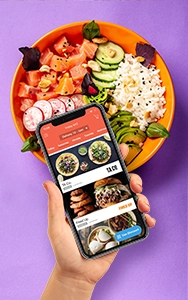
With our Office Lunch Delivery, employees choose individual meals from a daily rotation of local restaurant partners. Fooda coordinates the orders and brings them to the office in one consolidated delivery, so employees get more choice without your team coordinating multiple orders.
From recurring office lunches to one-time events, Fooda helps Minneapolis companies bring more local variety to the workplace while simplifying the logistics behind every meal.
Ready to make office lunch easier for your Minneapolis team? Talk to Fooda today to explore a flexible workplace dining program designed around your Minneapolis office’s needs.
%202.13.35%E2%80%AFp.%E2%80%AFm..png)
What is the best corporate lunch delivery option in Minneapolis?
The best option depends on your team size, lunch frequency, budget, and how much coordination you want to manage. For recurring office lunches, a workplace lunch delivery program can offer more consistency and less administrative work than managing individual delivery orders.
How much does corporate lunch delivery cost in Minneapolis?
Corporate lunch delivery costs vary based on the restaurant, meal selections, delivery requirements, and number of employees. When comparing providers, look beyond the meal price and consider delivery fees, service charges, minimums, and any other recurring costs.
What should I look for in a corporate catering service in Minneapolis?
Look for reliable delivery, varied meal options, support for dietary needs, transparent pricing, and flexible headcount management. For recurring lunches, it is also important to consider how much work the provider takes off your team’s plate.
How can I provide lunch for a large Minneapolis office?
For larger teams, look for a corporate lunch program that can coordinate multiple meals and dietary preferences through one centralized process. A provider that manages ordering and delivery can make it easier to scale lunch without requiring your team to coordinate individual restaurant orders.
Does Fooda offer corporate lunch delivery in Minneapolis?
Yes. Fooda’s Office Lunch Delivery service lets employees order individual meals from rotating local restaurant partners, while Fooda coordinates the orders and delivers them to the workplace together. Fooda also offers Corporate Dining Popups, Corporate Event Catering, Orange by Fooda, and Workplace Pantry Solutions for companies with broader workplace dining needs.
Still have questions about office lunch delivery? Check out our office lunch delivery FAQs for more answers.