When trying to talk with clients, pharmaceutical reps have to battle packed schedules, tight presentation windows, and distracted staff whose attention is often elsewhere. Lunch catering is a simple yet effective way to draw clients in and give you a chance to make your case.
When guests enter your event, the catering is the first thing they notice. If menu offerings are subpar, food arrives late, or your order volume is off, clients take note, and it reflects poorly on your company. Ultimately, meticulous planning and the right catering partner are the keys to success.
In this guide, we’ll go over why lunch meetings matter, how to plan, and what to look for in a catering partner.
Before you can make your pitch as a pharmaceutical rep, you need to get potential clients’ attention. One of the easiest ways to do that is with food. It can be difficult to get busy clinical teams to take a moment to speak with you, but lunch and learns draw people in with the promise of food while structured presentations hold their attention for a dedicated amount of time. This gives you the opportunity to give your pitch while you have their full attention as they eat.
Well-run lunch events also signal a level of professionalism, reliability, and legitimacy that catches clients’ interest and builds foundational trust. If your event is efficient, concise, and well-executed, it demonstrates respect for their time that busy teams in fast-paced environments will appreciate.
Recently, the pharmaceutical industry has shifted toward meetings with more limited visitor access. While this is a more effective approach, scaled down operations leave more room for guests to notice disorganization or oversights. To make a great impression, you need to think critically about what your needs are and approach your planning accordingly.
Planning lunch catering as a pharmaceutical sales rep includes accounting for a lot of small details to make sure everything goes smoothly. Before you jump in, gather relevant information and carefully evaluate your options. Taking your time will help you leave a great impression and increase your chances of success.
The first thing you need to do when planning a lunch catering event as a pharmaceutical rep is to coordinate with the client to agree on the best time frame and get a rough headcount. This will give you important context as to how long the event will last and how many people you need to feed. Knowing the answers ahead of time allows you to provide potential caterers with all the information they need to get started.
Before you commit to a caterer, set a budget. This will allow you to ensure you stay within regulations while still providing the best experience possible. Consider your headcount and work backwards to set a cost per person. From there, you can look at all of your options and select a provider that is able to accommodate your headcount at the price point you need.
It’s also important to make sure that pricing information is transparent. Service fees, gratuity, and any other expenses should be communicated beforehand. If the caterer you’re looking at doesn’t mention these factors, be sure to ask about them so you don’t end up with unexpected costs that surpass your allotted expenses.

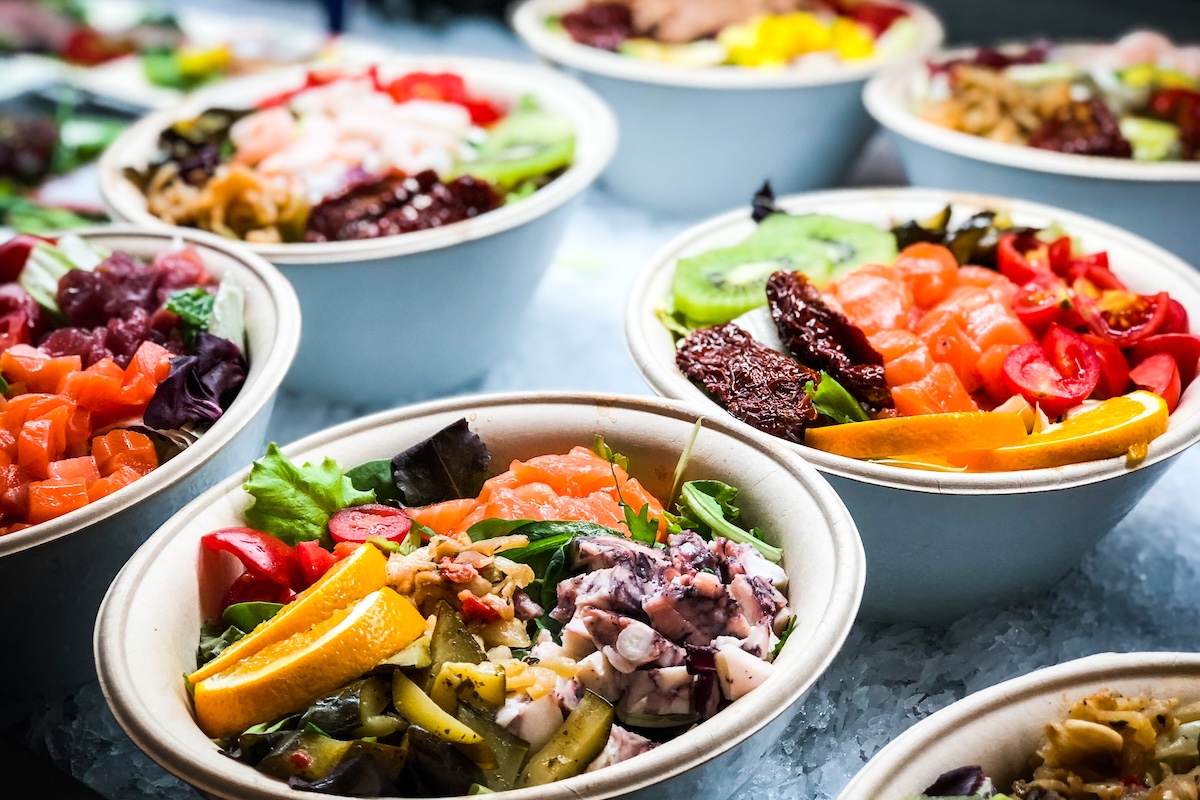
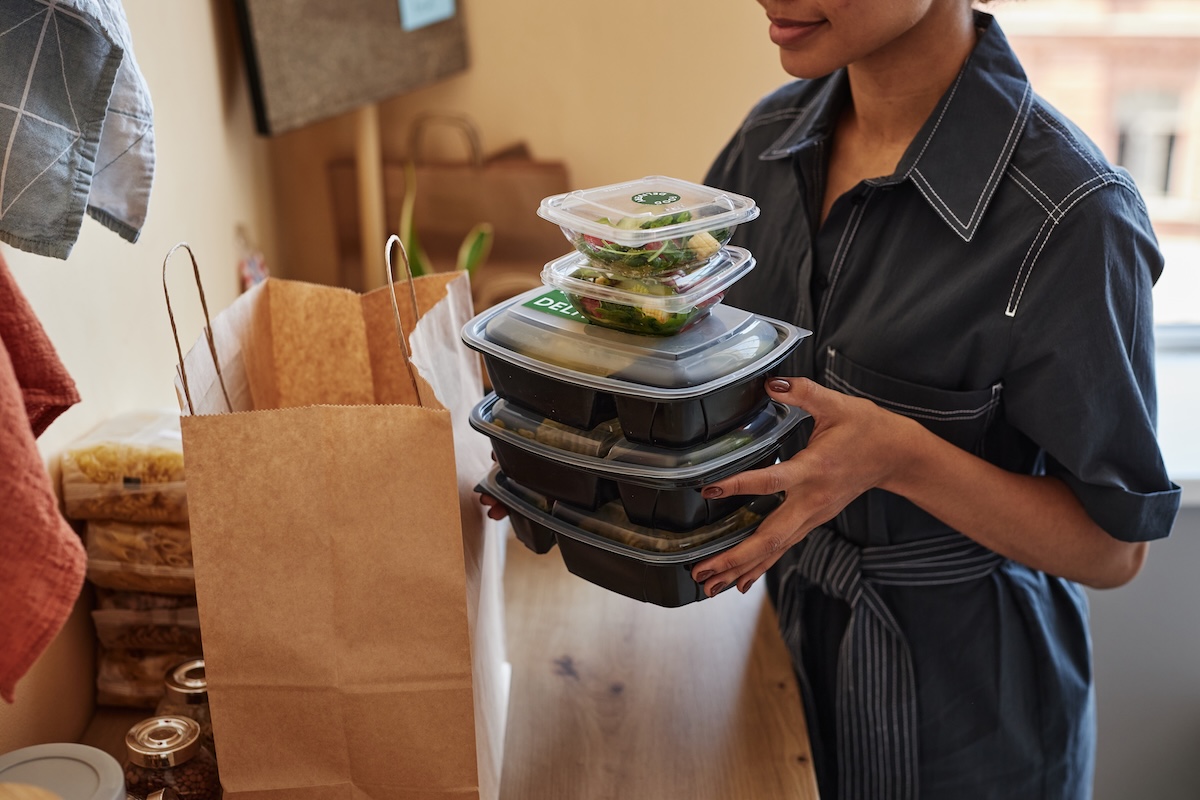
Because guests at pharmaceutical events are usually on their feet, not all foods will work well. Clients are busy and dip in and out whenever they have time in their schedules. Best practice is to prioritize handheld, low-mess foods that staff can eat between patients. Sandwiches, wraps, appetizers, snacks, and grab-and-go boxed meals work best. However, this doesn’t mean you should limit your menu offerings.
Clients are used to standard sandwich platters and basic charcuterie boards. To make the biggest impact, look for foods that are both convenient and original. Fusion dishes, polished presentation, and varied cuisines help create a more memorable experience that leaves a lasting impression. For repeat visits, switch up the menu every time to keep them looking forward to your next visit.
Additionally, you should make sure you’re accommodating everyone. Diverse offerings, such as vegan, vegetarian, and gluten-sensitive options show care and attention to detail that won’t go unnoticed. It’s also a good idea to have clear ingredient labels, especially common allergens, so everyone knows what exactly is in the food they’re grabbing.
Different caterers require different lead times. As a general rule, it’s always good to book as soon as you confirm your headcount, budget, and menu choices. That way, you can avoid missing your order window or having to scramble at the last minute.
How much time you should give generally depends on the scale of your event. The more people you’re feeding, the farther in advance you need to place your order. To make sure you have enough time, get logistical information early so you can give caterers enough time to prepare your order.
The last thing to do is to organize delivery, setup, and cleanup logistics. It’s important to have the food brought in at the right time. If it arrives too early, it will be sitting out for longer than necessary, leading to issues with temperature and quality control. If it arrives late, it will disrupt your event, leading to disappointment and making you look disorganized. You’ll also want to communicate with the caterer so you’re clear on who’s handling setup and teardown.
Even if you plan ahead of time, things can still go wrong day-of. That’s why it’s important to have contingency plans. Coordinate with your catering partner so you’re both prepared for delayed deliveries or last-minute headcount changes.
Building good relationships is vital to any pharmaceutical sales rep’s success, and perfectly executed catering makes clients more likely to view you in a positive light, leaving a memorable, professional impression.
Even when you know exactly what you need from a caterer, it can be difficult to find one that meets all your needs. To help you find the best possible catering option, here are a few qualities to look for when selecting a caterer for your next pharmaceutical rep catered lunch.
As mentioned before, on-time delivery is vital in making sure that your event runs smoothly, but your planning is only one part of the equation. You can set the perfectly timed delivery window, but if your caterer isn’t reliable, your timing could still be off.
The first thing you need to look for in a caterer is a reliable track record and a high on-time delivery rate. Ask your provider for hard numbers or take a look at their online reviews to try and get a better idea of the experience they generally provide for their customers.
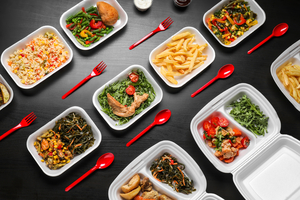
Every restaurant has their specialties, but the caterer you go with should still be able to offer a good amount of variety. If they’re unable to accommodate dietary restrictions, provide clear food labeling, and appeal to different tastes, they’re probably not the best fit.
A good caterer will be clear about their pricing, including any service fees or additional charges they may have. If they don’t provide this information upfront, it may be a red flag.
Another thing to consider is how easy their ordering process is. If the caterer is willing to work with you to customize service to fit your needs, it will create a better experience for both you and your clients. They should be helpful and easy to speak with, and they should be honest about what they can and can’t do for you. If your initial experience with them goes well, it indicates that rebooking will be simple, making your job easier in the long run.
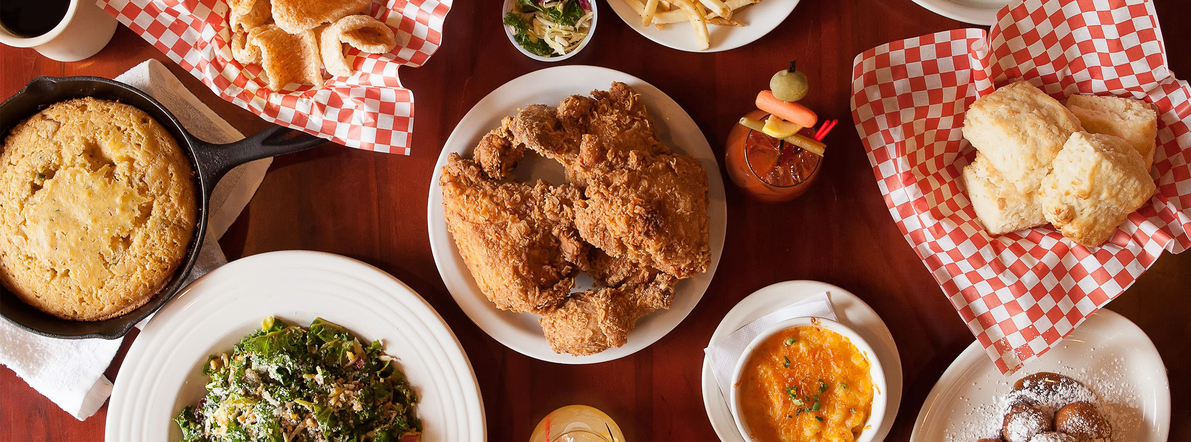
With Fooda Event Catering, pharmaceutical sales reps can simplify lunch planning. Dedicated catering managers handle the logistics for you, and our extensive restaurant network makes it easy to find the right menu fit. Here’s how it works:
Ready to master pharma lunch catering? Talk to a Fooda expert to get started.
How far in advance should I book lunch for a pharma rep event?
Book as soon as you've confirmed your headcount, budget, and menu. Lead times vary by caterer and grow with the size of your event, so ask about order deadlines up front. Booking early also gives you room to adjust if the client's schedule shifts.
How do I accommodate dietary restrictions and allergies at pharma lunch and learns?
Offer vegan, vegetarian, and gluten-sensitive options so every guest has something to eat. Ask your caterer to label each item clearly, including common allergens. If you can, it’s also a good idea to ask your client contact about dietary needs ahead of time so nothing catches you off guard day-of.
How do I figure out how much food to order for my pharma event?
Confirm a rough headcount with your client contact. Since staff often drop in and out, plan around the full expected group. Your caterer can also suggest portions based on the menu format and the length of your event. As a rule of thumb, it’s best to order slightly more than you think you’ll need to ensure you don’t run out.
When should the food arrive?
Aim for delivery shortly before your event begins. Food that arrives too early sits out and can lose quality or fall out of the safe temperature range, and food that arrives late disrupts your presentation. Agree on a delivery window with your caterer and confirm beforehand who will handle setup and cleanup.
What should I do if something goes wrong on the day of the lunch and learn?
Talk through contingencies with your caterer before the event. Ask how they handle delayed deliveries and last-minute headcount changes, and keep a direct contact number for the day. Having a plan lets you respond calmly if a problem comes up.
What should I look for when choosing a caterer for a pharma lunch?
Look for a strong on-time delivery record, a wide menu with dietary options, and transparent pricing. If a caterer doesn't publish delivery data, online reviews can give you a sense of how reliable they are.