Milwaukee may be known for its cheese, breweries, lakefront views, and stellar city festivals, but it also hosts a thriving local food scene and a rapidly expanding corporate landscape. This makes the city the perfect place to implement a corporate lunch delivery program. Delivery offers many benefits that are well-suited to the city’s unique culture, and office meal delivery can help give companies a competitive edge for recruiting.
But these programs need to be built intentionally to be successful. There are a lot of things to consider, making it easy to forget important details. That’s why we’ve put together a quick guide to help you build a corporate lunch delivery program that works for your Milwaukee team.
By implementing an office meal delivery program, you can leverage the city’s cultural values and strong sense of community to increase employee engagement and satisfaction. Delivery also attracts new employees, which is helpful in the city’s competitive talent market.

In recent years, major corporations have been migrating out of Milwaukee’s surrounding suburbs and into the city’s major urban centers in an attempt to take advantage of the city’s abundant workforce. This makes Milwaukee unique, as other major cities are seeing the opposite trend, according to CBRE.
While this is a good indicator of the city’s economic growth and prosperity, it also presents a new challenge for employers. As more job opportunities continue to open up, potential employees have plenty of choice as to where they want to work. This has created an increasingly competitive talent market, and companies need to take advantage of every tool at their disposal to stay ahead of the curve.
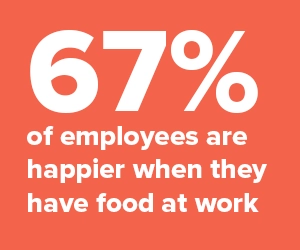
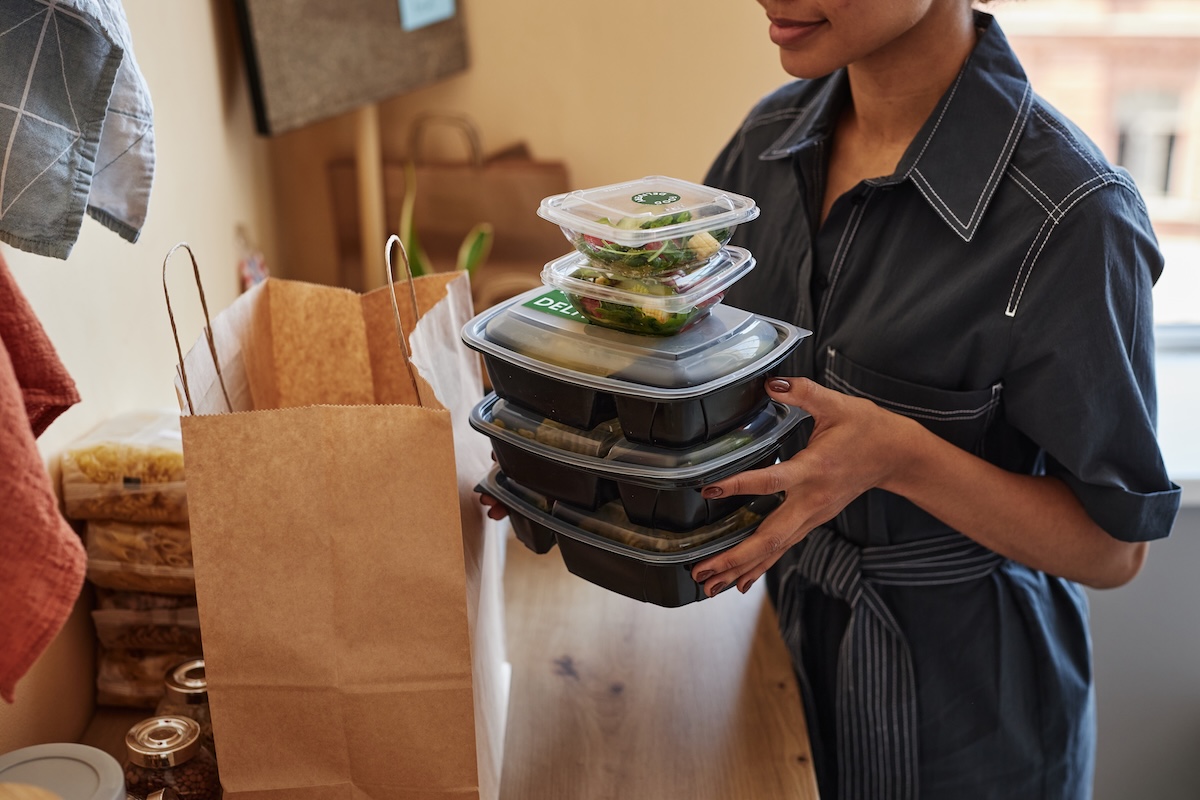
One of the most visible ways to increase employee retention is to show that you care about their well-being. An easy way to do this is by providing convenient, delicious food in the workplace. When you have food delivered to the office, employees don’t have to bring lunch from home or rush out to grab something from a nearby restaurant. Instead, they can enjoy their days and relax during their lunch breaks. This creates a more positive company culture that demonstrates care, encourages socialization, and draws potential employees in.
Milwaukee has been putting a lot of resources into trying to make the city more eco-friendly. These changes point to an ongoing ideological shift, and as sustainability becomes a more prominent part of the city’s cultural makeup, companies that take proactive steps to protect the environment will see advantages in recruitment, retention, and engagement.
Employees care about their employers’ values, and they appreciate it when they reflect their own beliefs. According to Qualtrics, employees who feel aligned with their companies’ missions are less likely to be actively looking for new job opportunities. When your workplace makes a visible effort to institute positive changes, your company becomes a place employees can be proud to support.
Luckily, corporate lunch delivery programs are environmentally friendly. Because everyone orders exactly what they want, there’s minimal food waste. Instead of over-ordering to ensure you don’t run out, delivery keeps everyone happy and fed without mountains of leftovers. Because food waste is responsible for 8-10% of carbon emissions each year, making efforts to keep food out of landfills is a simple way to make your office more sustainable while still giving employees access to the food they love.
Milwaukee residents are proud of where they live, and they have a strong sense of local identity, with residents celebrating “414 Day” (the city’s area code) on April 14th every year. This is just one of the many annual traditions that demonstrate the community’s love for the city.
This local loyalty extends to the city’s food scene. Milwaukee hosts a thriving culinary landscape built on Midwestern comfort food and Wisconsin’s prominent dairy and agricultural industries. The city’s flavor profile has a uniquely homemade feel to it, and by bringing it into the office, you can improve the daily office experience and make employees feel connected to their work by giving employees a taste of their personal lives in the office.
While corporate lunch delivery has plenty of benefits, it needs to be executed thoughtfully in order to be successful. It’s important to consider your options carefully, but it can be difficult if you don’t know what to look for. Here’s a quick rundown of the qualities your workplace food program provider should have.

The corporate world moves fast, and your office meal delivery program needs to be able to keep up. When priorities shift, numbers grow, and schedules change, you shouldn’t need to start over from scratch. To avoid this, look for a food program with flexibility built in from the start. This will save you a lot of time in the future, and you’ll have one less thing to worry about when major changes come around.
Some delivery platforms have strict minimums or maximums, and others offer shifting fees based on participation rates. Both of these can create an unreliable and unnecessarily complicated experience. Look for a provider that’s willing to work with you to create a fully-customized solution tailored to your needs. Hybrid schedules, budget restrictions, and rapid expansion are all realities of today’s workplace. No two offices are the same, and the most successful office lunch delivery programs are built to flex when things inevitably change.
Although the idea of a corporate meal delivery program may be alluring enough to draw in employees initially, you won’t be able to sustain participation rates if the food options are disappointing.
One of the main appeals of office lunch delivery is the individual choice it provides. Everyone gets to order for themselves, and nobody has to compromise. But you lose this aspect if your workplace food program lacks variety. If employees are restricted to the same handful of options day after day, they’ll grow bored, and participation will drop. To keep engagement, look for a provider that offers plenty of options. Ideally, these will rotate each day, keeping options fresh and preventing employees from going back to the same two options time and time again.
Employees will also lose interest if the food isn’t up to their standards. If they’re being promised chef-crafted, restaurant-quality food, it needs to meet, or ideally exceed, expectations. That’s why you need to find a workplace food partner that carefully vets all of their vendors. While variety is undoubtedly important, partnering with as many restaurants as possible without any regard for quality isn’t the answer. The best solution is to find an office meal delivery service that balances variety with quality, providing enough options to stave off menu fatigue and keep employees engaged while maintaining high standards for quality.
Another thing that can decrease your program’s chances of success is overly complicated, unreliable operations. When orders routinely get canceled last minute, things are dropped off in a haphazard, disruptive manner, or food regularly arrives late, employees stop trusting the program.
That’s why it’s crucial to work with an office meal delivery provider that has put plenty of thought into their operational procedures. Programs with well-established delivery systems will offer streamlined, reliable, and nondisruptive delivery. Ideally, everything will be dropped off simultaneously, and drivers will be able to get into and navigate the building without assistance. You should also look for a provider with a high on-time delivery rate. Good metrics indicate that the service is reliable, meaning employees won’t be left waiting for their lunches to arrive.
The way workplace food providers handle restaurant relationships matters, too. Your admin team shouldn’t have to coordinate with restaurant partners each day. Instead, account managers should do this on your behalf, communicating with them on how many orders to expect each day so they can be prepared to handle the volume. This prevents last-minute cancellations and creates a smoother experience for employees and administrators.

In order for a delivery program to be successful, it needs to be affordable for both employees and employers. Individual delivery formats come with inflated prices and heavy, variable delivery fees. These high price tags not only discourage employees from using the program, but they can also make it difficult for employers to predict costs, preventing them from reliably staying on budget.
The best way to combat this is by working with a provider that offers a predictable, flat service rate. This keeps costs down for employees and saves employers from having to constantly monitor budgets. Additionally, pricing should be transparent and up-front. The last thing you want is to be locked into a contract only to discover hidden costs that knock you off budget.
To keep costs reasonable for employees, look for a provider that offers in-store meal costs rather than the inflated prices found on traditional ordering platforms. This will keep employees from seeking out cheaper alternatives, and the affordability will make them feel appreciated and show that you’re truly considering their needs.
Another thing to consider when building a corporate lunch delivery program in Milwaukee is the delivery format you want to use. There are plenty of options, and each comes with perks and drawbacks.
With Fooda’s Office Lunch Delivery, you can simplify your workplace food program. Our fully-managed model runs on local restaurants, providing variety, quality, and easy management. Here’s how it works:
Ready to build a great corporate lunch delivery program? Talk to Fooda today to get started.
How much does a corporate lunch delivery program cost in Milwaukee?
Cost depends on the pricing model and how much you subsidize. Many employers set a fixed per-meal subsidy and let employees cover anything above it, which keeps spending predictable. Ask any provider for a full breakdown of service fees, delivery fees, and food markups before you commit.
Can corporate lunch delivery work for hybrid teams?
Yes, if the program can flex around your schedule. Look for a provider that lets you run delivery only on the days people are in the office and adjust as attendance changes. Programs with rigid minimums can get expensive when headcount varies.
How does lunch delivery accommodate dietary restrictions?
Group delivery makes this easier than catering because each person orders their own meal. Look for menus with clear dietary labels.
How far in advance do employees need to order?
Ordering windows vary by provider. Most set a cutoff so restaurants can prep. Ask about cutoff times and whether employees can see menus in advance so your team can plan ahead.
How do you measure whether a corporate lunch delivery program is working?
The best metrics are participation rate, repeat ordering, on-time delivery, cost per participant, and employee satisfaction through short surveys. Falling participation is usually the earliest warning sign of menu fatigue or reliability problems, so review these numbers regularly.