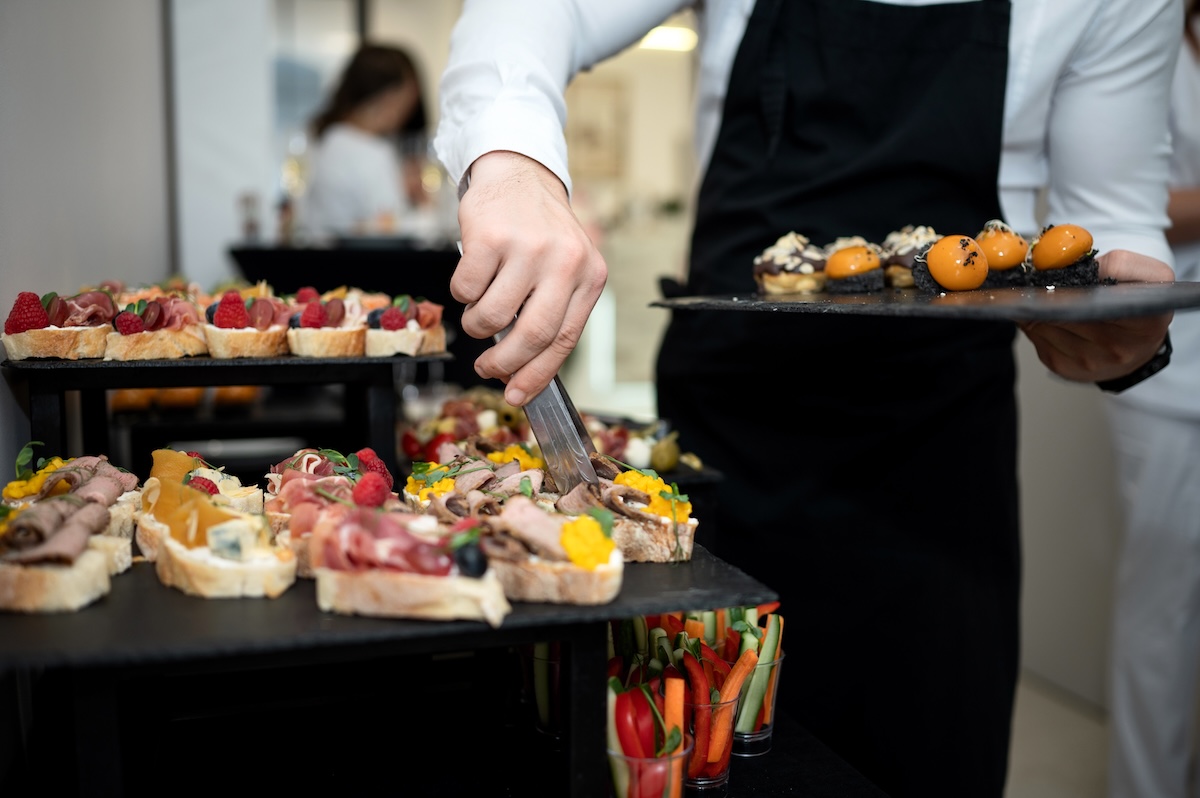
Baltimore may be known for its art, culture, universities, and medical institutions, but it’s also home to a thriving, diverse, and high-quality food scene. By bringing the city’s best restaurants into the office with corporate lunch delivery, companies can improve employee retention, productivity, and satisfaction, all while giving back to the local community.
But in order for an office meal delivery program to be successful, it needs to be designed well. How you handle the logistics, the quality and variety of the food, and the overall experience determine success, so it’s important to consider your options carefully before committing to a workplace food program provider. To help you get started, we’ve put together a quick guide on what delivery can do for you, what to look for in a food partner, and how Fooda can help.
Baltimore’s culture and corporate landscape pose unique challenges for companies to navigate. The city’s job market makes attracting and retaining top talent difficult, high-pressure environments lead to frequent burnout, and a strong sense of local loyalty makes it especially important to have a positive impact on the neighborhoods you operate out of. Corporate lunch delivery helps you address all of these obstacles with one solution.

While Baltimore’s corporate market houses a variety of industries, it’s primarily dominated by research, higher education, healthcare, and multiple government agencies. This attracts a tight talent pool of highly qualified individuals, major organizations are all competing to draw in and retain top talent.
But this competition isn’t just for senior positions. This specialized job market has also made Baltimore one of the best places for new grads to launch their careers. Baltimore companies are looking for new employees across all industries and levels of experience, and they have to use every tool available to them to stand out.
Workplace food programs are a straightforward, immediately visible perk that improves the daily workplace experience and signals to potential employees that you care about their wellbeing. Especially in demanding work environments such as hospitals and government offices, this seemingly small perk can become a major advantage.
Office lunch delivery can be especially appealing, as it offers restaurant-quality food without forcing employees to leave the office or wait in line to get it. They can quickly grab their meals and choose whether they want to take a relaxing break or have a working lunch. No matter what employees decide, this gives them a valuable chance to refuel before taking on the rest of the day.
With a corporate landscape populated with lots of big names across multiple industries, organizations are all looking for ways to meet their quotas and stay ahead of the competition. At the same time, they need to avoid causing burnout and running their employees into the ground.
A study from SHRM found that burnout can cause significant productivity loss. When employees feel overworked and underappreciated, they’re less inclined to go the extra mile and do their best work.
Bringing food into the workplace with corporate lunch delivery shows employees that you want them to take care of themselves. It encourages them to take real breaks away from their desks and makes them less likely to skip meals.
Having convenient access to food from local restaurants also means employees don’t lose focus worrying about what they’re going to do for lunch. They won’t have to choose between rushing out to get something, planning far enough ahead to bring food from home, or paying hefty fees from individual delivery apps. Instead, they can relax knowing that they’ll have consistent lunch options, removing friction from their workdays.
Baltimore is known for its strong sense of community and local pride. The city is made up of a series of tight-knit neighborhood communities. The thriving art scene, local sports teams, and rich history have made Baltimore residents incredibly loyal to their communities.
When you work with local restaurants, you help them drive revenue during their slowest hours and gain exposure to new customers. This allows them to expand their businesses and hire more employees, which further supports the city’s economy and strengthens the culture surrounding the local food scene.
By working with an office meal delivery partner that works with independently owned local businesses, you can have a direct impact on the neighborhood you operate out of. This allows you to align your business’ values with your employees’ values, turning your company into a place they can be proud to work and making them more committed to the organization’s mission.
There are a lot of benefits to implementing a workplace meal program, but you won’t see any of them if your corporate lunch delivery isn’t managed properly. To see ongoing success and save your admin team from unnecessary stress, you need a program built to work for you with ongoing support and quality, not a “set and forget” solution.
That’s why you need to vet your workplace food partner options carefully. Here are some non-negotiable qualities that your corporate lunch delivery provider should have.
Headcounts and schedule variations can impact the success of your corporate lunch delivery program. For it to work in the long-term, it needs to be tailored to your office. If the logistics don’t line up, you’ll end up spending more than you need to for sub-par results.
That’s why it’s important to find a workplace food partner that works with you to meet your needs. Flexible programs allow you to adjust operations to match office attendance fluctuations. If your team is fully remote on Fridays, you shouldn’t have to pay for delivery on that day. Look for a provider that offers a reliably scalable solution.
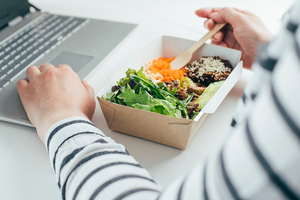
Every office has its own unique culture. Employees have different cuisine preferences and dietary restrictions, and you need a solution that satisfies everyone. If employees can’t find something to eat, they’ll feel excluded and disappointed, which can have a negative impact on morale rather than a positive one.
Outside of office culture, Baltimore houses a stellar local restaurant scene full of variety. From blue crab to pit beef, employees are used to flavorful dishes made with fresh, high-quality ingredients. If the food you serve doesn’t meet those expectations, employees won’t want to use the program.
To avoid this, work with an office meal delivery partner that offers continual variety through a rotating selection of vetted restaurant partners. This approach will keep things engaging and worthwhile, allowing you to feel the full benefits of your delivery program.
Having access to well-constructed and maintained technology ensures everything runs smoothly for both employees and administrators. For employees, it delivers a reliable, painless experience. They won’t become frustrated with ordering and give up, and they won’t have to worry about the point-of-sale system correctly applying their subsidies.
For admin teams, being able to easily manage permissions and subsidies, handle billing, and view performance data allows them to stay on top of things without wasting time on inefficient workflows. They’ll be able to make real-time adjustments as needed, gather insights for executives, and monitor budgets whenever they need to, keeping the process simple and pain-free.
While it’s important for administrators to have easy access to program information, they shouldn’t be left to manage your corporate lunch delivery program alone. Coordinating with restaurants, adjusting menus, and organizing deliveries can be both time consuming and frustrating, and the burden of managing everything will prevent your administrative team from enjoying the program themselves.
Working with a corporate food partner that provides ongoing support relieves this strain. A good provider will handle the day-to-day logistics for you while still keeping your team in the loop.
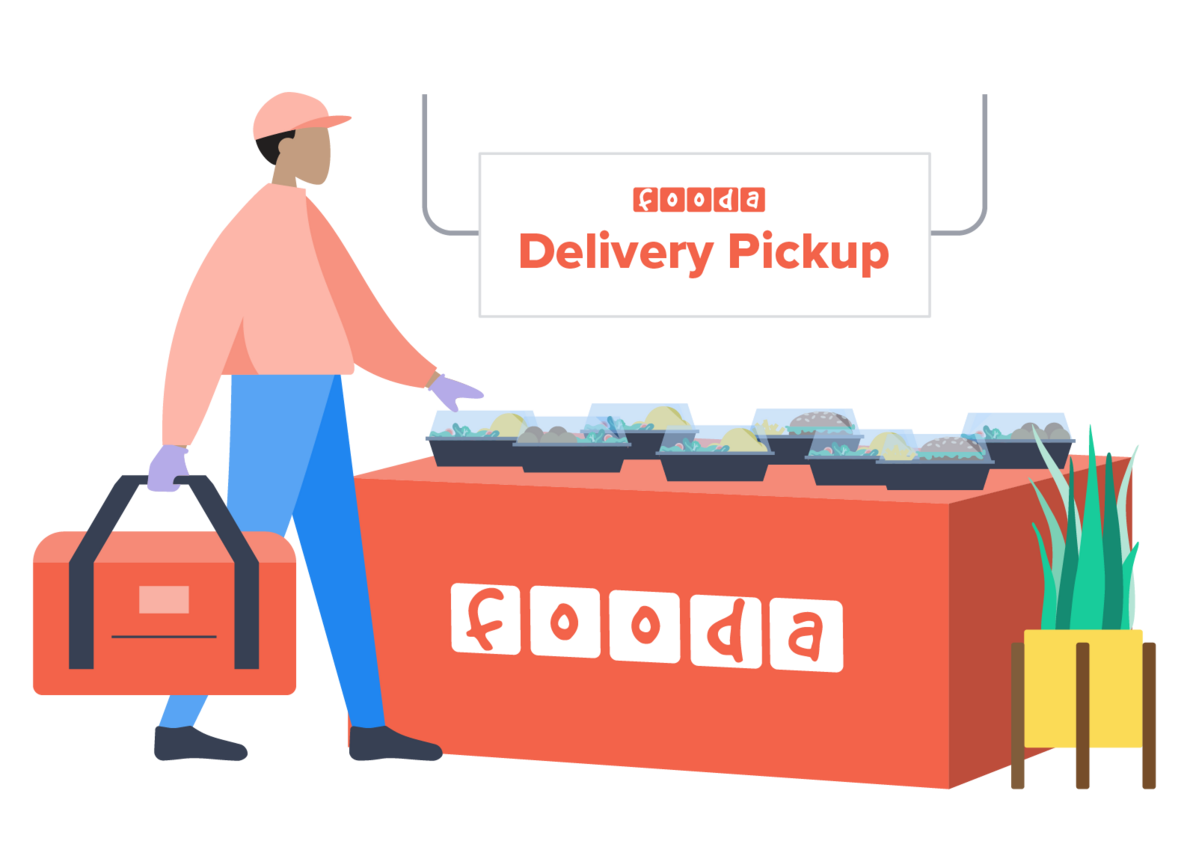
With Fooda Delivery, you can bring convenient, delicious local food into the office every day. Here are the highlights:
Ready to bring great local restaurants into your office with Fooda? Reach out to one of our experts today to get started.
What food is Baltimore known for?
Baltimore is most known for its fresh seafood, with blue crab and lake trout being local staples. Other popular dishes include pit beef, coddies, and Maryland fried chicken. The city also has a wide variety of international cuisines, with Caribbean, Mexican, and Greek spots being especially common.
How long does it take to start a corporate lunch delivery program in Baltimore?
Because they don’t require the installation of new infrastructure, delivery programs can be implemented more quickly than most other workplace food programs. Exact timelines depend on the scope of the program and the provider you decide to partner with, but most corporate lunch delivery programs can be up and running in a matter of weeks.
How much does an office meal delivery program cost in Baltimore?
Total costs depend on a number of factors. These mainly include service costs, subsidy amounts, and headcount. Some providers charge service fees per-meal, while others offer flat rates, which tend to make budgeting easier. Higher subsidies raise overall costs, but higher subsidies almost always see higher participation rates and better ROI.
How do I manage dietary restrictions in a workplace food program?
The best way to feed employees with dietary restrictions is to offer a diverse range of meal options. Allowing employees to choose from multiple different restaurants each day makes it easier for everyone to find something they can safely eat.
Does corporate lunch delivery work for smaller offices?
Corporate lunch delivery programs are one of the most practical options for smaller offices since they have lower overhead costs than other food program formats. They are also easy to scale for lower-attendance days, cutting down on food waste.
What is the difference between corporate lunch delivery and traditional catering?
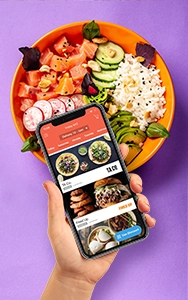
With corporate lunch delivery, employees order their own meals from an app, and everything is dropped off together. With traditional catering, employers order food in bulk from a single restaurant, meaning employees have fewer choices. Traditional catering is also more difficult to organize on a daily basis, as it requires more extensive logistical coordination and longer lead time.





%2010.49.58%E2%80%AFa.%E2%80%AFm..png)