Workplace stress takes a real toll: nearly 3 in 5 employees say job-related stress drains them mentally and physically, according to the American Psychological Association. For the executive assistant juggling a packed calendar, few recurring duties add pressure quite like running a lunch program for employees.
Picking restaurants, planning menus, coordinating with vendors, and managing the logistics all land on your plate, and a single slip can leave a roomful of coworkers hungry and unfocused.
What if office lunch delivery didn’t have to be this complicated?
This post breaks down the top challenges that make team lunch delivery harder than it should be, then shares practical ways to simplify it so you can hand hours back to your week.
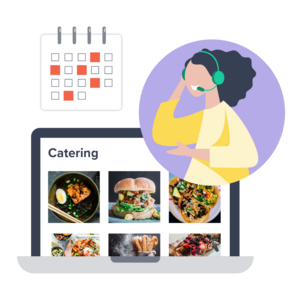
As an executive assistant, you’re often the one planning and managing lunch for the team. It isn’t as simple as calling a restaurant and ordering enough food for everyone (though we wish it were).
There are several recurring hurdles that turn a routine perk into a time sink:
Picking out a restaurant or caterer might seem simple enough, but it’s actually one of the trickiest steps. This is especially true if you’re choosing preferred vendors to be a part of your workplace food program and not just for one-off food deliveries.
You have to make sure the vendor is serving food your team likes. You have to consider pricing. And you have to check if they offer reliable service. Then there’s the negotiation: Do they offer bulk discounts? Can they give you a deal on recurring deliveries? Each step takes calls, tastings, and follow-ups that rarely fit neatly into your day.
Coordinating your team lunch delivery orders with daily attendance is another major challenge. Headcounts can fluctuate daily, even outside of hybrid teams. Ashley called in sick, Greg is on vacation, and Sarah has to leave early.
Then there are meetings and events for which attendance isn’t always predictable and RSVPs aren’t always accurate.
That uncertainty makes it nearly impossible to order the right amount. Order too much and you create food waste and wasted budget; the USDA estimates that 30 to 40% of the U.S. food supply goes uneaten. Order too little and you’re left with hangry team members who struggle to focus for the rest of the afternoon.

Tracking different dietary needs and restrictions adds yet another layer to planning corporate lunch delivery orders, and the stakes go well beyond simple preference.
Beth is vegan and wants the pasta with vegan cheese, but Dan’s tree-nut allergy means a mix-up could be dangerous if that cheese contains cashews or almonds. Meanwhile, Fatima needs halal meat and Peter needs gluten-free meals.
.png)
Keeping all of this straight usually means messy notes or spreadsheets you have to cross-reference every time you order office catering.
A delayed office lunch delivery means hungry teams and delayed meetings. Executive assistants are tasked with ensuring that food deliveries arrive on time.
This usually means coordinating with a fleet of delivery drivers, giving directions, checking up on delays, and picking up orders from the lobby. Seems pretty straightforward, right? But not on busy days when you don’t need the added distractions. And especially not when you’re going back and forth with multiple drivers as they bring orders from different restaurants.
One’s confused about which block your office is in, one takes a wrong turn, and another’s stuck in traffic. So everyone’s food arrives separately, forcing teams to eat lunch at different times.
Office food delivery doesn’t have to add more logistical headaches to the executive assistant’s workflow. Let’s look at some of the best ways you can simplify it for your office.
Once you find and vet restaurants for recurring office lunch delivery, add them to a preferred vendor list. That gives you a roster of places you already trust, so you skip the daily scramble of choosing where to order.
Offer a handful of options so leadership and employees get some choice, then rotate them at regular intervals to keep the menu fresh and prevent the boredom that sets in when people eat the same thing week after week
The single most effective move an executive assistant can make is to let staff handle their own orders. You no longer have to cross-check calendars to see who’s in or walk the office collecting requests. Instead, each person orders within a set window.
That lifts a real weight off your shoulders, because you’re no longer the keeper of everyone’s dietary needs and daily choices. Each employee picks exactly what they want, whether that’s no cheese in their burrito or an avocado add-on to their salad.
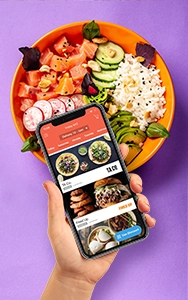
The Fooda App centralizes orders for the whole office without making you the point of contact. Employees filter options to find meals that fit their needs, so you don’t have to remember who’s vegan or who has a shellfish allergy, or double-check ingredients with restaurants.
Best of all, people order only when they know they’ll be in, so your workplace food program scales to real attendance instead of guesswork.
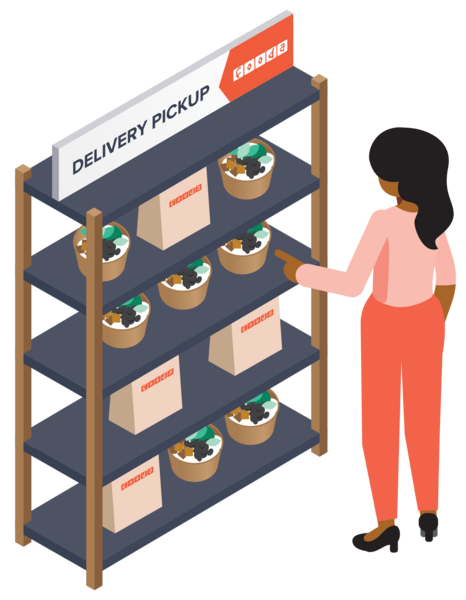
Corporate lunch delivery gets a little complex when you’re ordering a lot of food from different restaurants. This often involves a fleet of delivery drivers bringing food orders from multiple restaurants.
Some team members might get their food late because food prep took too long at one restaurant while one delivery driver got stuck in heavy traffic. That means the team doesn’t have the chance to enjoy lunch together because the food doesn’t arrive at the same time.
Grouping large orders into one delivery is a great way to simplify team lunch delivery. Services like Fooda Delivery let you bring all the orders for your entire office into a single delivery, even if employees are ordering from different restaurants. With everyone getting their food at the same time, it creates an opportunity for the entire team to sit down for lunch.
So people can connect over shared interests and pop culture discussions as they enjoy a meal together. What better way to bring folks together and strengthen office culture!
Fooda brings you Office Lunch Delivery that’s simple, affordable, and effortless to manage.
Here’s how executive assistants can streamline their workflow for recurring office food deliveries:
Fooda lets your organization choose from a vast partner network made up of 4,500+ local restaurants. Each market has an ever-growing list of vetted and independently owned eateries, allowing you to get the time back you’d have to spend researching restaurants and vetting them before you order.
Employees get to choose their meals from 4-5 featured restaurants that rotate daily. This gives them variety and choice to beat menu fatigue.
And they aren’t limited to a single restaurant when placing their lunch orders. They can mix and match items from different places at no extra cost.
With Fooda Delivery, it doesn’t matter how many people show up to the office on a given day, you won’t have to cross-check attendance or calendars.
Employees have until 10am to place their order for the day. So each team member can order lunch when they’re sure they’ll be in the office. They can even place orders in advance, scheduling them for days they know they’ll be onsite.
Either way, this gives you the flexibility to scale effortlessly based on changing headcounts.
Fooda’s technology makes it easy to subsidize employee meals without the reimbursement hassle. You can offer a daily stipend that’s automatically applied at checkout. Employees choose when and where to use the stipend, whether it’s for delivery orders or at a Popup Restaurant.
If orders exceed the stipend amount, they can pay the balance out of pocket. This gives them more flexibility over what and how much to eat.
Fooda consolidates orders into a single delivery, making sure every team member gets their orders at the same time. The food is delivered straight to your office by a dedicated Fooda driver who’s trained to work in your building and is familiar with your team and your schedule.
When you choose Fooda, you don’t have to limit yourself (or your team) to a single solution. You can mix the lunch delivery service with other Fooda services based on your exact needs. So besides recurring lunch deliveries, you could do Corporate Event Catering for special occasions and Popups to add daily variety.
A leading Burbank-based entertainment company did just that. They combined Fooda Popup with Group Order Delivery to create a flexible lunch program for employees.
The delivery option allows employees to pre-plan their meals and personalize them according to their unique preferences. This gives them more control over what and when to eat. Meanwhile, the popup solution allows employees to enjoy a restaurant experience on-site, with freshly prepared meals that don’t require preordering.
So even if employees want the predictability of a planned meal or crave some novelty, lunch is always served either way.
Ready for an office lunch delivery program that practically runs itself? Talk to Fooda today.

If we don't answer your question below, check out more FAQs on Fooda Office Lunch Delivery here.
The main role of an executive assistant includes handling correspondence, scheduling appointments, and performing other administrative tasks under a high-level manager or CEO. This sometimes includes planning employee meals for events and meetings.
Yes, being an executive assistant is generally considered a highly stressful job, as the job requires juggling constant interruptions, tight deadlines, and shifting priorities. This often leaves them to absorb the pressure and emotional load on behalf of their executives.
Yes, executive assistants are typically in charge of ordering food, especially for team events, client lunches, and board meetings. They also sometimes handle personal meals for their bosses.
The simplest approach is to let employees place their own orders by a daily cutoff, so meals scale to whoever is onsite that day. This removes the guesswork of predicting attendance and avoids the over-ordering that drives food waste. A platform that lets staff schedule orders in advance for their in-office days makes hybrid scheduling even easier to manage.
A managed program eliminates the daily tasks that consume the most time: vetting restaurants, collecting orders, tracking dietary needs, and coordinating delivery. By shifting ordering to employees and consolidating deliveries, assistants can reclaim hours each week that would otherwise go to lunch logistics, freeing them for higher-priority work.
Yes, even small offices benefit, because the time and coordination costs of organizing lunch are largely fixed regardless of headcount. A program that scales to daily demand means a small team never over-orders, and a subsidy or stipend option lets you offer a meal perk without committing to a fixed catering spend.