For many workplace food programs, lunch is the star of the show. While this isn’t a problem in itself, things start to get messy when everything else, from the coffee and the cold beverages to the snacks, becomes an afterthought.
So you have employees grabbing an energy bar as they rush to the next meeting because they missed lunch. Or you’ll have night shift employees reaching for processed snacks and sugary drinks that slow them down because that’s the only thing available.
When your employees aren’t properly fed, sluggishness can set in quickly. That is why workplaces need to start prioritizing customized office food and beverage programs that meet the unique needs of a specific site. This involves tailoring your office food service options based on headcounts, shift timings, attendance patterns, work styles, and budget, among others.
In this guide, we show you what goes into a custom food and beverage program, why they’re beneficial, and how to mix multiple formats to meet your exact workplace needs.
Why Office Food and Beverage Programs Fail
Workplace food and beverage programs fail when companies treat them as a static utility instead of a dynamic cultural investment. Whether it’s to boost morale or incentivize employees for your return-to-office strategy, these programs often have good intentions behind them.
But between rigid menus, budget constraints, and unpredictable demand, they ultimately collapse within a few months. That’s why it doesn’t always make sense to apply one format every day across every site for every employee.
Here’s a quick breakdown of the biggest reasons why your office food and beverage program might fail and why you need more flexible workplace dining solutions:
Unpredictable Headcounts: Fluctuating attendance directly impacts demand, making it difficult to manage food quantities effectively. This is especially common for hybrid workplaces and offices that have employees working around the clock.
Lack of Variety: Serving the same rotation of sandwiches and standard boxed lunches week after week quickly kills employee excitement. Fooda’s 2026 Workplace Lunch Report even found that 25% of employees expect to see frequent menu changes.
Ignoring Dietary Restrictions: Forgetting to seamlessly account for vegan, gluten-free, halal, or allergen-free options alienates segments of the workforce.
Undesirable Selections: When employees only get to choose from a bunch of low-quality snacks or a handful of sodas and instant coffee, it directly affects satisfaction.
The Legacy Cafeteria Trap: Brick-and-mortar office cafeterias carry massive, fixed overhead costs that will eat away at your bottom line without even meeting the needs of every employee across different shifts and sites.
Price Over Quality: When you treat your food and beverage budget purely as an expense line, you end up with the cheapest vendors even at the cost of quality and reliability.
Factors that Influence Your Office Food and Beverage Needs
A single corporate food solution cannot meet the needs of every workplace. And even the same office may need a combination of formats instead of relying on just one, depending on the shift timing, size, or time of week. Additionally, the same combination may not even work across every location as you build a multi-site office food program.
Companies need a custom corporate dining program that goes beyond the standard lunch to effectively address these requirements. Learn how to implement it using our guide on customizable employee meal programs.
Before implementation, the following factors will help you decide what corporate food and beverage services you need in your office:
Headcount and Scale: A simple breakroom setup like coffee makers and fridges with recurring boxed lunch deliveries may work well enough for smaller operations with fewer than 20 employees. But organizations with hundreds of employees might need full-scale cafeterias and office pantries to meet heavy demand.
Dietary Restrictions: Inclusive programs must account for vegan, gluten-free, and allergen-conscious choices to support diverse team needs. Religious and cultural factors will also play into your food and beverage needs.
Work Schedule and Shift Patterns: Long hours or irregular shifts require sustained energy options, from morning coffee stations to midnight protein drinks. Premium coffee machines and office micromarkets that offer 24/7 access to healthy snacks can provide backup options at all hours. Meanwhile, hybrid teams will need flexible workplace dining solutions that can scale daily based on actual attendance.
Physical Infrastructure: Available space for sinks, dishwashers, microwaves, and vending or storage equipment limits or expands what food types can be served. Offices with limited dining spaces could do boxed lunch deliveries and basic breakroom snack selections, for example. Meanwhile, corporate building popups could offer a versatile backup for offices that share spaces with other companies.
Budget and Cost Efficiency: Financial limits dictate whether an organization provides basic filtered water and instant coffee or subsidized snacks with premium sparkling water and gourmet coffee options. Similarly, it will also determine if the program should stick to employee-paid recurring lunch deliveries or invest in fully catered daily meals.
Matching Office Food and Beverage Solutions to Workplace Types
Now you have a fair idea of how your unique workplace needs determine what combination of office food and beverage solutions you need. Based on this, let’s look at how you can match formats to some of the most common workplace types.
Corporate Offices (Tech, Finance, Professional Services)
The Environment: Desk-bound, collaborative, high mental fatigue, and standard 9-to-5 or hybrid schedules.
Food & Beverage Strategy: Focus on sustained cognitive energy and creating social friction points to encourage collaboration.
Customized Solutions:
Food: Highly customizable "build-your-own" stations (e.g., grain bowls, poke bowls, and Mediterranean wraps) that cater to diverse dietary preferences (vegan, gluten-free) without causing a mid-afternoon sugar crash.
Beverages: Premium bean-to-cup espresso stations with dairy alternatives, functional cold brews, and zero-calorie flavored sparkling waters.
Service Model: Tech-enabled micromarkets, mobile pre-ordering, or rotating local restaurant popups to keep the menu exciting.
Manufacturing, Logistics, and Warehousing
The Environment: High physical exertion, strict shift timings (24/7 operations), and limited break windows.
Food & Beverage Strategy: Prioritize high-calorie fuel, fast access, and round-the-clock availability.
Customized Solutions:
Food: Protein-dense, hearty meals (e.g., burrito bowls, hot carving sandwiches, and curries) that offer comfort and long-lasting physical stamina.
Beverages: High-caffeine options, electrolyte-replenishing sports drinks, and easily accessible water hydration stations.
Service Model: 24/7 unstaffed micromarkets with smart-fridges and self-checkout kiosks so night shift staff have an equally high-quality selection of meals as day shifts.
Healthcare Facilities (Hospitals and Clinics)
The Environment: High stress, unpredictable schedules, long shifts, and a mix of clinical staff, patients, and visitors.
Food & Beverage Strategy: Focus on immunity-boosting nutrition, stress reduction, and extreme convenience.
Customized Solutions:
Food: Nutrient-rich, low-sodium grab-and-go boxes, hot soups, and easily digestible snacks (nuts, protein balls) that can be eaten quickly between patient rounds.
Beverages: Herbal teas for stress management, fresh fruit juices, and premium coffee accessible at all hours.
Service Model: Centralized cafeterias paired with decentralized, floor-specific smart vending machines for quick access during short and sudden breaks.
Creative Studios and Agencies (Design, Media, Film)
The Environment: Fluid working hours, client-facing, deeply collaborative, and highly aesthetic-driven.
Food & Beverage Strategy: Emphasize hospitality, local curation, and trendy presentation to boost morale and impress visiting clients.
Customized Solutions:
Food: Interactive food stations (e.g., artisan flatbreads or street tacos), locally sourced small batches, and visually appealing pastries.
Beverages: Kombucha on tap, local craft beers or regional wines for Friday happy hours, and artisanal single-origin pour-over coffee.
Service Model: Curated pantry programs with open-counter layouts that mimic a neighborhood café vibe.
Workplace Type
Primary Goal
Core Food Profile
Best Method
Corporate
Brainpower and collaboration
Low-glycemic, customizable bowls
Rotating popups and micromarkets
Manufacturing
Physical stamina and speed
High-protein, calorie-dense
24/7 smart fridges and kiosks
Healthcare
Stress relief and 24/7 options
Immunity-boosting, grab-and-go
Central cafeteria and floor vending
Creative
Morale and culture building
Artisan, locally sourced, trendy
Open pantry and hosted happy hours
How Fooda Powers Your Customized Office Food and Beverage Program
Fooda offers a vast range of scalable office food and beverage solutions to build a custom corporate dining program that meets the unique needs of your workplace.
Blendable Food Solutions for a Fully Custom Food & Beverage Program
Fooda’s office food service options go beyond the standard cafeteria setup. Choose from corporate food and beverage services like:
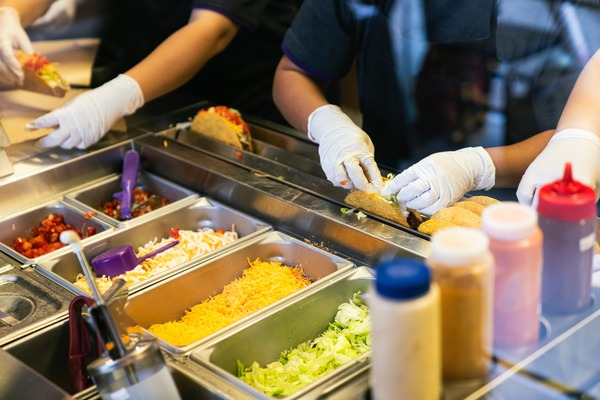
Popup Restaurants: Local restaurants set up temporarily in your building to serve fresh, made-to-order meals and clean up after lunch. This option is great for offices with high headcount but have limited space and infrastructure.
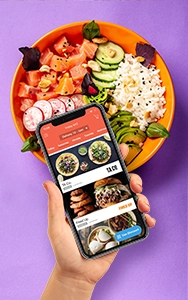
Lunch Delivery: Employees order their own meals from the Fooda app, and all the food arrives together in the same delivery. This option is perfect for offices with breakroom setups, as it requires no additional space for meal prep. It also balances daily scalability with reliable recurring meals, making it an excellent choice for hybrid team setups.
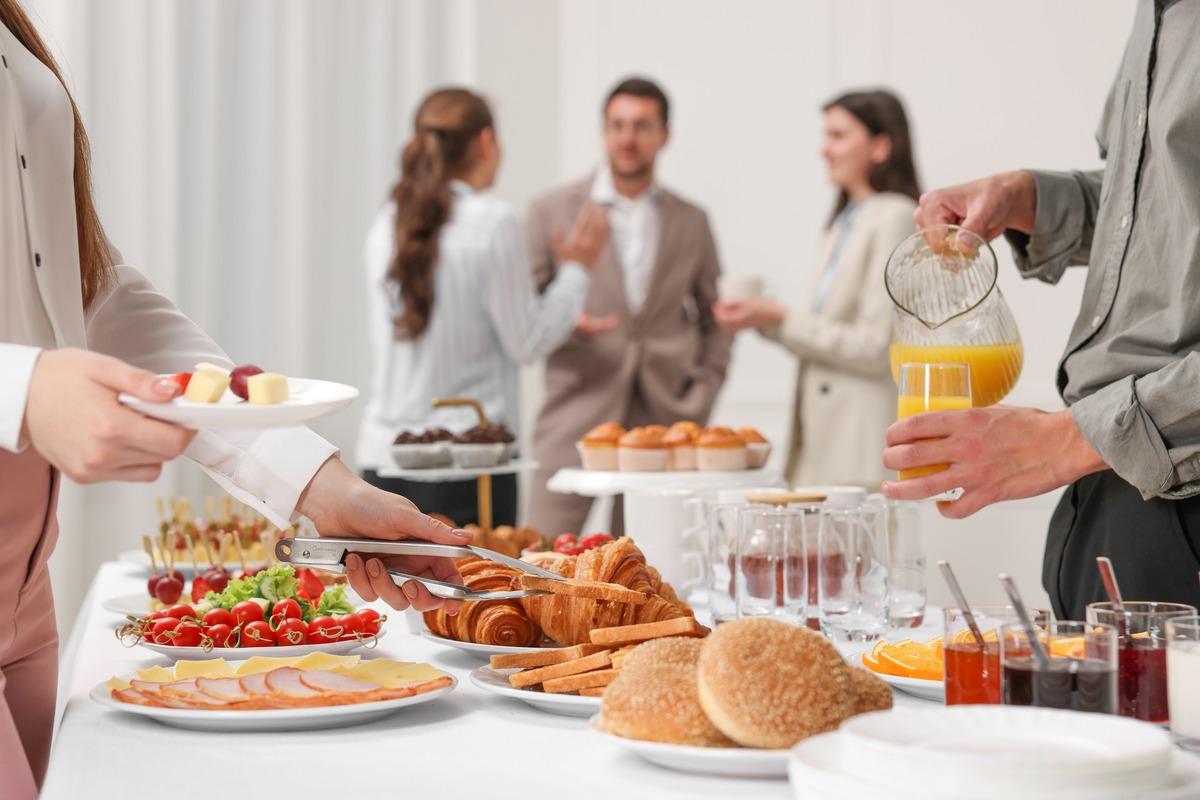
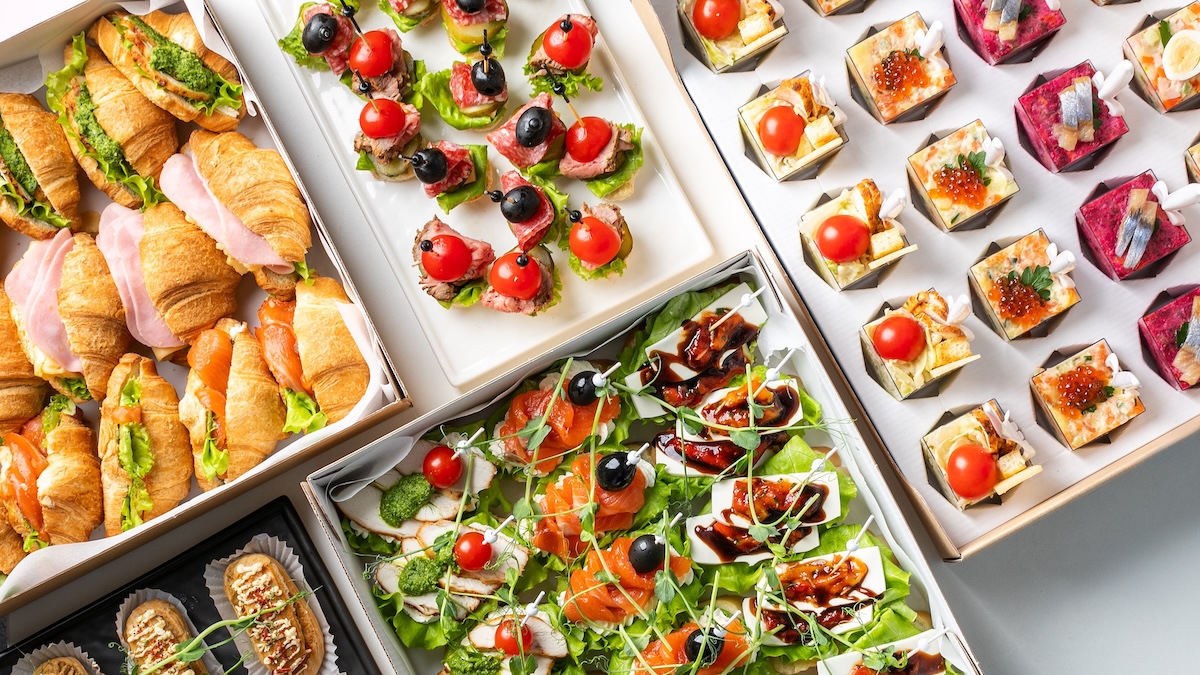
Corporate Event Catering: Restaurants drop off catered meals in ready-to-serve trays or individual boxes. This offers a reliable dining solution for special events and meetings.
Fooda Pantry: From micromarkets and premium water dispensers to smart vending machines and gourmet coffee machines, Fooda lets you build an office pantry that fits your team’s unique snacking preferences and needs.
Orange by Fooda: Fooda also lets you bring the restaurant experience into your cafeteria with a lineup of resident and rotating guest restaurants. We also work well alongside self-operators and other cafeteria programs!
Combine any number of these solutions to build a tailored program that works specifically for your office based on team size, shift patterns, employee preferences, and work styles.
So whether you mix things up between the convenience of 24/7 micromarkets and the robustness of a cafeteria replacement solution, you’ll have an office food and beverage program that satisfies your unique needs.
Menus and Product Mixes Personalized for Each Workplace
Some corporate food service providers force you into rigid contracts that rely on the same menu rotation or low-quality snack and beverage selection. With Fooda, you can switch things up as much as you want based on your team’s preferences and demand patterns.
Whether this means bringing in guest restaurants or popups to serve a new menu every week or requesting new SKUs added to your office pantry program, everything’s personalized for your workplace.
Effortless Scalability on the Daily
Fooda’s demand-based office food and beverage solutions set the stage for flexible workplace dining. Most of the services rely on employees placing their own orders. That means food prep is done based on actual demand, letting you scale effortlessly with fluctuating attendance.
This helps you keep costs low and minimize food waste for a sustainable corporate dining program.
Customizable Employee Food Benefits
Fooda lets you manage your subsidies and employee food benefits with ease from the app. You can allocate funds to specific teams and employees and even change the amount, so the benefits can be customized at the department and individual level.
For even more flexibility, the Fooda Card can be customized to provide employees with the freedom to use their meal benefits during their travels or on their work-from-home days.
Ready to get started with Fooda solutions for a customized office food and beverage program? Talk to us today.
Frequently Asked Questions
What is a customized office food and beverage program?
A customized office food and beverage program is a tailored workplace perk where employers curate snacks, drinks, or meals to fit their team's specific dietary needs, preferences, and company budget.
How much does an office food and beverage program cost per employee?
The cost of an office food and beverage program ranges from $5 to $20+ per employee per day (roughly $100 to $400+ per month per person). The exact price depends heavily on whether you’re providing basic snacks and coffee or extending the program to fully subsidized daily meals.
Can you combine multiple food service formats in one program?
Yes, you can combine multiple food service formats in a single program to build a solution that works specifically for your workplace.
How do subsidies work for employee meal programs?
Employee meal subsidies work by having the company cover all or part of daily food costs through structured programs, cafeterias, or digital allowances.
What's the minimum office size for a food program?
There is no strict, universal minimum office size for a workplace food program, but logistical viability usually starts around 75 to 100 on-site employees per day for active, popup-style or catered lunch setups. Smaller operations could also get recurring lunch deliveries where employees order their own meals.
How do you run a food program across multiple offices?
Running a food program across multiple offices requires centralizing your policy and budget on a unified platform while letting local teams manage regional vendors and tastes.
How long does it take to launch a custom food and beverage program?
Launching a custom food and beverage program for an office typically takes 2 to 12 weeks, heavily depending on the complexity of the dining model you choose. While a simple snack and coffee upgrade can go live in a matter of days, constructing a full-service, on-site corporate cafeteria requires months of planning and regulatory approvals.