Denver is most well known for its wide variety of year-round outdoor activities. Its mountainous landscape has attracted nature-loving, health-conscious citizens, but the city’s culture goes much deeper than that.
Though the it was initially developed as a result of western expansion, Denver has been shaped by Native American, Latin American, and Asian influences, and those cultural developments are reflected in the city's food.
From bold fusion dishes to menus featuring locally sourced ingredients, Denver is home to a thriving restaurant scene, yet it’s not often mentioned as a U.S. culinary destination, so let’s take a look at the food Denver is known for.

When settlers first moved to Denver during the gold rush, the area had no agricultural infrastructure. The sudden population boom created overwhelming demand that caused it to develop rather quickly. Farms began to pop up, growing crops and raising livestock to fill in the gaps.
The Goodnight-Loving Trail was designed to bring cattle from Texas up to northern cities and terminated in the Denver area. Once there, the cattle drivers would sell their herds. This eventually led to the development of a thriving meat industry that still exists today.
Southwestern Native American culture had a strong influence on this early agricultural development, with maize, beans, and squash becoming staples of Denver’s early culinary style.
Latin American cuisines also took root early on due to the arrival of many Mexican immigrants. These influences have since merged, creating new, one of a kind flavor profiles.
The late 20th century saw an influx of Asian immigrants. New restaurants started to pop up, including pho shops and sushi spots, greatly expanding Denver’s culinary landscape. These influences led to the development of multiple fusion restaurants, each with their own twists on cultural staples.
Denver’s culinary history is unique because it was built from the ground up, fueled by waves of traditional influences. As a result, it has followed a clear evolutionary path, growing significantly over time. This ever-changing landscape has made Denver a little-known but enticing culinary destination.
Beyond its many cultural influences, Denver’s thriving agricultural industry and mountainous landscape have shaped the attitudes of the city’s population, and these are reflected in the food.
Colorado is home to over 200 farms that sell products locally. This makes it easy for Denver restaurants to access fresh, seasonal ingredients that have become a key and expected part of the city’s menus as a result.
This convenient access also makes it easier and more affordable for independently owned restaurants to implement sustainable practices. Buying ingredients locally rather than having them shipped from larger companies significantly reduces the supply chain, cutting down on carbon emissions, packaging waste, and food spoilage.
These practices reflect Denver citizens’ values. Denver is one of the greenest cities in the United States. The city’s outdoor lifestyle attracts an eco-conscious population that is eager to patronize establishments with lower carbon footprints. This further incentivizes restaurants to be mindful of their environmental impacts.

Denver’s ski slopes, hiking trails, and bike paths make the city a hub for fitness and outdoor activity, creating an overwhelmingly diet-conscious population. In fact, Denver is one of the top ten healthiest cities in the country, and that consideration extends to the food.
As with the sustainable practices, many restaurants cater to these preferences. There are a wide variety of restaurants that specialize in food designed to support fitness goals, featuring high-protein, low calorie, and nutritionally dense options. Many restaurants also make a point of accommodating dietary restrictions and preferences. The city hosts plenty of vegan, vegetarian, and gluten-free menus.
Denver is also well known for a few unique staples:
This is perhaps the most iconic food in Denver. It seems everyone has a slightly different take on this classic dish, but it’s scattered across menus all throughout the city. You can find it served over fries, in breakfast burritos, smothered over enchiladas, and much more.
Colorado’s large meat industry is apparent in its cuisine. Bison steaks, elk sausage, and lamb are available at upscale restaurants and local joints alike.
This dish is fairly well known outside of the city, but it tastes best when you get it straight from the source. Featuring peppers, onions, diced ham, and cheese, the Denver omelet has become a weekend brunch favorite.
Also known as “mountain pie,” this twist on the international classic is lesser known but well worth trying. The crust is baked with local honey rather than sugar, giving it a uniquely sweet taste.
There are a ton of great Denver restaurants to choose from, but here are 8 of Fooda’s favorites:
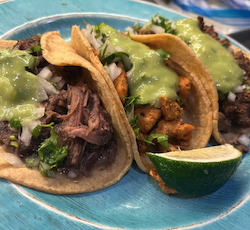
This family-owned food truck has been around since 1995, serving stellar street tacos and quesadillas.
Specializing Asian and Japanese cuisine, their menu features poke bowls, soups, salads, and a large selection of sushi.
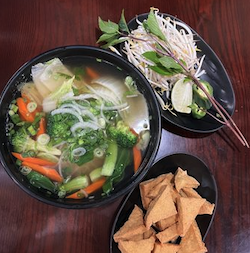
With rave reviews from customers, this Vietnamese restaurant serves pho, soups, noodles, and a healthy variety of sides.
Featuring a modern blend of Indian and Chinese cuisine, this local favorite runs on bold flavors and unique, innovative dishes.
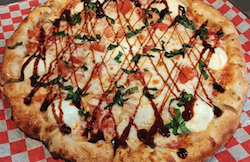
With a blend of traditional cooking methods and unique topping combinations, this pizza spot is a can’t miss. Their menu also features appetizers and calzones, meaning you’ll always leave well-fed.
Voted best gluten-free restaurant in Denver for 2026, this restaurant specializes in health-conscious grain bowls. They have plenty of vegetarian, high-protein menu options that are both delicious and nutritious.
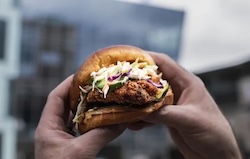
This sub shop focuses on elevating sandwiches with bold flavors and unique combinations. They source all their ingredients locally, so it’s Denver through and through.
With customizable sorbet and gelato on a stick, this food truck has quickly become a local favorite. You can choose your flavor, dip, and syrup for a delicious sweet treat.
Denver has so much food to choose from, but most workplace food programs fail to replicate that variety and authenticity. You won’t find modern twists on cultural classics by working with a legacy food provider. Instead, you’ll get food that could be found anywhere in the country. It’s a missed opportunity to connect employees with something that makes living and working in Denver so worthwhile.
The best way to leverage all Denver has to offer is by partnering with a provider that utilizes local restaurants. When you’re able to bring in high quality authentic meals to the office, employees’ meal choices reflect the food they enjoy in their personal lives. This valuable connection to local culture can dramatically improve employee satisfaction.
When you partner with Fooda for your workplace food program, you get access to our network of 4,500+ restaurant partners. All of Fooda’s programs operate on rotating menus, so employees get new food options every day.
It’s a great way to bring local flavors into the workplace, support Denver owned businesses, and it allows employees to explore all Denver’s food scene has to offer, conveniently located right in the office.
Fooda makes it easy. We handle all of the coordination and logistics for you, so you can get the benefits of great food without the hassle.
When you work with Fooda, you gain access to the following office food programs:
Ready to work with Fooda? Speak to a sales representative today to get started.
Why is green chili so popular in Denver?
Green chili reflects Denver’s Southwestern and Latin American culinary heritage. It features pork as a key ingredient, reflecting Denver’s meat industry. It is used as a condiment, being served over everything from fries to sandwiches to breakfast burritos.
What is the difference between Denver and New Mexico green chili?
New Mexico green chili is made with Hatch peppers and herbs and tends to have a thinner texture. Conversely, Denver green chili is typically made with Pueblo or Anaheim peppers, and features pork as a key ingredient. Its base is thicker, giving it a more stew-like consistency.
How has immigration shaped Denver's food scene?
Denver’s culinary identity was built in distinct stages. As the initial agricultural scene developed, Southwestern Native American crops became prominent. This was followed by Latin American influences introduced due to the city’s influx of Mexican immigrants. In the late 20th century, an influx of Asian immigrants founded new restaurant communities. All of these cultures have intermingled to create Denver’s modern, thriving food scene.
What neighborhoods in Denver are best known for their food scenes?
Several Denver neighborhoods host distinct cultural identities. The River North Art District is known for trendy, chef-driven restaurants. Highland features upscale dining and a variety of Latin American influences. Santa Fe Arts District houses a concentration of Mexican restaurants due to the neighborhood’s deep Latino roots.