Hybrid work has reshaped the role of the office in the corporate landscape. Employees now have more choice about where they work, and many have grown used to the flexibility, autonomy, and convenience that remote work provides. Expectations around the workplace experience have shifted, which means companies need to give people a reason to come in rather than simply expecting them to show up.
That’s why companies are rethinking what the office experience should look like. As workplace routines continue to evolve, managers are looking for new ways to create an engaging environment that supports productivity and employee satisfaction when teams come together in person.
For companies in Los Angeles, workplace food programs can play an especially important role in improving the employee experience. But while workplace food can be a powerful benefit, hybrid work also introduces unique challenges that make traditional food service models harder to manage.
In hybrid workplaces, food can help address several of the challenges that come with bringing employees together in person, including the following.

Because employees in hybrid offices have the ability to work from home, employers need to think more intentionally about how they can make the trip to the office worth it. Workplace food programs can help create a more positive and rewarding in-office experience. They give employees easy, on-site access to high-quality food and offer convenience employees can’t get at home.

One of the biggest advantages of working in person is the ability to build relationships that don't always develop through scheduled meetings and video calls. Shared meals create natural opportunities for employees to connect Whether they're catching up, meeting colleagues from other departments, or continuing conversations that started in a meeting, these informal moments can strengthen workplace relationships, making collaboration and idea sharing flow more smoothly.

Convenience plays a major role in how employees experience a day at the office. Without onsite food options, employees often need to spend time deciding where to eat, coordinating group orders, or leaving the workplace to find lunch. This adds unnecessary stress and takes up time that could better be spent elsewhere. Workplace food programs simplify that process by making meals easily accessible when employees need them. They can also make things easier for employers by reducing the time and effort required to coordinate food for the workplace. The result is a smoother experience for everyone, with less time spent on meal planning and fewer disruptions throughout the workday.
Los Angeles presents a unique challenge for employers. With many employees spending significant time commuting across the city, convenience plays a much larger role in the overall office experience. When lunch requires another trip offsite, it adds more time and friction to an already busy schedule. Having food available at work helps simplify the day and gives employees one less thing to plan around.
At the same time, expectations around food are naturally higher in LA than in many other cities. Employees have access to an incredible range of cuisines, restaurants, and local favorites from tacos and Korean BBQ to sushi, Mediterranean bowls, and Vietnamese pho. Workplace food programs need to be flexible enough to replicate the dining experiences employees already enjoy throughout the city.
For hybrid employers, that means creating an office experience that feels genuinely worthwhile for teams. Employees who come onsite often expect the office to offer something they can't easily replicate at home. Workplace food can support those moments by making it easier for teams to gather, share meals, and enjoy a more engaging day at the office. In a city where both convenience and food quality matter, thoughtful dining options can help make in-office time feel more valuable and rewarding.
The strongest workplace food programs go beyond serving meals and instead support flexibility, consistency, and a better overall employee experience.
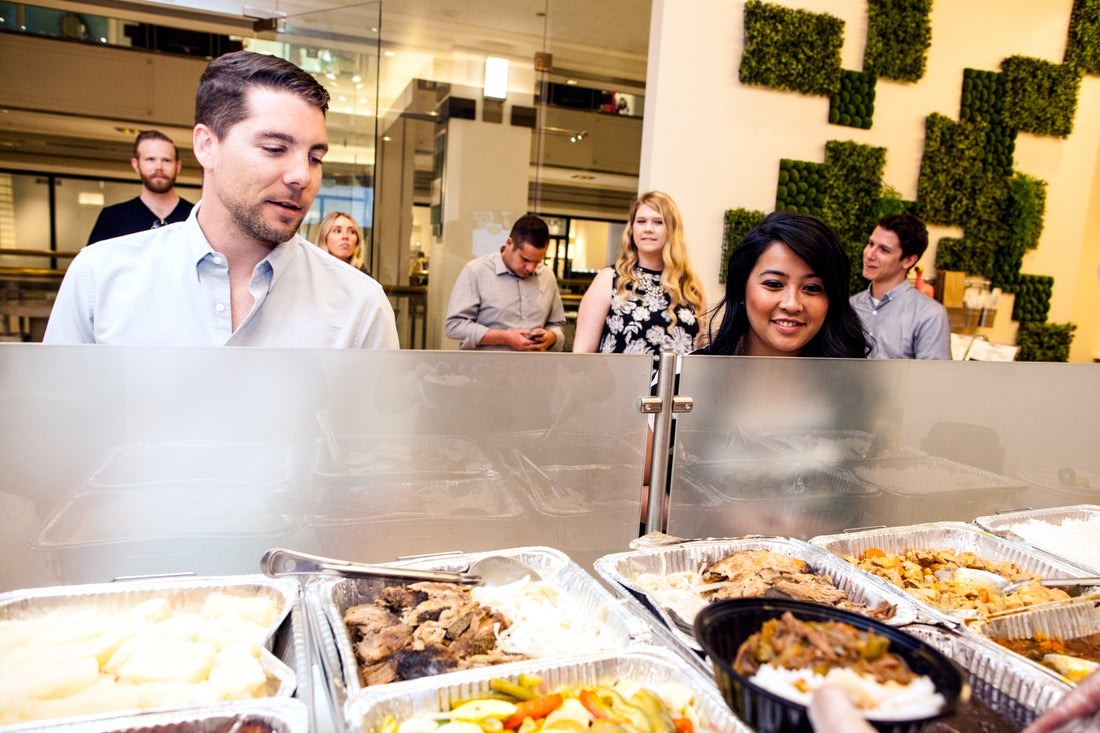
Hybrid workplaces rarely operate on a fixed schedule. Team schedules often shift based on project needs, collaboration requirements, and individual work preferences, making office attendance difficult to anticipate from one day to the next.
This creates a practical problem for administrative teams. Ordering food for 150 employees only to have 100 show up can result in unnecessary waste and overspending. Ordering for 100 and having 150 arrive can leave employees without enough options. Both situations can create operational challenges, leading to wasted budget and frustration.
That's why flexibility should be one of the first things employers consider when choosing a workplace food program.The best programs can adapt to changing attendance patterns without creating unnecessary waste, requiring constant adjustments, or adding extra work. Flexibility makes it easier to provide a consistent experience for employees, regardless of how often they come into the office.
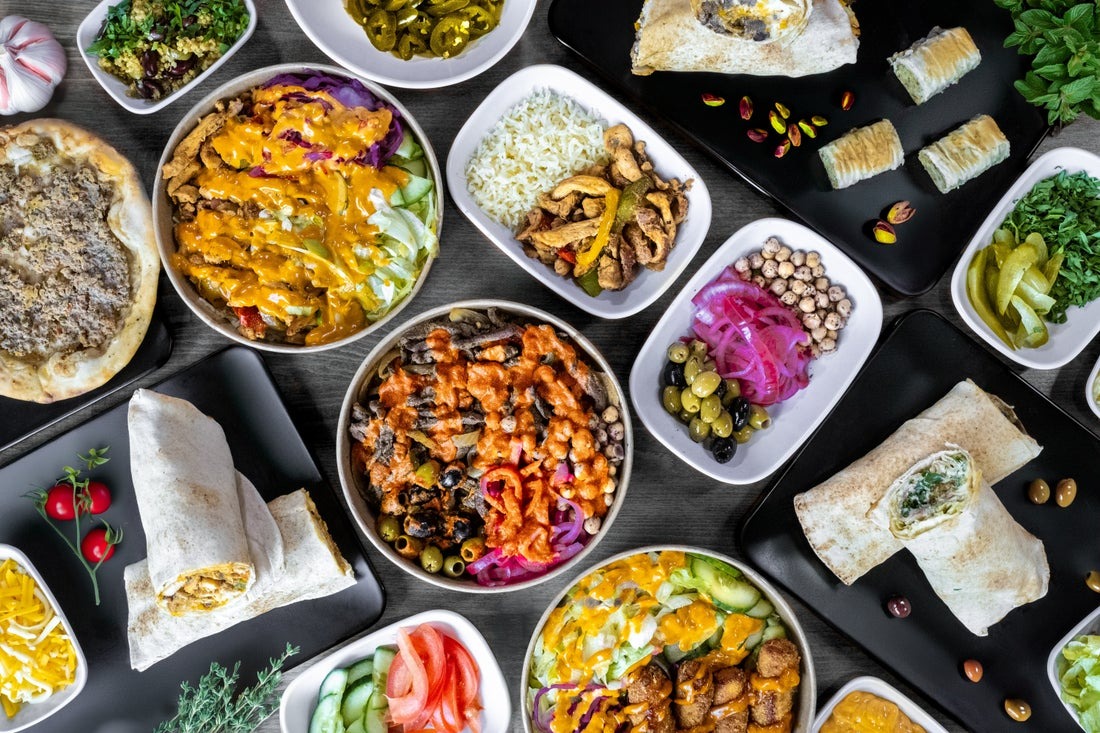
A successful workplace food program should give employees a reason to return to the office. Keeping that experience engaging over time requires appealing, and relevant options that continue to feel worthwhile each time employees come onsite.
In a city like LA, employees are used to having access to a wide range of dining options. The same lunch menu repeated every week can quickly lose its appeal, making employees less inclined to come in person.. Variety helps keep workplace food programs fresh while encouraging participation, that's why more than 80% of workplace and people leaders consider it important in a workplace food program.
It can also help accommodate diverse dietary preferences found in most workplaces today. From vegetarian and vegan meals to gluten-free and high-protein options, employees increasingly expect food programs to provide choices that reflect their individual needs. This effort demonstrates care and appreciation that can draw in new talent and support employee retention.
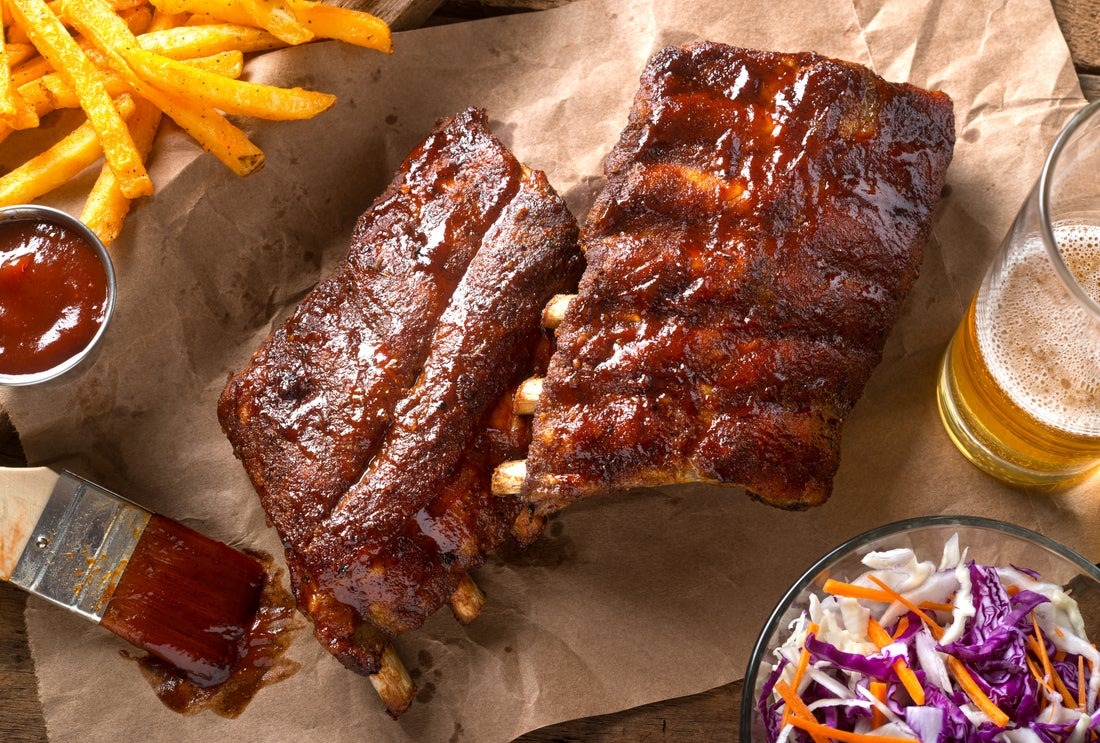
In Los Angeles, employees are used to having access to an incredibly diverse food scene shaped by neighborhood spots, independent restaurants, and regional cuisines. Those expectations don’t disappear once they come into the office.
Workplace food programs that incorporate local restaurant partners help bring that same level of familiarity into the workplace, offering meals that feel closer to what employees already know and enjoy outside of work rather than repetitive or generic options. This reflects a broader expectation across companies today, with 87% of workplace leaders saying local food matters in workplace food programs.
Rotating local restaurants throughout the week also keeps workplace dining fresh while supporting the independent businesses that define LA’s food culture.
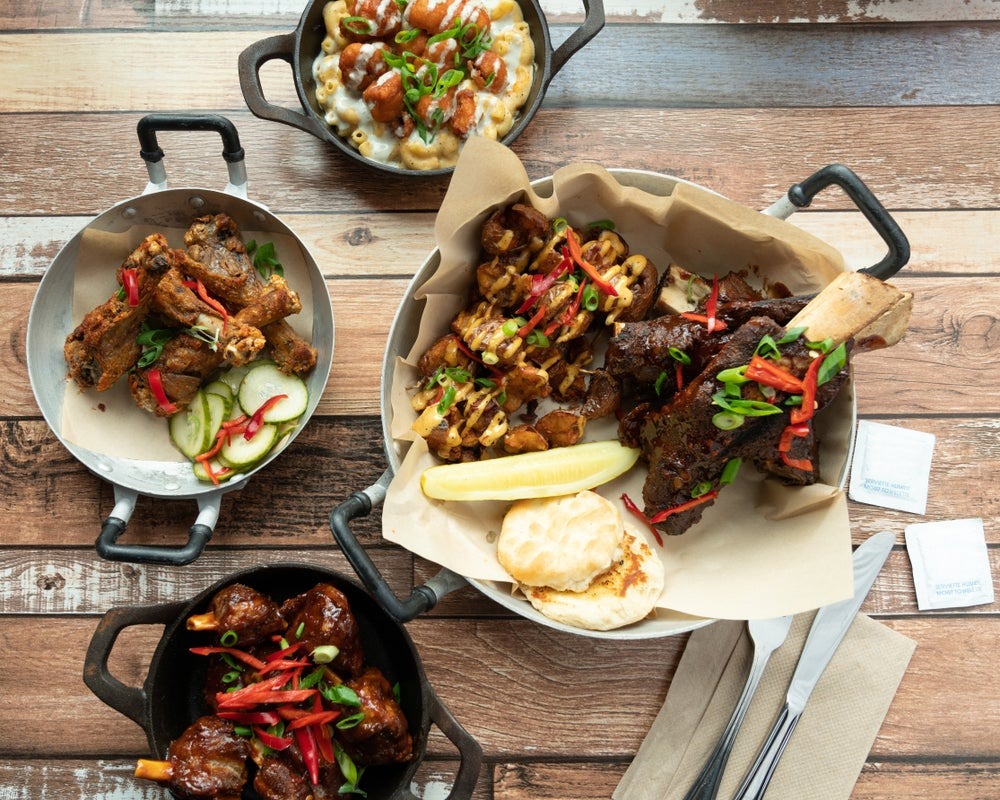
In Los Angeles, workplace meals are often measured against the dining options employees already know and enjoy outside the office. Food doesn't need to be extravagant, but it should be something employees are genuinely excited to eat.
Consistency matters just as much as quality. If employees know they can count on a good meal, they're much more likely to keep coming back. That's what turns workplace food into part of the daily office routine.
When employees trust that they will enjoy what's being served, participation tends to follow naturally. Over time, that consistency helps transform workplace food from an occasional perk into something employees actively look forward to on office days.

Managing a workplace food program shouldn't require constant oversight. Coordinating vendors, tracking orders, handling last-minute changes, and communicating with employees can quickly become time-consuming as workplace needs change and attendance patterns shift.
The most effective workplace food programs fit naturally into existing operations rather than adding another layer of complexity. When ordering, coordination, and day-to-day logistics are handled efficiently, it becomes easier to provide a consistent food experience without creating additional administrative work.
Finding the right workplace food program for a hybrid office isn't about choosing a single solution. Different teams may follow different schedules, and employee expectations are rising. That's why many Los Angeles companies are moving away from rigid, impersonal food programs and adopting more flexible workplace dining options.
By leveraging our network of 4500+ local restaurants and offering multiple workplace dining solutions, Fooda allows companies to build a program that fits their unique workplace needs rather than forcing employees into a single dining model.
Office Lunch Delivery: For hybrid offices with fluctuating attendance, Fooda's Office Lunch Delivery offers a flexible alternative to traditional catering. Employees place individual orders from a rotating selection of local restaurants, and all meals arrive together in a single delivery. The program works particularly well on lighter attendance days when predicting demand can be difficult, since employers only pay for meals that are actually ordered.
Corporate Dining Popups: On peak office days, Fooda's Corporate Dining Popups program creates a completely different experience. A rotating lineup of local restaurants comes directly to the workplace to prepare and serve meals onsite, giving employees access to fresh food and new restaurant options throughout the week. On-site Popups give employees a reason to gather without leaving the office.
Corporate Event Catering: Some days, workplace food needs go beyond everyday lunches. From all-hands meetings and team celebrations to client events and executive lunches, Fooda's Corporate Event Catering makes it easy to provide high-quality meals for specific occasions. Companies can choose from a wide network of local restaurant partners while relying on Fooda to coordinate ordering, logistics, and delivery.
Orange by Fooda: For companies with larger onsite teams, Orange by Fooda provides a more permanent food offering while still maintaining the flexibility modern workplaces need. Unlike traditional cafeterias with static menus, Fooda cafés feature local restaurant partners and rotating menu options to keep the experience fresh and relevant for employees. They can also adapt to changing workplace patterns, making them a strong fit for companies navigating hybrid work.
Mix and Match: Hybrid workplaces often need different food solutions at different times. By combining multiple services under one program, Fooda helps companies create a workplace dining experience that remains flexible as employee schedules change while reducing the administrative burden.
Whether you're looking to make office days more convenient, simplify lunch planning, or create a food program that adapts to hybrid work, contact Fooda today to learn how a customized workplace food program can support your Los Angeles office.
.jpg)
How often should hybrid offices offer workplace food?
The right frequency depends on attendance patterns, employee preferences, and company goals. Some hybrid offices offer food only on peak attendance days, while others provide multiple options throughout the week. The most successful programs typically align food offerings with the days employees are most likely to be onsite.
Can workplace food programs work for offices with unpredictable attendance?
Yes. Flexible workplace food programs are specifically designed to accommodate changing attendance levels. Solutions that allow companies to adjust meal volumes or offer different dining formats throughout the week can help reduce waste while still providing a consistent employee experience.
What's the difference between workplace dining and traditional catering?
Traditional catering is often designed for one-time events or meetings, while workplace dining programs are built to support employees on an ongoing basis. Workplace dining solutions typically focus on convenience, variety, and recurring engagement rather than occasional meal service.
How can workplace food help improve office attendance?
Workplace food programs can make office days more convenient and enjoyable. Providing quality meals removes one of the daily planning decisions employees face and can give them another reason to look forward to being onsite.
What type of workplace food program is best for a hybrid office?
There isn't a one-size-fits-all solution. Many hybrid organizations benefit from combining different food options based on attendance levels and employee needs. For example, offices may use individual meal delivery on lighter attendance days, onsite dining experiences during peak office days, and catering for meetings and special events.