Mergers fail all the time, and not always because businesses can’t come to an agreement. Sure, you may get everything right on the business side: financials are sorted, legal items are checked, regulatory compliance is obtained, and approvals are secured.
On the people side, you have your work cut out for you, as you try to get two entirely different workforces to function as one. Clashes, disconnects, misunderstandings, and cultural differences emerge as the integration process begins, leading to attrition and general discontentment.
In fact, integration is where most mergers and acquisitions fail. Bain & Company found that 83% of M&A practitioners who experienced a failed deal cite problems in integration as the main reason.
In this post, we share a post-merger integration playbook to seamlessly join forces between two companies.
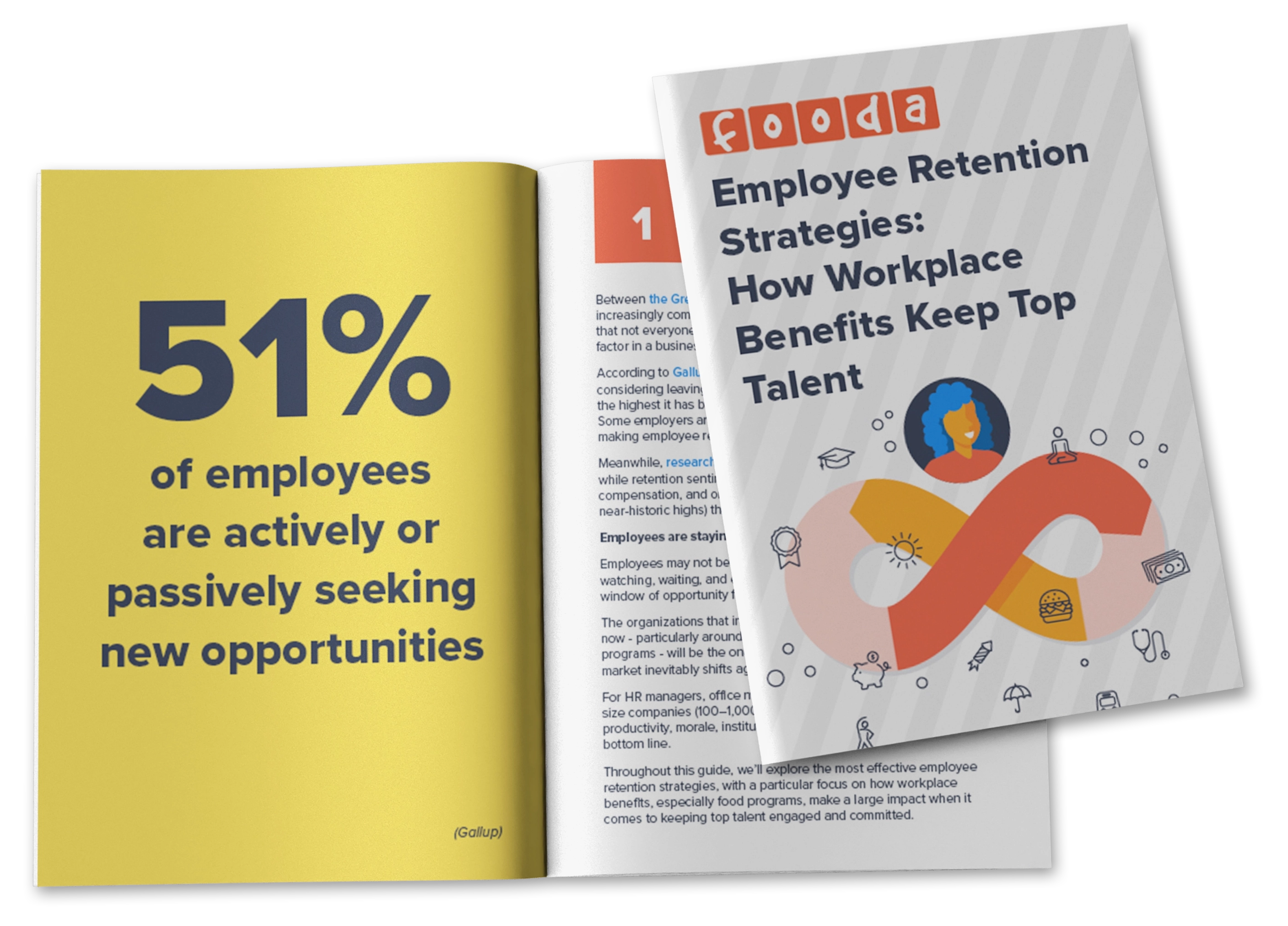
Download our post-merger integration checklist to get started now:
Phase-by-Phase Post-Merger Integration Checklist
Organizing your integration process into phases will help you tackle it in a way that makes sense. Here’s a post-merger integration checklist to guide you through each phase.
Phase 1: Pre-Close Preparation
A smooth integration starts with good planning, and it begins long before Day 1. Phase 1 is when you conduct due diligence and decide on governance structure and integration models.
Integration Management Office
Set up your governance structure with a formal framework for rules, roles, and processes.
Assign an Integration Lead and create a RACI (responsible, accountable, consulted, and informed) matrix.
Design a high-level integration roadmap outlining the timeline for different processes.
Create your integration workstreams.
Plan out Day 1 logistics and list must-do activities.
Legal
Assess existing legal organizational structures and put together an interim legal structure.
Understand the immediate impact on existing customer contracts and master service agreements (MSAs).
Review key vendor contracts to understand break clauses and applicable fines or penalties.
Finalize regulatory compliance and approvals.
Finance
Put together your final closing statements.
Organize and exchange required funds.
Decide on interim billing and collection structures.
People and Workplace Experience
Gather all employee data, including names, roles, and compensation bands.
Assess existing payroll approach and plan for an interim approach.
Identify critical talent flight risks to fast-track reassurance discussions and retention packages.
Tech and IT
Inventory systems and account for all the tools and software used across functions along with their contract status: CRM, payroll, ERP/accounting, file storage, communications, HR, compliance/safety, etc.
Plan for continued access to existing systems and software to avoid interruptions.
Arrange to have continued support for existing tech stacks.
Evaluate potential risks for security breaches.
Plan for systems and tools that allow employees to collaborate and communicate with minimal friction.
Phase 2: Days 1-30 (Stabilization)
The first day of integration sets the stage for the future of your merger. And the initial month is when you maintain continuity and stabilize operations across teams. This is the time for both workforces to get to know each other and build trust, as you gear up for a gradual transformation.
Integration Management Office
Oversee Day 1 execution and take note of any issues.
Organize discovery sessions across workstreams.
Monitor integration progress.
Document integration benefits.
Legal
Ensure all contractual obligations are met.
Introduce and implement applicable legal changes (updated policies, new contract templates, etc.)
Provide necessary assistance for legal-related issues or concerns.
Finance
Complete the exchange of funds.
Get access to bank accounts and financial systems.
Maintain cash cycle continuity, ensuring that billing, accounts receivable, and accounts payable are uninterrupted.
Look into financial forecasts and budgets for the upcoming quarter.
People and Workplace Experience
Start Day 1 with meetings that involve key employees.
Acquire access to staff data and relevant HR systems (payroll, HRIS, HCM, etc.)
If applicable, get employees to sign updated contracts.
Set up support programs to align new staff to the culture and work environment.
Put together an interim organizational design and a target state design.
Identify top and bottom performers across the organization.
Track changes in vital people metrics to measure integration impact (satisfaction, attrition, etc.)
Vendor Management and Procurement
Review existing supply contracts and identify relevant vendors across the organization.
Identify opportunities for cost savings and vendor consolidation (e.g., using one food service company instead of two, merging contracts with the same delivery partner, etc.)
Handle vendor re-negotiations and contract renewals.
Set up procurement frameworks and ensure alignment across the organization.
Tech and IT
Transition essential access data across systems.
Ensure onboarded staff have access to all the necessary tools and systems.
Ensure continued access to current systems and software to minimize disruption.
Implement the first wave of technology changes for various functions (training staff on new systems and software, switching over emails, etc.)
Download our post-merger integration checklist to get started now:
Phase 3: Days 31-90 (Core Execution)
By the end of the first month post-integration, things have started to stabilize. Now comes the phase where you harmonize your processes and execute across every workstream.
Integration Management Office
Oversee the implementation of interim states across workstreams.
Put together alignment workshops to ensure that every workstream is aligned on priorities and timelines.
Monitor the progress of implementation and report on the synergies achieved.
Legal
Identify any conflicts in contractual terms and resolve them.
Ensure personnel are properly briefed on and operating under relevant policies and regulatory compliance frameworks.
Consolidate insurance coverage.
Finance
Consolidate your finances and budgets as needed.
Evaluate existing systems and decide on the financial system to use in the integrated target state.
Coordinate with IMO teams on tracking synergies and financial metrics related to integration.
Measure initial cost-saving targets against the synergy register.
People and Workplace Experience
Plan for upcoming staff movements and attrition as the organization shifts from interim state to target state.
Manage the first wave of staff turnover.
Evaluate and decide on the HRIS system to use in the integrated target state.
Define updates in your target processes related to recruitment, onboarding, staff management, and learning and development.
Assess cultural integration and identify conflict areas.
Review the current workplace experience and address issues affecting daily experiences.
Tech and IT
Evaluate and compare applications and systems to identify target states for various workstreams.
Plan for legacy tech retirement or migration.
Consolidate data centers while preventing the risk of data loss during migration.
Deploy standardized security frameworks across the integrated organization.
Identify technology gaps and perform necessary upgrades and fixes.
Phase 4: Days 90-100 (Optimization)
After the end of the first 90 days, every workstream needs to focus on optimizing processes to achieve the integrated target state. At this point, the organization goes through a significant overhaul, as systems are merged, and cultures become fully embedded.
Integration Management Office
Oversee the implementation of target states across workstreams.
Monitor the progress of implementation and report on the synergies achieved.
As each area completes its integration efforts, close off the dedicated workstream.
Legal
Complete the transfer of contracts and IP.
Eliminate redundancies through legal entity rationalization.
Implement new legal policies and procedures for the integrated target state.
Finance
Roll out the chosen financial system and consolidate acquired organizations into the system.
Create reports based on your transition synergy tracking.
Prepare your closing financials.
People and Workplace Experience
Coordinate with workstreams and manage attrition resulting from implementing your target state.
Roll out your chosen HRIS system and consolidate acquired organizations into the system.
Implement updated benefits that align with the needs and values of your integrated workforce.
Implement changes and improvements to streamline daily workplace experience.
Unify company values and introduce long-term engagement programs for better culture embedding.
Tech and IT
Execute major data migrations and full ERP or collaboration tool unification.
Fully migrate to target applications and infrastructure state.
Shut down unnecessary data centers and sunset legacy applications.
Complete the transition to target state support desk services.
Post-Merger Integration Best Practices to Drive Success
Even when you do everything right, most mergers and acquisitions still face the risk of failure. McKinsey reports that the rate of M&A failure stands at 70-90%.
That’s what happens when companies fail to integrate at the cultural level. You’ll retain top-performing staff, align benefits, and even update compensation packages to better reflect the value they bring to your integrated organization.
But if workforces aren’t culturally aligned, integration becomes a challenge because people are struggling to work together and adapt to a work environment that feels alien.
On the other hand, planning for effective cultural integration will improve your chances of success. McKinsey’s research found that companies that manage culture effectively in their integration planning improve their chances of meeting (or exceeding) synergy targets by 50%.
With that said, let’s look at some post-merger integration best practices that will help you build a thriving culture in your integrated organization.
Treat Workplace Experience as an Integration Workstream
The daily workplace experience of employees goes through a massive overhaul during the integration process. Meeting new people, navigating new office spaces, adapting to new seating arrangements, and getting acquainted with new tools and communication channels. Regardless of what’s changing, everything’s different for your integrated workforce.
So it only makes sense for workplace experience to be a dedicated integration workstream. The core focus areas will be:
Physical environment: Unifying office footprints, seating policies, and collaborative amenities across locations.
Tools and technology: Harmonizing communication channels, intranets, and employee apps to reduce context switching.
Change enablement: Managing feedback loops, pulse surveys, and leadership transparency to maintain workforce trust.
Cultural blending: Aligning perks, wellness offerings, and team rituals to form a cohesive post-deal identity.
For example, creating spaces where your integrated workforce can share a meal can give them an opportunity to bond. Encouraging them to take breaks and eat together will further foster community.
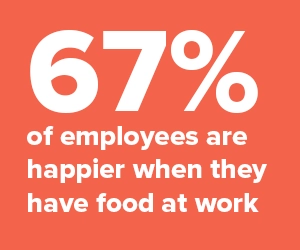
In fact, in Fooda’s 2026 Workplace Lunch Report, 83% of leaders vouch for the impact of food on workplace culture. So you could create food rituals to build culture and boost engagement. Think: institutional coffee breaks, weekly collective breakfasts, themed lunch days, and casual Friday wrap-ups.
Create Concrete Plans for Effective Cultural Integration
Most attempts at culture integration fail because it gets assigned as a values exercise rather than a set of concrete, budgeted, and ownable actions. Building a solid framework for integrating cultures will help you carry it out more effectively.
Here are the key post-merger integration best practices to build into your cultural integration plan:
Run diagnostics: Deploy employee surveys and focus groups to map decision-making styles, meeting cadences, and core values of both organizations.
Identify friction points: Pinpoint where contrasting practices (such as top-down hierarchy vs. agile autonomy) could get in the way of business goals.
Define the compass: Tie culture directly to deal value drivers, establishing the specific behaviors that the new entity needs to succeed.
Form an integration team: Appoint dedicated change leaders and cultural ambassadors from both legacy organizations to manage the transition.
Co-create operating norms: Define clear protocols for daily workflows, documentation, and cross-team collaboration.
Integrate incentives: Revise performance reviews, recognition programs, and compensation metrics to reward collaborative, cross-company behaviors.
Conduct joint training: Implement cross-cultural leadership workshops and team-building milestones.
Track leading indicators: Monitor metrics like cross-team meeting engagement, reduction in communication escalations, and key talent retention.
Adjust support: Allocate targeted coaching or extended intervention timelines to struggling departments.
Celebrate wins: Highlight early cross-cultural milestones and collaborative success stories in company-wide updates.
How to Add Food to Each Phase of Your Integration with Fooda
Fooda offers a wide range of flexible and customizable workplace food solutions, so you can align meals with key phases of your integration.
Pre-Deal and Day 1 Announcement Phase
Welcome Coffees and Breakfasts: Day 1 is for softening anxiety and creating a welcoming environment for the acquired team. Delight them with breakfast spreads from Fooda’s Corporate Event Catering menu. Or host low-key morning coffee chats with barista-quality coffee and snacks from Fooda Pantry.
Leadership Q&A Lunches: Fooda lets you provide catered boxed lunches during initial town halls. This gives employees the chance to informally mingle with leadership after the formal presentation.
Cultural and Operational Integration Phase
Cross-Company Lunch Mixers: Organize randomized or department-blended lunch tables to break down silos and encourage staff from both legacy companies to talk. Fooda’s diverse catering menu includes buffet-style and family-style options that naturally support mealtime bonding. Cafeteria replacements like Orange by Fooda also simplify the logistics and encourage your team to eat together.
Cuisine from Both Cultures: Bring in Popup Restaurants featuring signature menu items or local culinary nods representing both legacy organizations to honor and respect each other's origins.
Dietary-Inclusive Menus: Ensure food selections clearly label allergens, vegetarian/vegan options, and cultural preferences to make every single incoming employee feel considered. Fooda’s Office Lunch Delivery service streamlines the process by letting employees pick their own meals.
Customized Subsidies and Meal Benefits: Food should also be baked into your long-term integration initiatives, with meal benefits and subsidies designed to improve the daily workplace experience.
Fooda lets you customize meal subsidies at the team and individual level, so you can tailor benefits to fit the unique needs of your integrated workforce. Products like Fooda Card also offer flexible meal benefits that will cover the cost of meals as employees adjust to a new work environment or location.
Post-Merger Stabilization Phase
Recurring Milestone Celebrations: Get special catered meals from Fooda’s expansive selection of catering menus to host milestone lunch celebrations (e.g., hitting 90 days post-merger). These events are great for rewarding collective effort and building team unity.
Feedback-Driven Adjustments: Send brief pulse surveys or ask team leaders what food styles or snack setups employees prefer, adjusting vendor contracts accordingly. Fooda’s tech automatically collects order data to track demand patterns, while built-in feedback features let employees submit ratings on specific foods and restaurants.
Ready for food to elevate your post-merger integration efforts? Talk to Fooda today.
Download our post-merger integration checklist to get started now: