Boston has an impressive talent market. As a hub for technology, finance, healthcare, and more, the city has plenty of opportunities for top prospects, which means it’s becoming increasingly difficult to keep employees. To stay ahead, companies are now looking beyond standard benefits. They’re discovering that food could be the competitive retention tool they’ve been looking for.
From intentionally stocked snack bars to modern cafeterias, Boston companies are beginning to use food in the office to its full potential. With companies increasing in-office attendance, there’s never been a better time to invest in a workplace food program. The companies that have implemented these programs aren’t just seeing improved productivity. They’re also sending a message to current and prospective employees that their workplace experience matters.
It doesn't hurt that Boston's food scene gives employers a lot to work with. The city’s culinary diversity makes it easy to bring something exciting, local, and meaningful into the office every single day.
See how Boston businesses are using food, both strategically and creatively, to build loyalty, strengthen culture, and keep their best people from walking out the door.
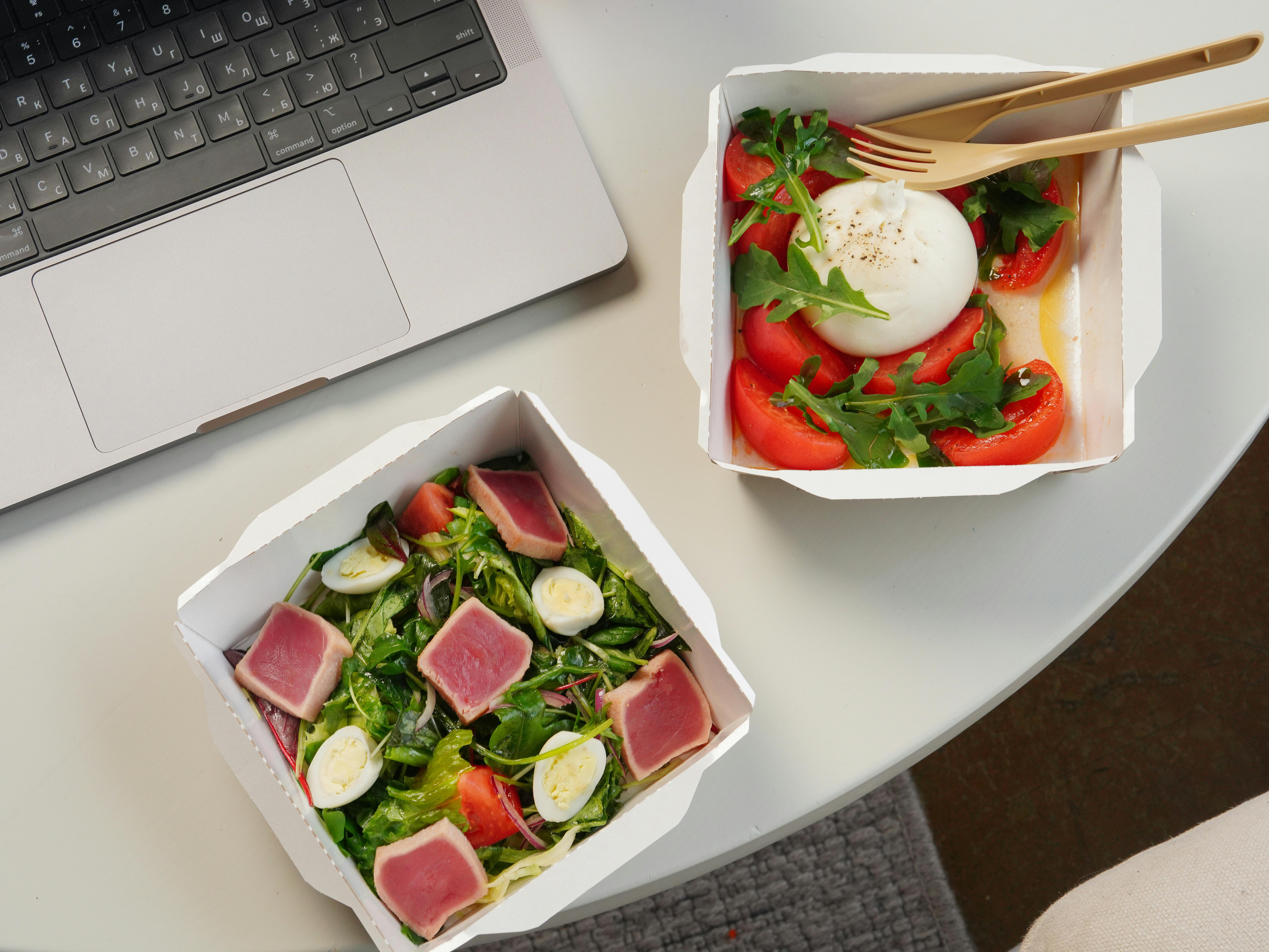
Food in the workplace may seem like something that doesn’t carry much weight, but it does more than you think.
Sharing a meal can be a fun way to take a break during the workday, but it also feeds into something much greater. It helps to build a community that employees won’t want to give up.
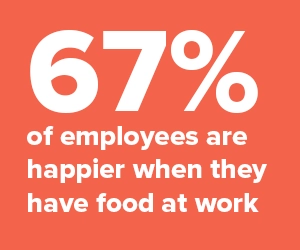
When employees share a meal together, they’re refueling, but they’re also building relationships, lowering social barriers, and developing a sense of trust that can make your team function more smoothly. Employees who feel a sense of community at work are more engaged, more productive, and significantly less likely to leave.
When you give employees a reason to gather (like a delicious, locally sourced meal), you foster a space where meaningful moments of connection can happen organically. A shared lunch table becomes a place where relationships form between employees from all departments.New ideas surface, and company culture gets reinforced in real time.
While it may seem counterintuitive to spend more money on food perks, the ROI of a successful workplace food program speaks for itself.
For a workplace food program to be successful, you have to invest in it. However, the money spent on the program can be well worth it when compared to the cost of replacing an employee.
The cost of replacing one employee can range anywhere from 50% to 200% of their annual salary, depending on their experience level. For example, if you’re trying to replace a mid-level employee making $80,000 a year, it can cost anywhere from $40,000 to $160,000 between new employee onboarding, recruitment, and lost productivity. In comparison, a decent food program (including lunch and snacks) can run from $3 a day to $25 a day per employee. This means for a 100-person company, a workplace food program would cost $100,000 to $150,000 annually. That’s a fraction of what it costs to lose even just one mid-level employee. If the food program helps keep even just two or three employees at your company.
To make sure that your food perks are paying off, you can measure the impact it’s having on employees. Some workplace food programs can even help you track participation rates and other data.
Engagement Surveys: Sending out regular engagement surveys is one of the most direct ways to gauge how your food program is landing. Are employees happy with the options? Are they using it regularly? By sending out engagement surveys, you’re not only getting valuable feedback from your employees, but you’re also showing them that their opinion matters, which itself contributes to a sense of belonging and satisfaction. The feedback you get from these surveys can be used to improve your food program and provide refreshing drinks, filling meals, and healthy snacks your employees will enjoy.
Participation Data: Many corporate food program providers offer platforms that track usage and participation rates. This data can tell you which days see the most traffic, which menu options are most popular, and where your program can adjust and improve. Keep an eye out for low participation at the start, as this could reflect low overall employee engagement and result in retention issues down the line.
Retention Rates: In order to see the measurable impact that your food program is having on your business, it’s important to keep track of your retention rates before and after launching or upgrading a food program. While food is rarely the only variable at play, a meaningful uptick in retention, especially among employees who regularly engage with the program, is a strong signal that the investment is working.
In Boston, employers are finding ways to make their food perks impactful. Across industries, companies in the city are getting creative and intentional about how they use food to build culture and retain talent.
Free & Subsidized Meals: Some larger companies in Boston offer on-site cafeterias and daily catered meals as part of their benefits package. For companies battling for the top spots in competitive fields, this is more of a standard than a perk.
In comparison to a fully in-person office, feeding a hybrid team in Boston can feel like a challenge. For hybrid or remote workforces, subsidies and lunch delivery have become more feasible options when working with a smaller team or budget. Instead of implementing a cafeteria that requires expansive infrastructure, companies are giving their employees a daily or monthly food allowance they can use on their own terms, which is a flexible approach that resonates especially well with younger workers.

Specialty & Dietary Inclusion: While inclusive meals used to be nice to have, they are now a necessity. This is especially true in a market as competitive and diverse as Boston’s. The city has an array of talent, and employees with dietary restrictions notice when food programs are made with (or without) them in mind, leaving them ready to take their talent elsewhere. Boston companies are increasingly offering inclusive options, sending the message that everyone belongs there. Those that don’t aren’t just falling behind, they’re also showing that the employee experience isn’t a top priority, which can send a negative message to current and prospective employees alike.
Luckily, Boston’s impressive culinary scene has plenty of delicious food to offer that accommodates many different dietary restrictions. Some of Boston’s best restaurants are vegan, vegetarian, and gluten-friendly, giving companies plenty of options for food that will make employees feel seen and appreciated.
Working with Local Restaurants and Small Businesses: Companies in Boston recognize the importance of supporting small and local businesses. By working with them, large companies in Boston are able to support their community and invest in what matters to their employees. Supporting local restaurants and small businesses allows you to bring in food employees enjoy outside of work and gives them something to look forward to when they come into the office. This is giving companies a competitive edge that makes their office feel more local and less generic. Doing this also shows the importance of these companies and their impact on the local economy. Because of Boston’s strong culinary culture, this is something that resonates with employees and the broader community.
If you're an HR leader or office manager thinking about launching or improving a workplace food program, here's where to start.
Start with Employee Input: Before you invest in a food program, it’s important to ask your employees what they want. A quick survey or an open Slack channel for food feedback can tell you a lot. Employees who feel included in the decision-making process are more likely to engage with the program once it launches.
Work with a Local Corporate Catering or Food-Tech Partner: You don't have to build a food program from scratch. Boston has a growing ecosystem of corporate catering companies and food-tech platforms that can handle sourcing, logistics, and delivery, allowing you to focus on the culture-building side. Look for partners who have existing relationships with local vendors and can offer flexible formats that adapt to hybrid schedules.
Evolve the Program Regularly: While a new program can feel exciting at its launch, it can quickly fade into the background within a year if it isn’t maintained. To prevent this from happening, you can rotate menus seasonally, introduce new vendors, solicit ongoing feedback, and be willing to experiment. Employees notice when a program stays fresh (or doesn’t).
Food is a low-cost, high-impact retention lever, and in Boston’s competitive talent landscape, it's an opportunity that not enough employers are taking advantage of.
Fooda helps companies across Boston build food programs that their employees will not only use, but truly enjoy. Fooda makes it easy to turn food into a productive retention tool, and with our flexible solutions, we can help you plan a workplace food program that fits your office needs perfectly.
Popup Service: Fooda Popups bring local restaurants right into the office, so employees can enjoy a delicious lunch without having to spend valuable time going and picking it up. Local restaurants cook the food off-site, then set up in the office and serve fresh meals directly to employees. The restaurants rotate so employees never get bored of the food. This also takes away the stress from lunch time and gives employees much needed time to reset and recharge, while also encouraging cross-team collaboration and community building within the office.
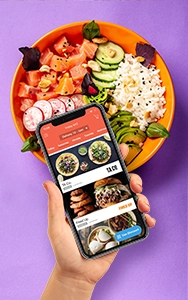
Office Lunch Delivery: With Fooda's Office Lunch Delivery, employees place their own individual orders from a rotating selection of local restaurants each day. Employees can even mix and match across restaurants without any extra cost, meaning employees always get exactly what they want. All orders arrive together in a single delivery, and employers can also subsidize meals at any dollar amount they choose, giving employees an added incentive to stay in rather than head out. Because the model is consumption-based, there's no food waste and no guesswork about how many people will be in the office on a given day.
Corporate Catering Service: Fooda's Corporate Catering service takes the stress out of feeding people at workplace events. From board meetings and client lunches to holiday parties and team celebrations, Fooda’s Corporate Catering covers it all. Whether you need traditional drop-off catering or individually packaged boxed lunches, Fooda's network of highly-rated local restaurants and chefs offers options across every cuisine, dietary need, and budget. Every order is managed by a dedicated Fooda account manager who handles the details from ordering and scheduling through delivery, so your events always go off without a hitch.
Pantry Service: Fooda’s Pantry Service keeps your office stocked with everything employees reach for throughout the day, from coffee and grab-and-go meals to fresh fruit, cold beverages, snacks, and more. Every program is managed by a dedicated team that uses real-time consumption data to keep shelves stocked and employees happy. It's a seamless, low-maintenance way to make sure employees always have something good within reach, without anyone on your team having to manage the logistics.
Cafeteria Service: Orange by Fooda is a dining solution that’s designed for companies that want to transform an existing cafeteria or on-site dining space into something more modern. Different from traditional cafeteria models, Orange brings in a rotating lineup of top local restaurants and chefs, creating a workplace dining experience that feels fresh, authentic, and never boring. Embedded resident restaurants anchor the daily menu, while rotating visiting restaurants keep things exciting.
Interested in bringing the best of Boston’s food scene into your office to increase employee retention? Reach out today to learn which Fooda service is the best solution for your team!
Hybrid teams benefit most from flexible formats. Things like meal stipends, delivery app credits, or pop-up catering events on core in-office days work great for hybrid teams. The goal is to give remote employees equitable access to food benefits while creating a compelling reason for hybrid employees to come into the office on shared days.
Costs vary widely depending on the format. A stocked snack pantry might run $3–$8 per employee per day, while a catered lunch program typically costs $15–$25 per person per meal. For a 100-person office, an annual food program budget might range from $75,000 to over $500,000 depending on scope and frequency.
Yes, Boston is a particularly good market for this. Many local vendors and catering companies prioritize sustainable sourcing, compostable packaging, and low-waste operations. If sustainability is part of your company's values, look for food partners who can provide transparency into their supply chains and environmental practices. It's a natural extension of a values-driven food program, and employees increasingly notice and appreciate it.