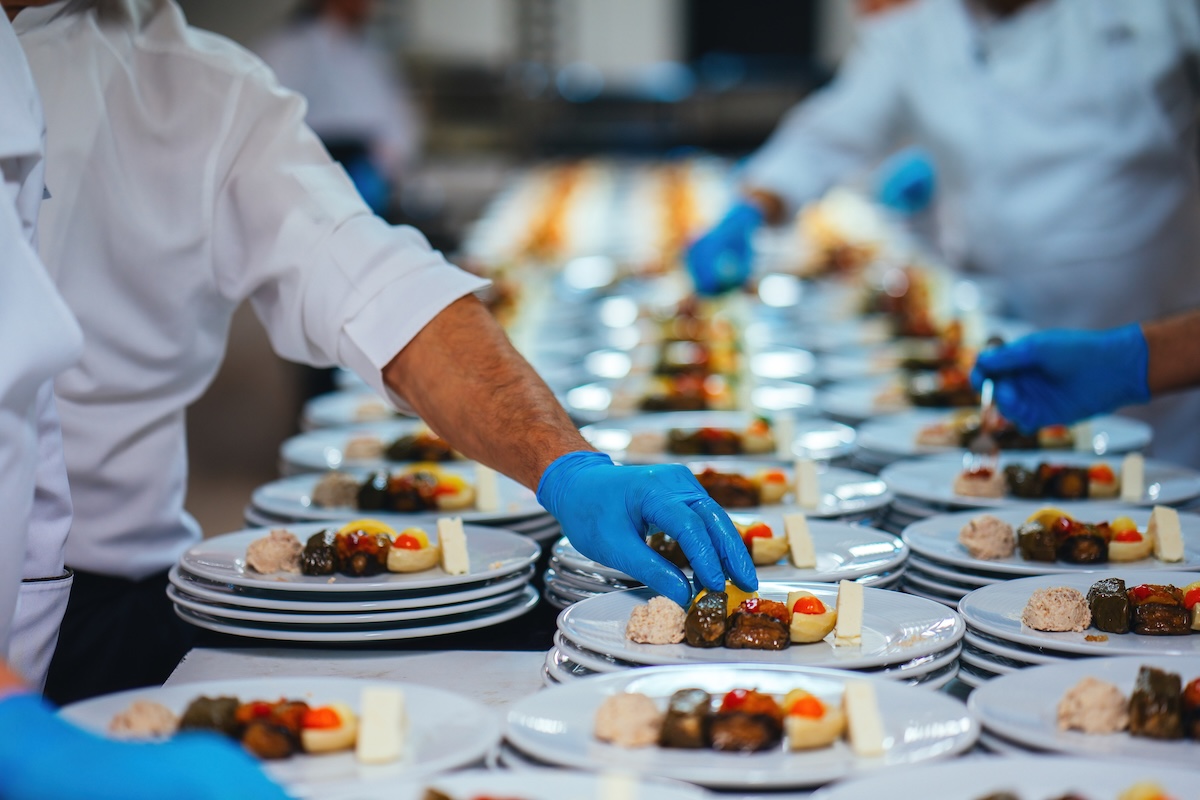
Tight clinical schedules, staggered breaks, and hurried meals are a common scene at medical centers. Staff don't always get to eat what or when they want, because they work around inconsistent patient hours and unexpected emergencies that make any fixed mealtime unrealistic.
Between managing duty rosters, mediating conflicts, fielding patient complaints, and overseeing medical billing, medical practice managers already have their hands full before coordinating employee meals is added to the daily list.
That combination makes lunch hard to plan around: it creates decision fatigue for individual staff and piles pressure on whoever organizes the food. As you look for ways to streamline lunch catering for your medical center, this guide will help you narrow down your options.
Employees at medical centers rarely get to eat their meals regularly or enjoy a sit-down lunch, let alone eat together. Over 50% of nurses in the U.S. are at risk of a poor diet, and 54% have irregular meal patterns, largely because their schedules leave no reliable window to stop and eat.
So why don't more medical centers provide food for their employees? For medical practice managers, the challenge lies less in sourcing the food and more in managing the logistics around it. Those logistics come down to four recurring challenges:

Now that we've pinpointed the challenges of meal catering for medical centers, here are five practical ways to keep your staff fed and satisfied, whatever their shift or availability.
Setting up recurring daily lunches automates most of the work for you. Look into hospital catering services that partner with local restaurants for variety and scale easily with fluctuating demand. Have staff place their own orders within a set daily cutoff, so you avoid tracking hundreds of individual requests.
Because employees order only what they intend to eat, your volume scales precisely to demand and you cut the food waste that comes from guessing. Orders arrive together so teams can eat on time, and individual boxes are easy to store for anyone still with a patient, which means no one loses their meal to an unexpected emergency.
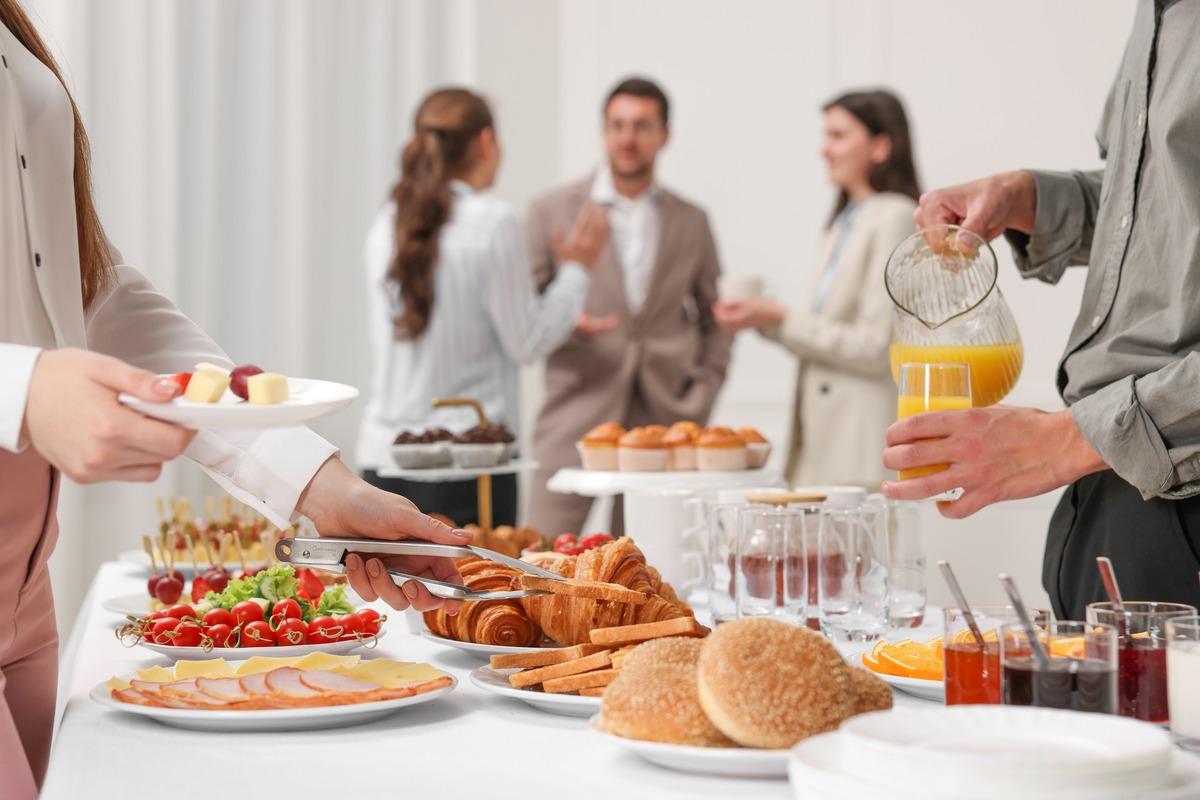
After an all-nighter, few things land better with staff than a warm breakfast and hot coffee (a nap aside). Breakfast catering for medical centers makes healthy meals more accessible for teams coming off a night shift and those starting the morning, which helps them stay focused through the first stretch of the day.
Work with a catering provider to set up breakfast spreads with freshly baked pastries, fresh fruit, toast, pancakes, and made-to-order eggs. Hot drip coffee, fresh orange juice, green smoothies, and a selection of teas can replace stale breakroom coffee and give staff a reason to start the shift fueled.
Sandwiches are an easy, low-mess way to feed staff and guests through long meetings and lunch-and-learn sessions. They're quick to eat mid-session without pausing the agenda.
Order sandwich catering for medical centers to feed attendees during meetings and skip the long mid-session breaks that create delays. Every minute saved supports uninterrupted patient care, since doctors get back to appointments faster and patients spend less time waiting.
Even with tight schedules, healthcare workers still crave the restaurant experience, but limited breaks keep them from leaving the building, so they often settle for frozen foods or microwaved meals that leave a lot to be desired.
Popup restaurants bring that experience on-site, so employees enjoy freshly prepared food without leaving the building. It stays convenient and easy to grab, only now it's fresh and satisfying, which does more for morale than another reheated lunch.
Unlike standard catering and deliveries, popups don't require preordering, making them a flexible fit for medical teams with unpredictable schedules. They also give you an alternative to hospital cafeterias without a permanent footprint: local restaurants set up for a couple of hours, serve lunch, then clean up so you can repurpose the space, such as a visitor's lounge. Rotating between restaurants keeps the menu varied, so staff always have something new to look forward to.
Night shift nurses need healthy snacks to beat late-night hunger and stay alert, and clinical staff need a quick pick-me-up between appointments. That's why medical centers benefit from meal options available 24/7, for the hours when catering and popups can't run.
Smart vending machines and micromarkets with self-checkout kiosks let you create an office pantry that practically runs itself, so you offer round-the-clock options without extra staff to manage them. Employees can grab fresh fruit or yogurt cups at any hour instead of falling back on candy and sugary sodas, which supports steadier energy and focus on long shifts.

Fooda offers a wide range of workplace food solutions so you can build a fully customized program that fits your staff's schedules and needs.
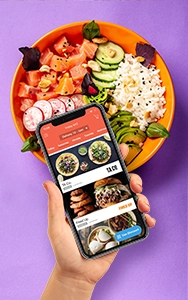
Get recurring Office Lunch Delivery from a daily rotating selection of authentic local restaurants to feed your staff on time. Employees choose their own meals from featured restaurants, so every order matches an individual's dietary needs and preferences, and practice managers don't have to track anyone's restrictions.
Orders scale daily to real demand, which removes the guesswork about how much food you'll need. Everyone orders before a daily cutoff, then a dedicated Fooda driver brings all the orders in one bulk delivery so teams can eat together.
Because drivers are trained and pre-approved to work in your building, food clears access restrictions faster and reaches staff without the usual logistical headaches.
No one wants the same "safe" meal every day, and your medical center staff are no different. Fooda brings in a rotating lineup of cuisines through an Office Building Popup program powered by a network of 2,000+ restaurants, so there's always something new to look forward to.
Fooda uses order data and demand patterns to schedule the right restaurants at the right time, which means the lineup reflects what your employees genuinely want to eat. Staff also place orders only when they're ready to eat rather than ordering ahead, making Popups a strong fit for teams that can't predict their lunch break.
For meetings and special events, Fooda's Corporate Event Catering serves meals that delight employees and guests.
From traditional drop catering and individual boxed meals to breakfast spreads and sandwich platters, there's something for every budget and occasion, whether you're rewarding your night shift team or feeding a meeting with pharma reps. With a dedicated catering concierge and a 99% on-time track record, Fooda keeps your event running smoothly.
Because medical centers run around the clock, food needs to be available at all hours, from a late-night snack for night shift nurses to breakfast for staff clocking in at 6 a.m.
Fooda Pantry lets you build customized snacking experiences to match your team's preferences and schedules, mixing micromarkets, self-checkout kiosks, smart vending machines, and premium beverage machines into one setup. With Fooda's expansive vendor network, you can tailor the product mix to your staff's budget and consumption habits.
Ready to rethink lunch catering for your medical center? Talk to Fooda today.

What is a medical practice manager?
A medical practice manager handles the operational and business side of healthcare facilities. They run the non-clinical administration of doctors' offices and clinics, such as human resources, financial management, billing, and regulatory compliance.
What are the top challenges of medical center catering?
Irregular schedules, time constraints, unpredictable demand, and access restrictions are among the top challenges of medical center catering.
What are the best medical center catering options?
Office lunch deliveries, sandwich catering, breakfast catering, popup restaurants, and office pantry solutions are the best catering options for medical centers.
How do you handle catering for staff on rotating or overnight shifts?
Combine scheduled deliveries with always-available options. Recurring lunch deliveries and popups cover daytime teams, while a stocked pantry with micromarkets and smart vending feeds night shift and off-hour staff, so people eat well no matter when their break lands.
How do you accommodate dietary restrictions when catering for a medical center?
The simplest approach is letting each employee order their own meal. Individual ordering from a rotating set of restaurants means every person selects food that fits their allergies, religious requirements, or preferences, which removes the need for a manager to track dozens of restrictions by hand.
Can catering be delivered into secured or HIPAA-restricted areas of a medical center?
Yes, with the right setup. Using drivers who are trained and pre-approved for your building lets deliveries move through checkpoints and restricted zones without delays, which keeps food on schedule while respecting security and compliance rules.
How far in advance should you order lunch catering for a medical center?
It depends on the format. Recurring deliveries typically use a daily cutoff time, so staff order the same day, while popup restaurants often need no advance order at all because employees buy on-site when they're ready to eat, which suits unpredictable clinical schedules.
What food helps keep night shift medical staff alert?
Balanced, protein-rich snacks and lighter meals tend to sustain energy better than sugar-heavy options that lead to a crash. Stocking fresh fruit, yogurt, nuts, and made-to-order or boxed meals through a 24/7 pantry gives overnight staff steady fuel without the mid-shift slump.