The U.S. is navigating employees’ return to office and hybrid work, and Dallas is one of the cities that’s leading the way with return-to-office initiatives. As the city’s workforce makes the move back to the office, employers and employees are learning to adjust to the transition.
While employers are the ones that are pushing for RTO policies, employees have mixed feelings. In the U.S., only 6% of jobs are fully remote, yet 23% of applicants across the nation prefer fully remote positions.
This disconnect has led companies to try and find ways to get employees excited about being back in the office. One of the best low-cost, high-impact ways companies have found is providing food as a workplace perk.
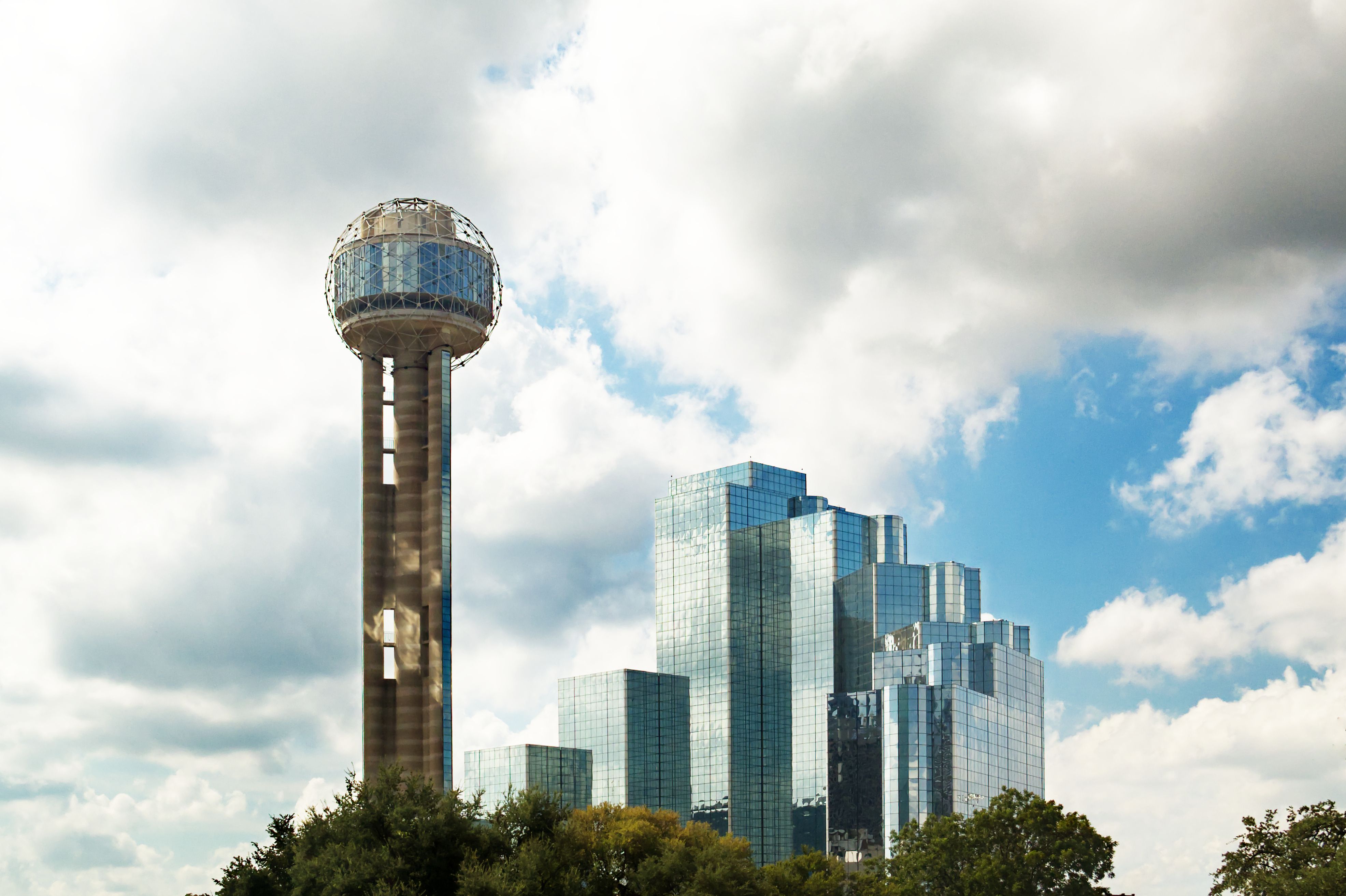
Dallas is recognized as one of the cities with the most Fortune 500 corporate headquarters and has many large campuses. These large offices give companies the perfect opportunity to accommodate their employees as they initiate return to office policies.
In Dallas, 85% of jobs are fully in-office, with hybrid and fully remote jobs only making up 9% and 6%, respectively. Large companies like AT&T and Southwest Airlines are headquartered here and are leading the movement towards fully-in person work, with most of their teams being in the office five days a week.
As jobs in Dallas (and across the U.S.) shift away from remote work, it is important to note that there is a difference between returning to the office, and returning to the office successfully.
When employees are unhappy with the return to office, you’ll feel the results down the line. If employees aren’t satisfied with their work environment, you’re likely to see lower productivity and morale scores.
The companies getting RTO right are the ones that are trying to get employees to want to be back in the office, instead of simply forcing them to do so. When companies listen to their employees and implement a return to office policy that focuses on creating a positive workplace experience, employers are more likely to see stronger office culture and satisfaction scores.
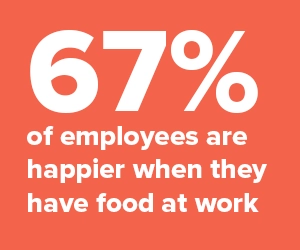
Getting started with a workplace food program is a low-cost, high-impact upon implementation way to incentivize employees and get them excited about returning to the office.
Data has proven that food as a workplace perk has a positive impact on employees. According to Fooda’s 2026 Workplace Lunch Survey, 83% of workplace and people leaders say food has a moderate to significant impact on workplace culture.
Food encourages community building within the workplace, which in turn helps employees feel a better sense of belonging. Not only that, but food also helps prevent employee burnout and increase employee retention. When employees have a community in the office and are satisfied and proud of the work they're doing, they're more likely to want to come into the office to work, easing the return-to-office transition.

In a city like Dallas that’s known for its delicious food, implementing a workplace food program gives your employees access to eat how they would outside of work while they’re in the office. . With plenty of corporate lunch delivery options to choose from, offices in Dallas have the opportunity to fuel their RTO initiatives while also supporting their local community. When employees have daily access to food they know and love, it helps make their commute into the office feel worth it.
One of the most common arguments executives make for RTO is culture. While being in the office can lead to spontaneous collaboration, mentorship, and informal conversations that lead to creative breakthroughs, these things don’t occur automatically just because bodies are back in a building. Few things help create these shared experiences as reliably as food.
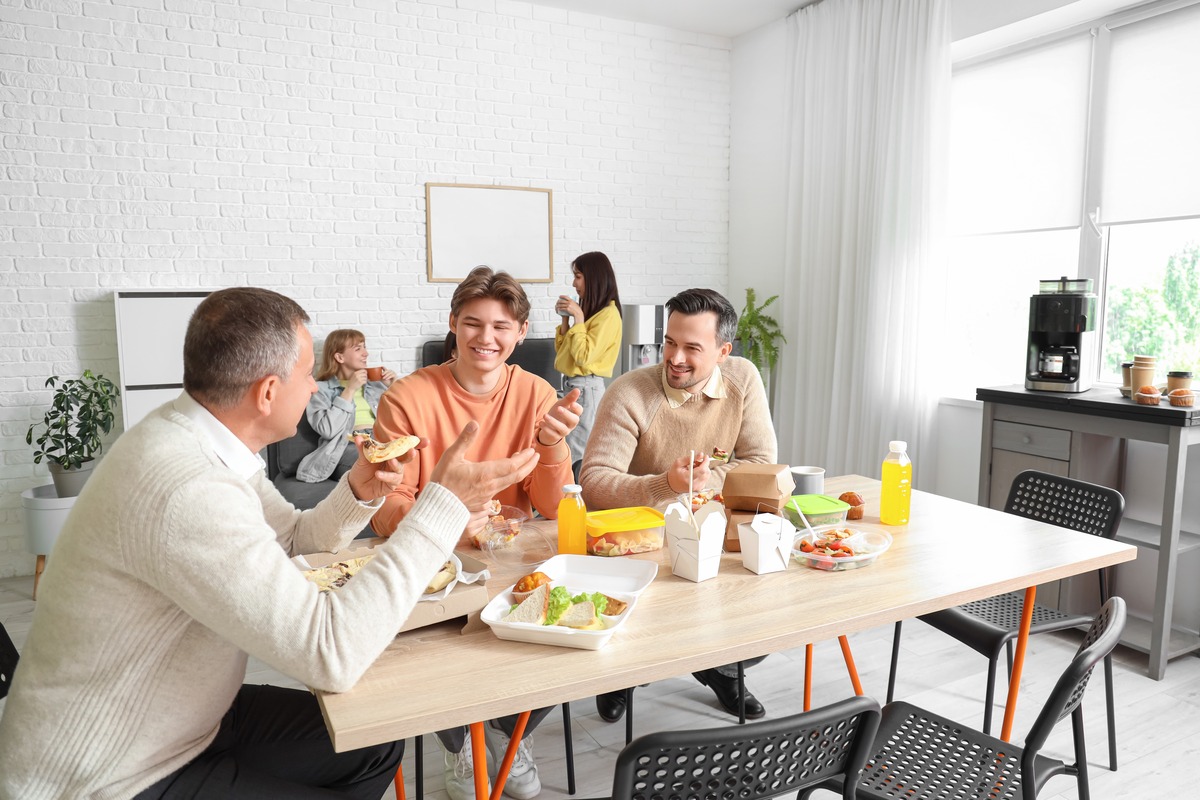
Sharing a meal fosters natural moments of connection and cross-team collaboration that can’t be replicated elsewhere. This is especially important in Dallas, where many large employers are managing multiple teams spread across dispersed campuses. Food can be a way to create moments of community within a big organization, which is something that feels personal and thoughtful rather than mandatory.
Food in the workplace also helps create a competitive edge. As more and more companies are implementing RTO policies, employees are looking to see which offices are worth returning to the office for. When employers offer food perks and put in the effort to take care of their employees, they are more likely to join, stay at that company, and have a positive attitude about being in the workplace.
The right model for your workplace food program depends on company size, budget, and how many days per week employees are expected to be in.
Here are some options that do well with hybrid workforces:
Fully Catered Days: This solution works best for companies with anchor-day RTO models. Rather than sustaining a full cafeteria, you bring in catering on the two or three days per week that see the highest in-office attendance. It's cost-efficient, flexible, and creates something for employees to look forward to without rigid, daily overhead.
Stocked Pantry Programs: Pantry Programs are an easy and efficient starting place for an office food program. They're low-cost, high-visibility, and they remind employees that leadership has thought about their daily experience. A good pantry program features quality coffee, healthy snacks, fresh fruit, and enough variety to accommodate dietary accommodations.
Meal Subsidy Programs: These are useful for companies with truly hybrid policies. With a meal subsidy program, the platform you work with will give employees meal credits they can use when they’re in the office.
Event-Based Catering: This solution works for a range of events including team lunches, quarterly celebrations, and department meetings. Catering can be planned around key company dates or used strategically to boost attendance during periods when in-office numbers tend to be low.
Whether you go with one solution or a combination of them, these programs are built to be flexible and work with your office needs as they fluctuate. Implementing these in the office is a great way to show employees they matter and help increase excitement about in-office attendance.
When looking for a food solution to aid your return to office, it is important to look for a partner that can support your initiatives. Not all catering platforms are built for the demands of a hybrid or RTO environment, and the Dallas market has specific characteristics, like scale, geography, and dietary diversity, that matter when choosing a food service partner.
Look for platforms that offer flexible ordering windows, so you can adjust headcounts as attendance shifts. Menu variety and rotation keep the program fresh and prevent the menu fatigue that sets in when employees see the same options week after week. Working with dietary accommodations is another important attribute that should be a baseline requirement (not an afterthought).
Some Dallas food solutions that are good options for offices implementing RTO policies include:
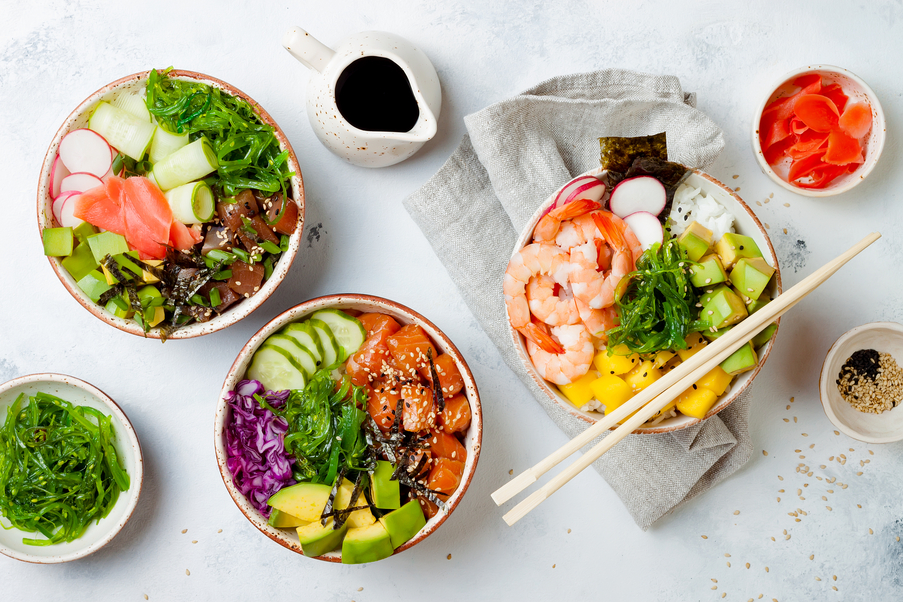
Food isn’t something that will automatically make employees excited about a new RTO policy. However, it can help make a good return-to-office policy great. For employees to be excited about returning to the office, workplaces need to offer something that employees can’t get at home. High-quality meals from their favorite local spots and access to snacks and coffee 24/7 is an easy place to start.
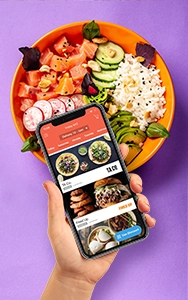
Fooda's model is built for the return-to-office environment. Fooda’s programs are scalable, flexible, and designed to make food a workplace benefit that employees can feel the impact of daily. . By partnering with local restaurants and bringing Dallas staples in for lunch, Fooda gets employees excited about coming into the office.
Fooda’s flexible employee meal programs come with technology that takes logistics off your team and utilizes a local-first approach that puts dollars directly back into the community you operate in.
With Fooda’s Popups, local restaurants set up in the office and serve fresh meals to employees. There’s no cooking onsite, meaning your office doesn’t need to have a large space or any cafeteria infrastructure to make this work. The restaurants rotate daily, helping prevent menu fatigue and keeping employees engaged at work. This is a great option for companies that want to build culture through a shared-meal experience.
For companies with a large campus that are returning to fully in-person work, Orange by Fooda can help modernize your traditional cafeteria. Orange uses real ordering data to keep menus fresh and offers rewards through a built-in app, all of which is looked after by an onsite catering manager who handles every detail. For Dallas companies building a food program that makes employees actually want to come back, Orange is a cafeteria solution and a culture strategy.
Fooda also offers Office Lunch Delivery, which works well for offices with fluctuating headcounts. Employees are able to mix and match their orders from a selection of rotating restaurants, with all orders delivered by a designated Fooda delivery driver. There’s no minimum number of orders needed, and all orders arrive at the same time.
For anchor days when everyone is in the office, Fooda’s Corporate Event Catering feeds large groups of people. From boxed lunches to white-glove catering, Fooda provides high quality catering, no matter the event.
Ready to build a food program that supports your Dallas RTO strategy? Talk to an expert today to learn how Fooda helps companies create workplace dining experiences that employees actually look forward to.
How much should a Dallas company budget per employee for a food program?
Food program costs vary widely depending on the model you choose, but here are realistic benchmarks for the Dallas market. A stocked pantry and coffee program typically runs $50–$150 per employee per month depending on quality and variety. Catered lunches average $15–$25 per person per meal. A full café model like Orange by Fooda operates differently, with costs tied to actual participation rather than a flat per-head fee, which makes it more cost-efficient at scale. Replacing a single mid-level employee costs an average of 50–200% of their annual salary, so a food program that improves retention by even a small margin pays for itself quickly.
How do we handle food for employees who are in the office on non-anchor days?
It’s easy for employees who come in on non-catered days and find an empty kitchen to feel like an afterthought. The solution is to establish a baseline that's always there: a well-stocked pantry, quality coffee, fresh fruit, and grab-and-go snacks can be available every day the office is open, regardless of whether catering is scheduled.
How do we get employees excited before launching a food program?
Before committing to a vendor or model, run a short internal survey (5 questions or fewer) asking employees what they'd value: preferred cuisines, dietary needs, preferred days, and whether they'd rather have catered meals or a stocked kitchen. This does two things: it gives you actionable data to design a better program, and it signals to employees that the initiative is genuinely about their experience rather than just a compliance mechanism. Programs that launch with employee input and iterate based on feedback consistently outperform those that don't.
How do Dallas companies handle food programs across multiple office locations or large campuses?
Multi-location food programs are more common in Dallas than in most markets, given the scale of Dallas' major corporate campuses and the number of companies with offices spread across the metro. Look for vendors who can manage multiple sites under a single contract with centralized billing and reporting, so your finance and HR teams aren't juggling five different invoices and attendance tracking systems. For large campuses with multiple buildings, think carefully about where food is located: a cafeteria that requires a 10-minute walk from the main work area will see significantly lower participation than one that's easy to access. Placement and convenience are as important as quality when you're trying to drive daily habits across a sprawling footprint.