When a senior software engineer resigns, the loss is not limited to a seat on the org chart. The architectural history that lives in their head leaves with them, so the remaining engineers hesitate to touch complex codebases they did not design, and new developers spend months reverse-engineering legacy systems before they ship anything of consequence.
The financial hit compounds from there. Daily.dev reports that it can cost 1.5x to 2.5x the annual salary to replace a single mid-level engineer. That range reflects recruiting spend, signing incentives, and the ramp time required before a new hire contributes at full capacity, which is why the cost of hiring SaaS engineers rarely matches the number in the budget line. Meanwhile, turnover sets projects back 4 to 8 weeks, and those delays land directly on client commitments and release dates.
That exposure is why comp cycles and return-to-office mandates carry so much weight in tech. One misread negotiation can trigger a wave of resignations, and engineering teams have less margin for error than most functions: the industry’s turnover rate is nearing 12% compared with a national average of 8.2%. Engineers field more inbound offers and run shorter job searches than almost anyone else on the payroll, so dissatisfaction converts into a resignation letter quickly.
What can SaaS companies do to keep their strongest talent? This guide covers practical tactics for retaining software engineers that you can put in place this quarter.
In most SaaS companies, employee retention strategies are a mix of competitive pay and career growth opportunities.

Pay raises and promotions work, and they are also slow and expensive. A bonus takes months to earn and a promotion can take years, so neither does anything for how an engineer feels on a Tuesday in month three.
In that gap, engineers lose momentum under the daily pressures of a high-demand job and begin showing burnout symptoms. Add an RTO mandate or a disappointing comp cycle, and the exit conversation starts.
Engineering leaders and their People Ops partners need something tangible enough to change the daily experience of being in the office. Food is the highest-frequency, lowest-friction lever available, because it touches every single in-office day rather than one date on the compensation calendar. Fooda’s “What’s Happening in the Workplace Now?” survey found that 80% of employees are more enthusiastic about work when the company provides them lunch.
Engineers feel this more than most functions because they are the population most affected by three specific conditions: deep work protection, involuntary in-office days, and isolation from peers.
A well-designed food program answers all three every day, at a fraction of the cost of counteroffers that rarely hold someone past the next recruiter call.
Coding requires uninterrupted blocks of roughly two hours or more, and every context switch between meetings and team messages costs recovery time on top of the interruption itself. Leaving the building for lunch adds one more switch to a day that already has too many.
Skipping lunch protects nothing. The brain runs on a steady glucose supply, and concentration measurably drops once that supply runs low.
Whole grains, lean protein, fruit, and vegetables keep engineers steady through high-focus windows, and better workplace nutrition is linked to productivity gains of up to 20%. Convenient onsite access matters as much as the menu: grab-and-go meals and healthy snacks let an engineer refuel in five minutes instead of surrendering 45 to a walk and a line, which keeps the focus block intact.
With SaaS companies working to make their RTO policies stick, many engineers are onsite on days they would rather work from home.
Everyone shares the pain of long commutes, but engineers carry an extra cost. Open-plan offices and constant noise are a poor match for work that depends on sustained concentration, and each unplanned drop-by forces a re-orientation that can take 20 minutes to undo.
Food perks give those days something a home office cannot match. A rotating lineup of local restaurants turns a mandated commute into a reason to show up, which moves the conversation from policy compliance to attendance people choose.
For teams with on-call rotations, round-the-clock access to food and snacks signals that after-hours emergencies are treated as a human ask rather than an overtime line item.
Some software engineers work better on their own, needing long hours to concentrate on planning systems and writing and testing their code. That focus comes with distance from the rest of the organization.
Over time, distance turns into disconnection from peers and company culture, and a disconnected engineer is the easiest one for a competitor to recruit, because nothing beyond salary is holding them in place.
Shared meals are one of the few rituals that create contact without adding another meeting to the calendar. Food rituals like weekly sit-down meals and shared dining spaces give engineers a low-stakes way to build relationships across teams, and those relationships are what make a counteroffer feel like more than a number.
Free lunch on its own will not keep an engineer at your company. The programs that move retention are designed around the specific pain points above. Here is how to build one.
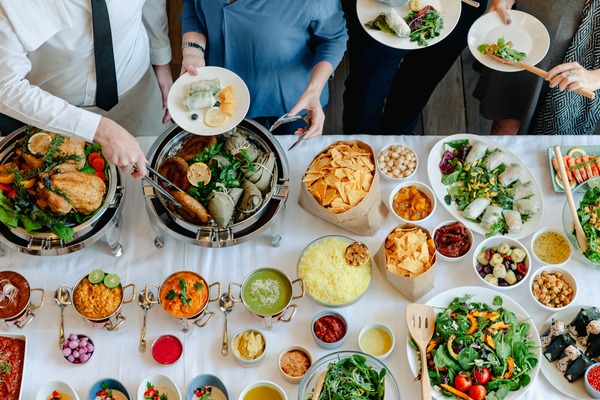
The prospect of trying new and interesting dishes each day adds to the perk of going into work. Variety builds anticipation and prevents the menu fatigue that turns a perk into background noise within a month. 80% of leaders in our 2026 Workplace Lunch Report say variety is important or extremely important in a food program.
Weekly rotating popups, lunch delivery from local restaurants, and special catered meals keep the lineup fresh, giving engineers something different on the days they have exhausted the menu at your resident restaurant.
Engineers need brain fuel to power their deep work windows. Outside those blocks, the work keeps them seated in front of a screen for most of the day.
Design the program to counter the effects of sedentary work:
Engineers set their own deep work blocks, so a team rarely eats at the same time. A fixed one- to two-hour serving window forces people to choose between the focus block and the meal, and focus usually wins until 4 p.m.
Hybrid schedules add a second variable. Even under RTO mandates, onsite headcount shifts day to day, so a program sized for Tuesday wastes food on Friday.
Build for both. A chef-attended station can cover the standard lunch hours while a resident café or lunch delivery catches whoever misses the window. An adaptive food program scales with daily population: food trucks and popup restaurants absorb heavy attendance days, while delivery and grab-and-go stations keep spend down on lighter ones.
It’s important to give engineers the space and freedom to work on their own. They also need reasons to feel part of the office beyond their own team’s standup.
Rituals do that work without a mandate. Weekly sit-down meals give the engineering team a standing reason to socialize even when a daily group lunch is unrealistic. Lunch and learn sessions and catered team meetings fold human connection into work that is already on the calendar, which is why they tend to stick.
Physical space matters as much as the schedule. A shared dining area gives conversations somewhere to happen, while desk lunches quietly give everyone permission to keep working.
Fooda offers a wide range of food solutions powered by thousands of local restaurants. This gives you the flexibility needed to build a robust food program that removes daily friction for employees.
Fooda lets you build a tailored food program that aligns with the specific needs of your company. You can choose from its range of workplace food solutions and mix them to scale with fluctuating demand.
Fooda also offers flexible subsidy management, letting you add members and adjust subsidy amounts in just a few taps. That control makes it practical to fund lunch differently for anchor days, on-call weeks, or a single engineering floor without renegotiating the whole program.
With a vast network of local restaurants to power every Fooda solution, variety is naturally baked into your program. You can rotate between different restaurants and cuisines to freshen up your menu selection each week.
One week might pair a Mexican food truck serving tacos on Tuesday with delivery from local Indian and Thai restaurants later in the week, without any added work on your end.
With this Fooda model, you also get to give back to your local community, as the money goes directly to locally owned businesses. That matters to leadership as well as to employees: 87% of workplace leaders in the same 2026 Workplace Lunch Report say supporting local restaurants matters to their food program.
From sourcing and scheduling to quality assurance, the Fooda team oversees your entire food program operation. With a dedicated manager and an experienced team behind you, you can run an efficient food service operation without the logistical burden of vendor management falling on an office or People Ops lead.
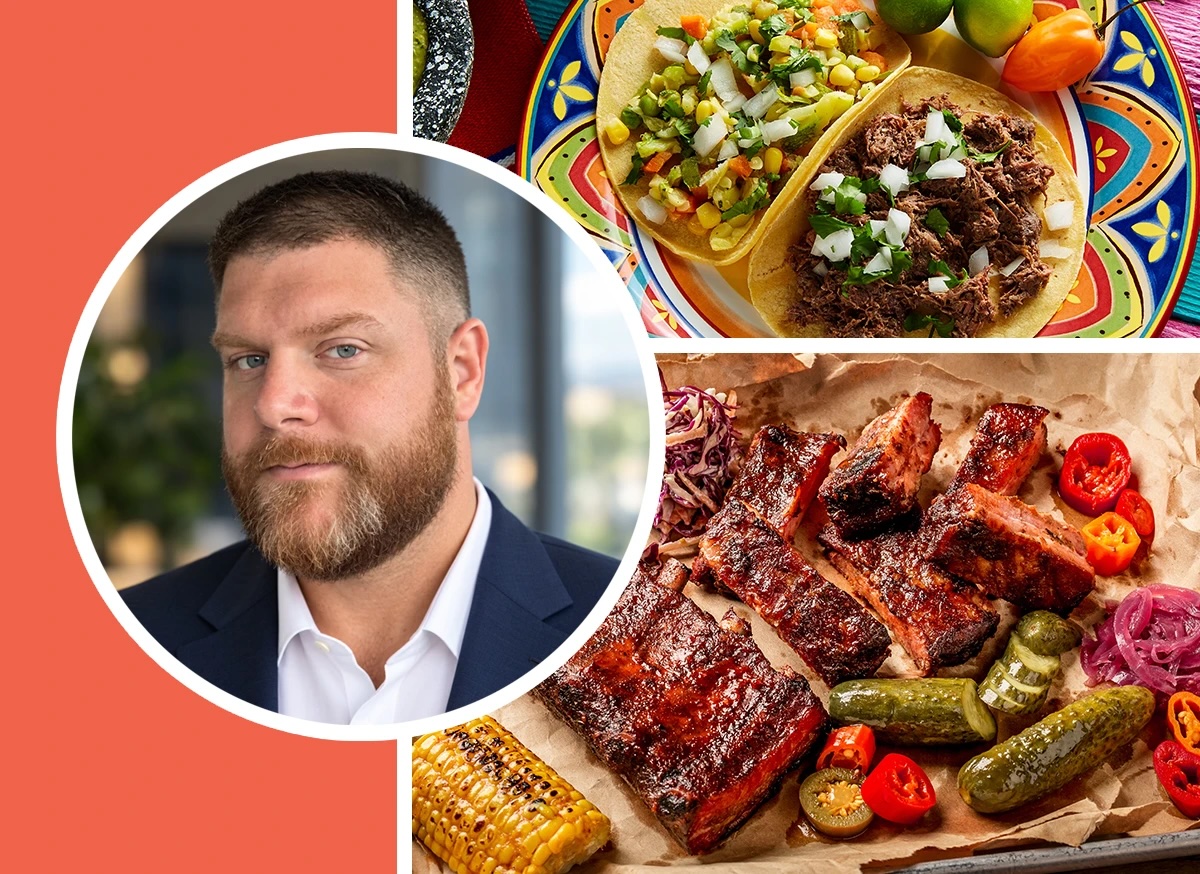
Companies like Braintree rely on Fooda for a varied and reliable lunch program that doubles as a recruiting asset when hiring SaaS engineers.
“We’re competing with other billion-dollar tech companies for the best talent out there, which is why our culture and our perks are key. Fooda is a great perk that gets people interested in working here; it helps complete the Braintree puzzle. Overall, it’s been a really great service and a real benefit to us.” - Curt Swank, Facilities Manager at Braintree
Over the course of four years, Fooda has maintained a 99.6% on-time rating for Braintree, where the previous caterer was rarely on time. And with the Fooda team sourcing restaurants, scheduling them, and making sure the food passes quality standards, Braintree has never had to assign an employee to run the program.
Need a food program that’s tailored for SaaS companies? Talk to Fooda today.
Common workplace pain points for software engineers include communication silos, repetitive manual tasks, and work-life balance struggles. These challenges often disrupt daily productivity and increase stress across teams.
Software engineers typically have good work-life balance, provided that they have flexible and remote work options. RTO mandates, heavy overtime, and lack of boundaries can ultimately lead to burnout and screen fatigue.
To retain software engineers, SaaS companies must offer clear career growth paths, maintain stable project priorities, and foster an environment built on trust rather than micromanagement. Daily food perks can also reduce friction and create a daily workplace experience that makes them want to stay.
Free lunch supports retention when it is consistent and well run, because it changes the daily experience of coming into the office rather than arriving once a year like a bonus. On its own it will not offset uncompetitive pay or a broken manager relationship, so treat it as one layer of a wider retention strategy.
Beyond salary, software engineers consistently value schedule flexibility, uninterrupted focus time, modern tooling, clear promotion criteria, and strong healthcare coverage. Daily conveniences such as onsite meals and stocked pantries rank higher than most employers expect, because they remove friction from every workday instead of one moment in the year.
Food perks make RTO mandates land better because they give employees something tangible in exchange for the commute. Rotating restaurants, popups, and catered team lunches turn required office days into days people plan around, which raises voluntary attendance and lowers the friction managers face enforcing the policy.
Early-stage startups retain engineers by competing on the things money cannot buy quickly: real ownership of systems, direct access to founders, fast shipping cycles, and a daily environment people enjoy. A reliable lunch program is one of the least expensive ways to make the office worth choosing when the equity payoff is still years away.
A food program for a tech office should include daily menu variety, healthy and dietary-inclusive options, flexible serving windows that fit uneven schedules, grab-and-go access for heads-down days, and shared dining space that encourages people to eat together. The program should also scale with daily onsite headcount so hybrid attendance does not drive waste.