According to the 2024 Colorado Talent Pipeline Report, Colorado ranked second in the nation for job turnover, according to . For Denver employers already navigating a competitive hiring landscape, a thriving professional sector, and the rise of hybrid work, keeping people in seats has become as difficult as filling them in the first place.
Employees want workplaces that offer flexibility and comfortable work environments. Employers need strong company culture, good retention rates, and consistent in-office attendance, but they’re struggling to keep up with organizational demands while maintaining a positive employee experience.
One way forward-thinking companies in Denver are closing that gap is through workplace food programs. Let’s dive in and learn how and why they’re a highly-regarded employee perk that’s making a difference in satisfaction and morale.
The workplace is evolving faster than ever, and Denver companies are battling the same issues as other organizations all across the country. But the city’s corporate landscape poses a few unique challenges, too.
Here’s how Denver companies are addressing these obstacles with workplace food programs:

Falling just behind Massachusetts and D.C., Colorado has one of the highest percentages of hybrid employees in the country at 16%, according to the Bureau of Labor Statistics. Despite its prevalence, many Denver companies are struggling to navigate hybrid work models. They provide flexibility for employees, but they leave managers with the difficult task of balancing personal choice and structure.
Many employees favor the convenience of working from home. This results in them missing the collaborative opportunities that in-person work provides. Because of this, employers are beginning to implement workplace perks to drive in-person attendance.
According to Robin’s Return to Office Report, 44% of hybrid employees view office perks as a compelling reason to work on-site. When you provide food as a workplace perk, you create an engaging office experience that brings people together through a shared meal. Employees get readily available, delicious meals that draw them into the office of their own accord, allowing you to increase attendance without relying on mandates.
Denver is home to major players across many industries, including financial services, aerospace, telecommunications, energy, and healthcare. This makes for an especially competitive talent landscape. Qualified employees have their pick of where they want to work, and they’re going to gravitate towards the companies that stand out from the crowd.
If your company isn’t offering them anything outside of the standard employee benefits, you’ll have a difficult time attracting new talent and keeping the employees you already have.
Basic compensation gets people interested, but isn’t going to cut it at the offer table anymore. A Glassdoor survey found that 79% of employees would prefer additional benefits to a pay increase. Offering unique perks, like workplace food programs, is a great way to give your company a competitive edge and keep current employees engaged.
Over time, the workplace has become less social and more transactional.
Fooda’s 2026 survey of 100+ companies found that 83% of workplace and people leaders consider food an important part of company culture, yet fewer than 25% say lunch is more social now than it was a year ago, and 33% of companies have no workplace food program at all.
That gap indicates that food is an underutilized culture lever. When employees take their breaks together, they get the chance to get to know each other better. It’s one of the few times during the day when they can connect over non-work related topics.
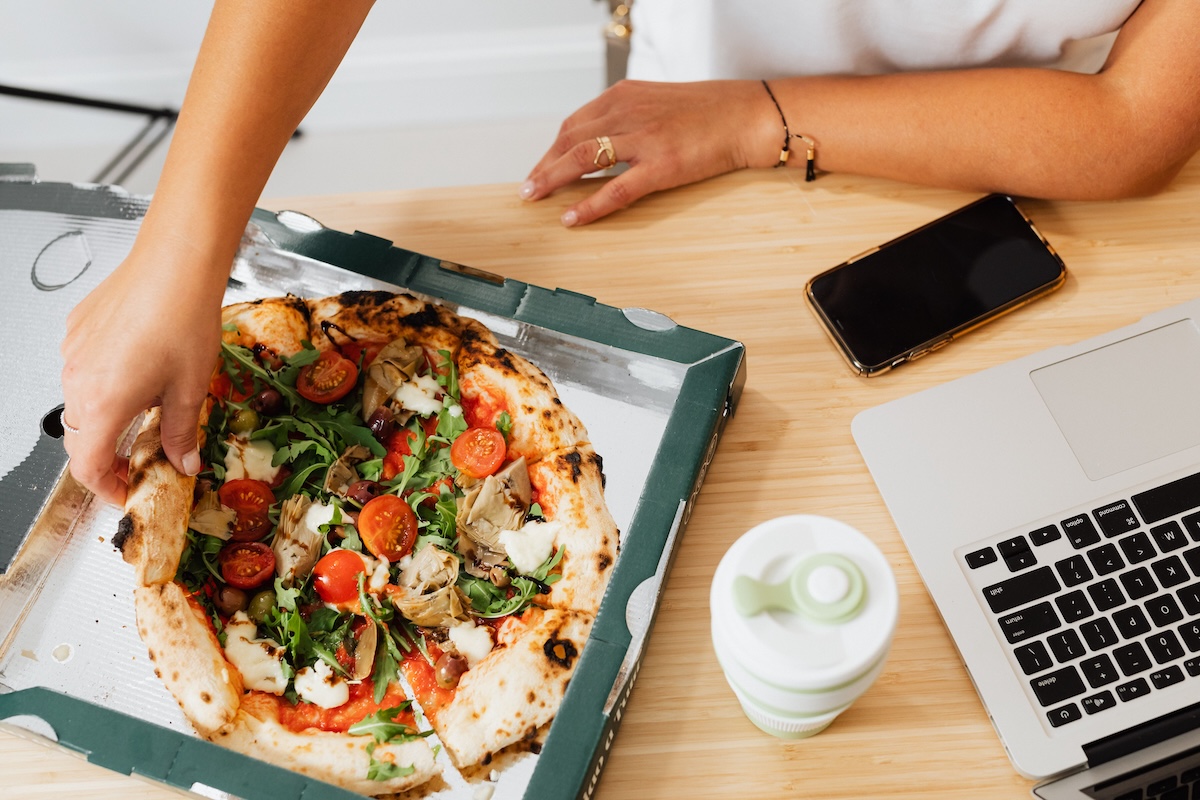
When companies implement workplace food programs, they create valuable social opportunities. Instead of an ‘every person for themself’ scenario, lunch becomes a staple of the office community. Employees can bridge the gap between teams, learn to collaborate better, and create a space where everyone feels welcome.
According to research from NAMI, 52% of employees report having felt burnt out at work. That means that over half of the country’s workforce have faced exhaustion, excessive stress, and low motivation on a daily basis.
These negative feelings can significantly impact employees’ mental health. That same study found that 37% of employees have been so overwhelmed that they struggled to do their jobs, and a further 33% have felt their productivity suffer because of poor mental health.
Taking regularly scheduled breaks is one of the simplest ways to avoid burnout. By implementing a workplace food program, you send a message that you care about your employees’ wellbeing, which can make them feel more comfortable stepping away from their desks to enjoy their meals. This gives them a designated time to take their minds off their jobs, allowing them to come back refreshed and ready to work.
Workplace food programs have looked the same for decades, with generic, unchanging menus and lifeless cafeterias. They only recently began to reach their full potential. To get the most out of your food program, you have to pay attention to what your employees expect from them. By catering to their preferences, you can increase and maintain engagement and interest.
Here’s what Denver employees are looking for:
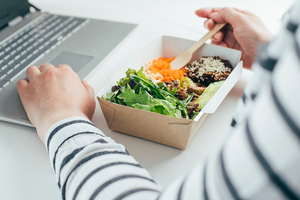
Your employees have a lot on their plates. They have projects to manage, meetings to attend, and deadlines to hit. When they have to worry about lunch on top of that, it can add unnecessary stress and decision fatigue that wears on their day-to-day experience. They have to choose between going out of their way to find meals outside of work and bringing in food from home. Neither choice is particularly appealing.
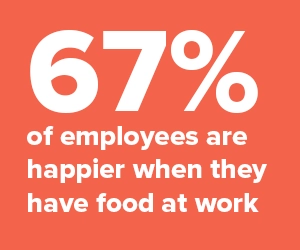
By providing food on-site, you can relieve this stress. Employees can feel settled knowing they don’t have to worry about finding something to eat. They’ll feel appreciated and taken care of, boosting their overall satisfaction with their work days.
Denver is home to a thriving independent restaurant scene full of diverse cuisines and bold flavors. Employees have plenty of places to go when they want unique, delicious food, and that has raised their expectations when it comes to eating in the office.
Generic, replicable dishes don’t grab their attention. Although having lunch options conveniently available to them is appealing, it’s unlikely to be enough to incentivize participation on its own. To maintain interest, the food needs to be catered to their tastes and reflect the cuisine they enjoy outside of work.
The best way to do this is by leveraging the city’s local restaurants. Utilizing an employee meal program that partners with real restaurants creates authenticity without racking up high overhead costs. When employees have access to high-quality food, they’ll be more excited to come into work and more motivated to give it their all.
When employees are used to the variety that Denver’s culinary landscape provides, static menus won’t keep them engaged for long. Menu fatigue will set in quickly, and participation will wane, no matter how good the food is.
By rotating menus regularly, you can keep their attention in the long-term and make your workplace food program feel more personalized and considerate. Partnering with local restaurants makes it easy to keep options fresh. It allows you to bring in new vendors regularly, creating a unique, exciting dining experience employees will keep coming back to.
Although workplace food programs, like any employee perk, come with overhead costs, the return on investment they provide can more than make up for them in lower turnover, increased RTO compliance, and productivity increases.

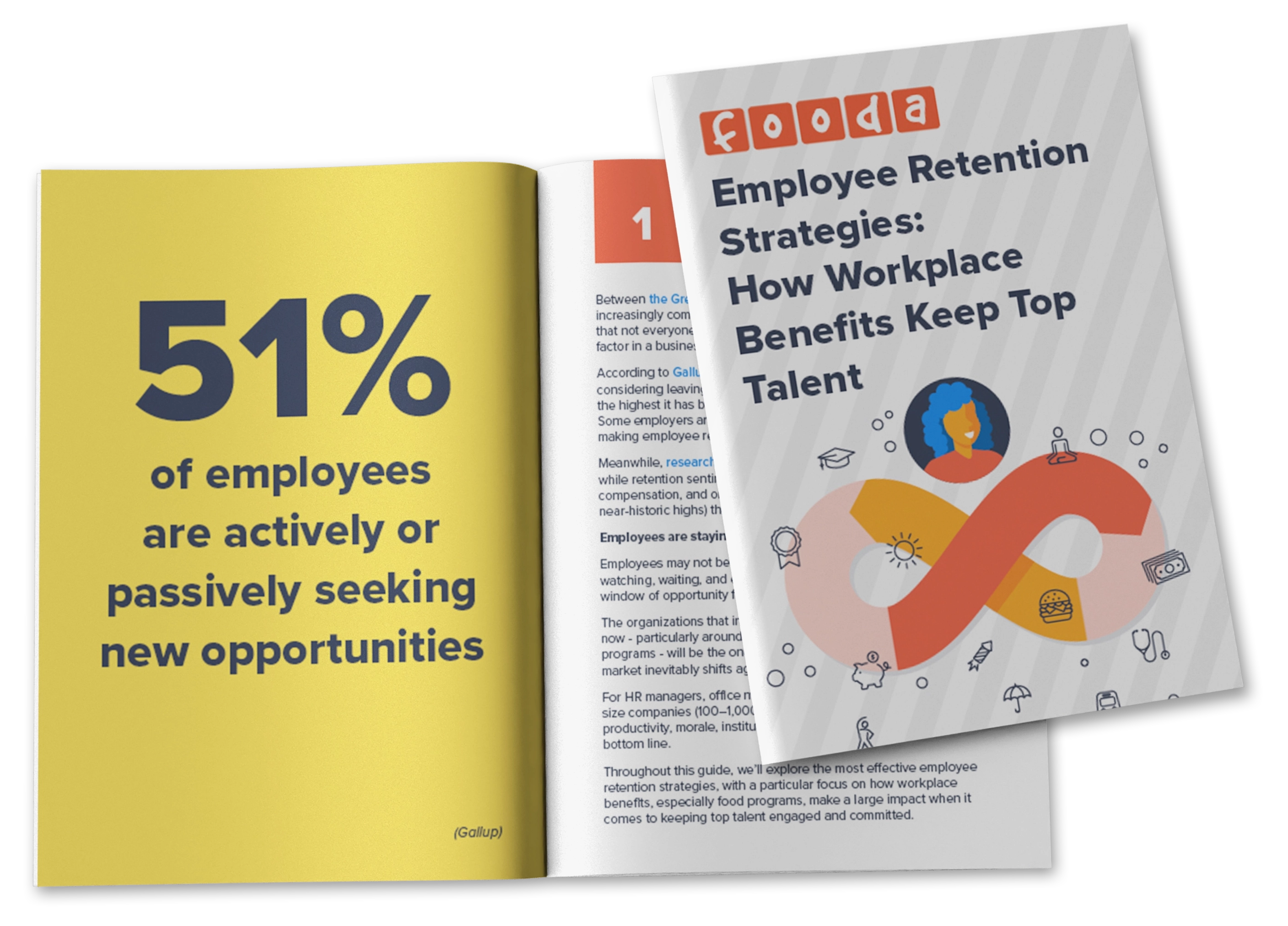
Replacing a single employee can cost 50-200% of their annual salary when you take lost productivity, hiring, and training costs into account. Employees also have to spend time onboarding, which slows down their workflows. Your talent acquisition team ends up dedicating all of their time filling vacated positions instead of searching qualified candidates for new roles. It’s a significant, avoidable resource drain.
In Denver’s competitive talent market, employees have a lot of opportunities, and they won’t hesitate to leave if something more appealing comes along. Small, meaningful perks are one of the best ways to retain talent.
Workplace food programs are an immediately visible perk that provides consistent improvement to employees’ workdays. If these programs are executed thoughtfully, they can give you a competitive advantage that keeps employees from seeking out other offers.
On average, a fully subsidized meal program costs $15-20 per employee per day. That adds up to around $4,000-5,500 per person a year. That cost is negligible compared to the cost of onboarding new hires. Retaining even one employee more than makes up for the program cost, making workplace food programs an effective way to cut down on overhead costs.
Working in-person has great benefits. Employees can easily collaborate on projects, they’re less likely to get distracted during the workday, and they’re eager to generate new ideas. Despite this, many companies are struggling to motivate employees to work on-site.
According to Employee Benefits News, nearly eight out of ten employees say that employer-provided food would motivate them to stay with a company that has an on-site mandate.
When you implement a workplace food program, employees will often begin to schedule their weeks around them. They’ll choose to come in on days when their favorite meals are being served, giving them a central point to plan from.
It’s hard to focus on an empty stomach. A Tork survey showed that 88% of employees feel reenergized after taking a lunch break, and 91% say it helps them maintain focus. That valuable time away gives employees a chance to step back and take a breath, rather than trying to process large amounts of information for eight hours straight (or longer).
A workplace food program makes it easier for employees to eat well during the workday. It removes friction around finding lunch, making them less likely to eat at their desks or skip meals entirely when things get really busy.
Providing food also encourages them to take care of themselves. This makes them capable of not only producing more work, but doing that work well. By supporting this output, you can build a workforce that’s more focused, more energized, and less likely to burn out.
Ultimately, employees that are physically supported show up more consistently, make fewer mistakes, and bring more to collaborative work. For companies deciding where to invest their people services budget, food programs offer a direct path to performance increases that other perks (gym stipends, wellness apps, office happy hours, etc.) often fail to deliver day-to-day.

It’s time to move away from outdated cafeteria models and high-maintenance stipends. Fooda makes it easy. Our programs are built to cater to employee tastes in a way that drives engagement, retention, and culture.
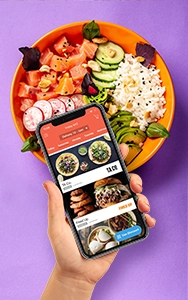
Fooda runs on local restaurant partnerships. With our network of 4,500+ restaurants, we bring the best your city has to offer right into the office. Our menus rotate daily, so employees can explore new cuisines regularly, keeping engagement high.
Fooda’s programs are easy to manage on the back-end, too. Dedicated account managers handle logistics and day-to-day operations, providing a full-service food program without putting additional work on your admin teams.
Everything is completely scalable, with plenty of room to accommodate future growth. This also makes our programs perfectly suited for hybrid schedules, allowing you to adjust operations to fit attendance patterns and minimize waste.
Fooda offers a variety of workplace food programs, and you can mix and match them to fit any work model, budget, or headcount.
Ready to learn more or partner with Fooda in your workplace? Reach out to an expert today.
How does Fooda handle hybrid schedules where headcount fluctuates day to day?
Fooda's programs are built to scale up or down based on attendance. You can adjust order volumes to match the days your team is actually in the office, which minimizes waste and keeps costs predictable even when schedules vary week to week.
What does the onboarding process look like when setting up a Fooda program?
Fooda assigns a dedicated account manager who handles setup, restaurant coordination, and ongoing logistics. Most programs can be up and running without requiring significant time or resources from your internal team.
How does Fooda select its restaurant partners?
Fooda vets all restaurant partners for licensing, insurance, and food safety compliance before they join the network. Partners are also evaluated on menu quality and variety to make sure the dining experience meets employee expectations.
How do companies typically measure the ROI of a Fooda program?
ROI shows up in several places, including reduced turnover, improved in-office attendance, and higher employee satisfaction scores. Companies can also track participation rates and gather direct employee feedback to assess engagement over time. Fooda's account managers can help you build a framework for measuring program impact against your specific people operations goals.